Category Ranking
Best National Parks for Backpacking in Winter
Top parks for backpacking during winter, ranked by a composite of activity quality and seasonal conditions.
Updated
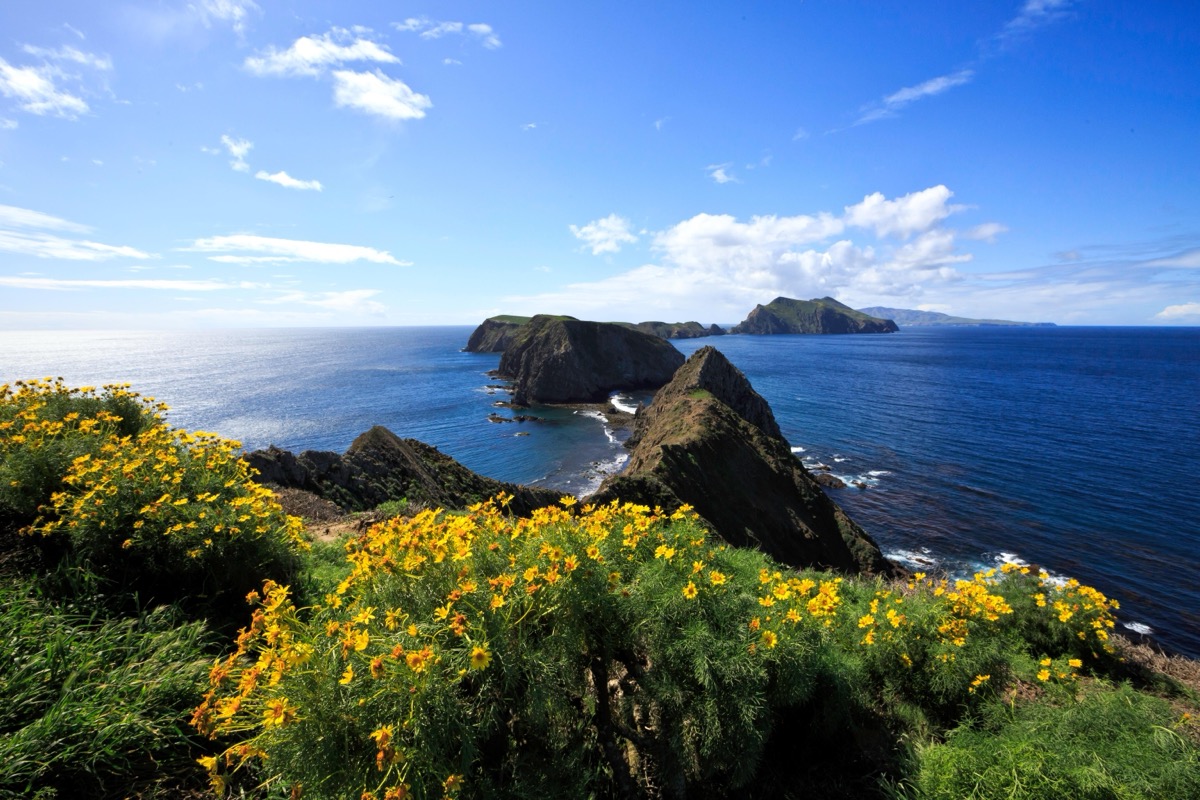
Channel Islands National Park
California's Galápagos lies 12 miles offshore with 145 endemic species. Sea lions, island foxes, and rare seabirds inhabit five islands.
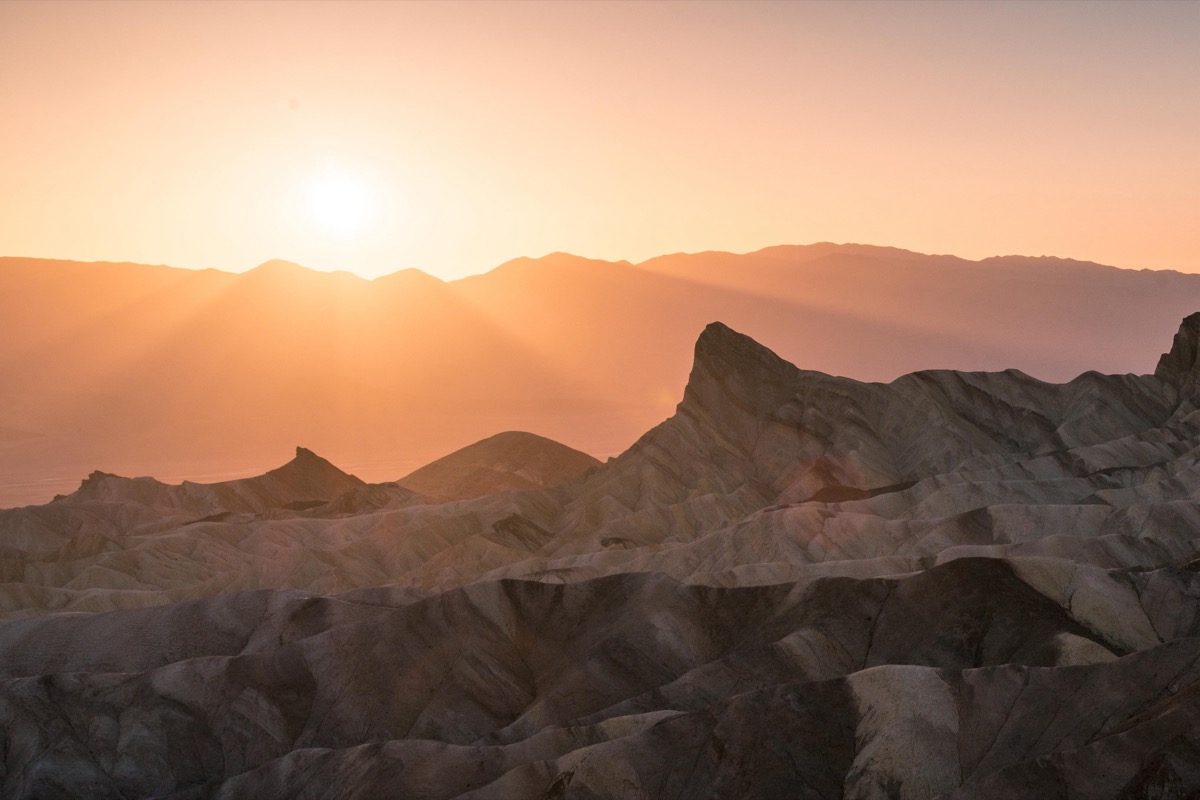
Death Valley National Park
Death Valley's salt flats, singing dunes, and moving rocks reward October-to-April visitors with cooler temps and wildflower blooms.
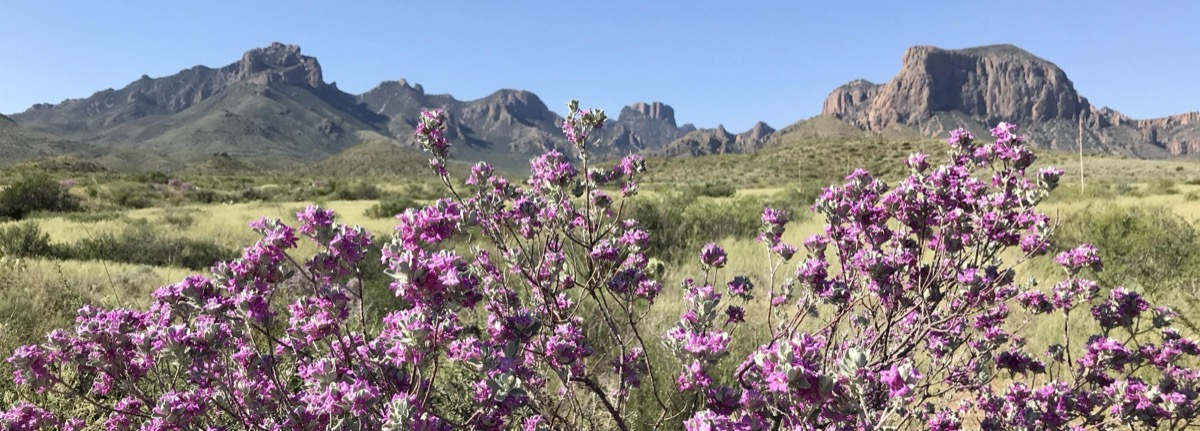
Big Bend National Park
Big Bend protects 1,200 square miles where the Chisos Mountains rise from desert. Over 450 bird species recorded—more than any park.
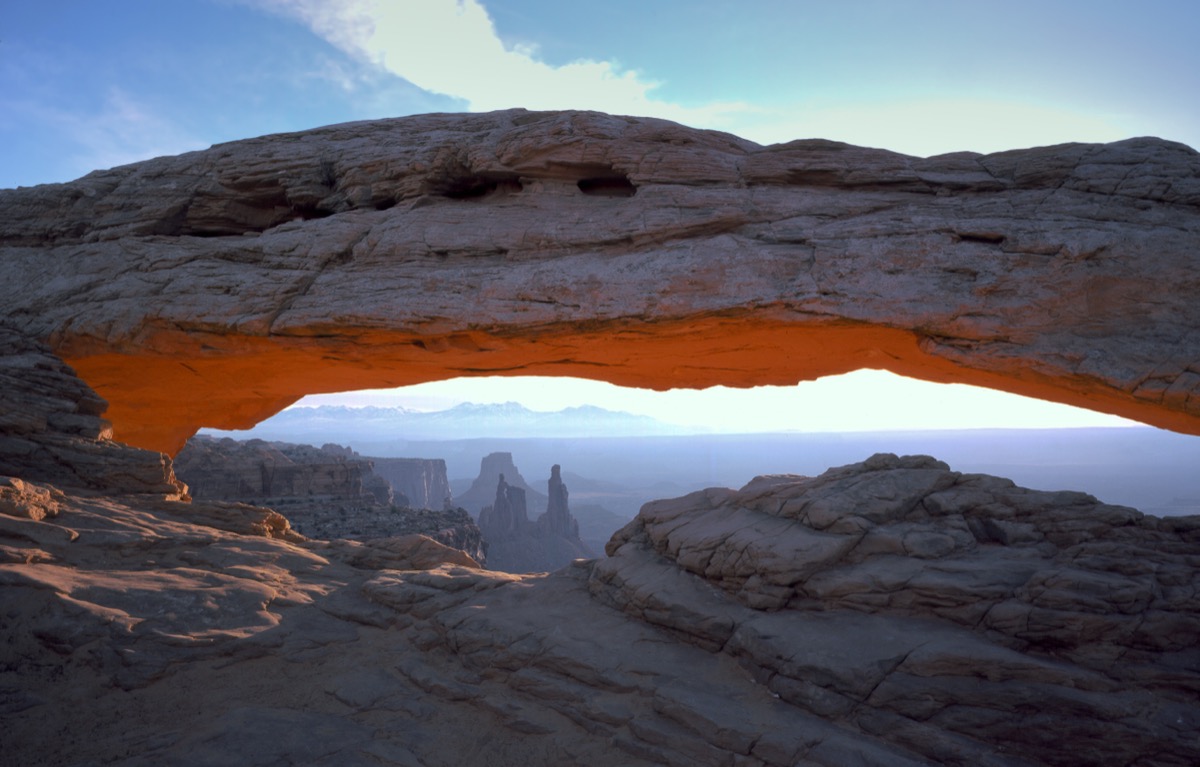
Canyonlands National Park
Four districts carved by the Colorado River—from Island in the Sky's overlooks to The Maze's backcountry spanning canyons larger than LA.
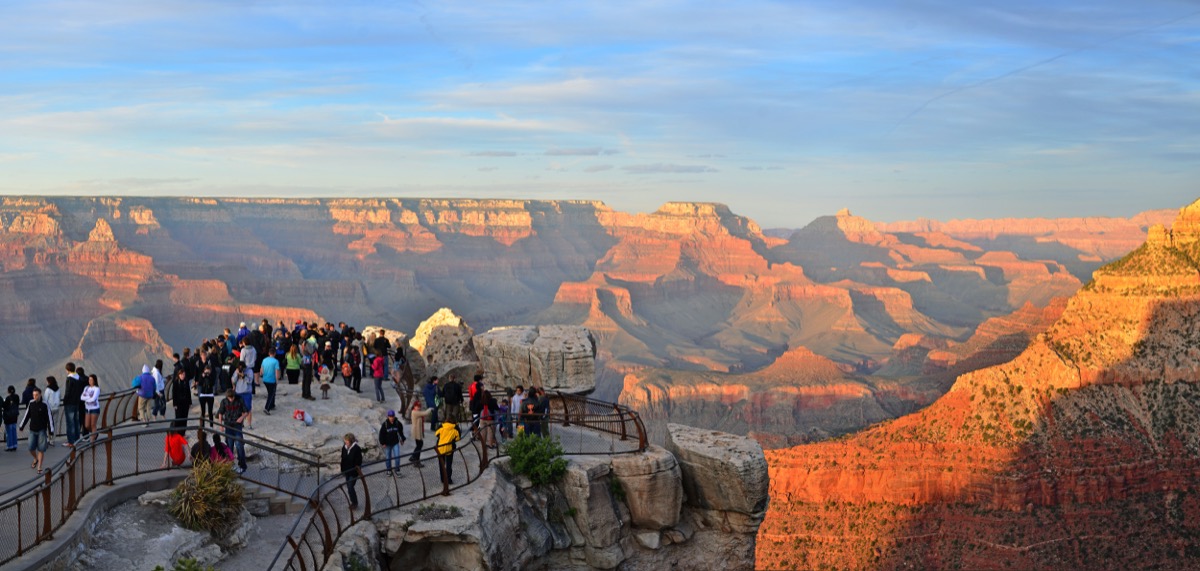
Grand Canyon National Park
The Colorado River carved through two billion years of rock to create a chasm one mile deep and 277 miles long at the South Rim.
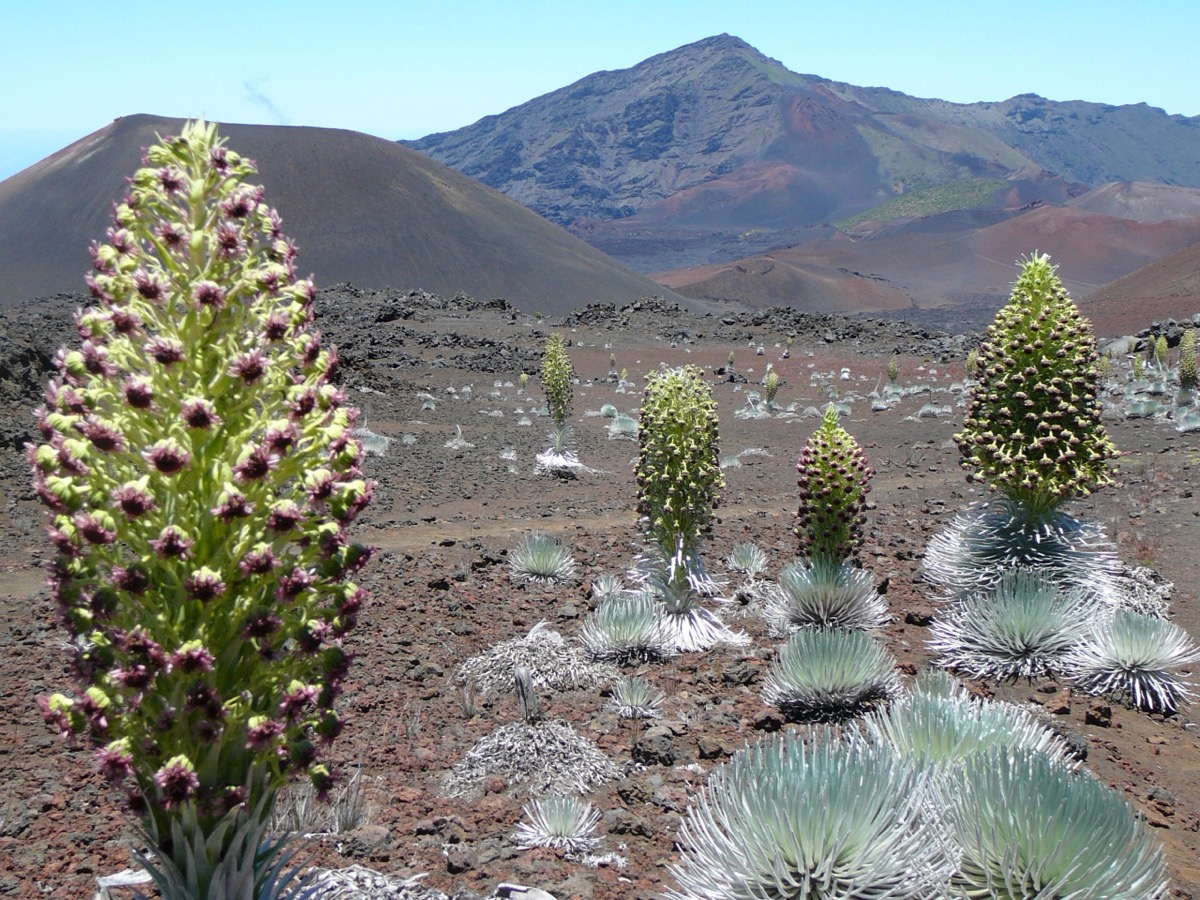
Haleakalā National Park
A dormant volcano where you stand above the clouds at 10,000 feet, then descend through alpine desert to rainforest in a single morning.
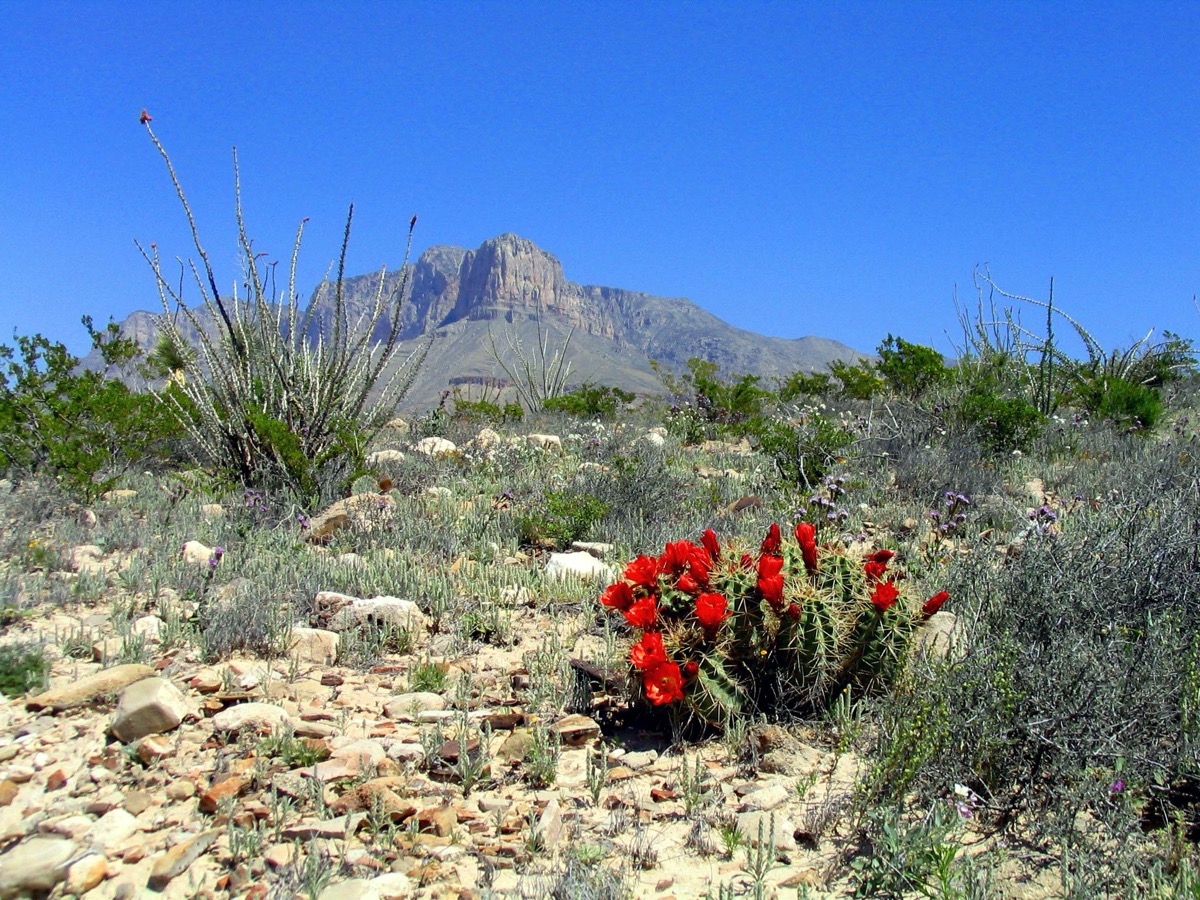
Guadalupe Mountains National Park
Texas's highest peaks rise from a 265-million-year-old fossil reef in the Chihuahuan Desert, holding more species than any Texas park.
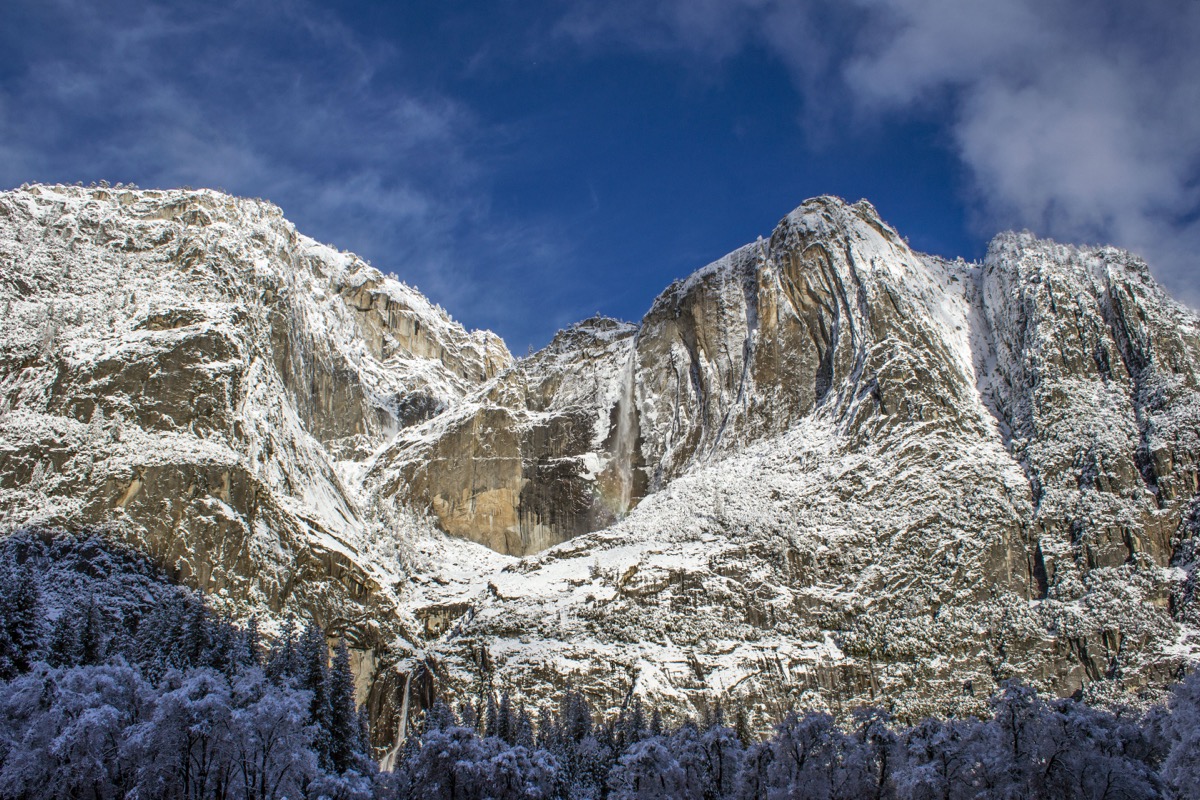
Yosemite National Park
Granite cliffs rise 3,000 feet, seasonal waterfalls drop half a mile, and giant sequoias reach into the Sierra sky in this iconic valley.
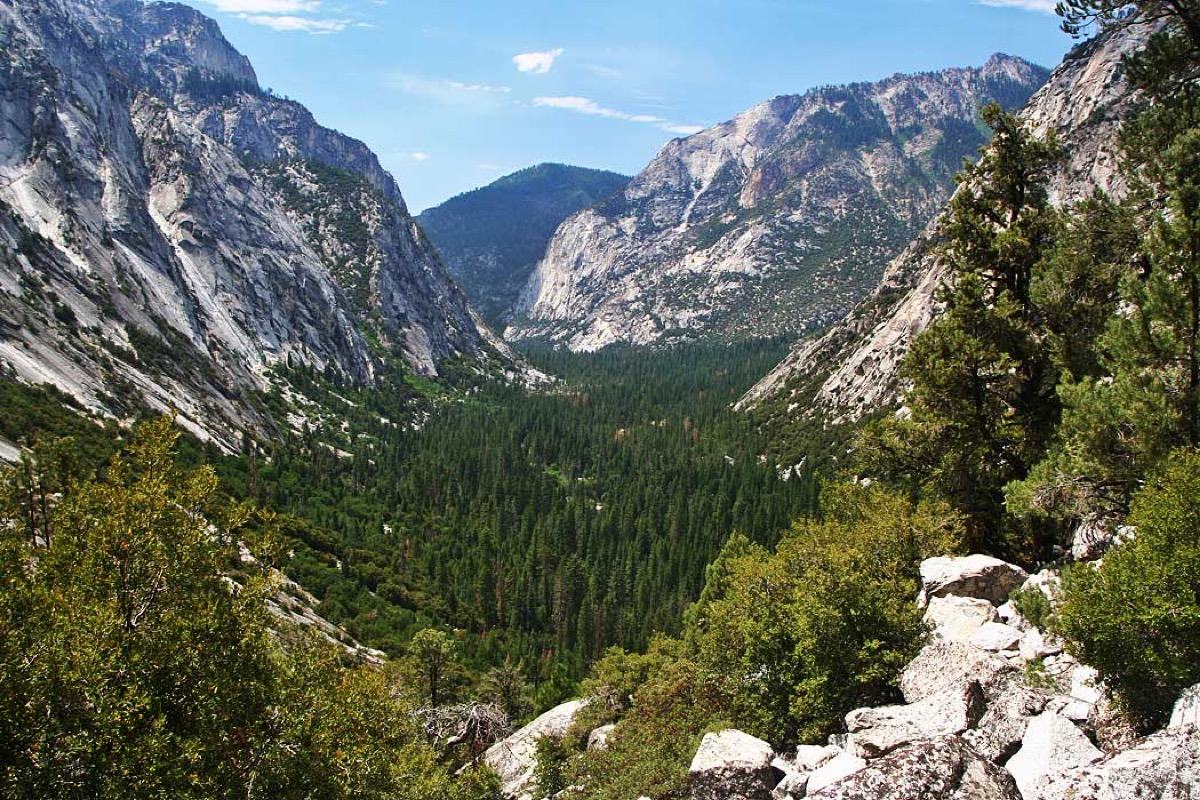
Sequoia & Kings Canyon National Parks
The giant sequoias here include General Sherman, the largest tree on Earth by volume, anchoring a forest where trunks exceed 30 feet wide.
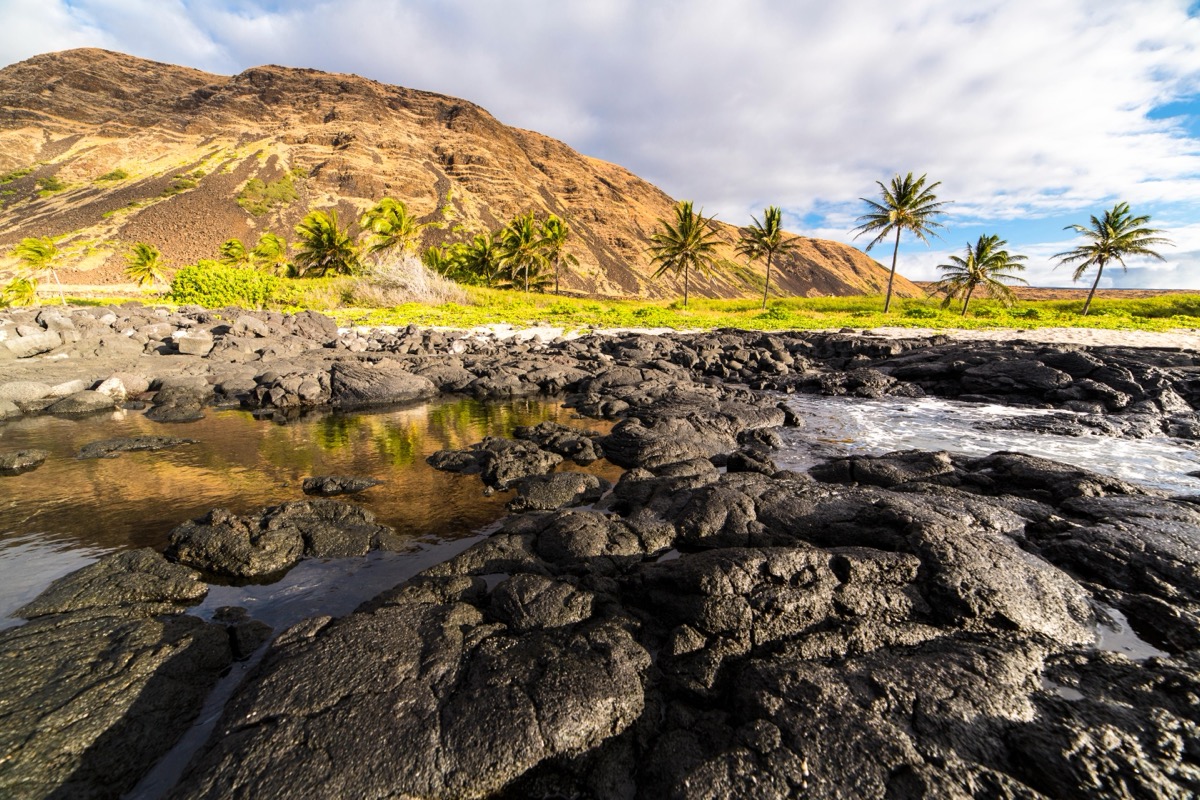
Hawaiʻi Volcanoes National Park
Two active volcanoes shape terrain from tide pools to alpine desert. Walk across recent lava flows and through rainforests on ancient rock.