Category Ranking
Best National Parks for Backpacking
Backpacking separates national parks from picnic grounds. These ten offer the terrain, solitude, and permit systems that reward the effort of carrying your shelter into roadless country.
Updated
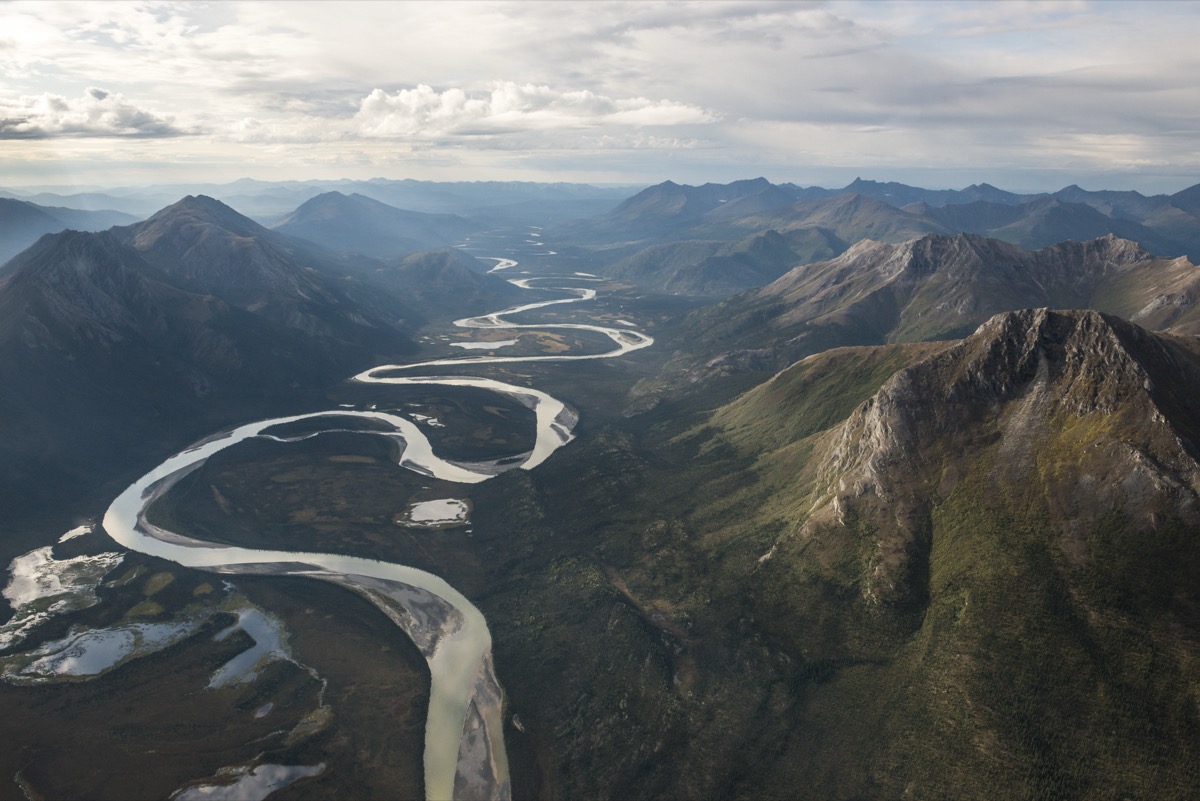
Gates Of The Arctic National Park & Preserve
No trails means every route is your own invention. The Arrigetch Peaks and Itkillik River corridors give backpackers six million acres where navigation skills matter more than guidebooks.
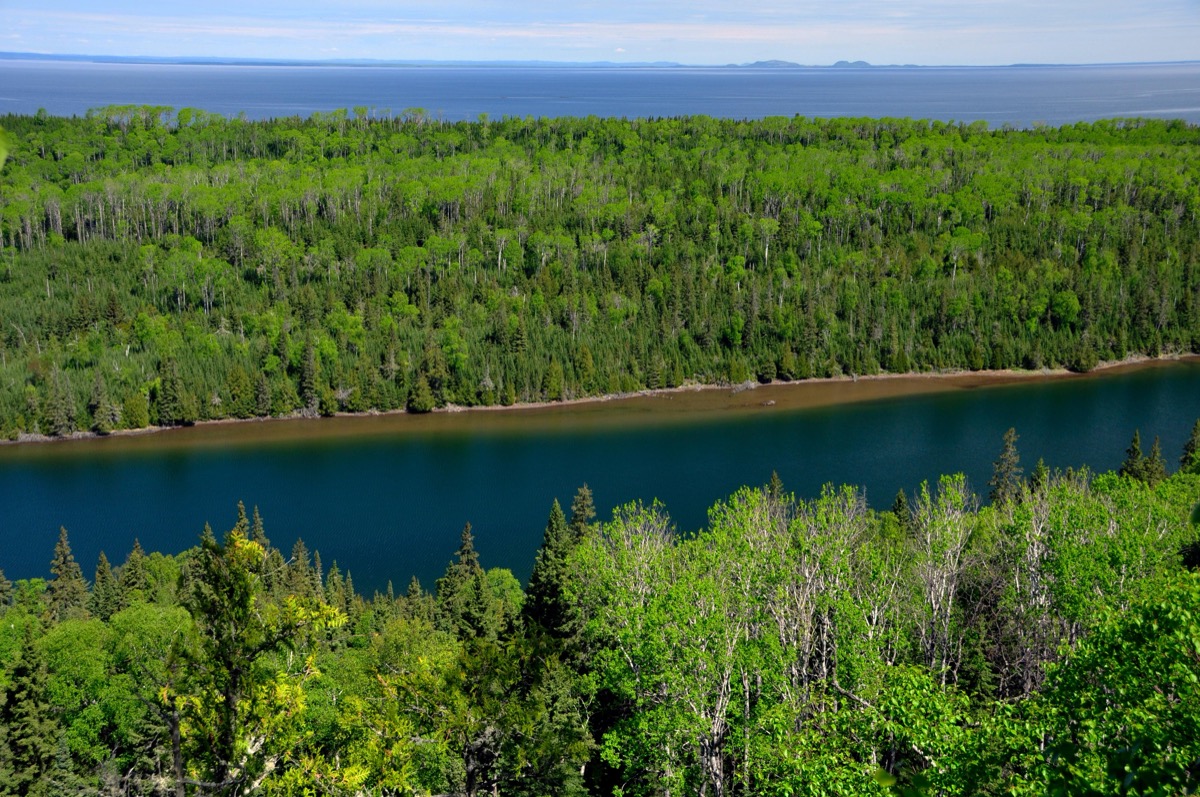
Isle Royale National Park
Lake Superior's isolation filters out casual visitors. The Greenstone Ridge and Minong Ridge trails connect thirty-six backcountry camps across an island where moose and wolves ignore tent poles.
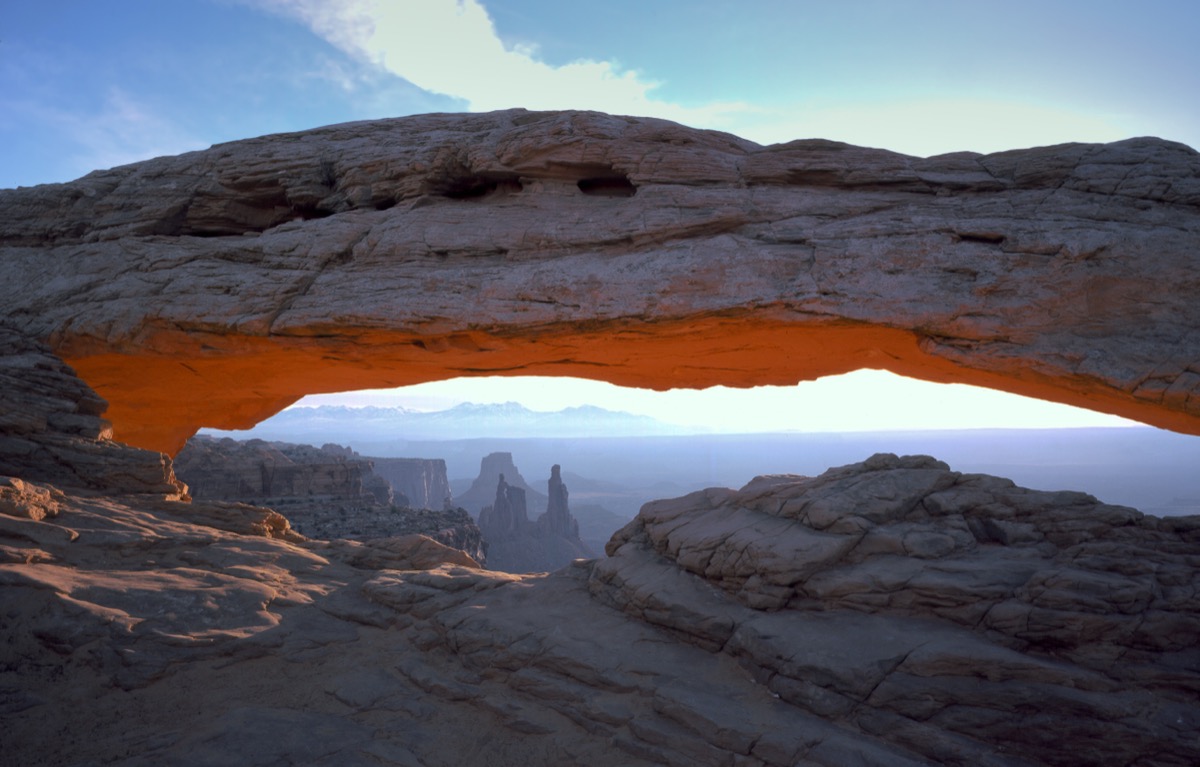
Canyonlands National Park
The Needles District spreads sixty miles of slot canyons and slickrock that reward backpackers willing to haul water. Chesler Park and the Joint Trail link into multi-day loops through sandstone mazes.
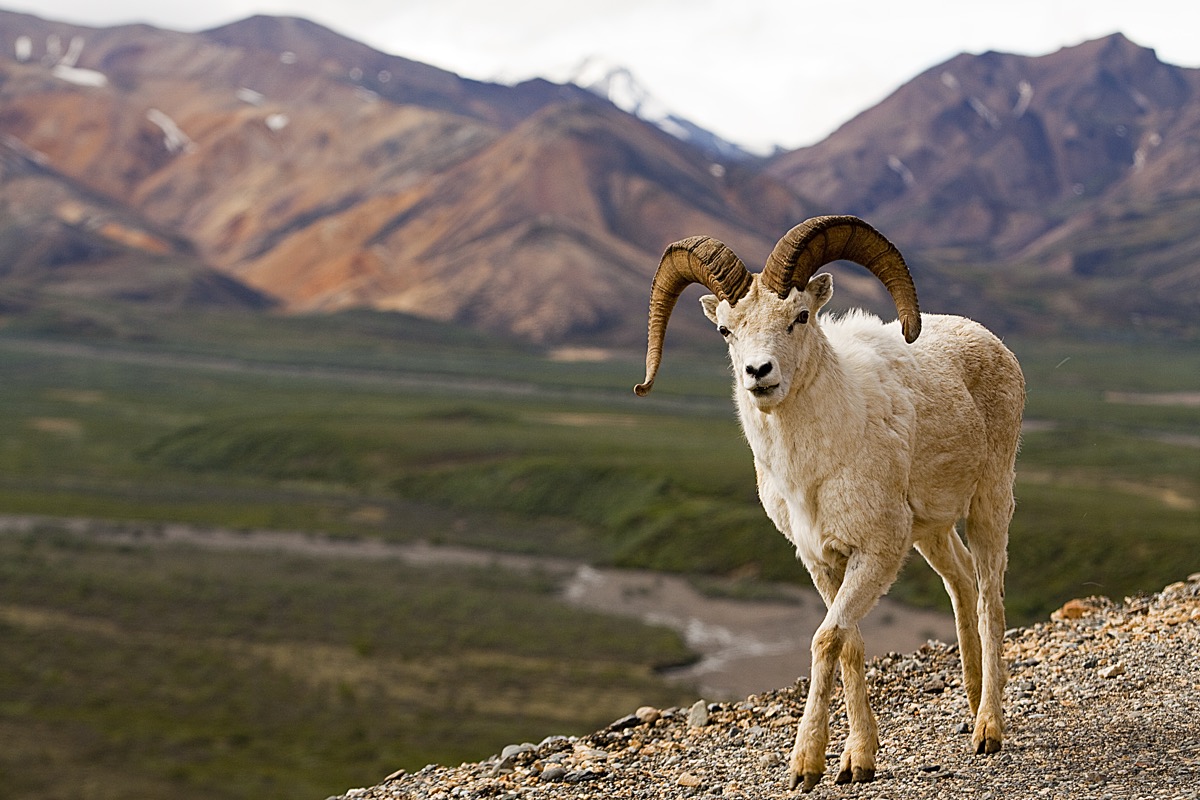
Denali National Park & Preserve
One park road, then tundra in all directions. Wonder Lake and the Toklat River basin offer backpackers alpine terrain where permits unlock routes most visitors never consider from the bus.
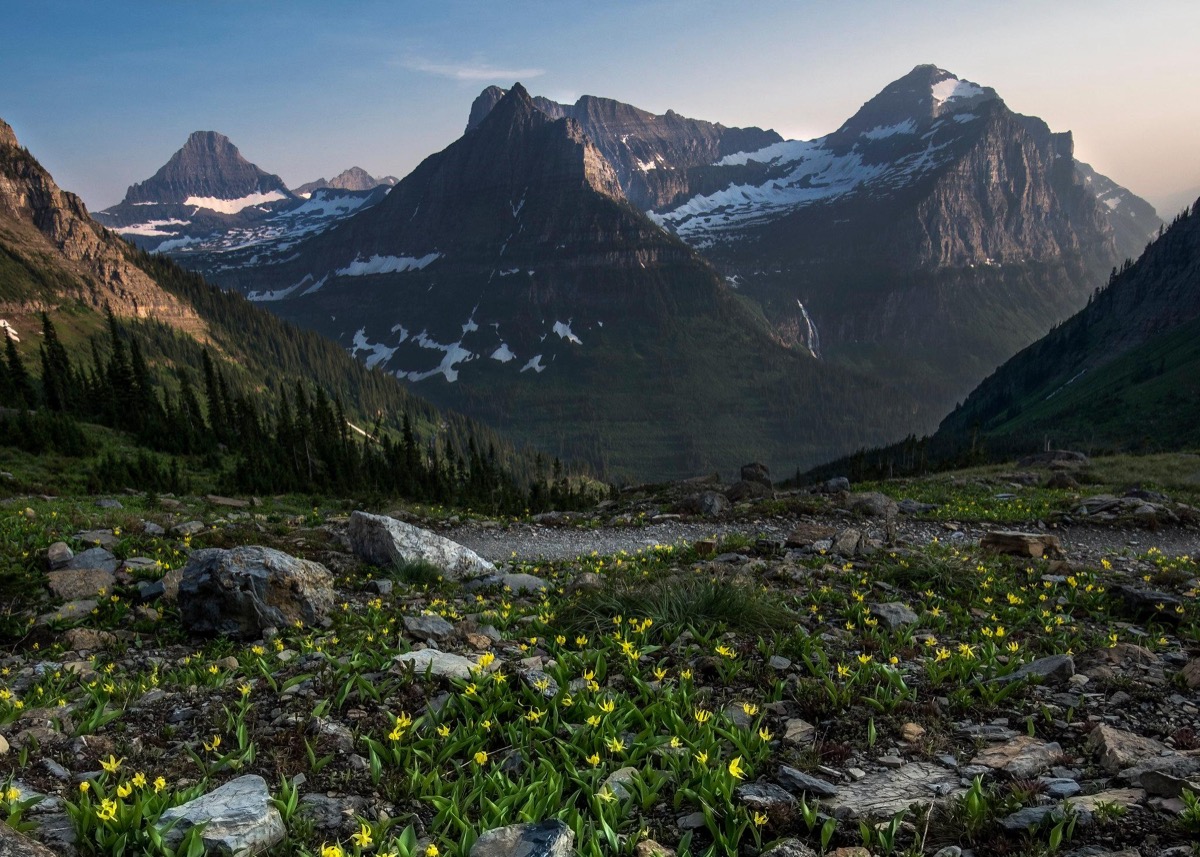
Glacier National Park
Seven hundred miles of trail connect fourteen backcountry camps in the Northern Rockies. Gunsight Pass and the Belly River corridor push backpackers through terrain where grizzlies have right-of-way.
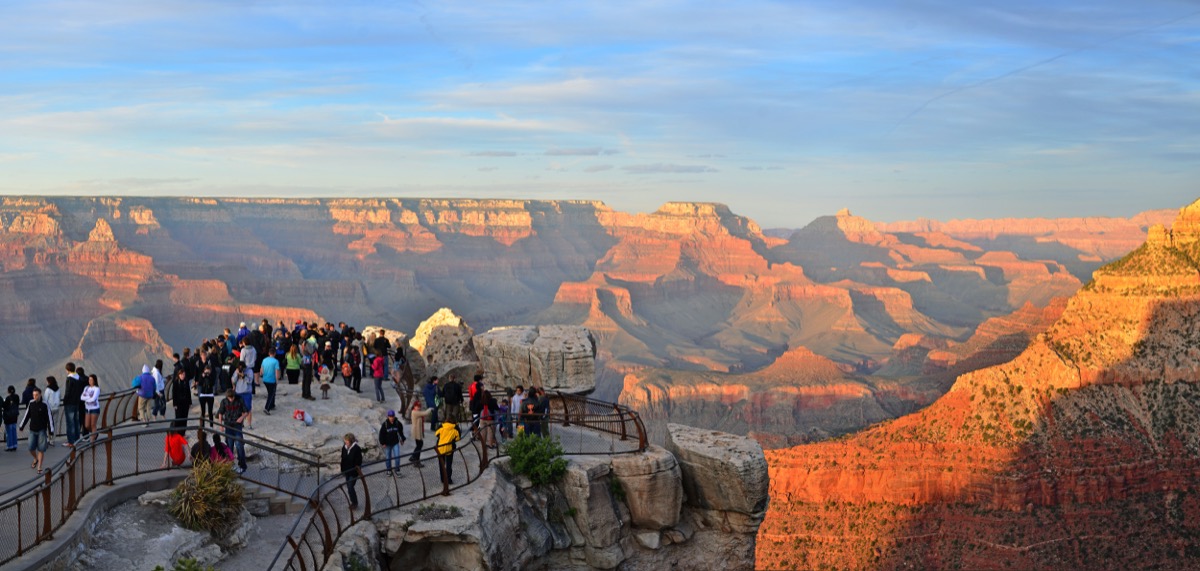
Grand Canyon National Park
Bright Angel and South Kaibab descend through two billion years of geology to backcountry camps along the Colorado River. Permits stay competitive because the canyon's depth turns day hikers back.
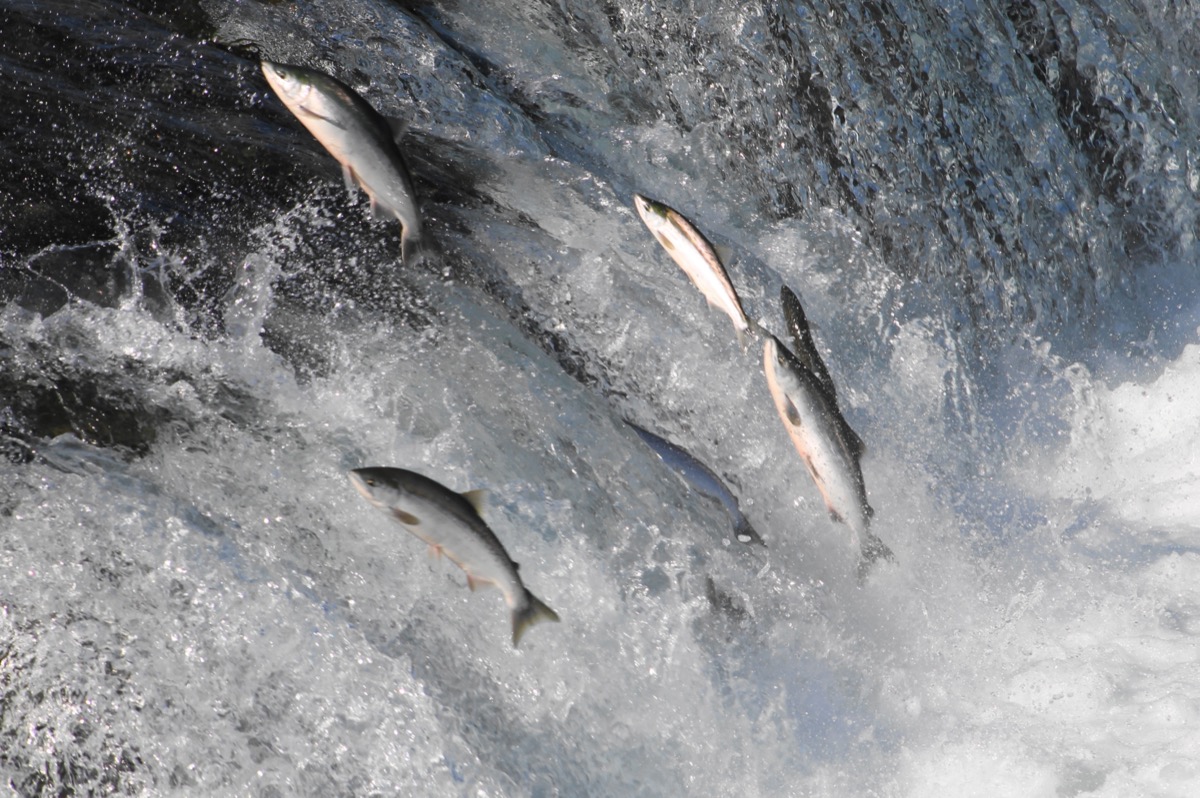
Katmai National Park & Preserve
Brooks Camp gets the bear-watchers. Backpackers head for the Valley of Ten Thousand Smokes and Naknek Lake's eastern shore, where volcanoes and tundra meet without boardwalks.
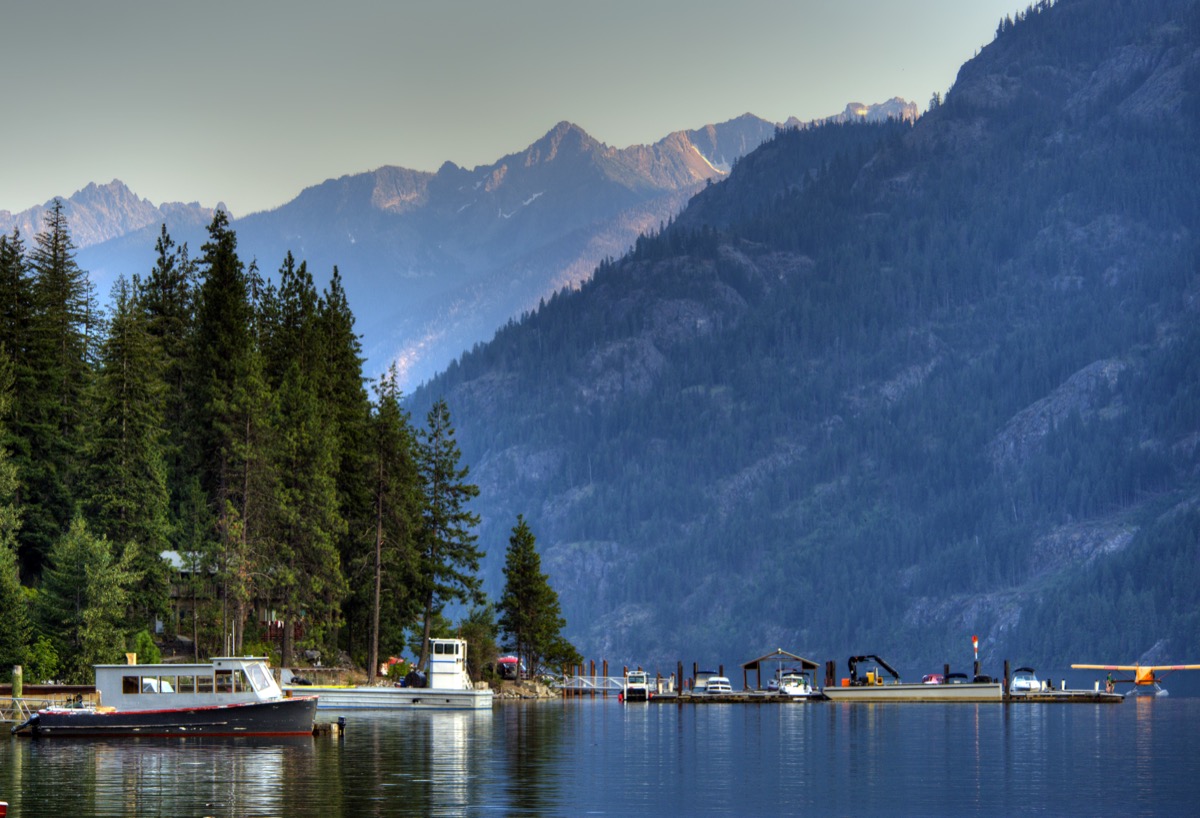
North Cascades National Park
Three hundred glaciers carve the Cascades into terrain that demands route-finding skills. Cascade Pass and the Copper Ridge backcountry zones give backpackers alpine lakes without the trailhead crowds.
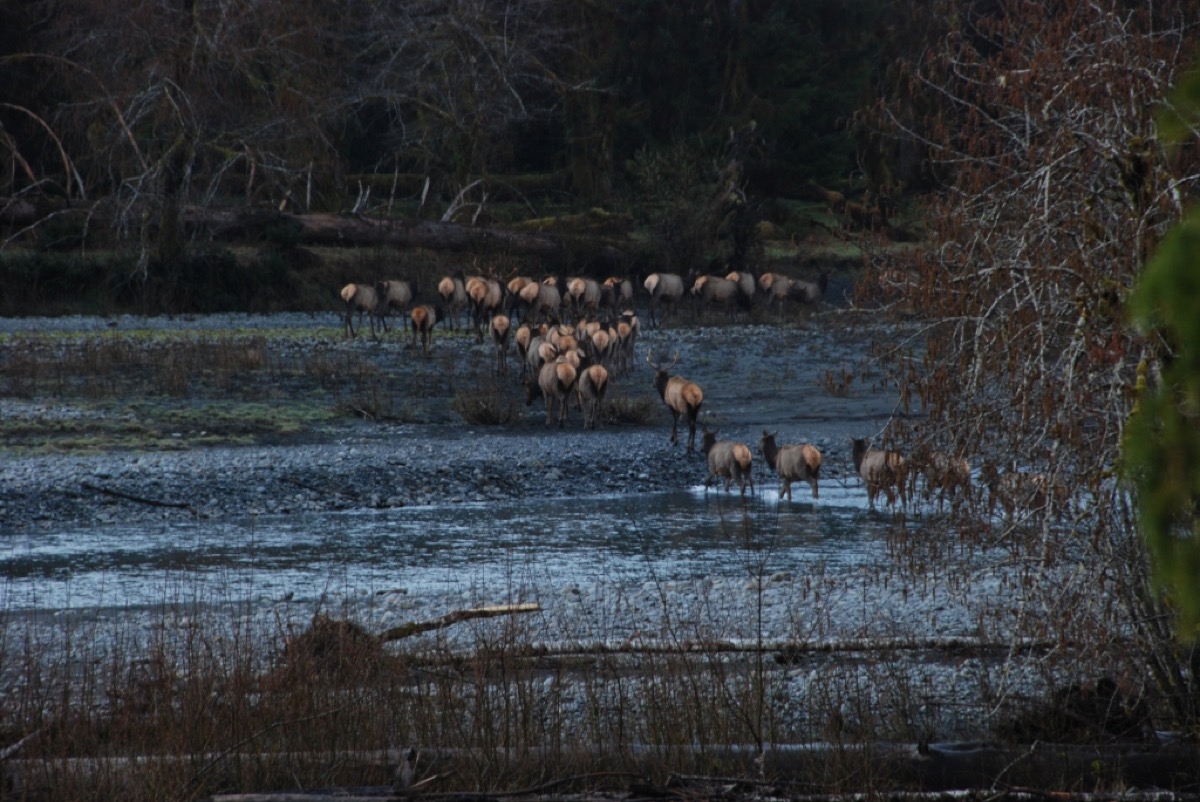
Olympic National Park
The Hoh River Trail climbs from temperate rainforest to Mount Olympus's glaciers. Ozette Triangle and High Divide loops connect forest, alpine, and coastal backcountry across ecosystems most ranges never combine.
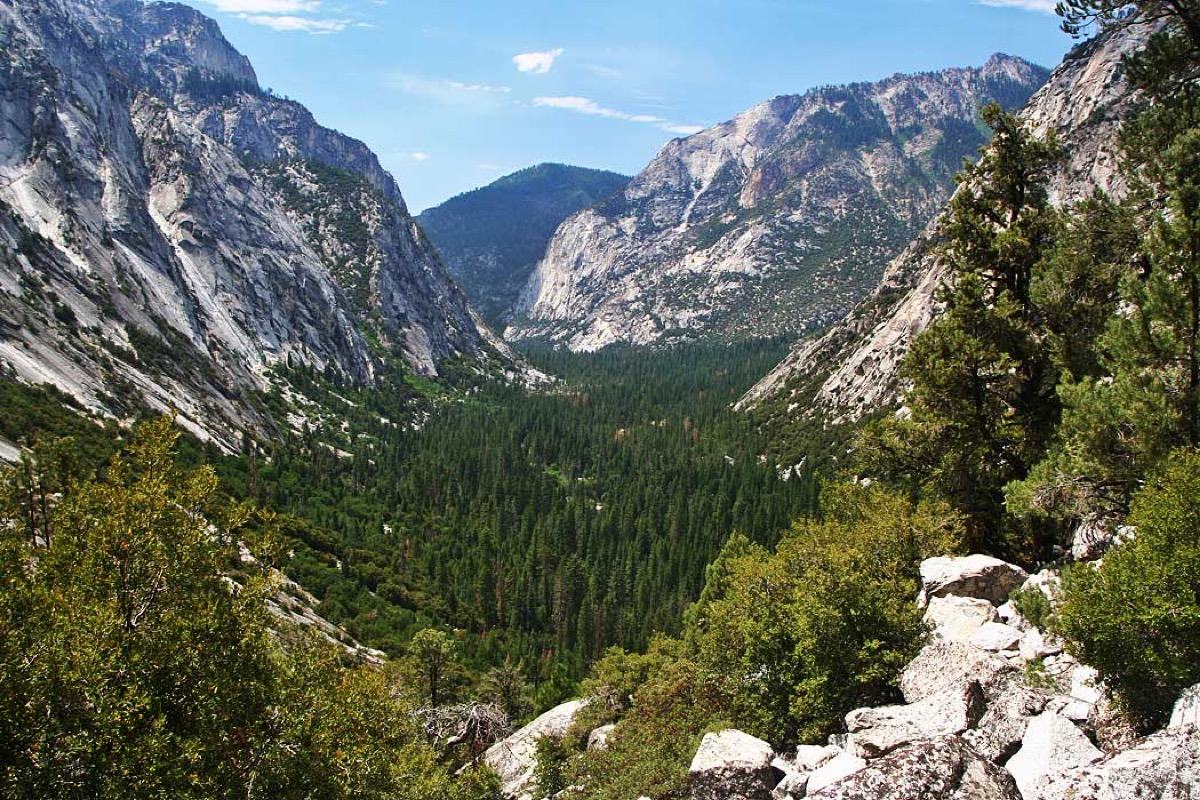
Sequoia & Kings Canyon National Parks
The High Sierra Trail and Rae Lakes Loop push backpackers above ten thousand feet through granite basins where giant sequoias give way to alpine lakes. Seven hundred miles of trail spread the permit load.
Frequently Asked Questions
- Which national parks have the best backcountry trail networks?
- Gates of the Arctic offers trackless wilderness navigation, while Isle Royale provides established backcountry routes across an island archipelago. Glacier maintains over five hundred miles of maintained backcountry trails with designated campsites.
- Where can I find true solitude on a backpacking trip?
- Gates of the Arctic and Isle Royale see fewer visitors than most city parks. Canyonlands' backcountry districts require permits that limit encounters, and Denali restricts group sizes to preserve the wilderness experience.
- Do I need a permit for backpacking in these parks?
- All five require backcountry permits. Isle Royale and Gates of the Arctic limit daily entries. Canyonlands uses a zone system. Denali and Glacier require advance reservations during peak season, with some walk-up availability.
- What makes Gates of the Arctic different from other backpacking destinations?
- No trails, no campgrounds, no cell service, and no maintained infrastructure. Navigation requires map and compass skills. The park receives fewer annual visitors than Yellowstone sees in a single summer day.