Category Ranking
Best National Parks for Experienced Hikers
This ranking measures terrain difficulty, elevation gain, and backcountry route quality. The top parks reward those who carry their own water, navigate without blazes, and earn views most visitors never reach.
Updated
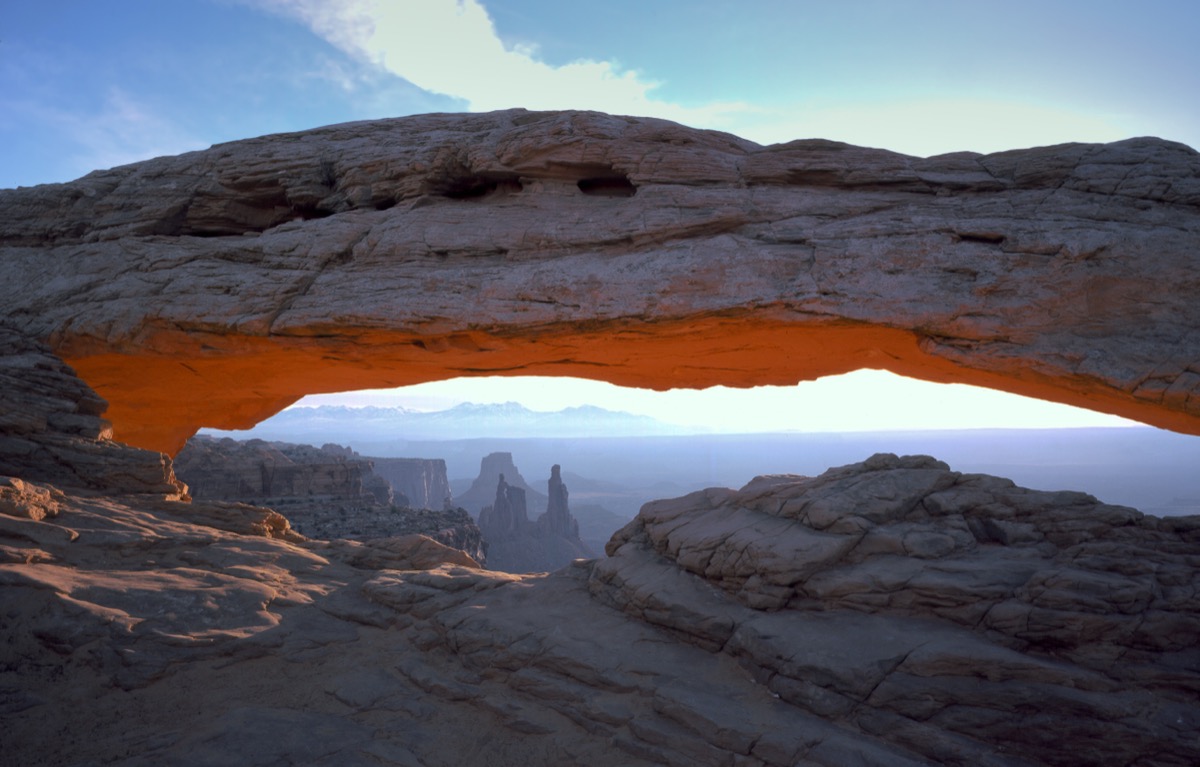
Canyonlands National Park
The Needles District's cairn routes and The Maze's slot canyons demand navigation skills most parks don't require. You'll carry water between sources days apart and scramble ledges where a wrong turn costs hours.
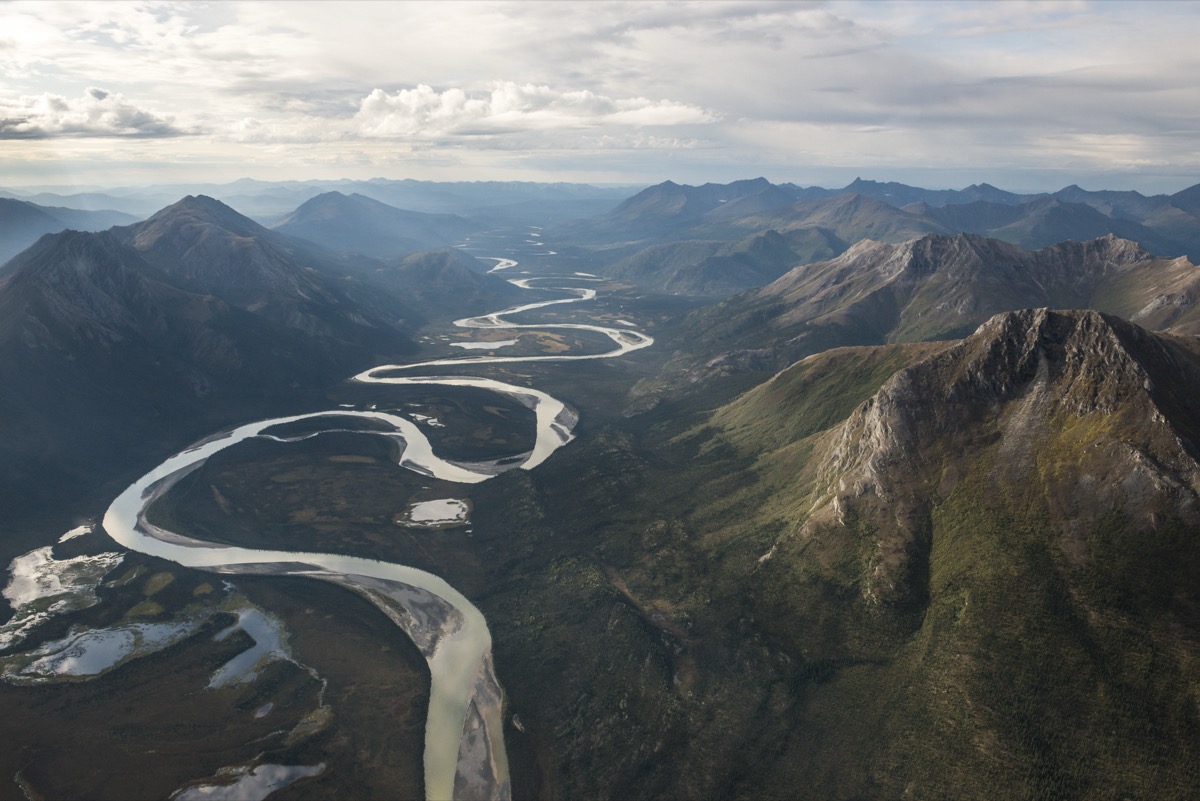
Gates Of The Arctic National Park & Preserve
No trails exist because the Brooks Range doesn't need them. You'll follow caribou routes through valleys where river crossings and weather decisions separate prepared backpackers from rescued ones.
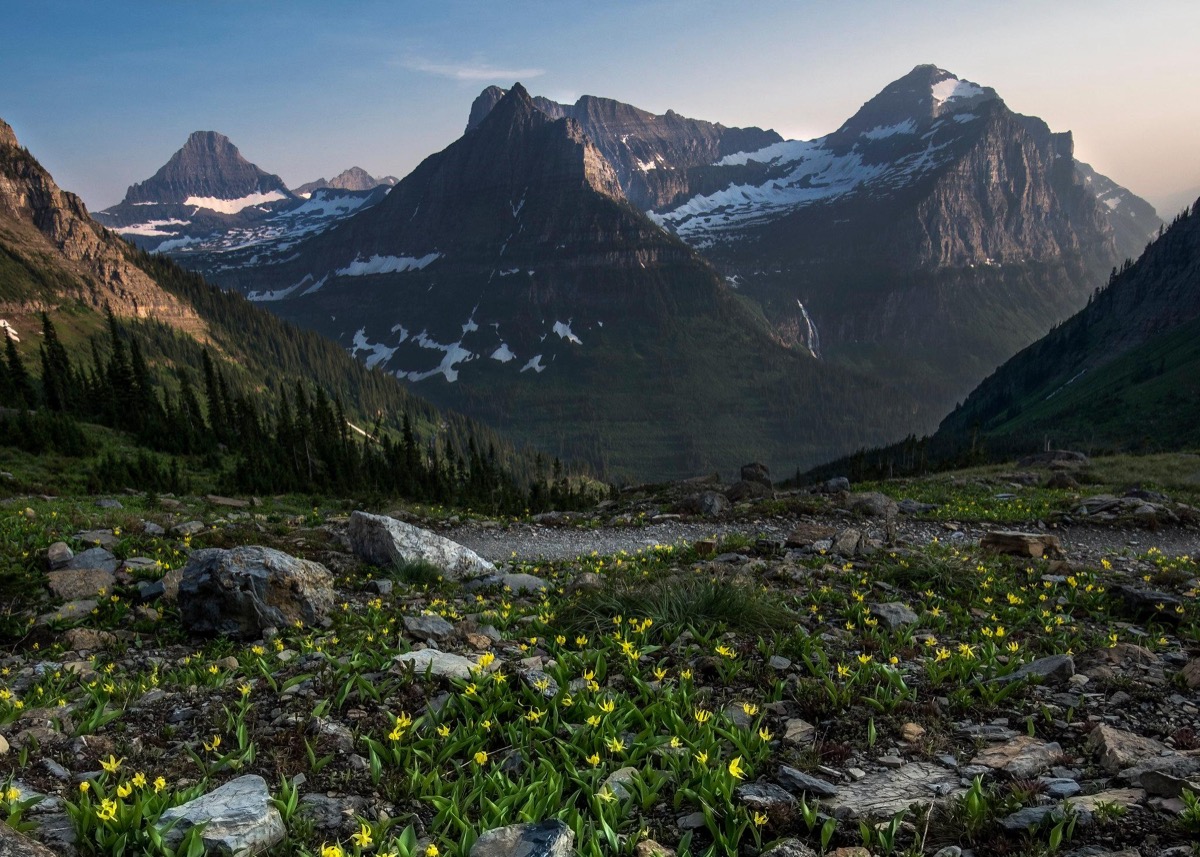
Glacier National Park
Seven hundred miles of trail include routes like Gunsight Pass where you gain elevation equal to stacking the Empire State Building three times. Grizzly country adds a layer most alpine parks skip.
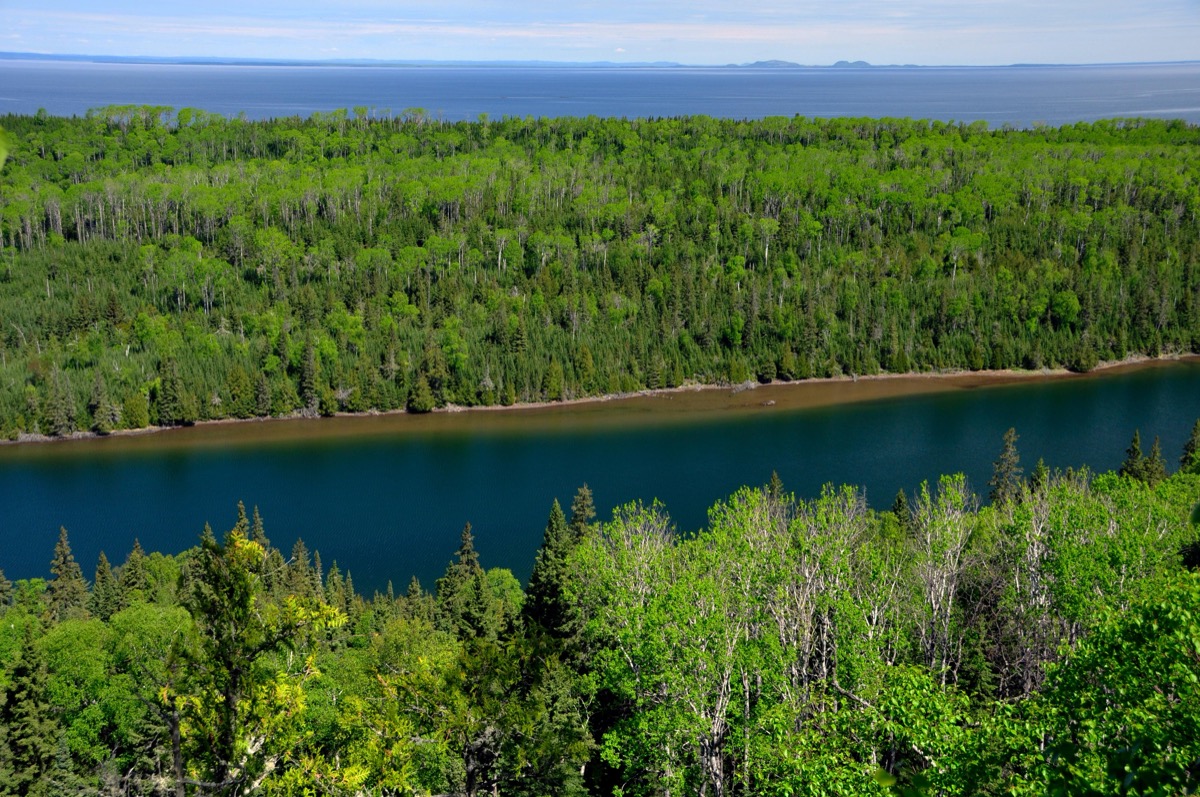
Isle Royale National Park
Greenstone Ridge and Minong Ridge demand twenty-eight miles of commitment across an island where the ferry schedule sets your exit date. Rocky shorelines and exposed ridges separate casual hikers from distance-ready backpackers.
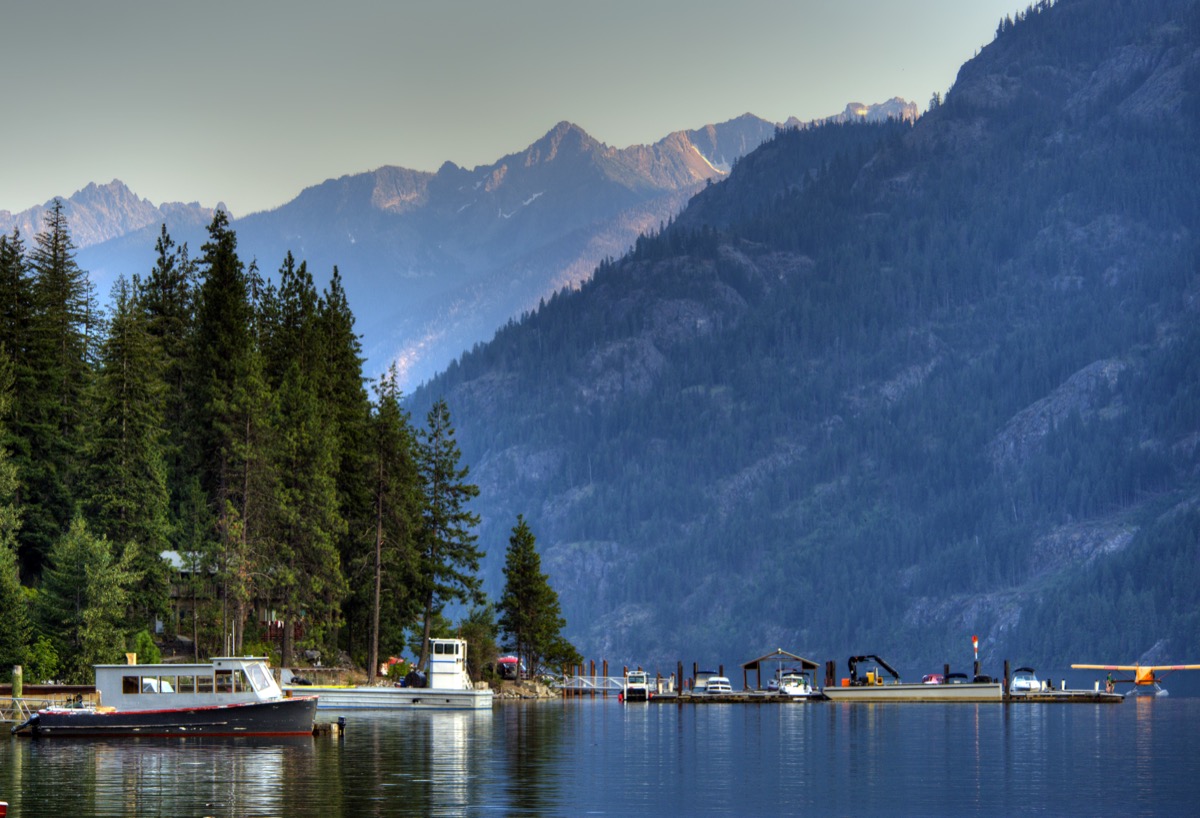
North Cascades National Park
Three hundred glaciers carve terrain where routes like Mount Shuksan demand scrambling skills and Cascade Pass leads to backcountry most never attempt. The North Cascades Highway closes half the year for a reason.
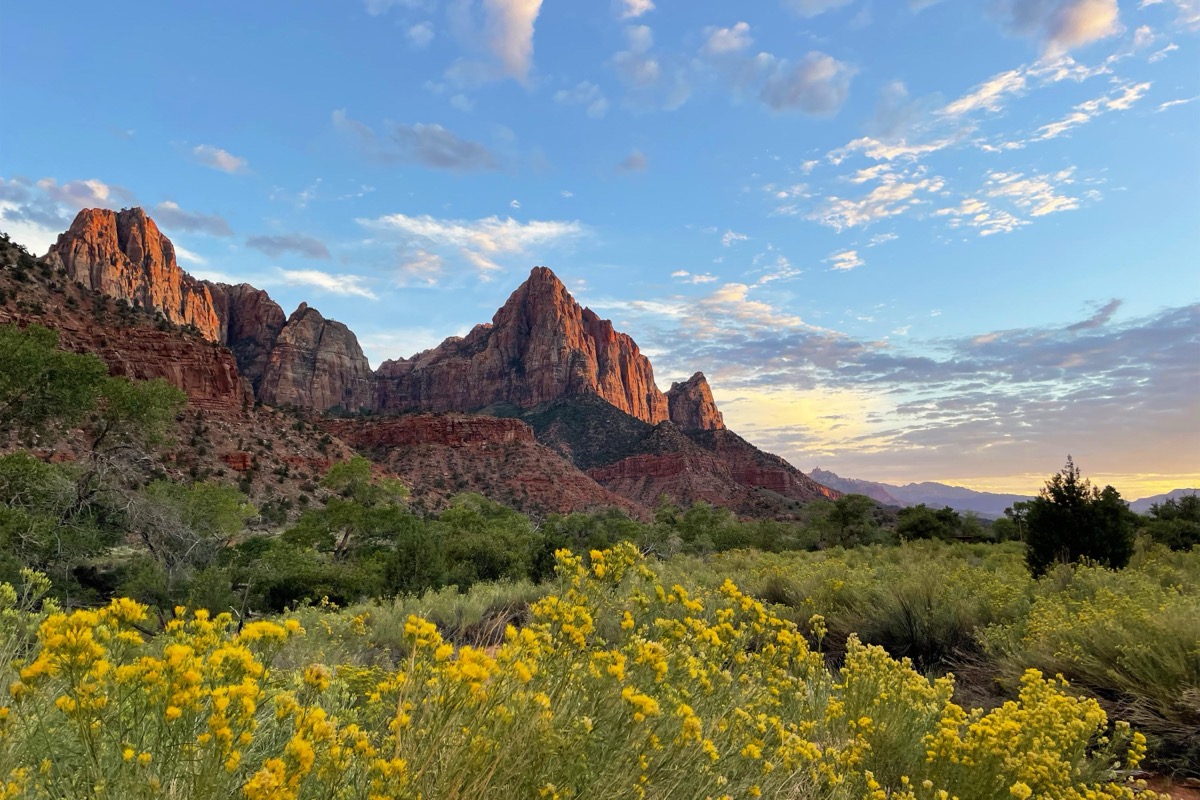
Zion National Park
Angels Landing's chain section and The Narrows' chest-deep wades draw crowds, but routes like Observation Point via East Mesa deliver elevation gain that matches the Burj Khalifa's height without the spectators.
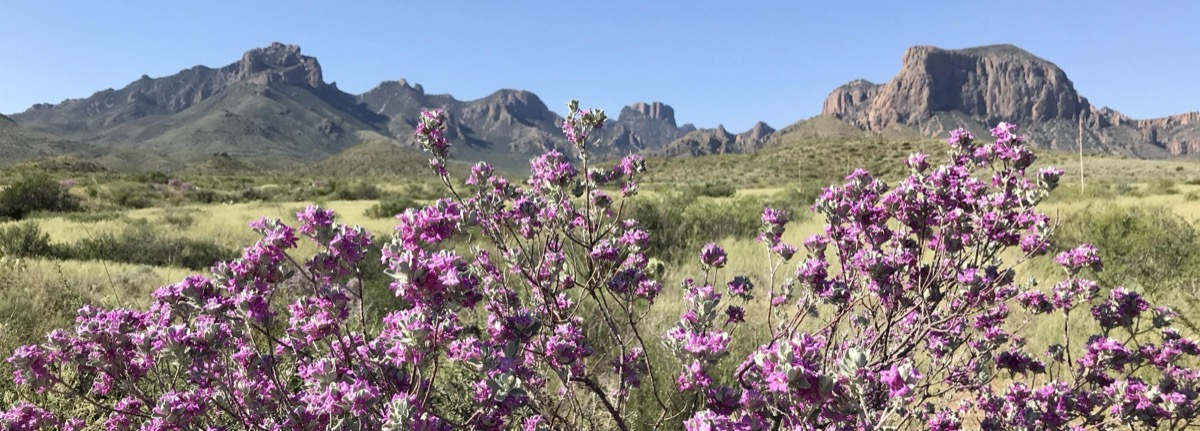
Big Bend National Park
Emory Peak climbs through desert where summer temperatures reach levels that close trails. The Chisos Mountains reward those who start before dawn and carry twice the water they think they need.
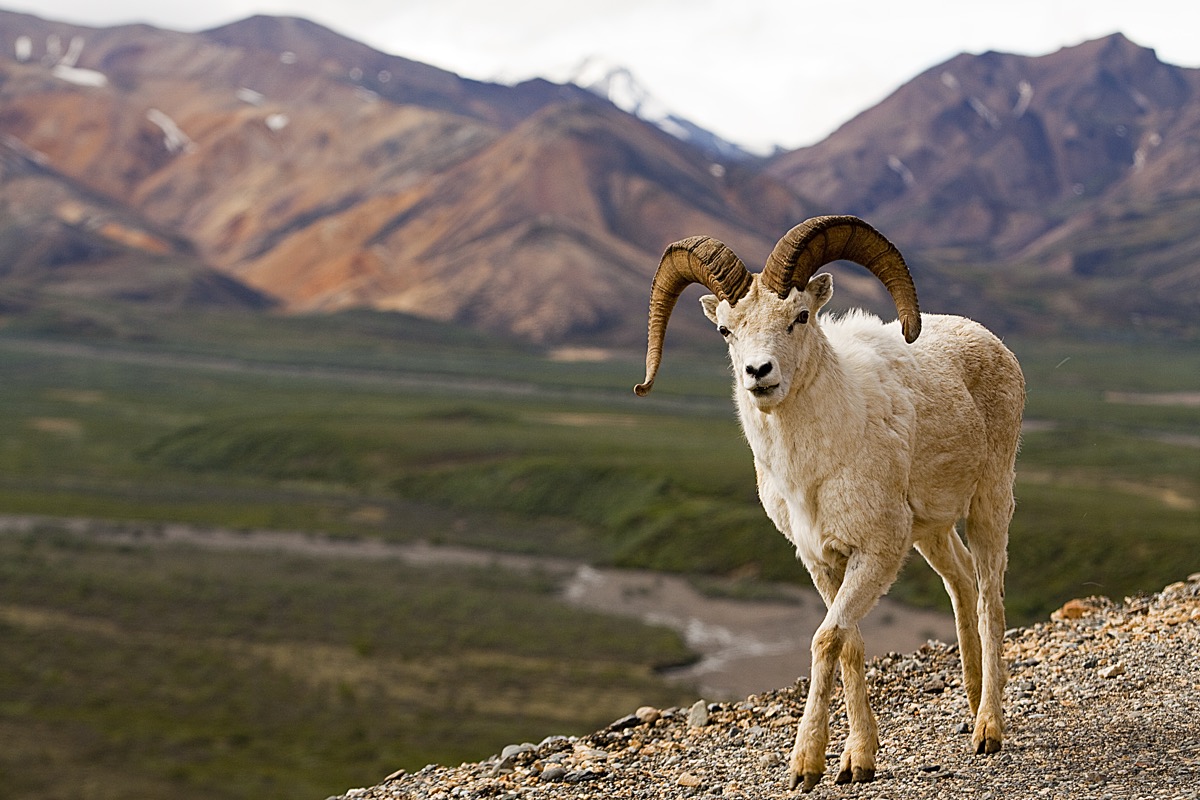
Denali National Park & Preserve
Denali's backcountry units allow off-trail hiking where you navigate by topography and weather windows. Grizzlies, river crossings, and the Alaska Range's scale filter casual hikers at the trailhead.
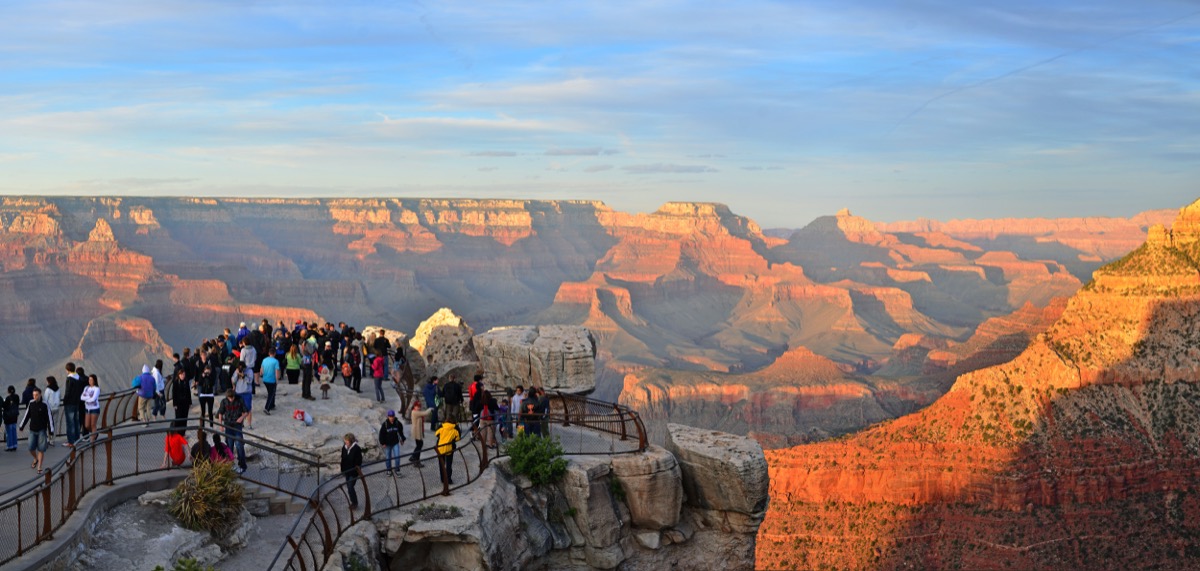
Grand Canyon National Park
Bright Angel Trail drops a vertical mile to the Colorado River, and most attempt it without training for the climb back. Rim-to-rim routes separate day hikers from those who understand desert elevation.
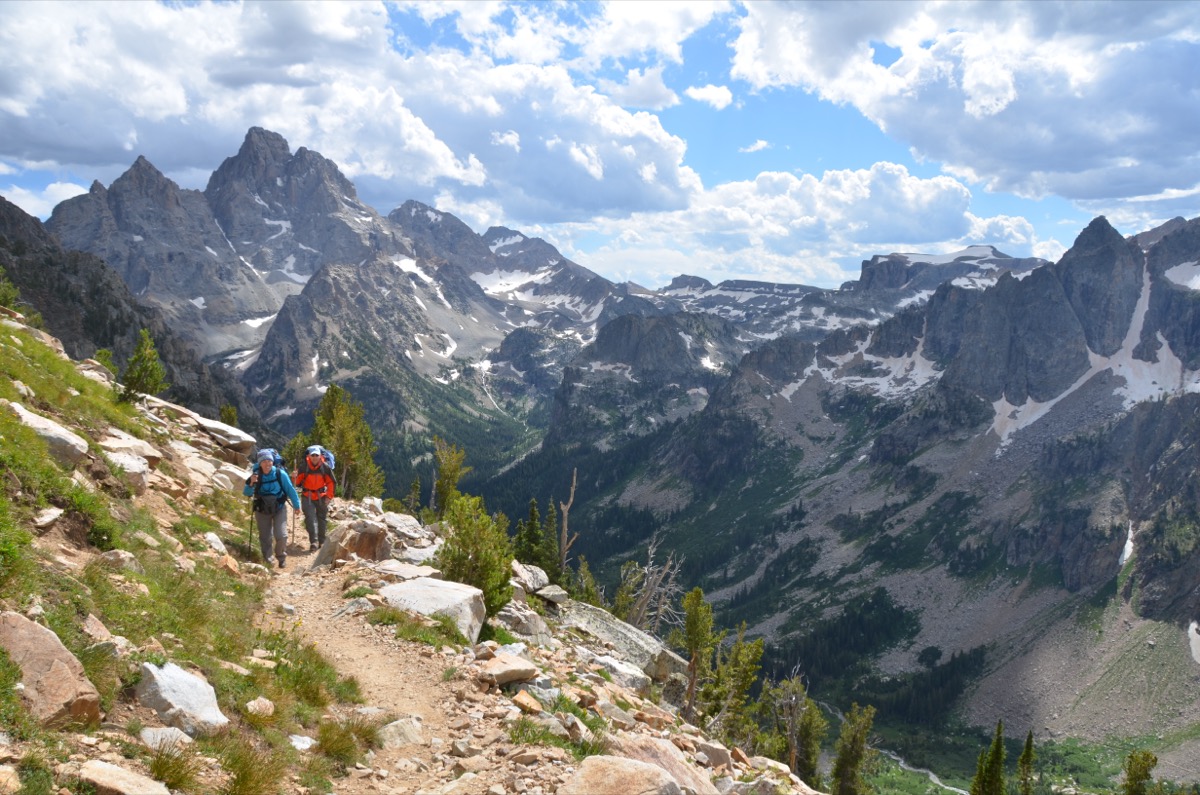
Grand Teton National Park
The Teton Crest Trail climbs past thirteen peaks topping twelve thousand feet. Routes like Grand Teton demand alpine experience where weather changes faster than most summits allow.
Frequently Asked Questions
- Which national park has the most challenging backcountry trails?
- Gates of the Arctic offers unmarked wilderness routes where you navigate entirely by terrain. No maintained trails, no signage. Canyonlands and Isle Royale follow close behind with multi-day routes requiring route-finding skills.
- What's the best park for high-altitude hiking?
- North Cascades delivers sustained elevation gain on routes like Cascade Pass and Sahale Arm. Glacier offers comparable climbs across the Continental Divide, with passes topping out above the treeline.
- Can experienced hikers find solitude in popular parks?
- Canyonlands' Maze District and Isle Royale's western shore see fewer than a hundred visitors most days. North Cascades absorbs crowds across hundreds of miles of backcountry trails.
- Which parks require technical climbing skills?
- Gates of the Arctic demands river crossings and off-trail navigation through tundra and scree. The others reward strong conditioning and backcountry experience but don't require ropes or ice axes.