Category Ranking
Best National Parks for Fall Foliage
Where autumn paints the landscape in amber and crimson. This ranking weighs species diversity, color reliability, and the terrain that frames the show. The best displays combine hardwood forests with elevation—mountain ridges turn entire valleys into tapestries.
Updated
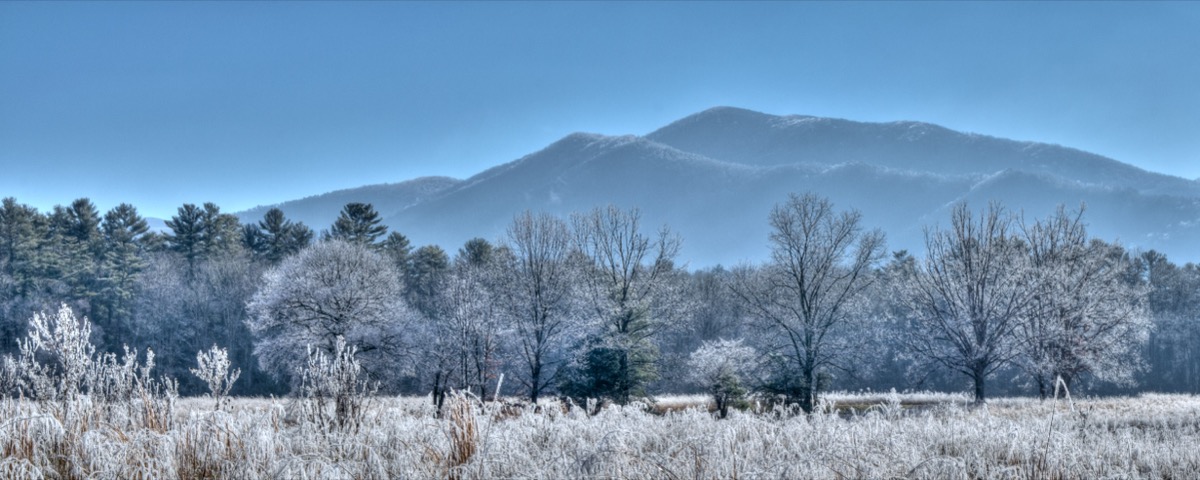
Great Smoky Mountains National Park
The Smokies own October. One hundred tree species turn on different schedules, stretching peak color across six weeks. Newfound Gap Road climbs through four forest zones—each one a different chapter of fall.
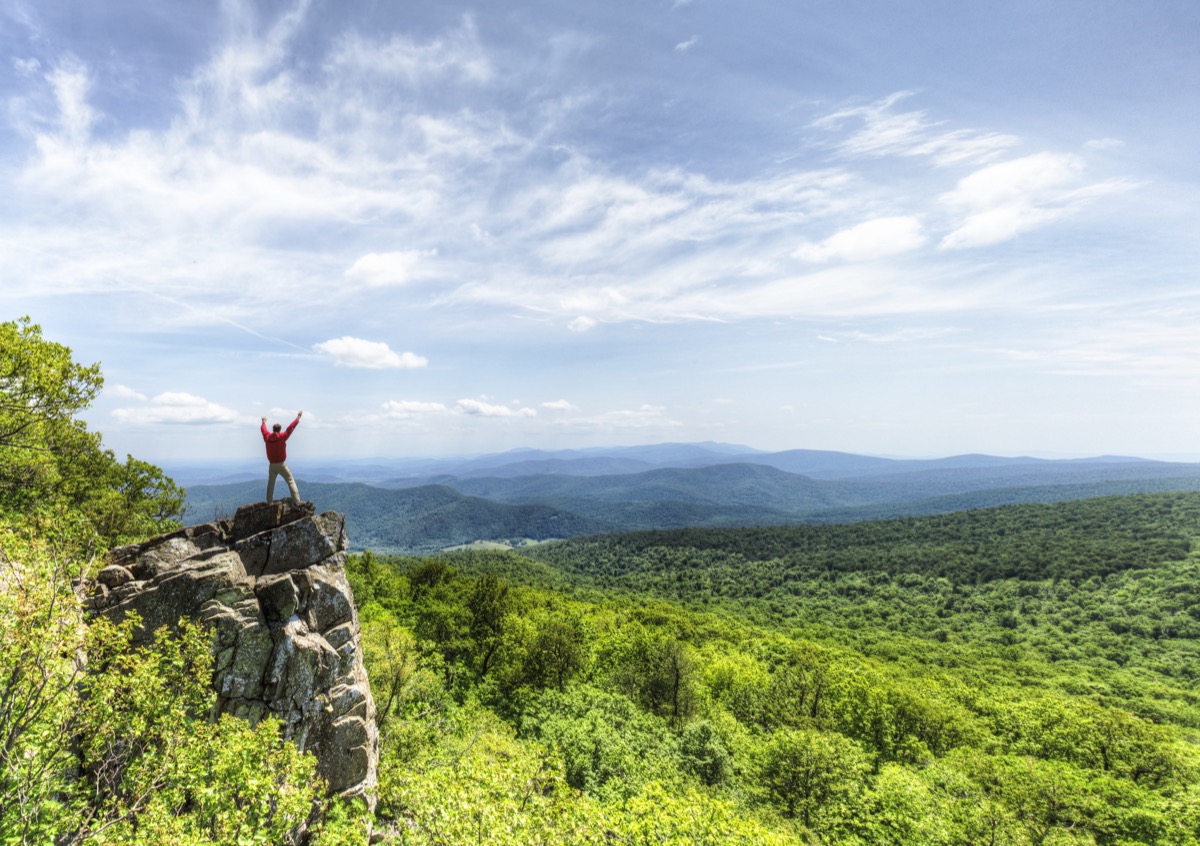
Shenandoah National Park
Skyline Drive's 105 miles turn into a ribbon through flame-colored ridges. Old Rag's granite summit frames the Piedmont below in rust and gold. The Blue Ridge peaks early—mid-October—and the whole corridor ignites at once.
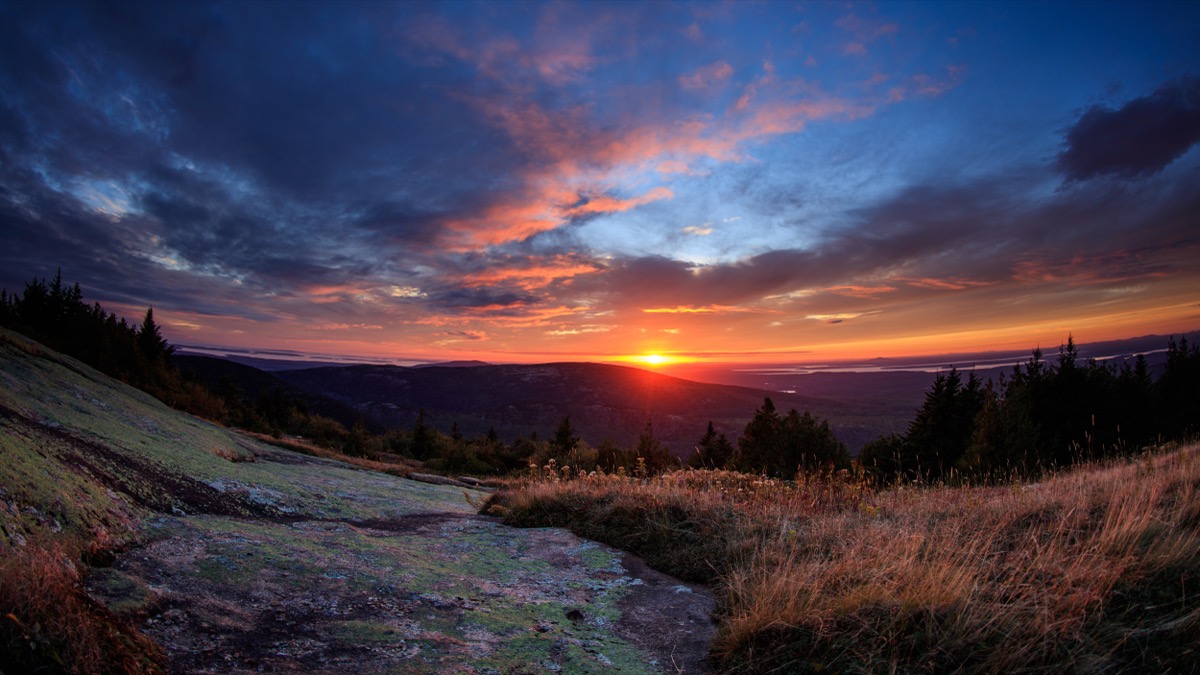
Acadia National Park
Maples and birches light up the granite coast in early October. Cadillac Mountain's summit offers the first sunrise in America framed by a sea of red and gold. The Park Loop Road winds through forests that glow against the Atlantic.
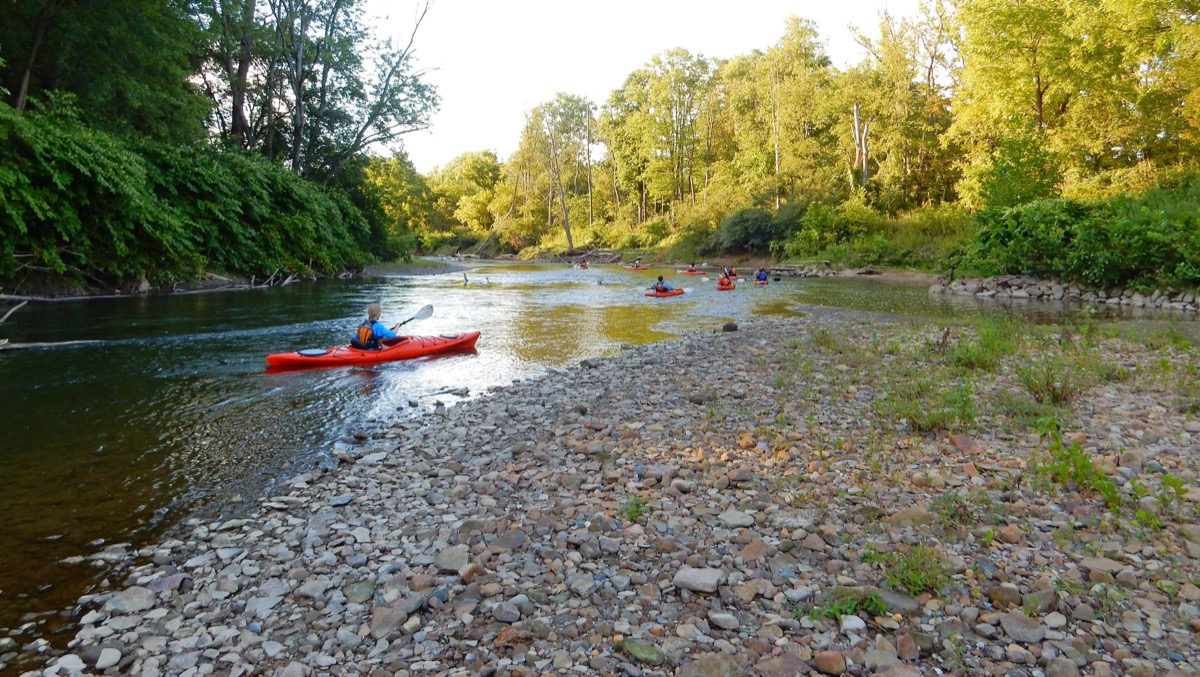
Cuyahoga Valley National Park
The Brandywine Gorge turns into a bowl of amber and copper. Two hundred fifty miles of trails cut through hardwood stands that peak in mid-October. The Towpath Trail follows the river through a tunnel of color.
Guadalupe Mountains National Park
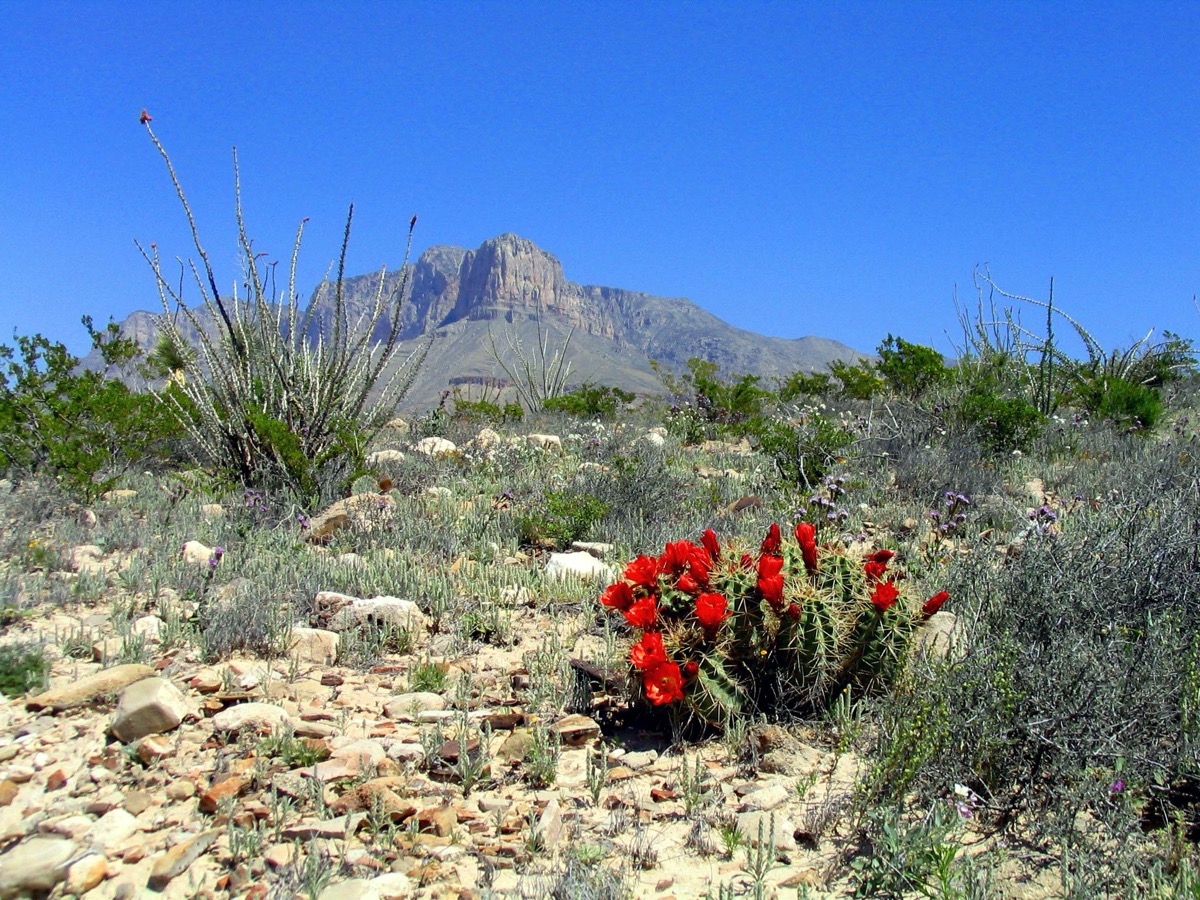
McKittrick Canyon holds Texas's best fall show. Bigtooth maples line the canyon floor in crimson and orange—a hidden grove in the Chihuahuan Desert. Late October through early November. The contrast with surrounding desert makes the color shock deeper.
New River Gorge National Park & Preserve
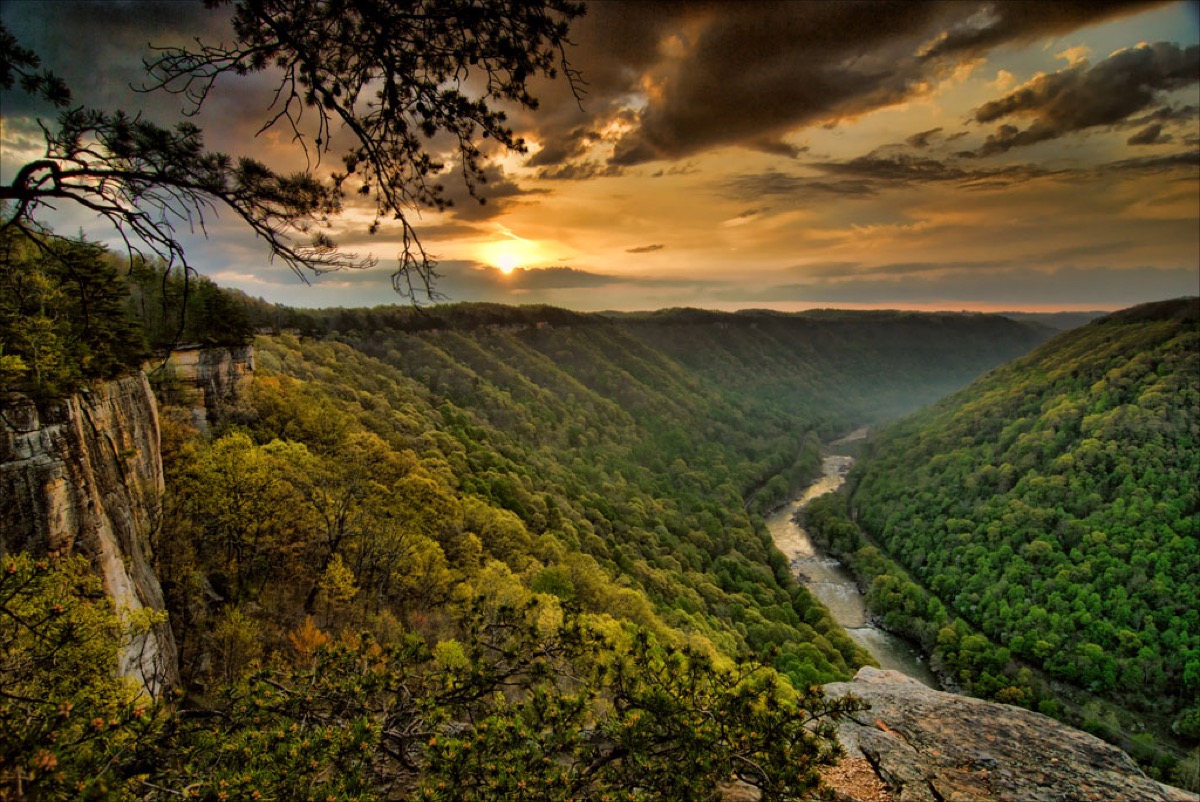
The New River Gorge becomes a 1,000-foot wall of color in October. The bridge walkway offers a view into the canyon's layers—each elevation a different shade. Grandview Overlook lives up to its name when the maples turn.
North Cascades National Park
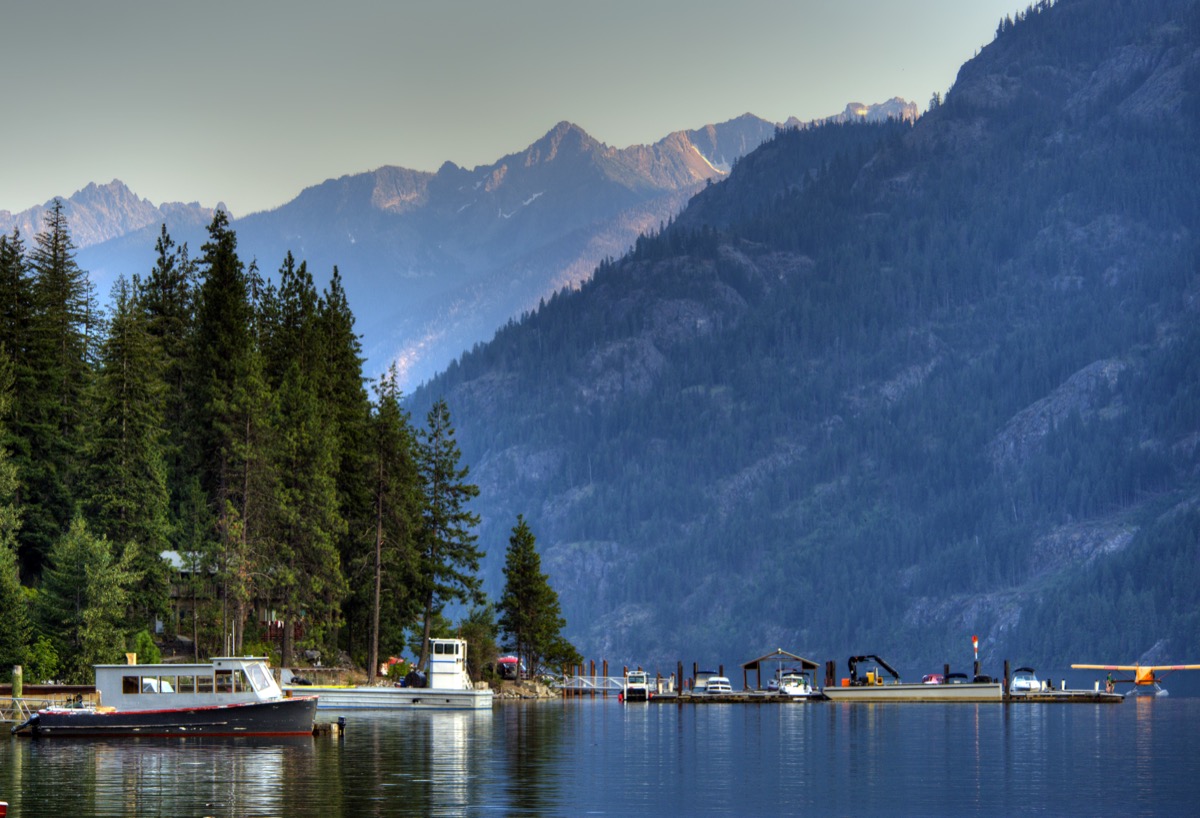
Larches—the deciduous conifers—turn the alpine slopes into gold in late September. Cascade Pass trails through groves that glow against glacier-carved granite. The window is short: two weeks before the first snow buries the needles.
Voyageurs National Park
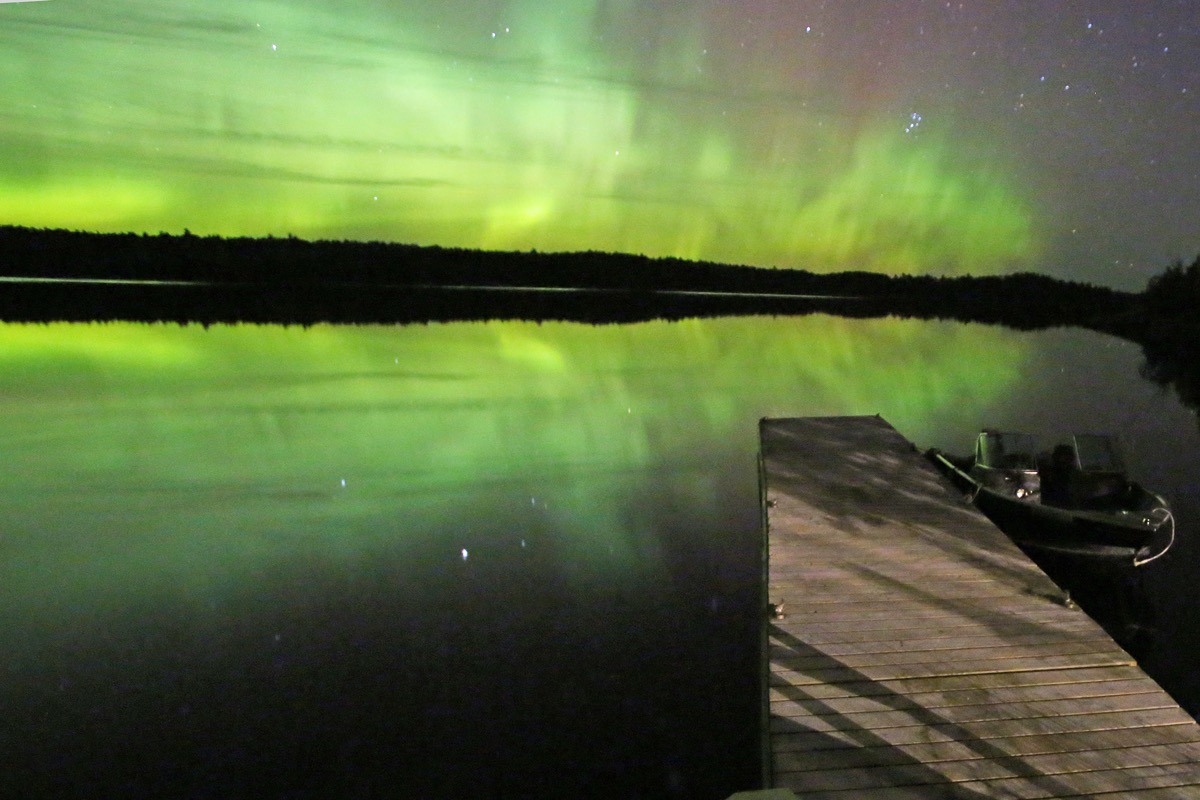
Boreal forests of birch and aspen turn the lake country into a sea of yellow and amber. Late September. The water reflects the canopy, doubling the show. Kayak through channels where both shores burn gold above you.
Congaree National Park
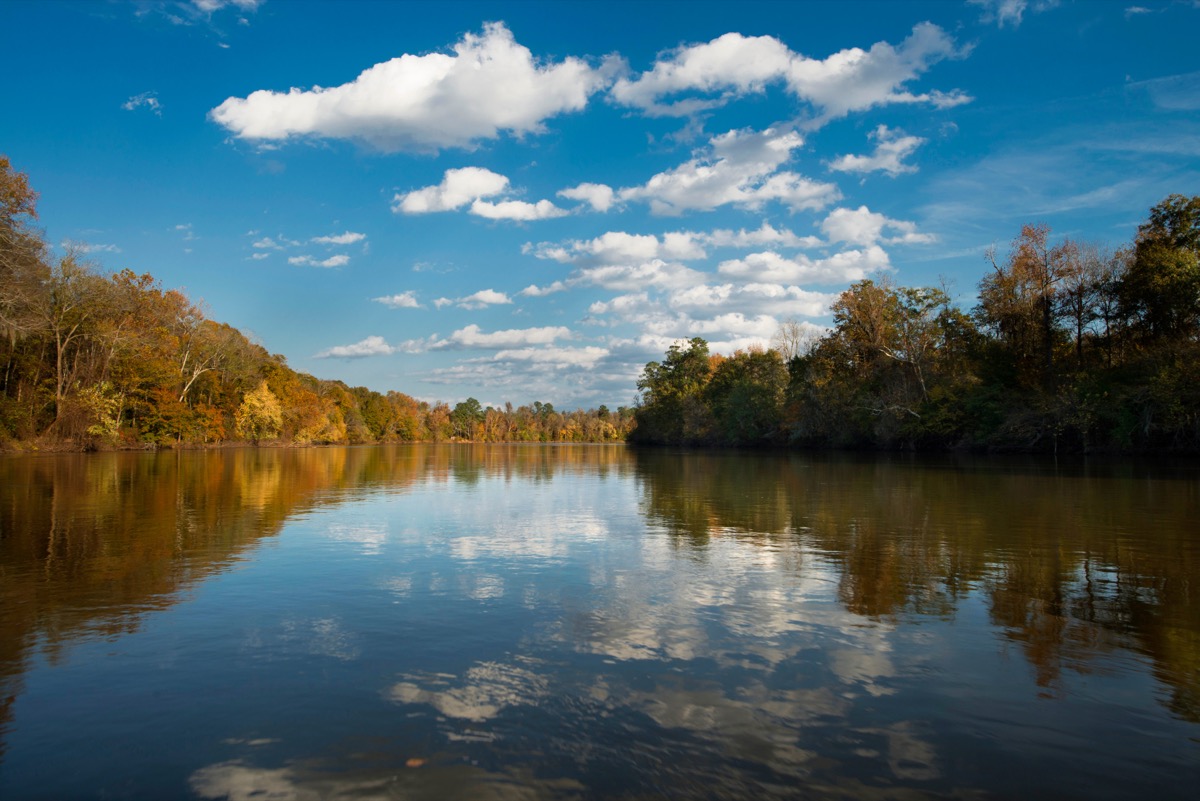
The bottomland hardwoods turn late—November into December. Tupelo and cypress shift from green to rust to crimson against the swamp. The Boardwalk Loop becomes a path through a cathedral of slow color in the Southeast's last old-growth forest.
Indiana Dunes National Park
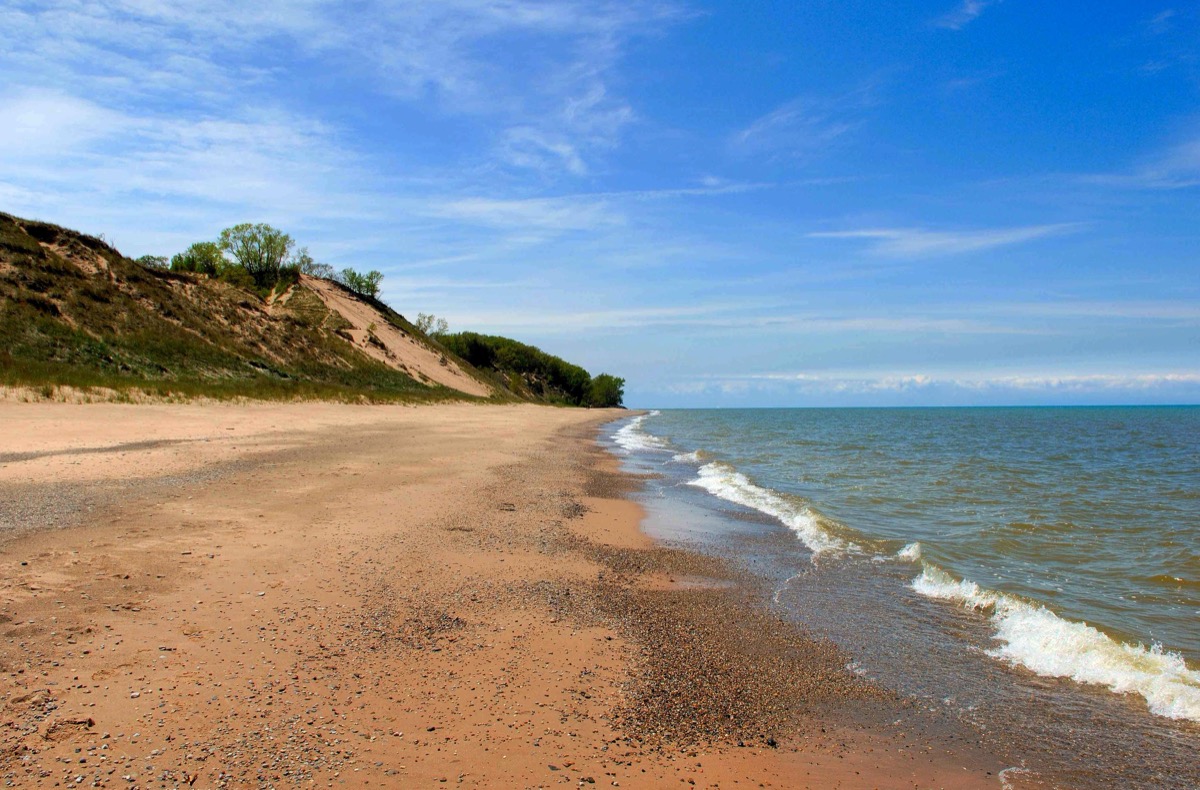
Lake Michigan's dunes frame oak and maple groves that turn in early October. The succession trail climbs through four forest types—each one a different palette. The contrast between beach, prairie, and forest makes the color sharper.
Frequently Asked Questions
- When is peak fall foliage in national parks?
- The calendar spreads from mid-September at high elevations to early November in the South. Great Smoky Mountains peaks in mid-October, Acadia runs late September through mid-October, and Guadalupe Mountains shows best color in late October.
- Which national park has the most diverse fall colors?
- Great Smoky Mountains leads with over a hundred tree species turning simultaneously. You'll find reds from maples, golds from birches and poplars, and burgundy from sourwoods, all against evergreen hemlock backdrops.
- Can you see fall foliage without strenuous hiking?
- Shenandoah runs Skyline Drive through 105 miles of ridge-top color. Cuyahoga Valley weaves scenic roads through river valleys. Acadia's Park Loop Road delivers ocean-and-forest views from the driver's seat.
- Do Western parks have good fall foliage?
- Guadalupe Mountains ranks fifth nationally despite its desert location. McKittrick Canyon turns bright gold with bigtooth maples in late October, a concentrated show that rivals Eastern forests for intensity if not scale.