Category Ranking
Best National Parks for First-Time Visitors
Some parks punish confusion. These reward it. Clear signage, paved viewpoints, campgrounds that take reservations, and infrastructure built for millions. Ranked by how well parks forgive first-timer mistakes.
Updated
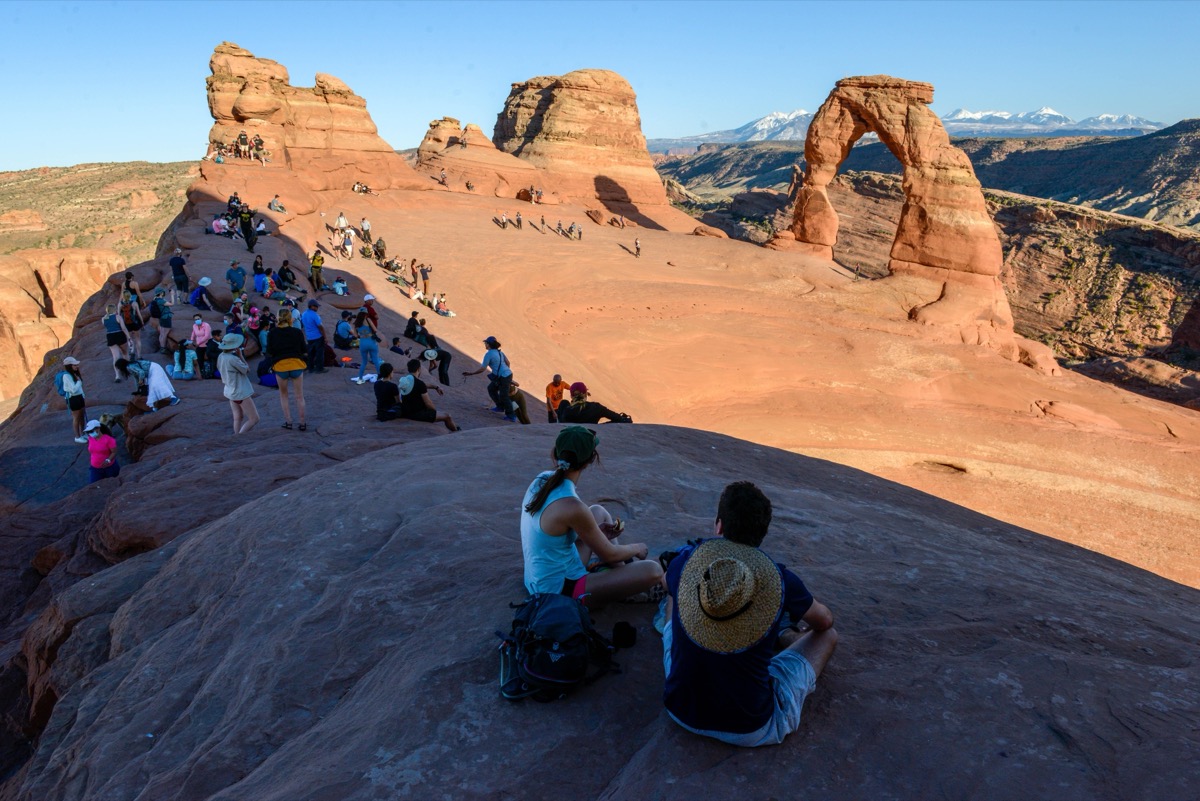
Arches National Park
Every major formation sits within a mile of pavement. Park Avenue welcomes you with a flat two-mile stroll between sandstone skyscrapers, Balanced Rock stands roadside, and even Delicate Arch—the icon that appears on Utah license plates—follows a single marked trail with no navigation required.
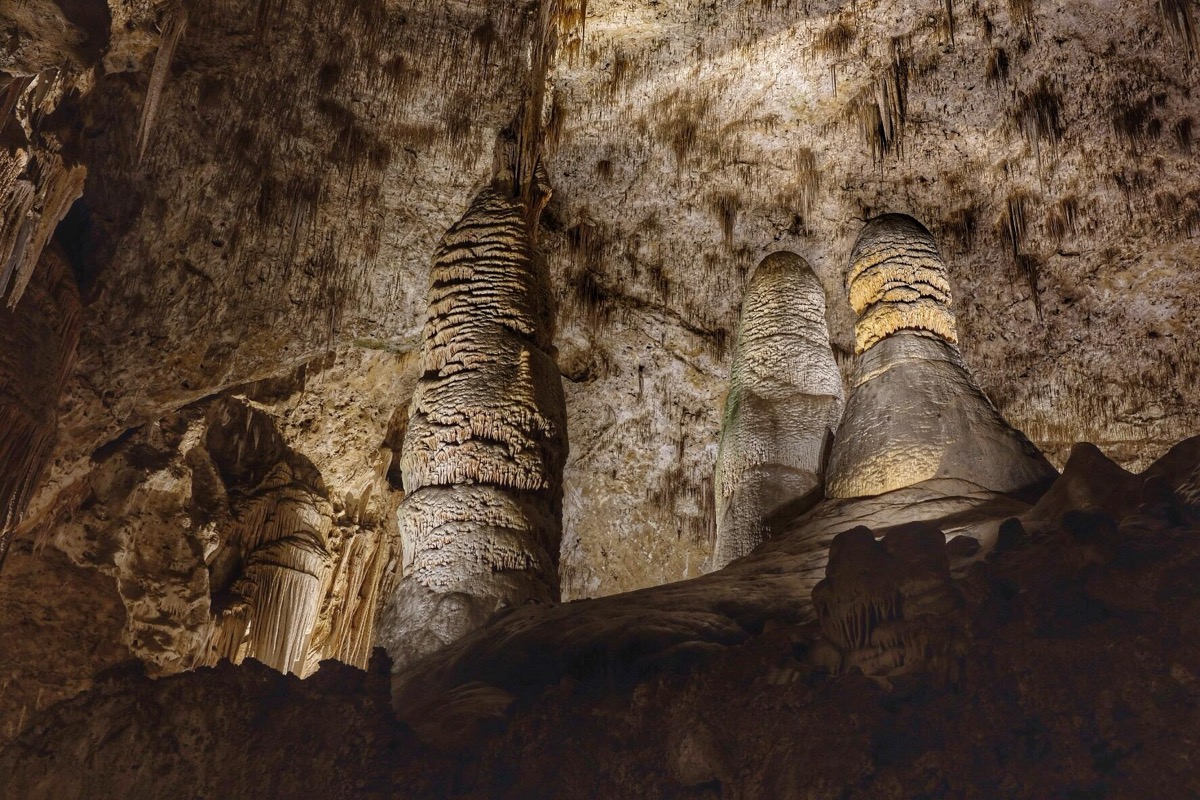
Carlsbad Caverns National Park
The Big Room removes every variable. You walk into a cavern larger than fourteen football fields on a paved, lit, self-guided loop. No route-finding, no exposure, no weather. The only decision is whether to take the elevator or walk the Natural Entrance switchbacks.
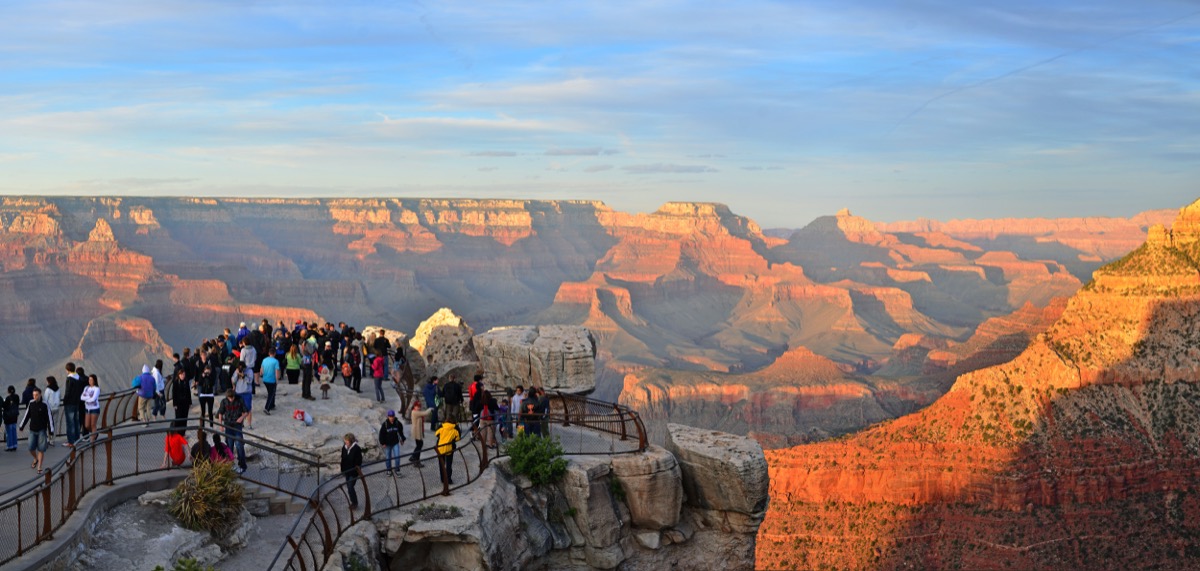
Grand Canyon National Park
The South Rim delivers the full spectacle from a shuttle bus. Mather Point requires zero hiking, the Rim Trail rolls wheelchairs between viewpoints, and village infrastructure handles fifteen thousand daily visitors without collapsing. You can see one of Earth's most dramatic landscapes without leaving pavement.

Gateway Arch National Park
The entire park fits in two city blocks. The Arch stands in downtown St. Louis, the museum sits below it, and the riverfront trail connects both. No camping, no wilderness, no backcountry permits. Urban infrastructure handles crowds that would overwhelm most parks.
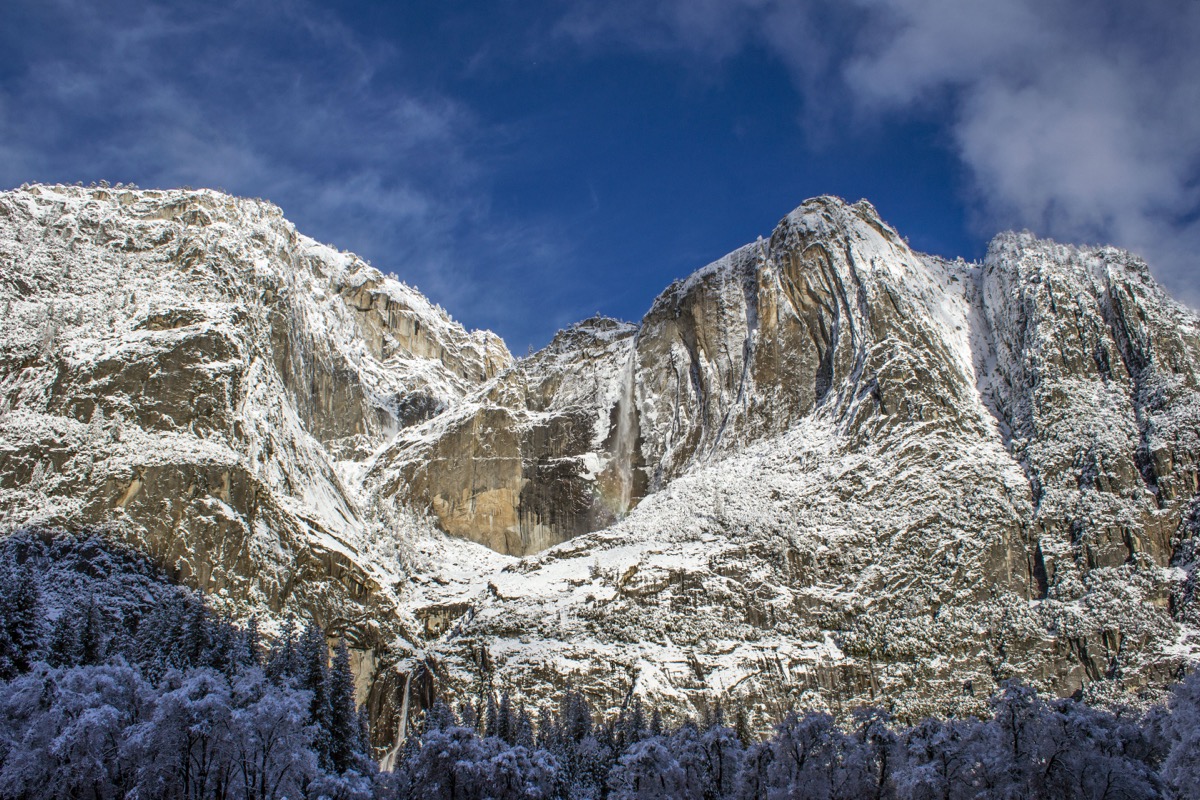
Yosemite National Park
Yosemite Valley concentrates icons into seven square miles. Half Dome, El Capitan, and Yosemite Falls all visible from the same shuttle loop. Curry Village, lodge dining, and grocery stores mean you never leave cell service. The wilderness exists, but the postcard views don't require finding it.
Acadia National Park
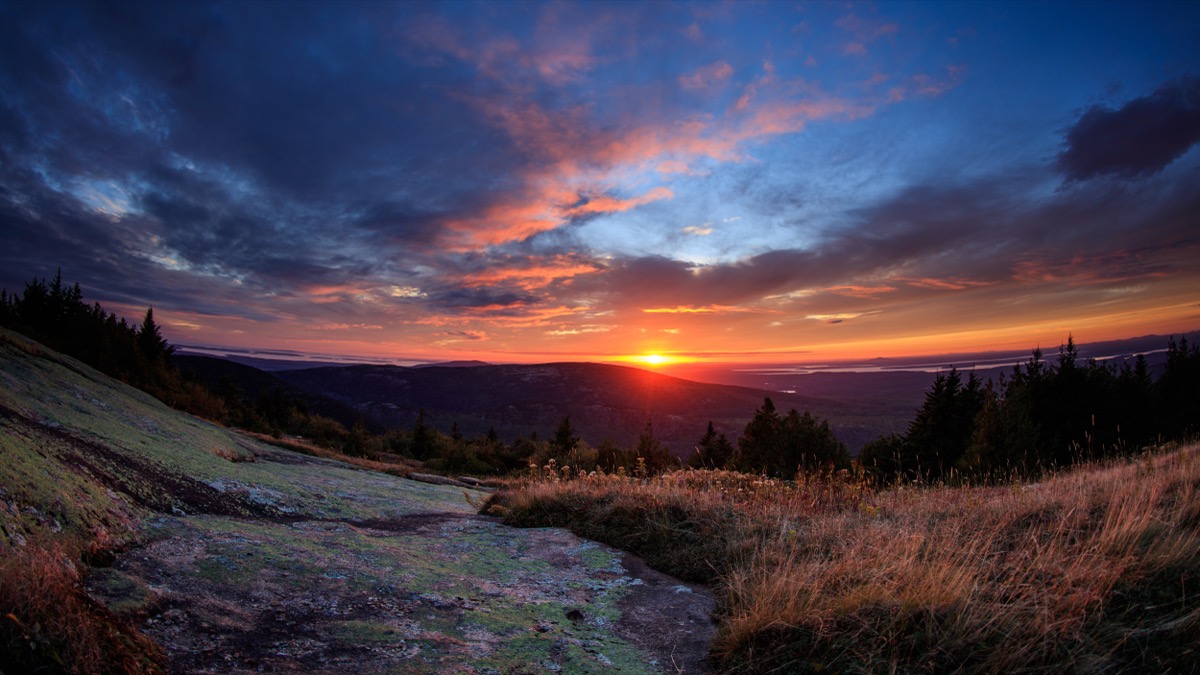
Park Loop Road presents twenty-seven miles of curated experiences—Thunder Hole at high tide, Jordan Pond reflections, Cadillac Summit Road to the first sunrise. Shuttles connect villages, campgrounds take reservations six months out, and Bar Harbor sits at the park entrance with lobster rolls and WiFi.
Badlands National Park
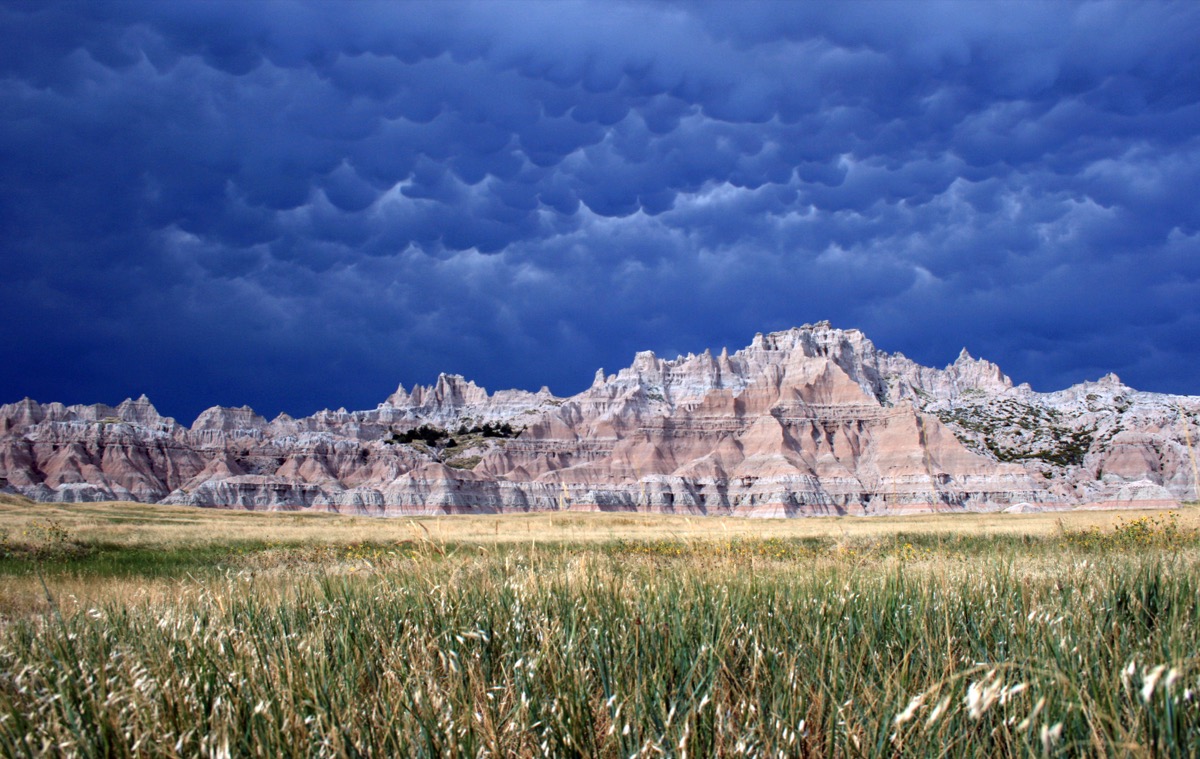
The Badlands Loop Road delivers every essential view in thirty-nine miles. Pull off, walk fifty feet, photograph lunar spires, repeat. No route-finding, no elevation gain, no wondering if you missed something. The landscape performs from the parking lot.
Capitol Reef National Park
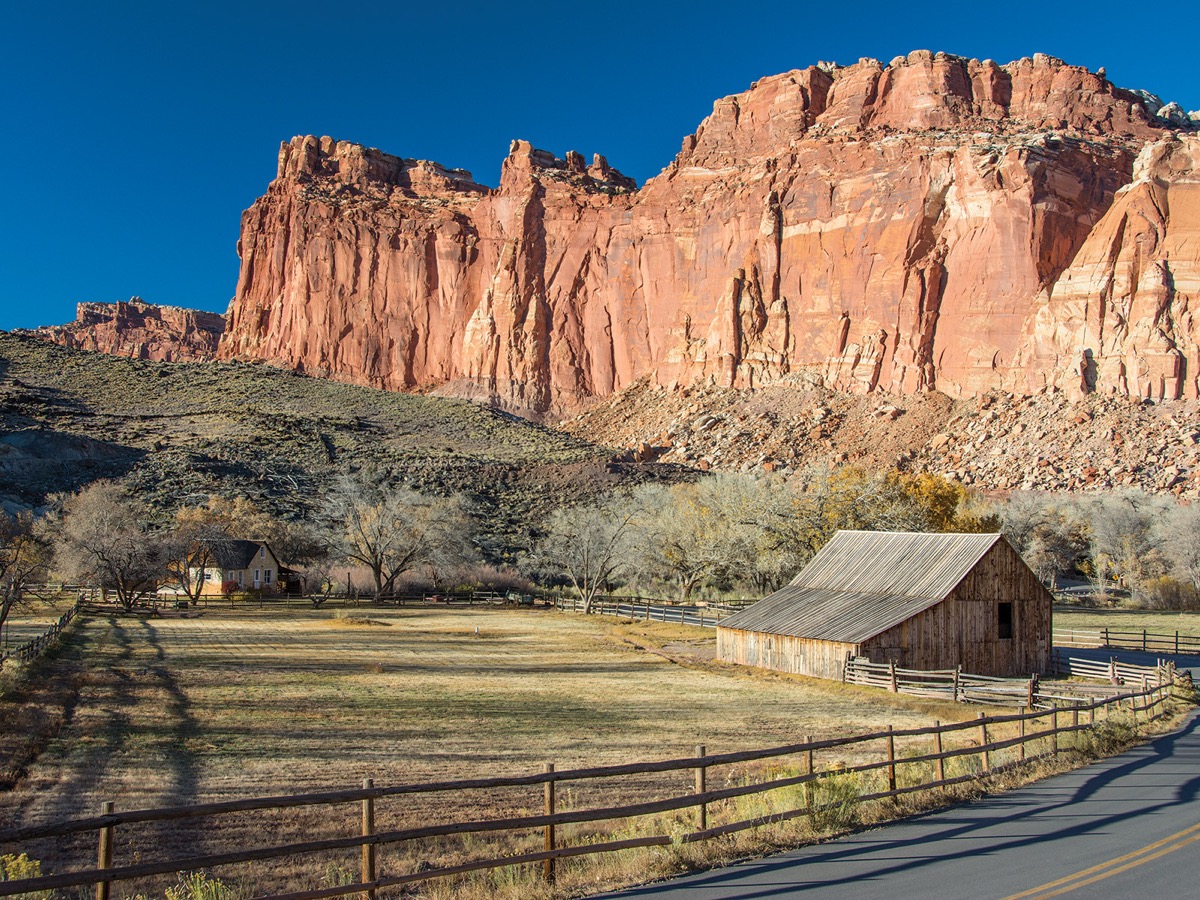
The Scenic Drive follows a single paved road through the Waterpocket Fold, passing pioneer orchards where you pick free fruit in season. Hickman Bridge sits two miles from pavement on a marked trail, and the Capitol Dome overlooks the campground. The park explains itself without requiring research.
Crater Lake National Park
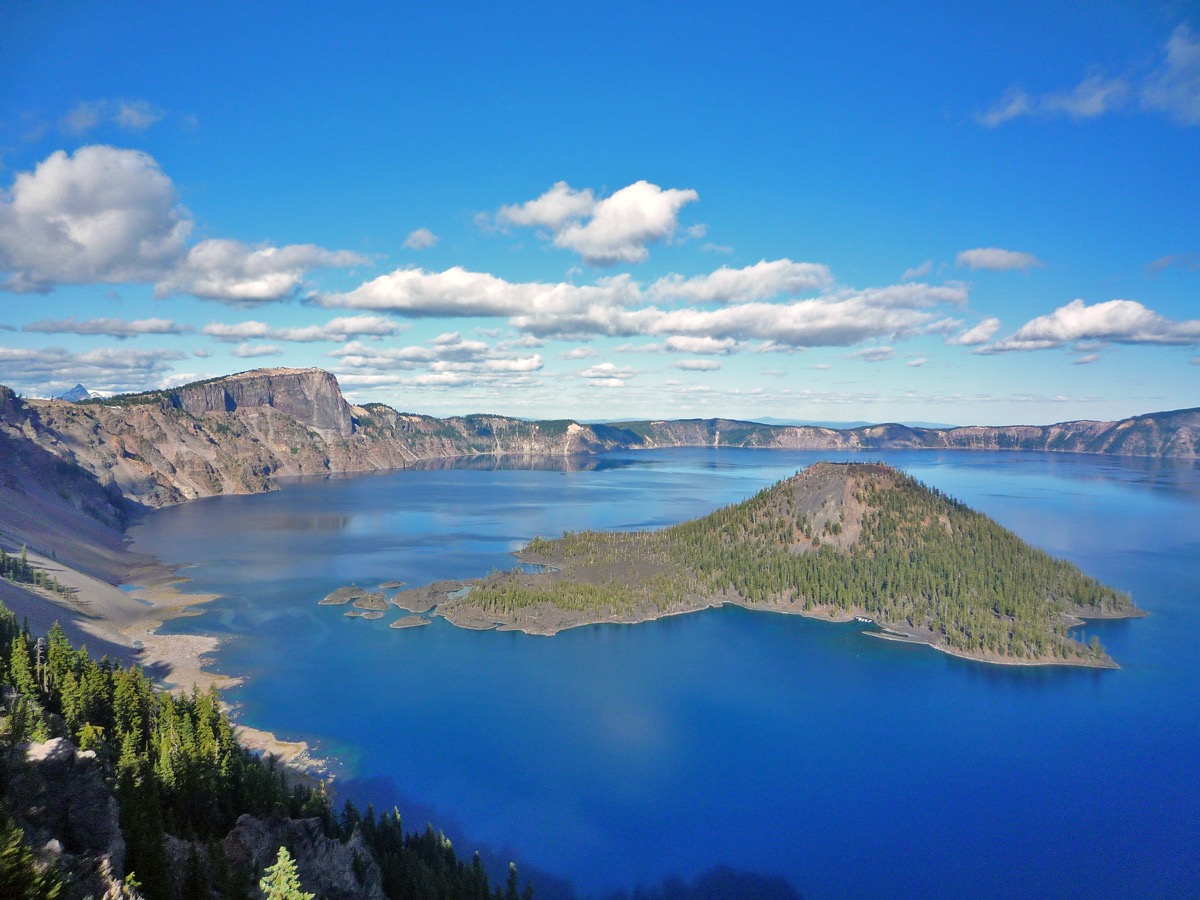
Rim Drive circles the entire caldera with thirty viewpoints, each labeled and paved. Discovery Point shows you the lake, Watchman Peak adds context from above, and the lodge serves meals with floor-to-ceiling lake views. The water's impossible blue registers even from your car.
Cuyahoga Valley National Park
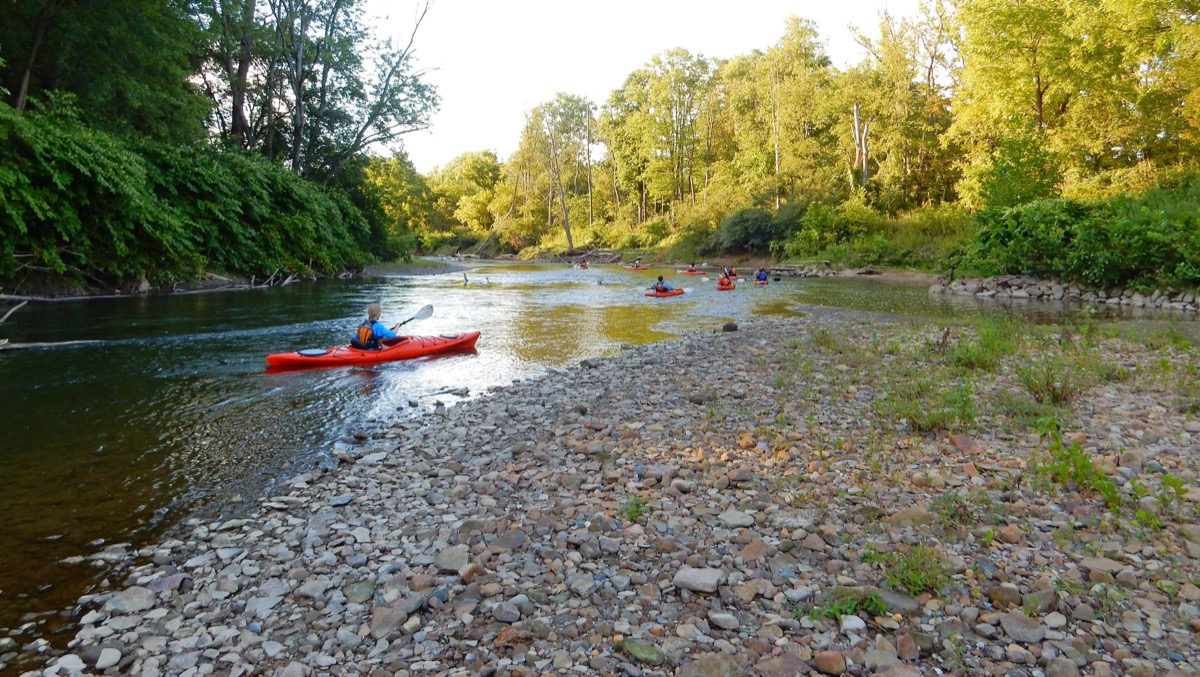
The Towpath Trail runs twenty flat miles on a former canal path, Brandywine Falls sits a quarter-mile from parking, and the Cuyahoga Valley Scenic Railroad lets you skip hiking entirely. No backcountry camping, no permits, no wondering where the trailhead is. Cleveland sprawls twenty-five miles north.
Frequently Asked Questions
- Which national park is easiest for beginners?
- Arches leads this category. Paved roads reach the major formations, trails are well-marked, and you can see Delicate Arch without leaving pavement. Gateway Arch requires even less—an elevator does the work.
- What makes a park good for first-timers?
- Clear signage, paved access to highlights, and facilities that don't require advance planning. Grand Canyon and Yosemite built their infrastructure a century ago, which means smooth roads and established visitor patterns.
- Can you visit these parks without camping experience?
- All five offer nearby lodging and day-trip access. Carlsbad Caverns sits minutes from town. Gateway Arch is inside St. Louis. You don't need backcountry skills to see what matters.
- How much time do you need at each park?
- Gateway Arch takes two hours. Carlsbad Caverns needs half a day. Arches, Grand Canyon, and Yosemite reward longer stays but deliver their signature views within the first afternoon.
- Are these parks accessible year-round?
- Grand Canyon's South Rim, Gateway Arch, and Carlsbad Caverns stay open all year. Arches operates year-round but summers exceed comfort limits. Yosemite's high country closes with snow but the valley remains accessible.