Category Ranking
Best National Parks for Hiking
The rankings combine total trail mileage, route quality, and the depth of strenuous options. The top parks offer enough terrain to keep serious hikers busy for weeks, not days.
Updated
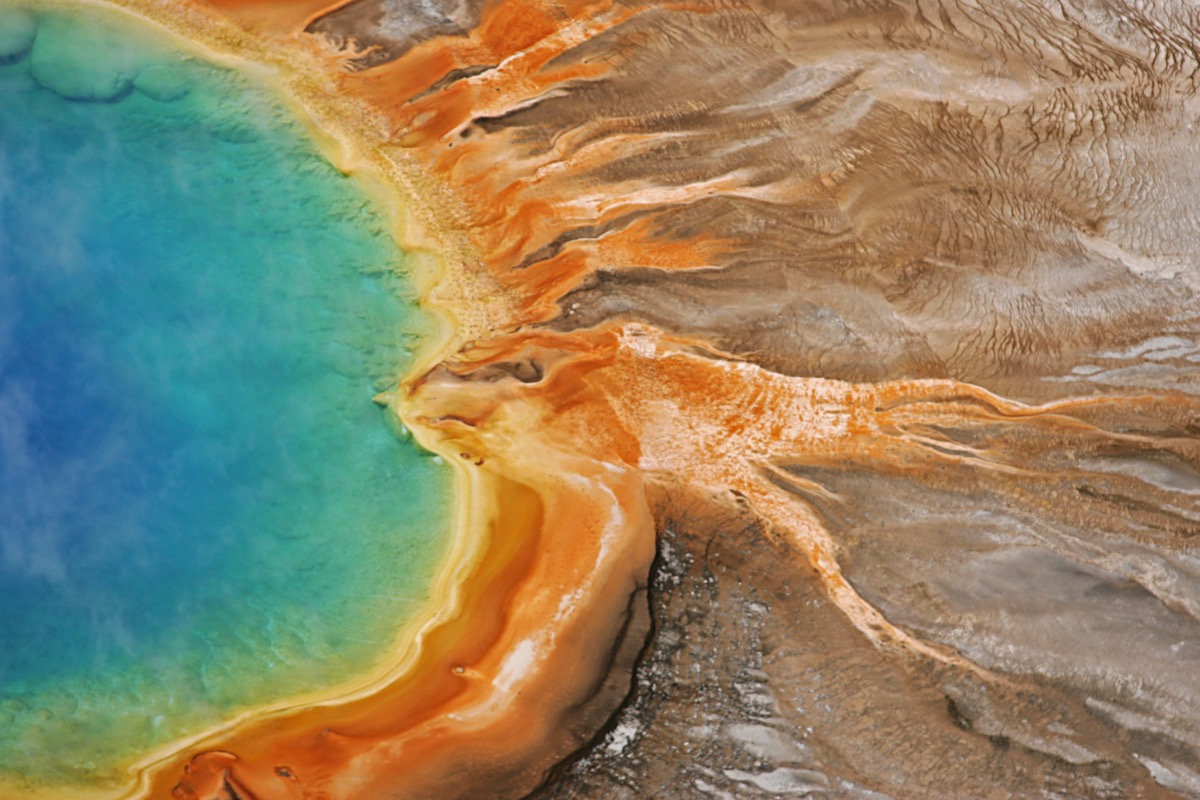
Yellowstone National Park
More trail miles than most states have highways. The Grand Canyon of the Yellowstone's rim trails connect to backcountry routes that push into thermal basins where you'll hike alone for days.
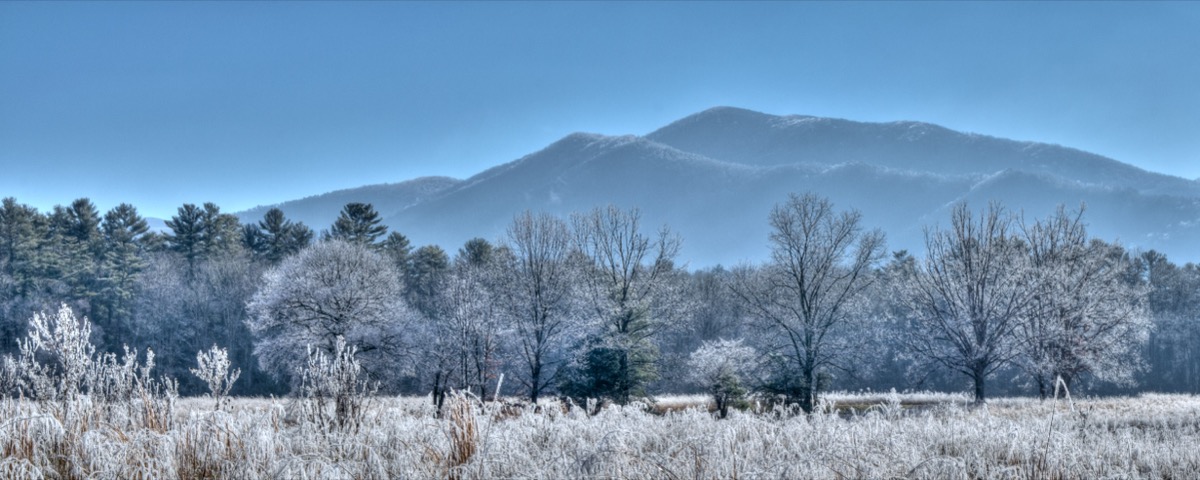
Great Smoky Mountains National Park
More trails than any park east of the Rockies. The Appalachian Trail crosses Clingmans Dome, but serious hikers chase the lesser-known ridgeline routes where salamander diversity exceeds anywhere on the continent.
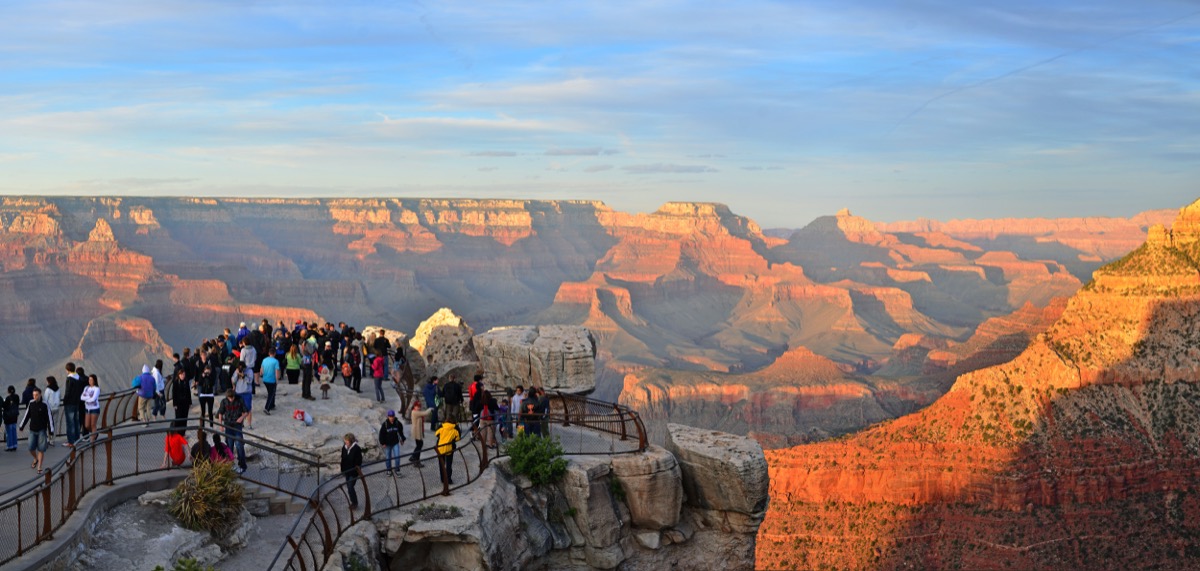
Grand Canyon National Park
Rim trails are tourist paths. The real hiking drops into the canyon where Bright Angel Trail descends a vertical mile through rock layers older than most fossils. Few day-hike it round-trip.
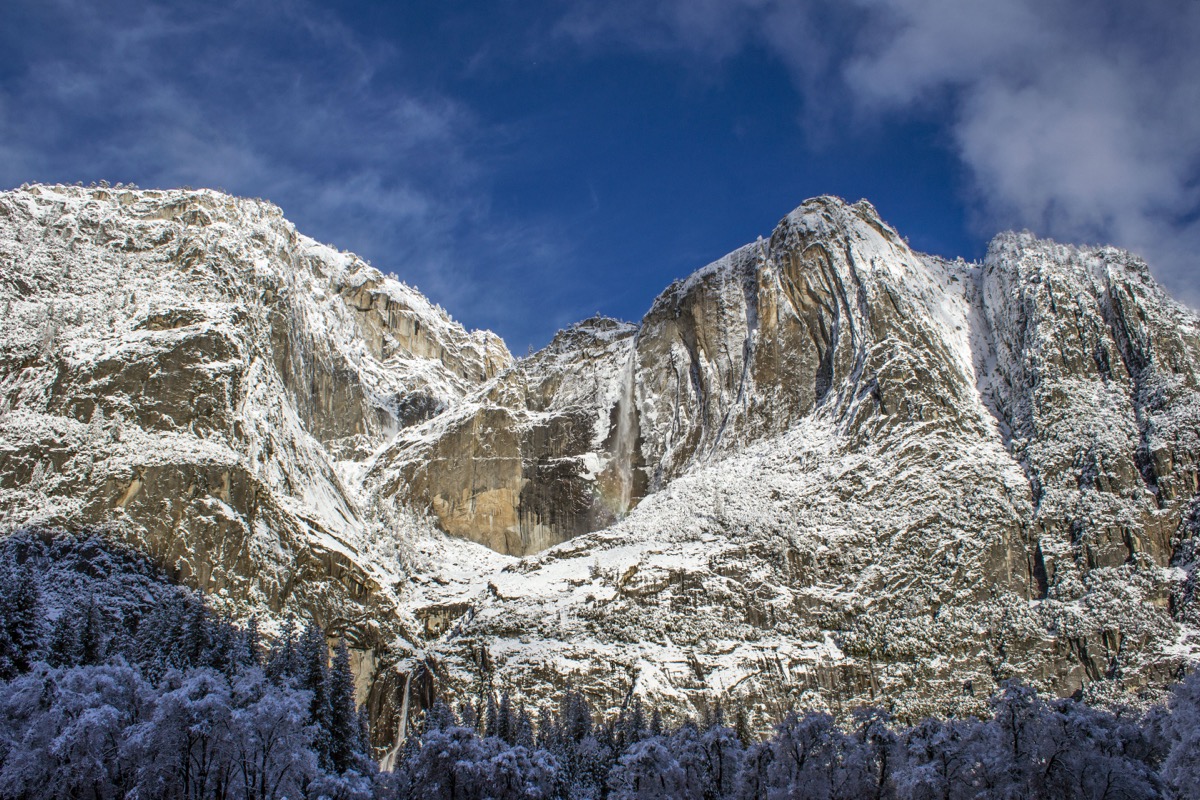
Yosemite National Park
Half Dome's cables draw the crowds, but the High Sierra camps system strings together multi-day routes through granite basins above the valley. Backpackers who skip Yosemite Valley see a different park entirely.
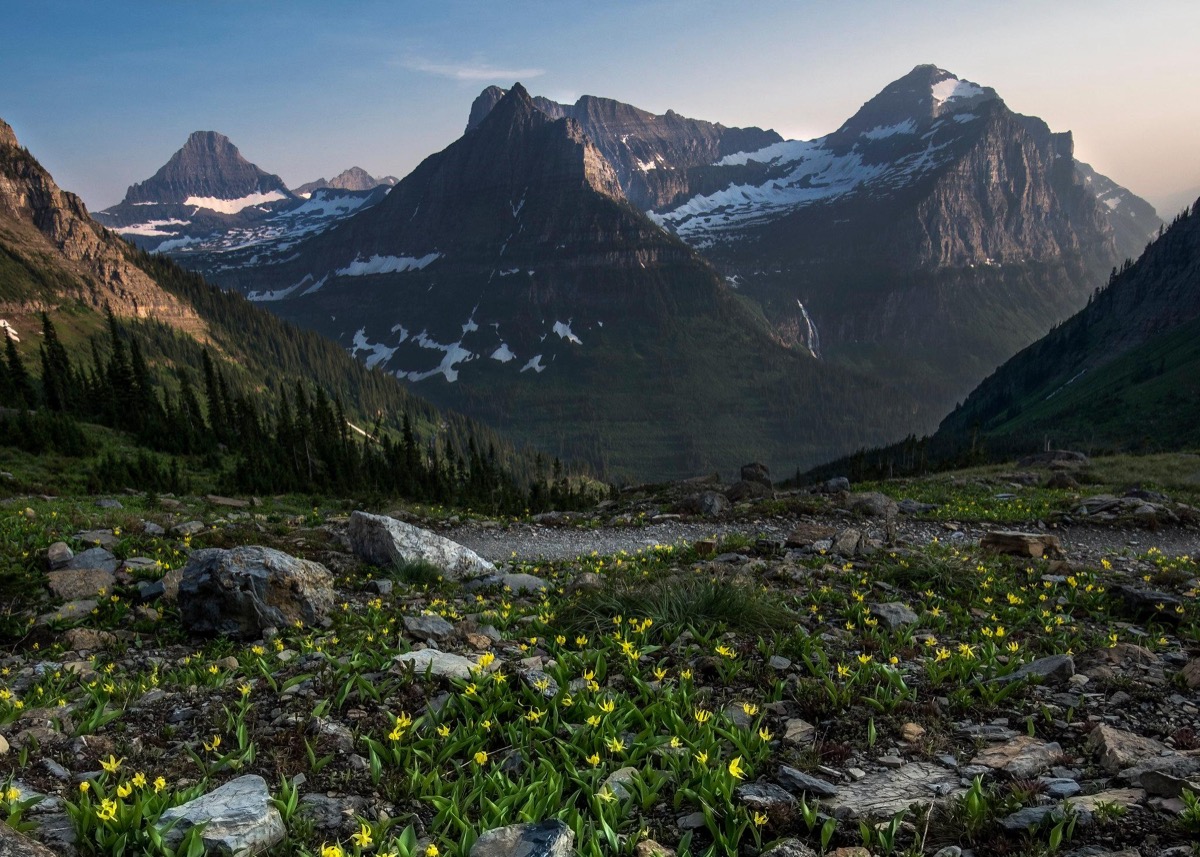
Glacier National Park
More than twice as much trail as Rocky Mountain. Grinnell Glacier Trail climbs past turquoise lakes to ice that's retreating fast. The park's wildfire scars from recent years add an urgency to the scenery.
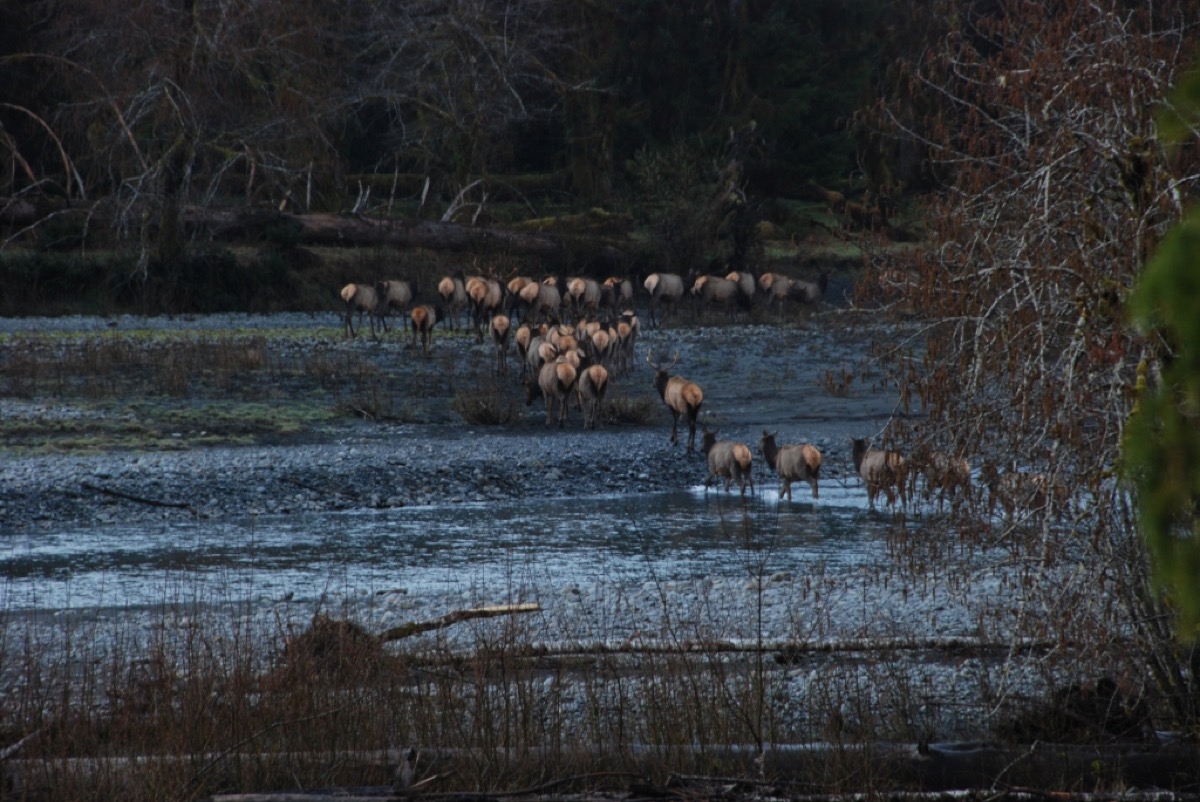
Olympic National Park
Three ecosystems mean three kinds of hiking. The Hoh River Trail pushes through moss-draped rainforest while High Divide Loop circles alpine ridges. Most parks pick one terrain and stick with it.
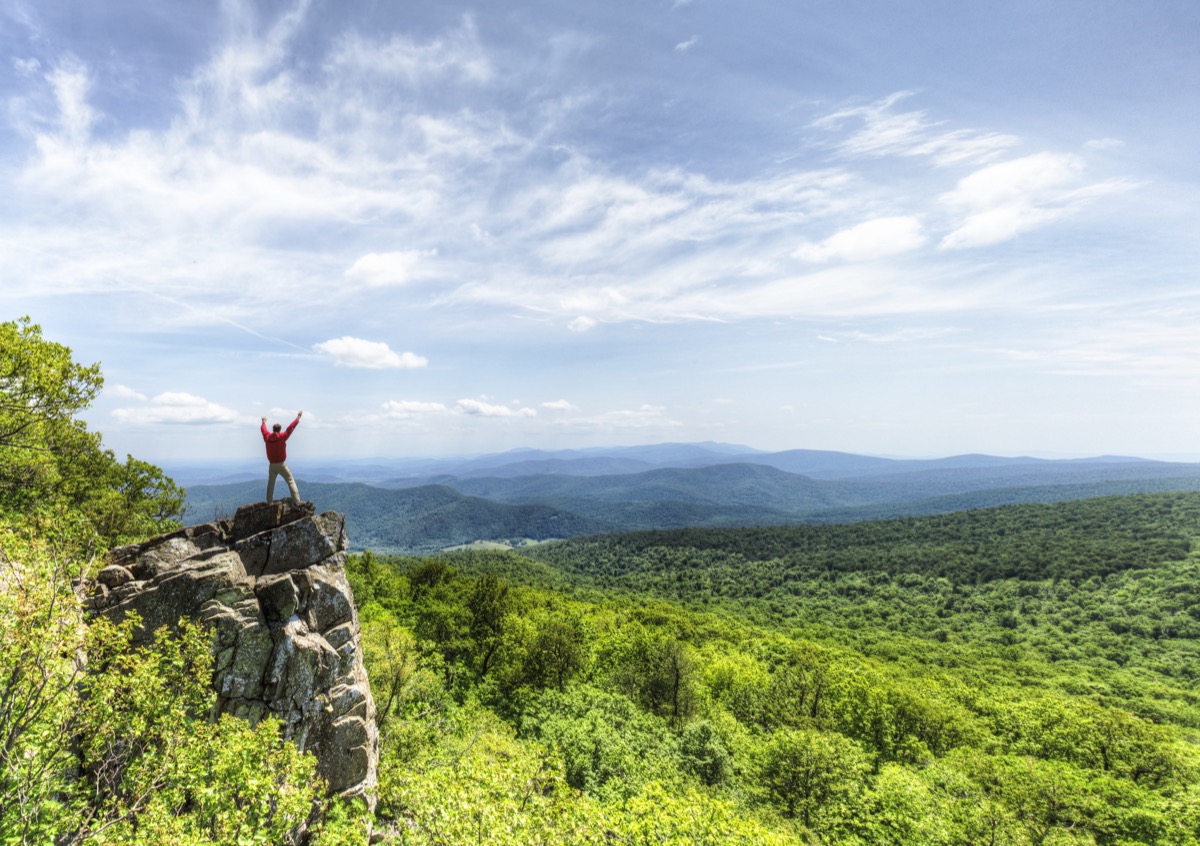
Shenandoah National Park
Skyline Drive makes access easy, but Old Rag Mountain's rock scramble filters out casual hikers. The trails drop into hollows where Prohibition-era moonshiners built stills that rangers still find.
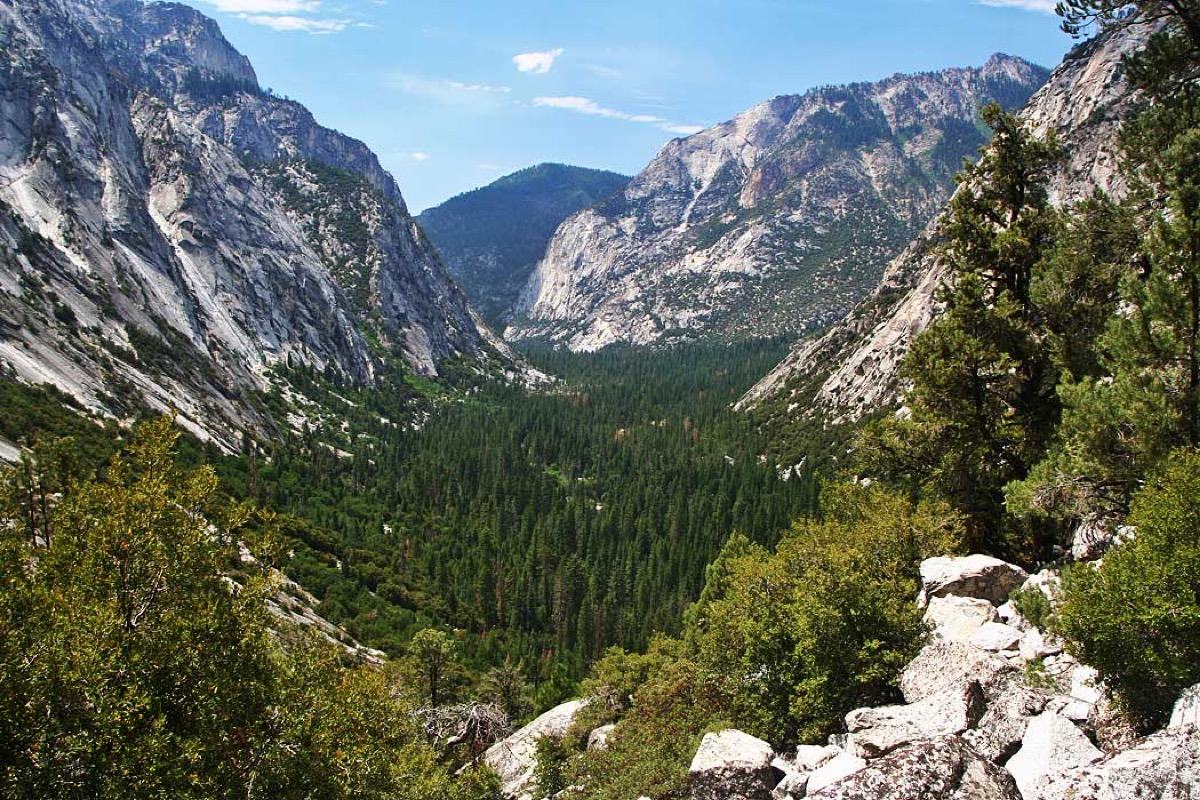
Sequoia & Kings Canyon National Parks
General Sherman Tree sits on a half-mile loop, but the High Sierra Trail stretches deeper than most hikers can reach in a week. Kings Canyon rivals Yosemite's granite without the valley's crowds.
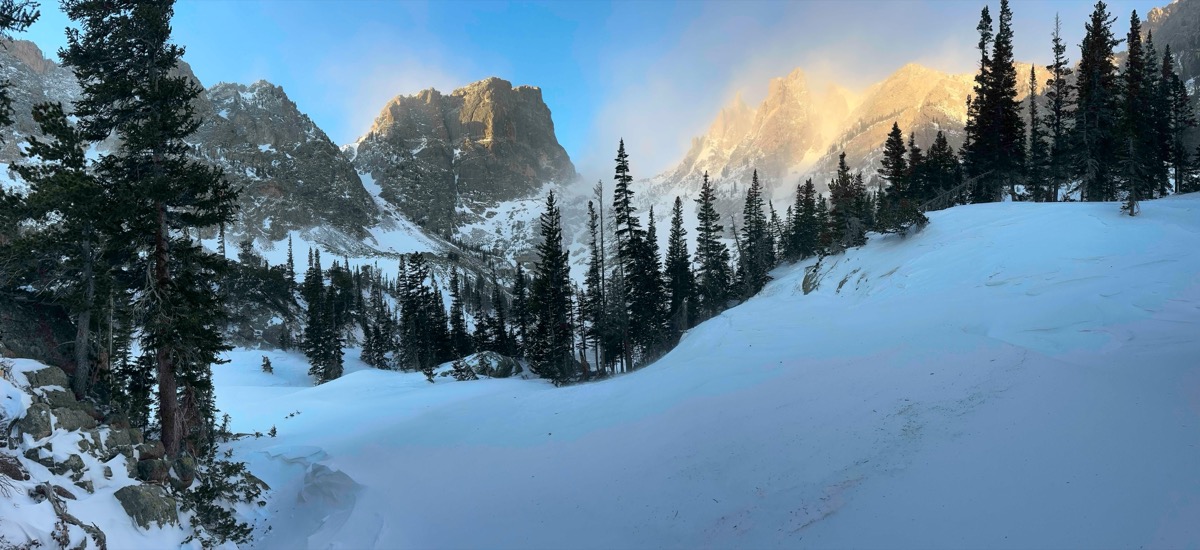
Rocky Mountain National Park
Trail Ridge Road delivers you above treeline, but Longs Peak's Keyhole Route requires a pre-dawn start and hands-on scrambling. The parking lot fills by sunrise in summer, and half the attempts turn back.
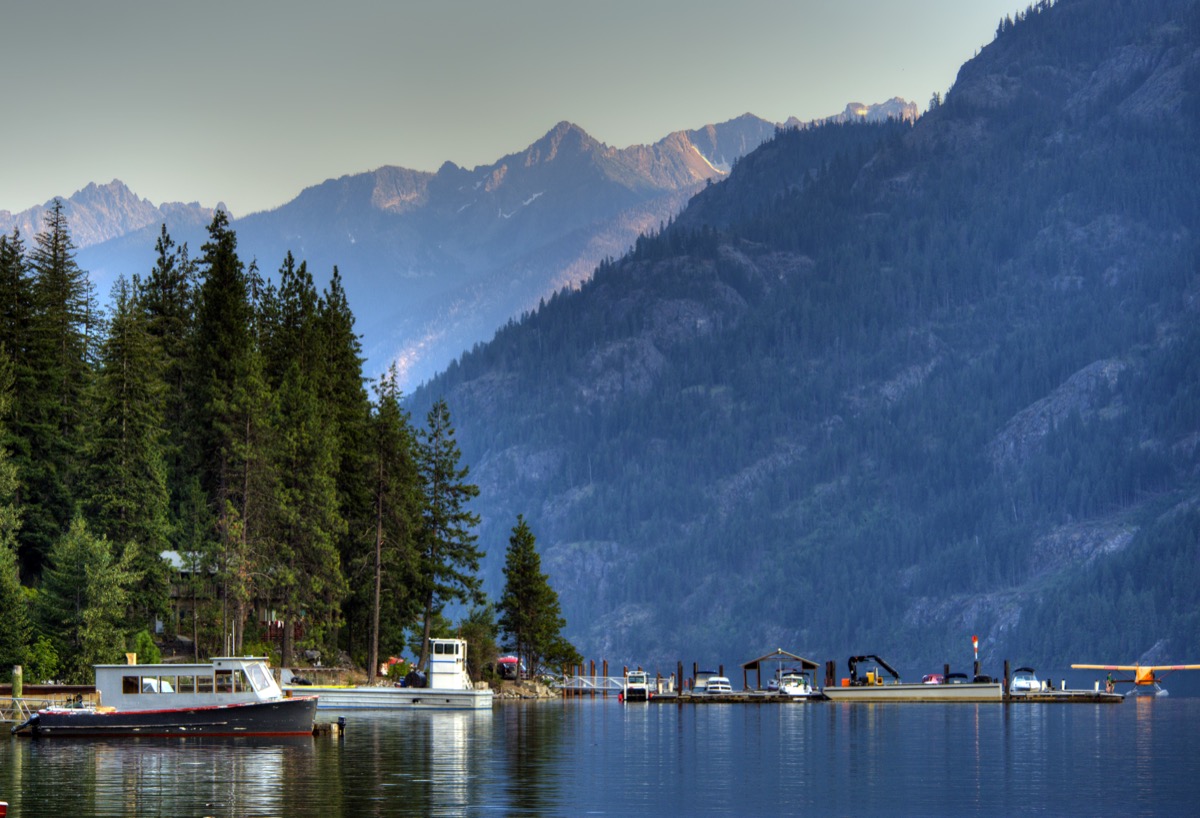
North Cascades National Park
More glaciers than the rest of the Lower 48 combined. Cascade Pass opens into an alpine amphitheater where climbers stage attempts on Sahale Peak. Most visitors never leave the highway corridor.
Related Stories
Frequently Asked Questions
- Which national park has the most hiking trails?
- Great Smoky Mountains leads with more trail miles than most state highway systems. Yellowstone follows with a network spanning distances comparable to driving coast to coast across several states.
- What's the best park for beginner hikers?
- Acadia offers coastal paths and carriage roads where elevation gain stays modest. Cuyahoga Valley provides towering forest walks along the Ohio & Erie Canal without the altitude challenges western parks demand.
- Are permits required for hiking in national parks?
- Day hiking rarely requires permits. Backcountry overnight trips in Glacier, Grand Canyon, and Yosemite need advance reservations. Half Dome and Angels Landing require lottery permits regardless of camping plans.
- Which parks have the most challenging trails?
- Glacier's Continental Divide trails cross alpine passes above tree line. Grand Canyon routes descend nearly a vertical mile, then climb back out. Yosemite's Half Dome cables turn the final ascent into exposure therapy.
- Can you hike year-round in these parks?
- Great Smoky Mountains and Grand Canyon's South Rim stay accessible all year. Glacier, Yellowstone, and Yosemite's high country close under snow from October through May, sometimes longer in heavy winters.