Category Ranking
Best National Parks for Kayaking
The best paddling parks combine accessible put-ins with scenery worth the effort. These ten lead on water quality, launch infrastructure, and views you can't get from shore.
Updated
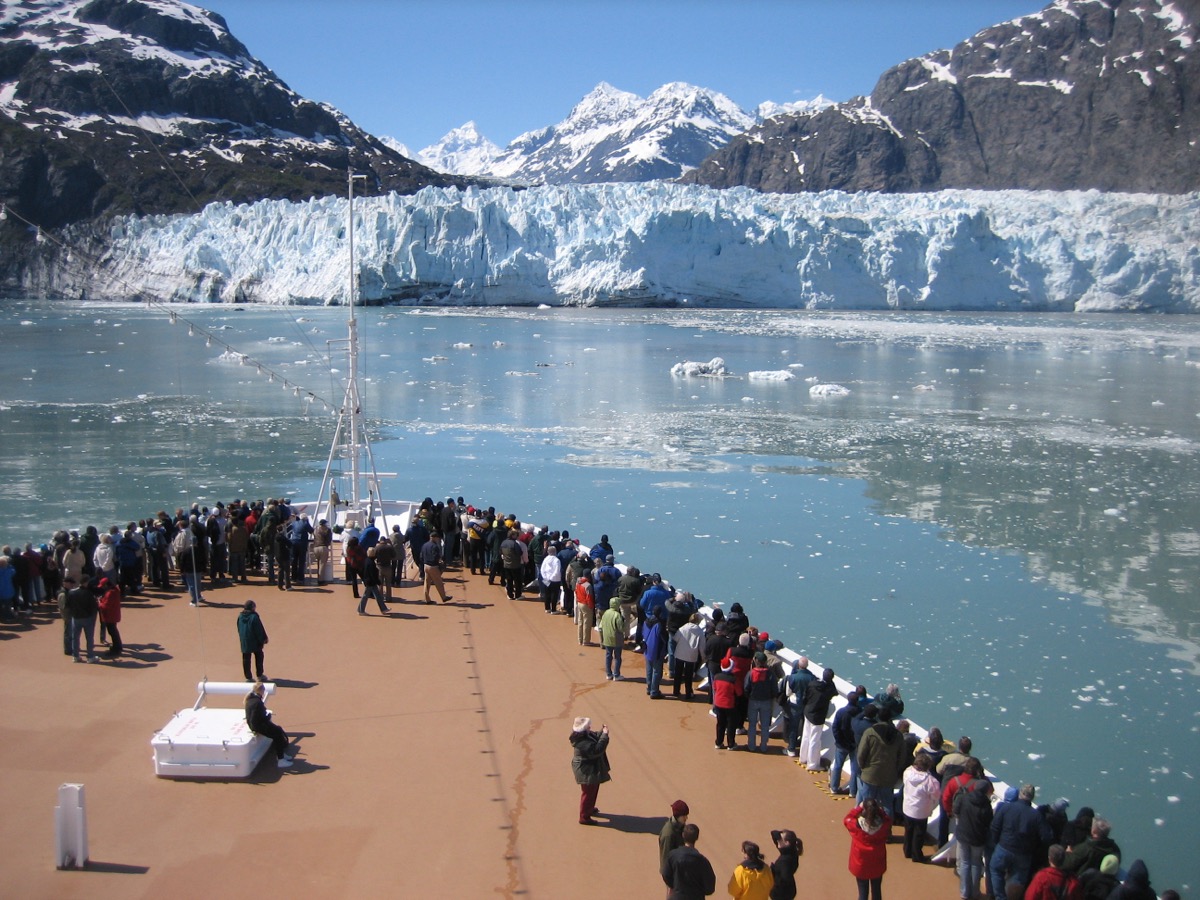
Glacier Bay National Park & Preserve
Fifteen tidewater glaciers calve into fjords where the only traffic is humpback whales. Most paddlers launch from Bartlett Cove and spend days threading channels past harbor seals hauled out on ice.
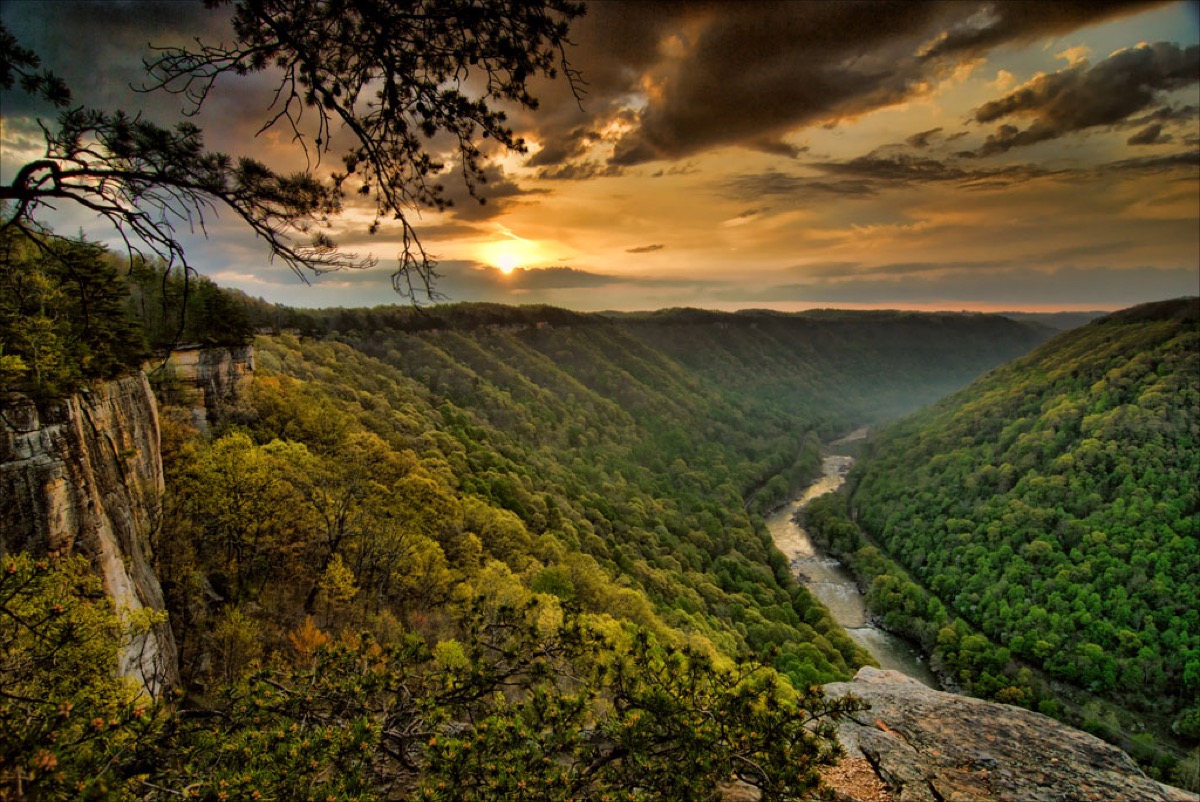
New River Gorge National Park & Preserve
The New River cuts through Appalachian rock old enough to predate most mountain ranges. Put in below the gorge for flatwater or paddle the Class III-V whitewater that made this canyon famous.
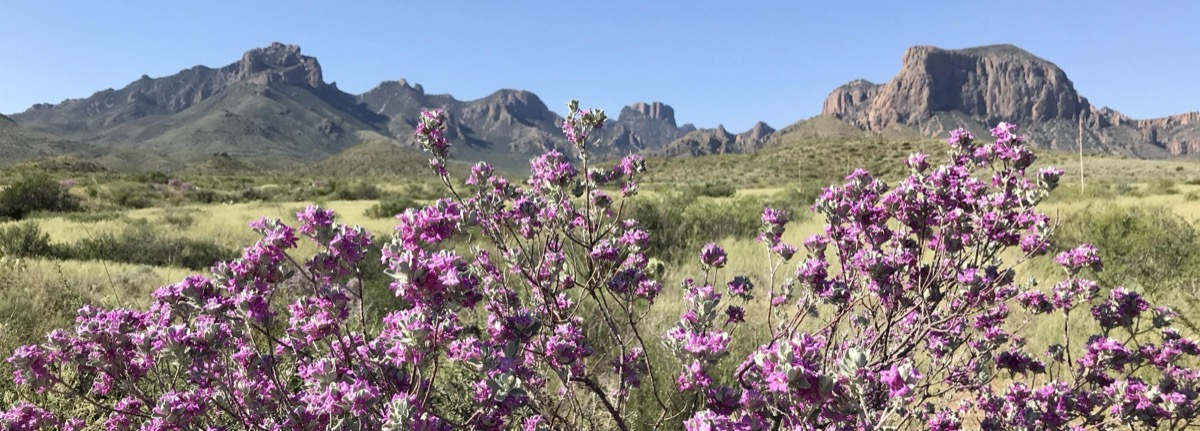
Big Bend National Park
Santa Elena Canyon narrows to a slot where limestone walls rise three times the height of the Washington Monument. The Rio Grande is calm enough for beginners but remote enough to require self-rescue skills.
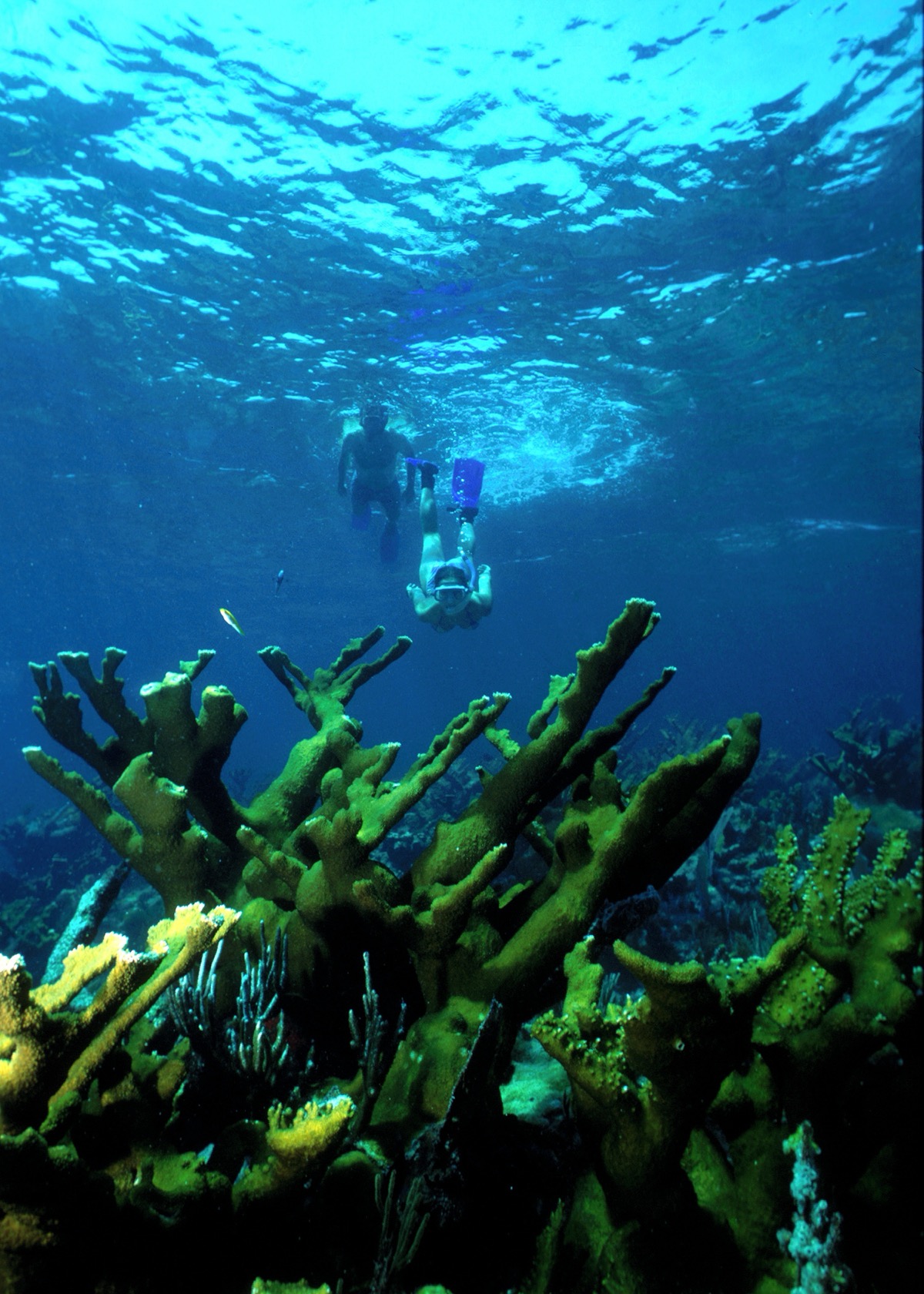
Biscayne National Park
You'll paddle mangrove tunnels to barrier islands visible from Miami's downtown towers. Most routes lead to Elliott Key or Boca Chita, where you can snorkel the reef system that defines South Florida.
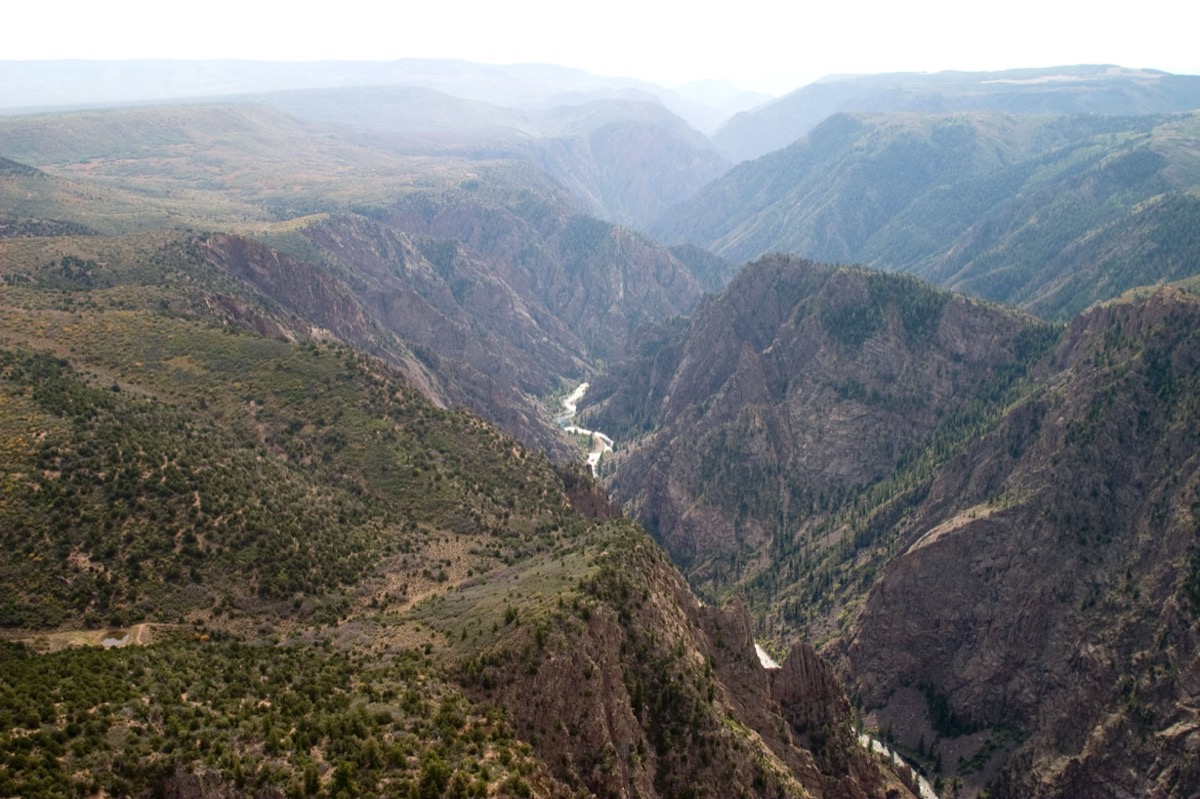
Black Canyon Of The Gunnison National Park
The Gunnison River drops faster than any waterway in North America through a gorge narrow enough to block sunlight at noon. Only expert kayakers attempt the Class V rapids in the inner canyon.
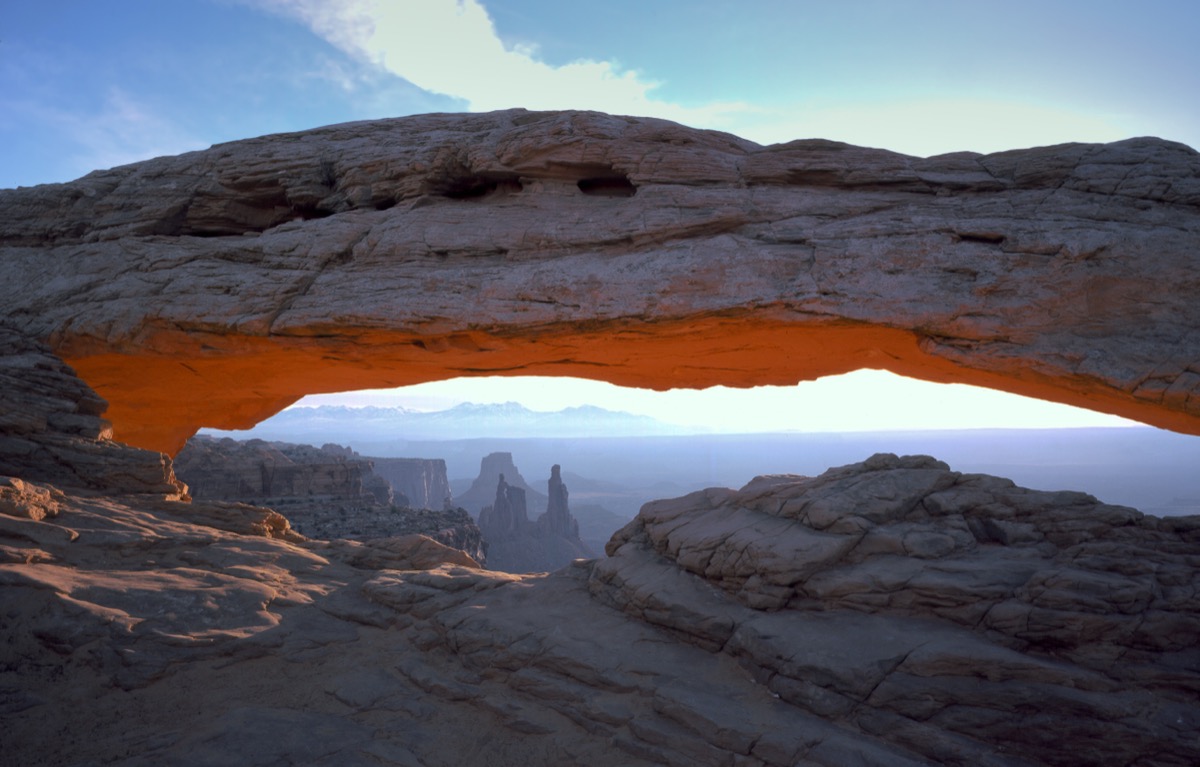
Canyonlands National Park
The Colorado and Green Rivers converge in desert canyons accessible only by paddle or 4x4. Most kayakers launch near Moab and float past thousand-foot walls to the Confluence Overlook.
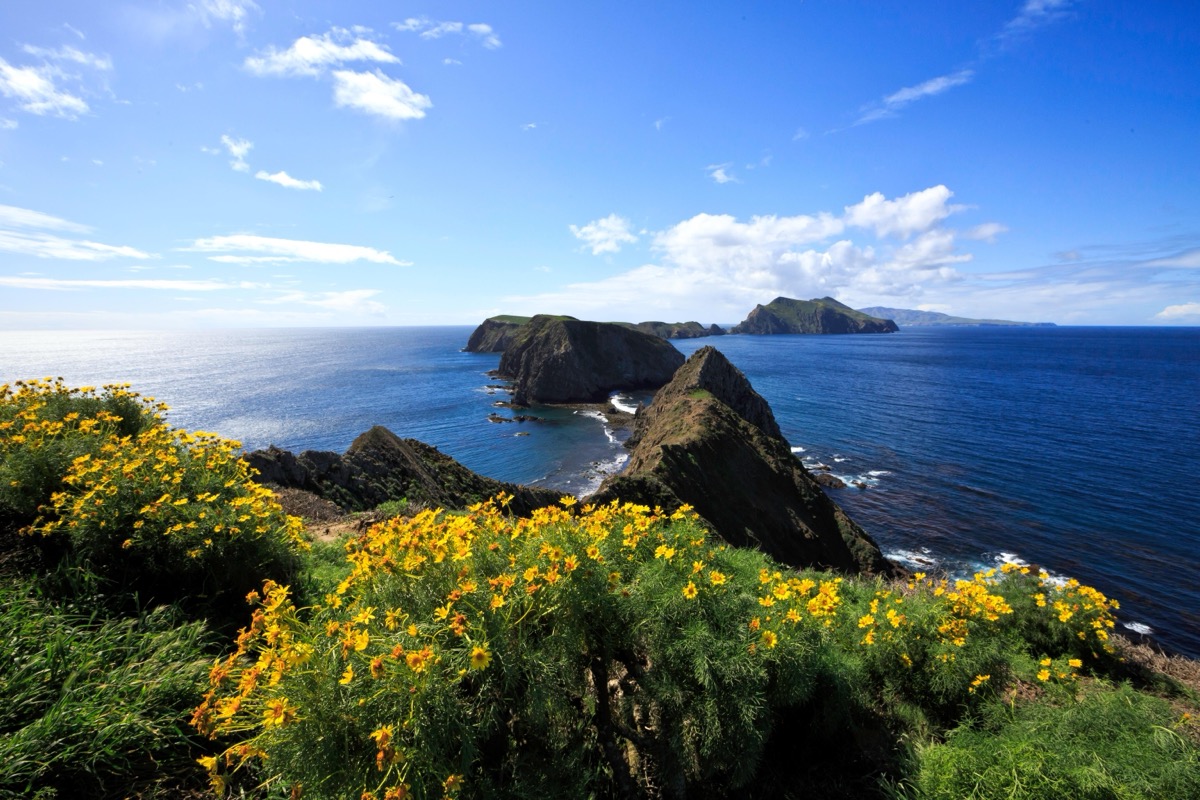
Channel Islands National Park
Sea caves undercut Santa Cruz Island's cliffs where the Pacific crashes hard enough to shake kayaks. Launch from Scorpion Anchorage and paddle past kelp forests thick enough to calm the surface swell.
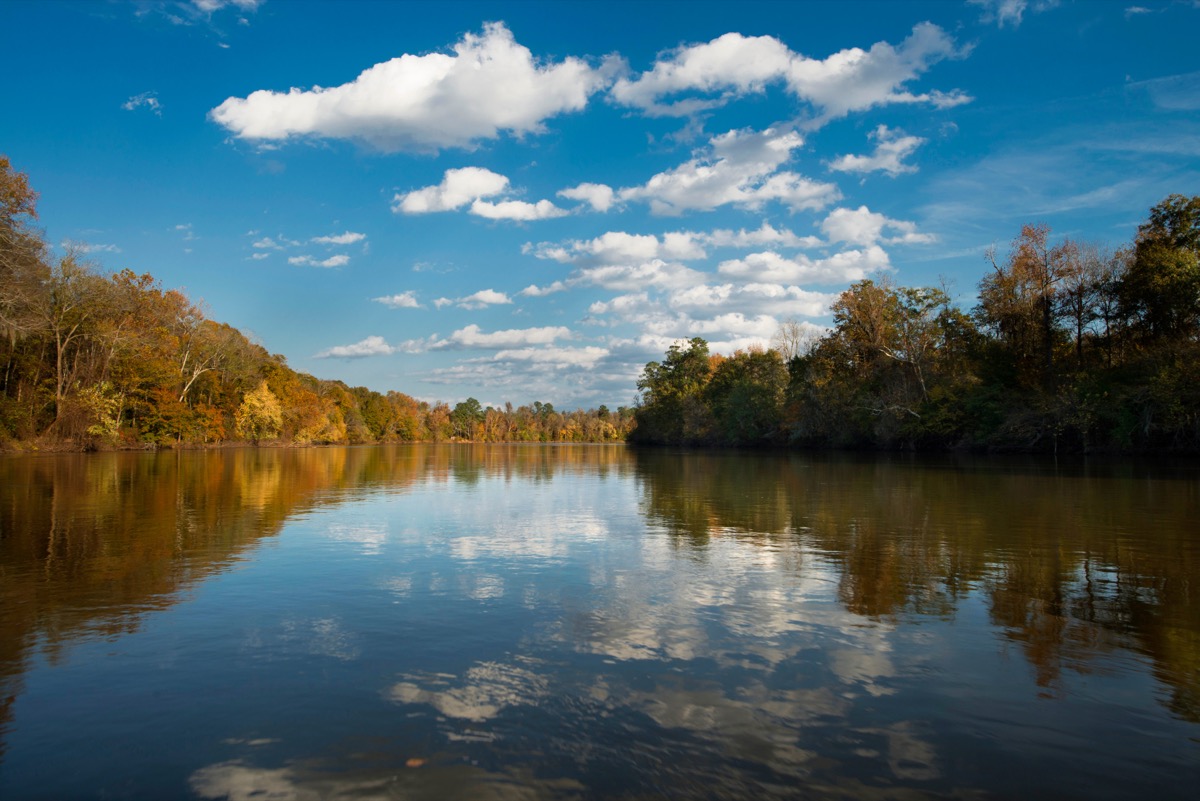
Congaree National Park
Cedar Creek winds through old-growth bottomland where champion bald cypresses stand in blackwater deeper than most rivers. Winter drops the water level to expose cypress knees; spring floods can add twenty feet overnight.
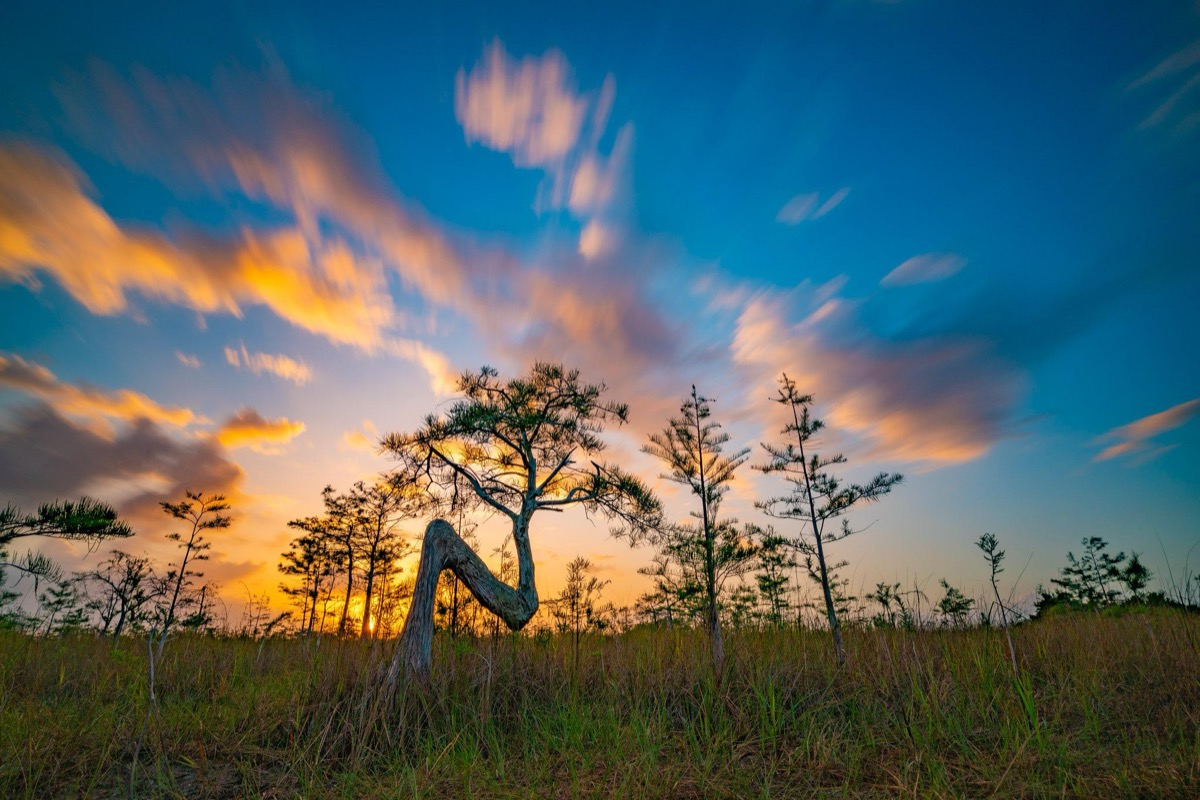
Everglades National Park
The Ten Thousand Islands maze through mangroves where alligators sun on mudbanks and dolphins follow tidal channels. Most paddlers launch from Flamingo or Gulf Coast and follow marked routes through water clear enough to spot manatees.
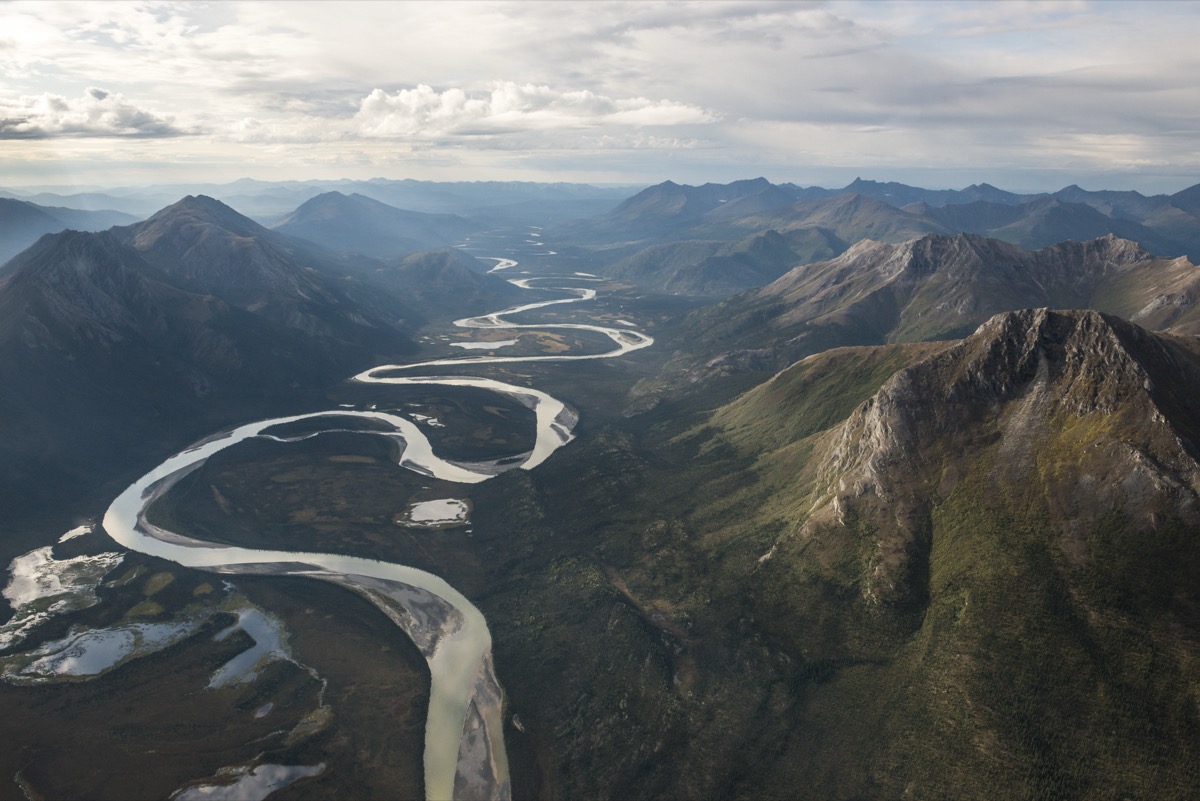
Gates Of The Arctic National Park & Preserve
The Noatak River flows through tundra valleys where grizzlies fish for char and caribou swim across braided channels. You'll need a bush plane to reach put-ins nobody has marked with signs or launch ramps.
Frequently Asked Questions
- Which national parks have the best ocean kayaking?
- Glacier Bay and Biscayne lead for saltwater paddling. Glacier Bay offers tidewater glaciers and marine wildlife, while Biscayne provides coral reef access and mangrove tunnels in warm, clear water year-round.
- Can I kayak whitewater rapids in national parks?
- New River Gorge and Big Bend both offer Class II-IV rapids for experienced paddlers. New River Gorge flows through Appalachian canyons, while Big Bend's Rio Grande carves through desert wilderness along the Mexican border.
- Do I need a permit to kayak in national parks?
- Most parks require backcountry permits for overnight kayak camping. Glacier Bay limits daily kayaker entries, while Biscayne allows day paddling without permits. Check specific park regulations before planning your trip.
- What's the best time of year for kayaking in national parks?
- Timing varies by region. Glacier Bay's summer months offer calm seas and extended daylight. Biscayne paddles well year-round in subtropical warmth. New River Gorge peaks in spring when snowmelt raises water levels.