Category Ranking
Best National Parks for Photography
Photography at a national park means chasing light across terrain that rewards persistence. These ten combine accessible icon shots with the lighting conditions and landscape variety that separate phone snapshots from portfolio work.
Updated
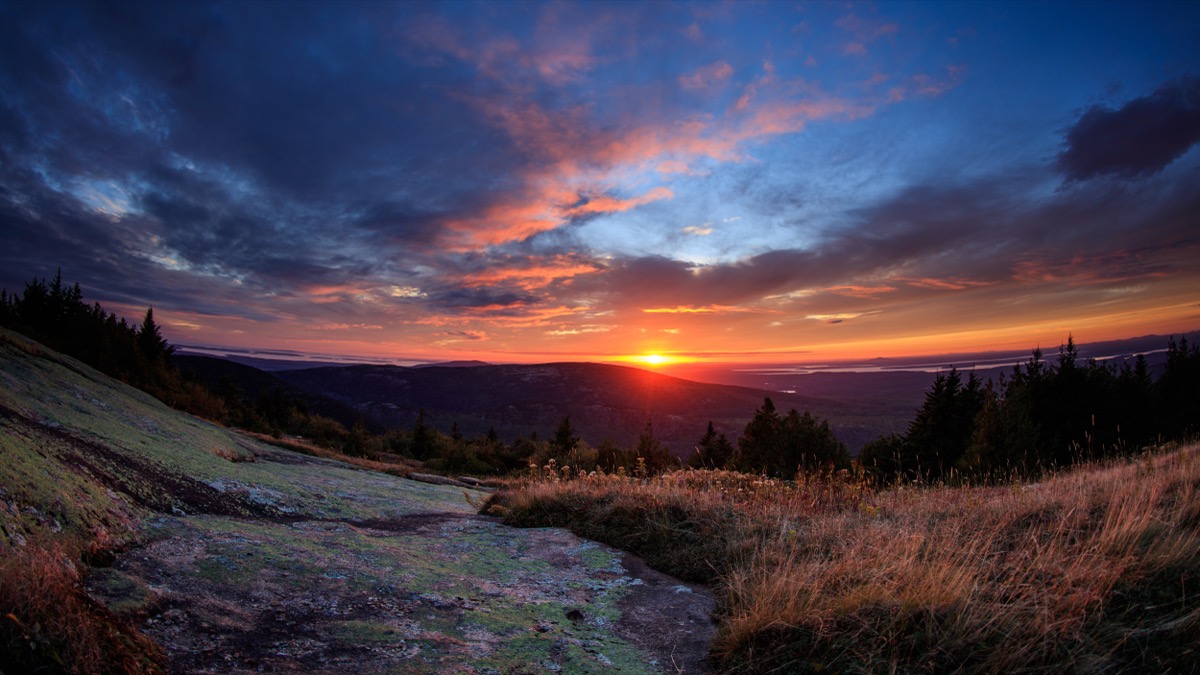
Acadia National Park
Where mountains meet the ocean, you get three golden hours instead of two. Cadillac's sunrise light rakes across Thunder Hole and Jordan Pond before most photographers finish breakfast, and the granite coast holds detail through midday glare that would blow out desert rock.
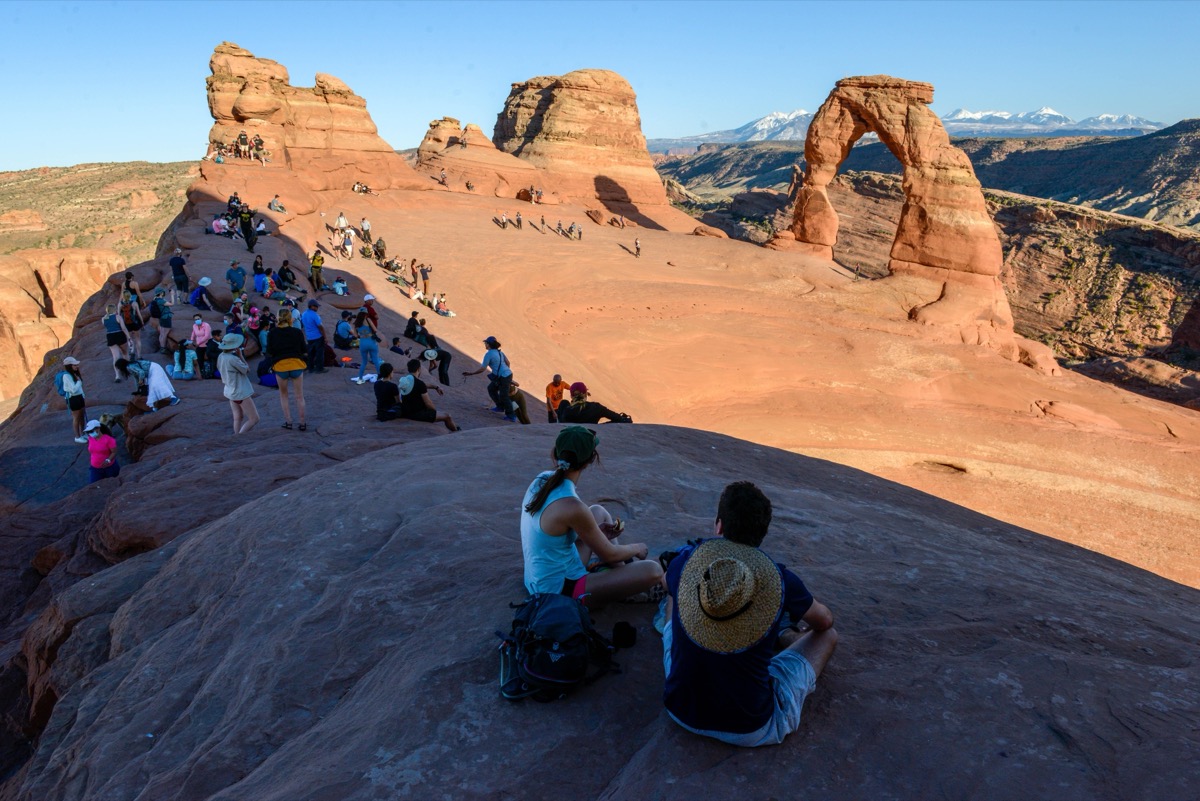
Arches National Park
Delicate Arch at sunset is the cliché because it works—the sandstone glows like backlit amber. What separates photographers here is getting to Devils Garden or Fiery Furnace before the crowds, when side-light carves texture into every fin and the shadows still have depth.
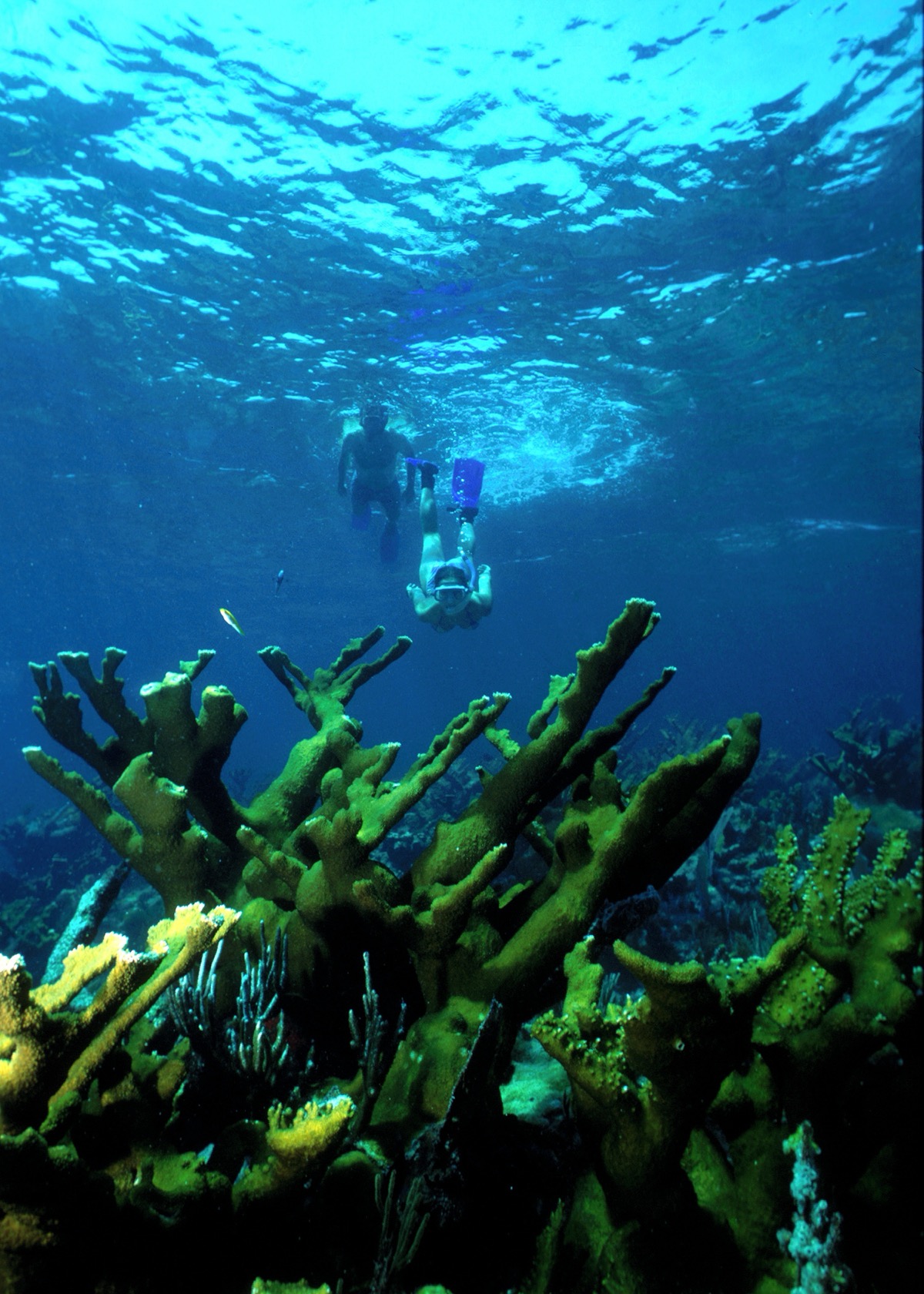
Biscayne National Park
Underwater photography doesn't usually make national park lists, but Biscayne's coral reefs photograph better than most terrestrial landscapes. Clear water, marine life that ignores snorkelers, and the Miami skyline as backdrop for island shots at Boca Chita Key.
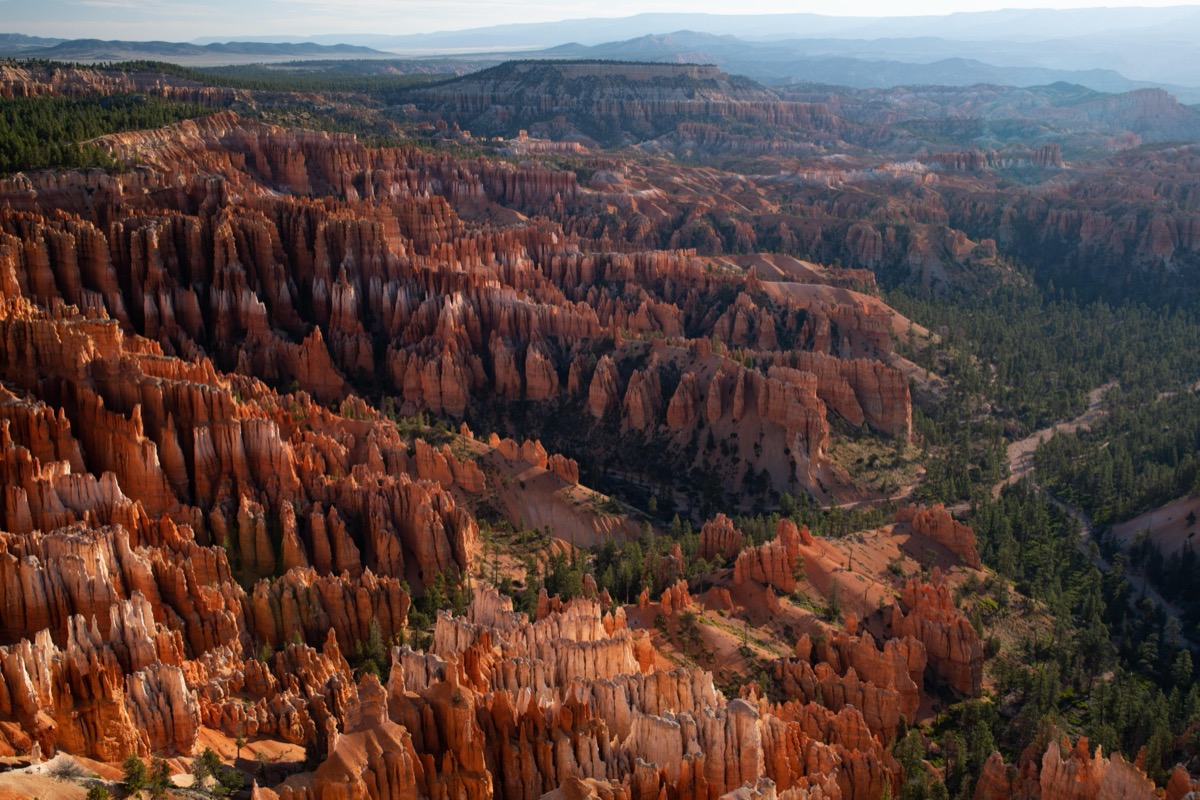
Bryce Canyon National Park
Hoodoos photograph well because they're vertical—hundreds of natural leading lines converging toward ridgelines. Dawn at Sunrise Point turns them orange-to-red in stages as light drops down the amphitheater. Winter adds snow contrast without the summer crowds blocking your sightlines.
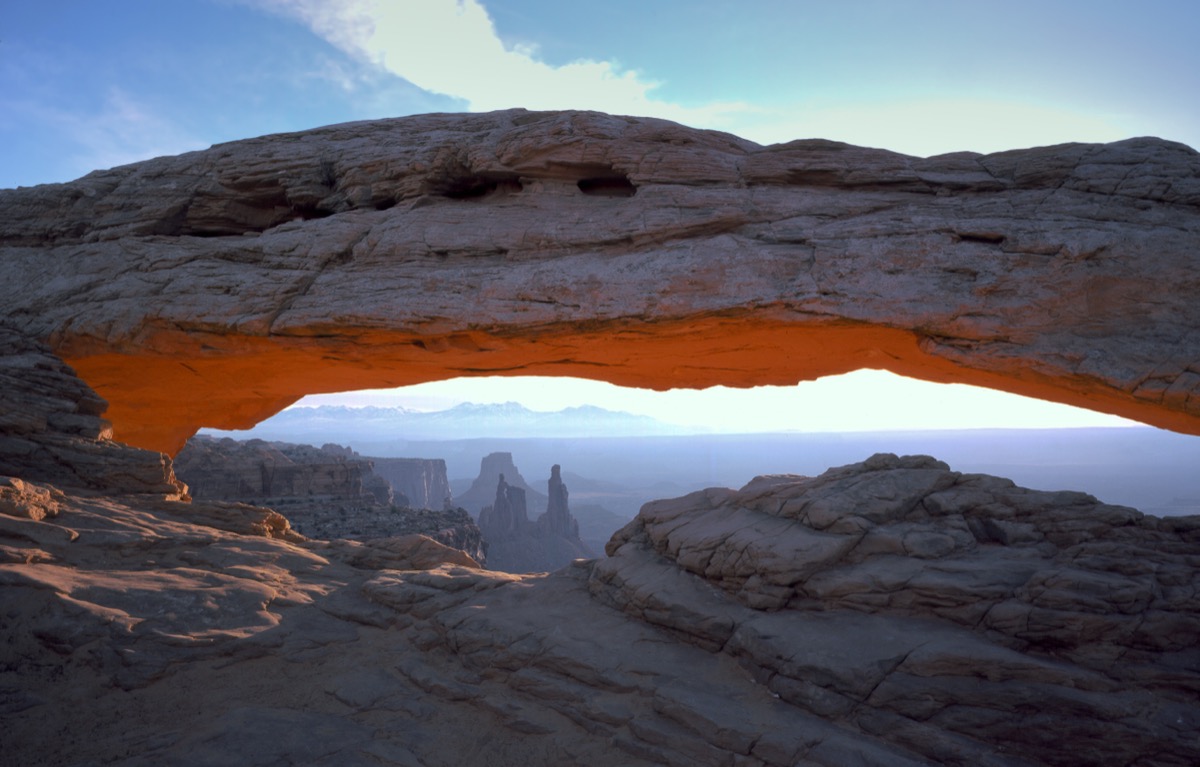
Canyonlands National Park
Three distinct zones means three entirely different portfolios from one park entry. Island in the Sky gives you layered canyon vistas, The Needles offers striped rock close-ups, and The Maze rewards multi-day commitment with formations nobody else has shot this year.
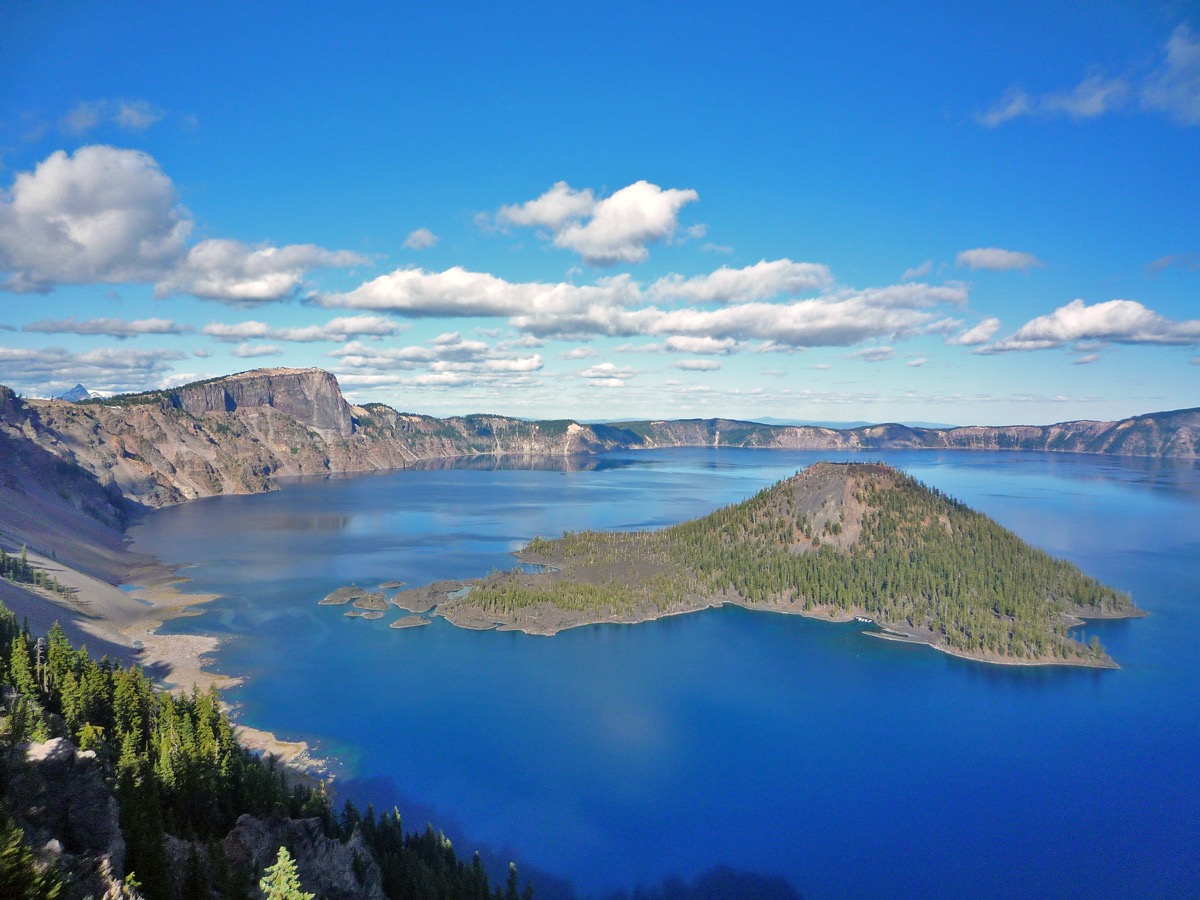
Crater Lake National Park
That blue is real—the deepest lake in America reflecting a sky at 7,000 feet with nothing but clean air between camera and subject. The 33-mile Rim Drive provides compositions every few hundred yards, from Wizard Island framing to Watchman Peak overlooks, all with that impossible blue constant.
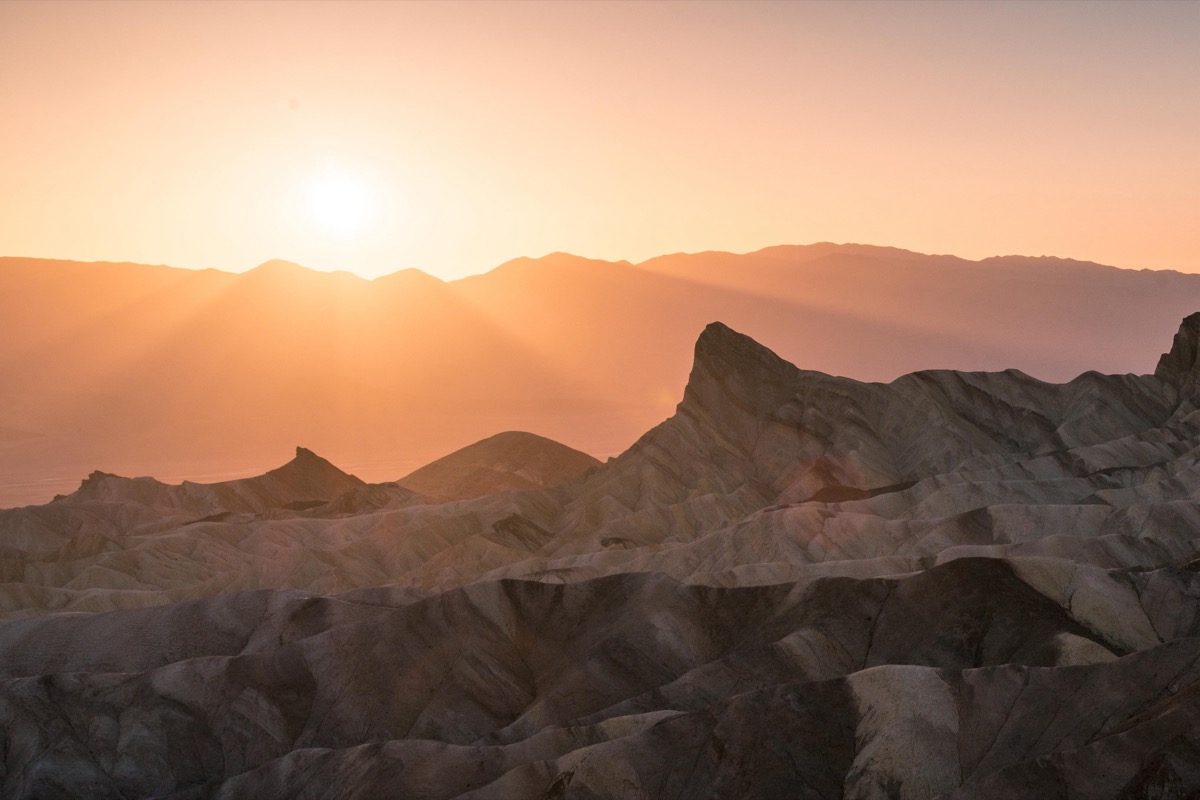
Death Valley National Park
Extreme terrain means extreme light. Badwater's salt polygons crack into geometric patterns, Zabriskie Point's badlands glow at dawn like stage lighting, and the Racetrack's moving stones write trails across a playa that photographs like another planet. Winter brings the only comfortable shooting hours.
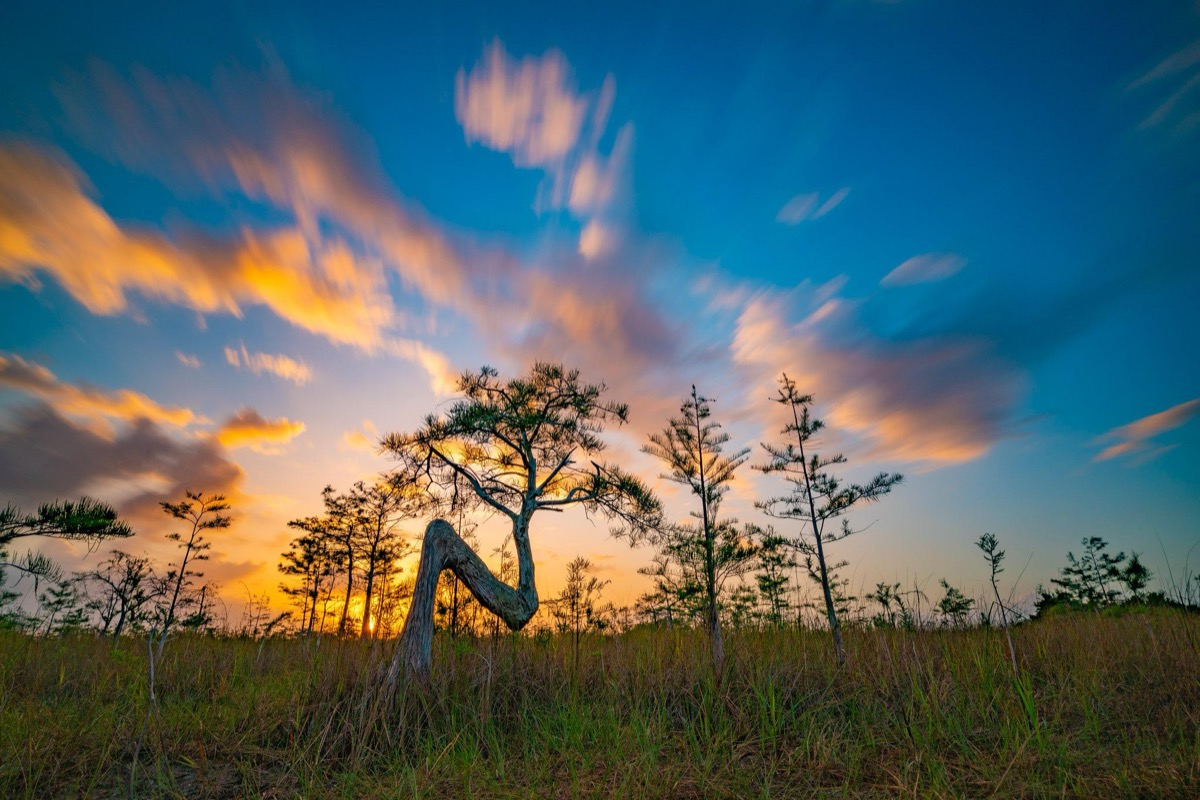
Everglades National Park
Wildlife photography at arm's length without a telephoto lens. Anhinga Trail puts alligators, herons, and anhingas close enough to shoot with a 50mm, and the morning light through sawgrass creates backlit compositions that don't exist in drier parks. December through March concentrates both animals and good light.
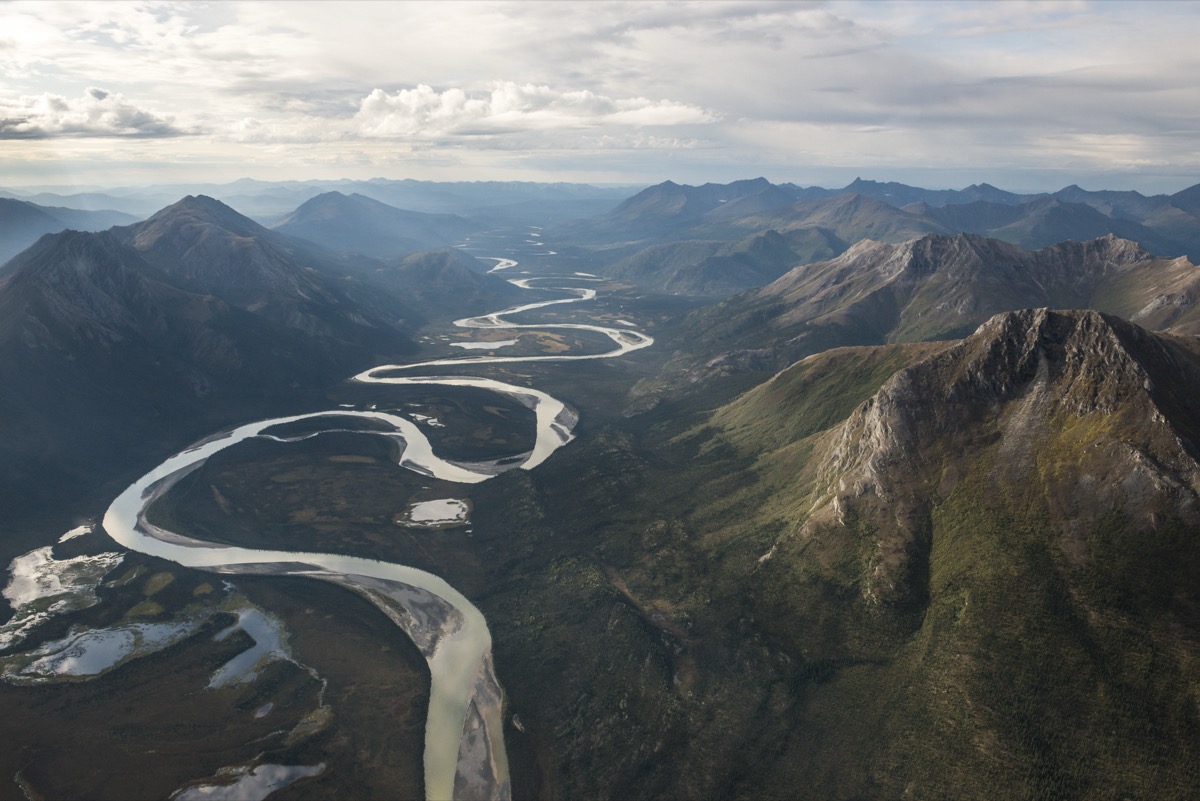
Gates Of The Arctic National Park & Preserve
The Brooks Range under midnight sun or September aurora—pick your impossible light. No trails means your compositions don't match anyone else's Instagram feed, and the Arctic's clean air lets you shoot detail at distances that would go soft in lower-48 humidity. Expect to work for every frame.
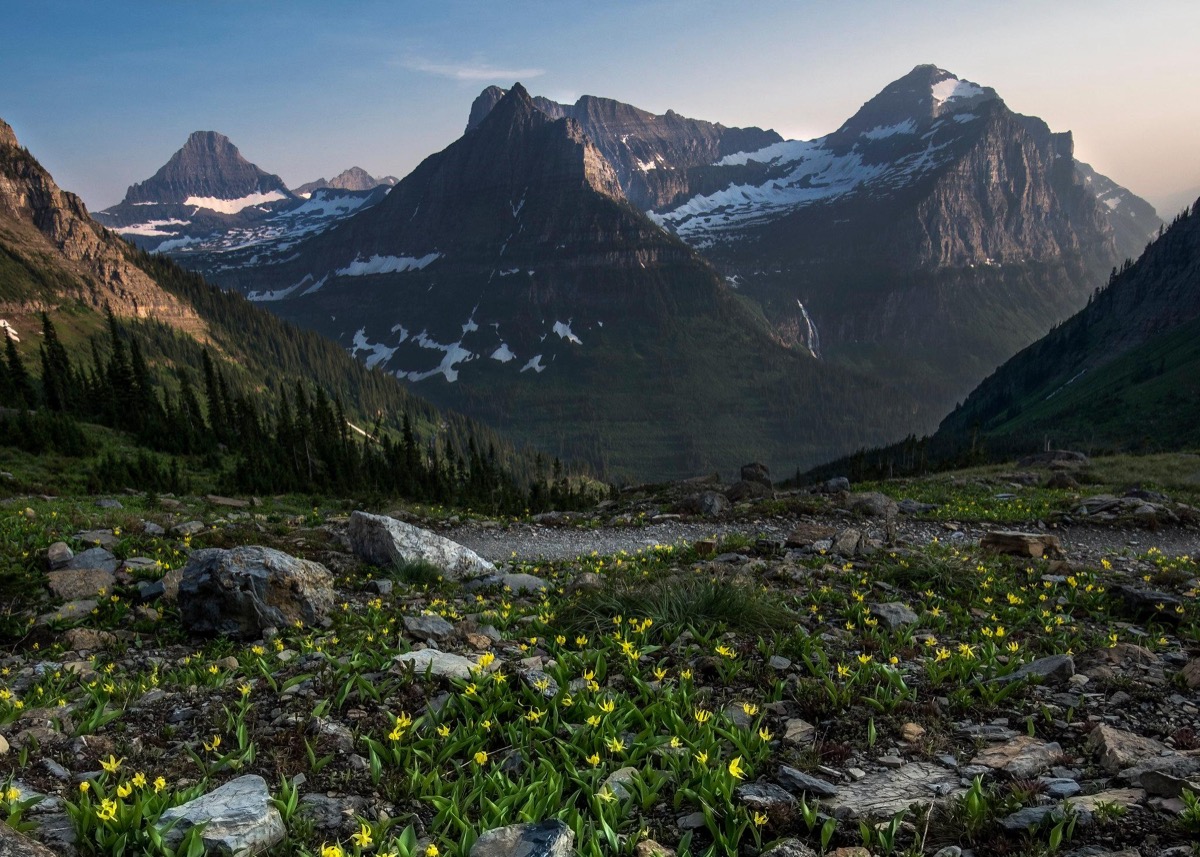
Glacier National Park
Going-to-the-Sun Road climbs through climate zones photographers usually need separate trips to capture—alpine lakes to glacial valleys to high passes in 50 miles. Grinnell Glacier and Iceberg Lake reflect peaks that still hold snow in July, and the wildlife density means you're shooting grizzlies and mountain goats without backcountry permits.
Frequently Asked Questions
- Which national parks have the best sunrise and sunset lighting?
- Arches and Bryce Canyon deliver the best golden hour conditions. Their sandstone formations amplify warm light, while Acadia's coastal position offers unobstructed horizon views for both dawn and dusk photography.
- What makes a national park good for photography?
- Landscape variety, dramatic lighting conditions, and accessible viewpoints. Parks like Canyonlands offer all three: deep canyons create shadow play, red rock intensifies color, and overlooks require minimal hiking to reach compelling compositions.
- Do I need a permit to photograph in national parks?
- Personal photography requires no permit. Commercial shoots, drone use, and tripod placement in high-traffic areas may need authorization. Biscayne requires boat access for most locations, which affects equipment transport more than permissions.
- Which parks offer the most diverse photography subjects in one location?
- Acadia packs ocean cliffs, granite peaks, forest lakes, and working harbors into a compact area. You can shoot coastal landscapes at sunrise and mountain vistas by afternoon without relocating your base camp.