Category Ranking
Best National Parks for Stargazing
The national parks with the darkest skies, measured by Bortle class. Lower numbers mean less light pollution and better conditions for stargazing. These parks sit far from major cities, where the Milky Way still dominates the night.
Updated
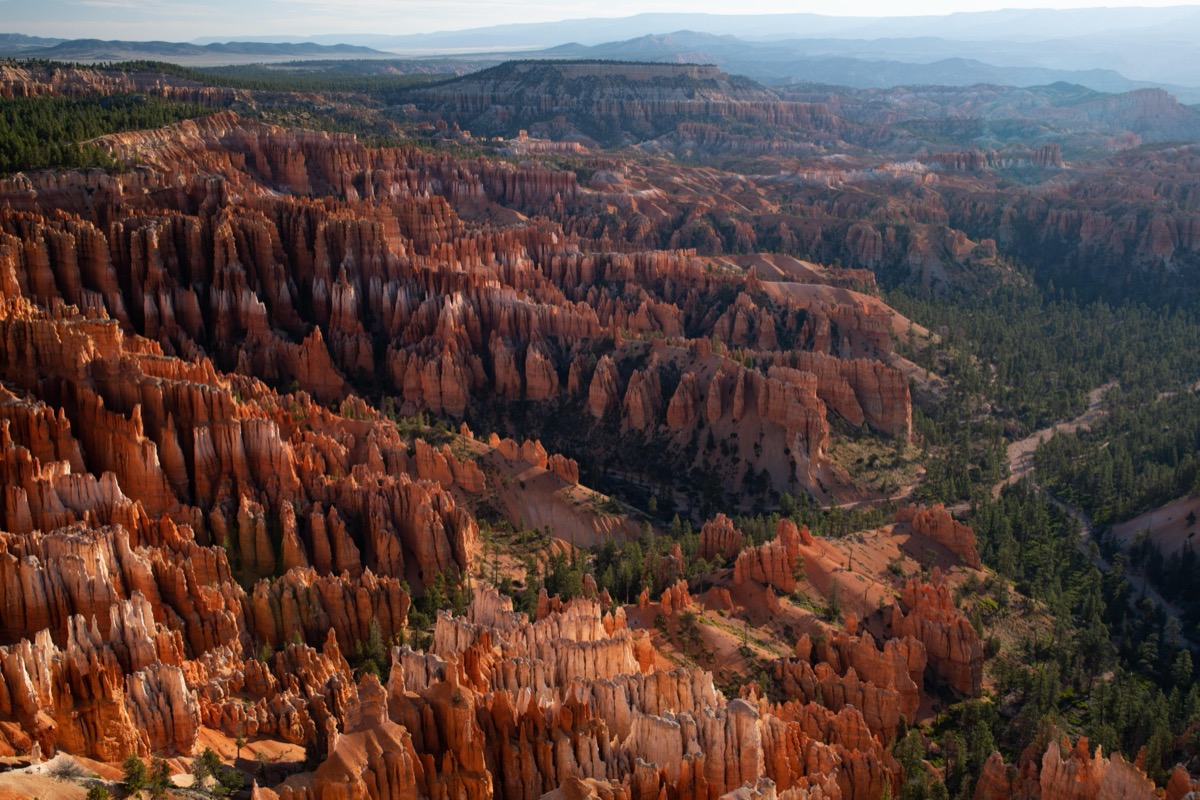
Bryce Canyon National Park
At eight thousand feet, you're already closer to the stars. The park's rim-top amphitheaters offer natural viewing platforms above the hoodoos, and the high-altitude air stays dry and clear most nights.
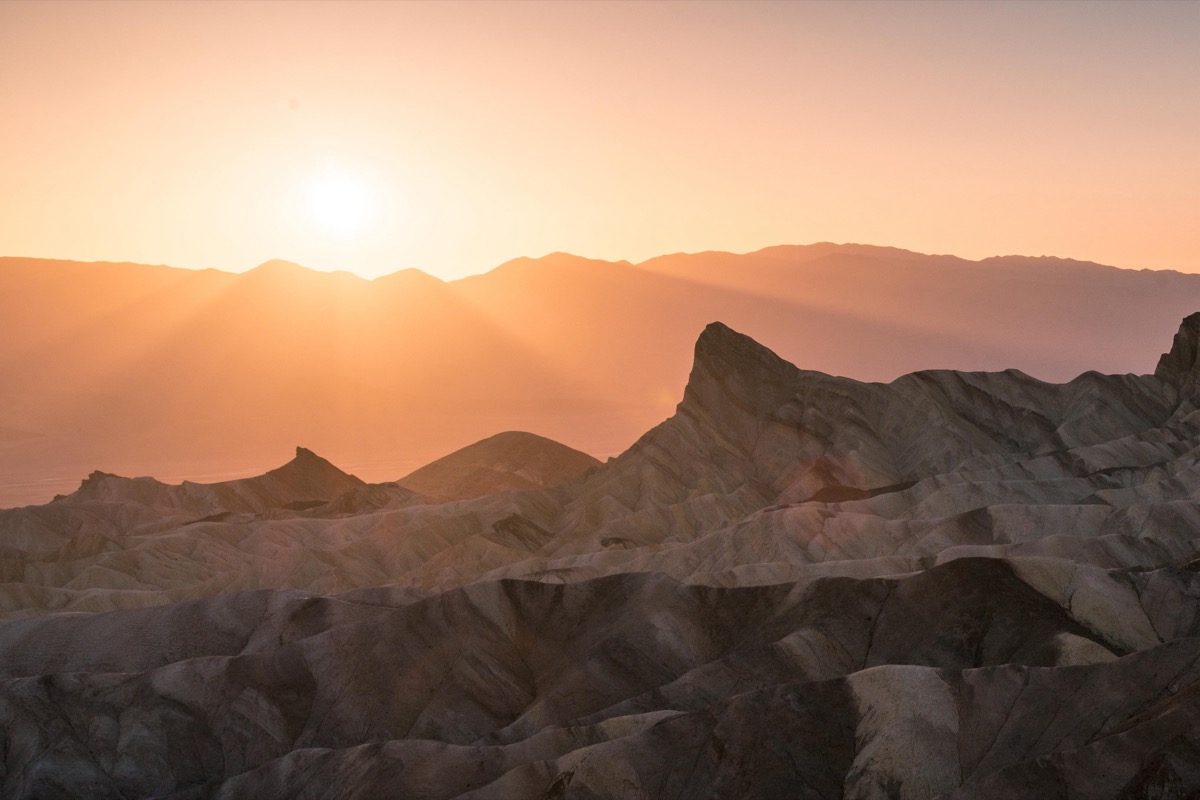
Death Valley National Park
America's largest national park outside Alaska gives you thousands of square miles between you and the nearest city lights. The basin's low humidity and extreme isolation make the Milky Way visible even during quarter-moon phases.
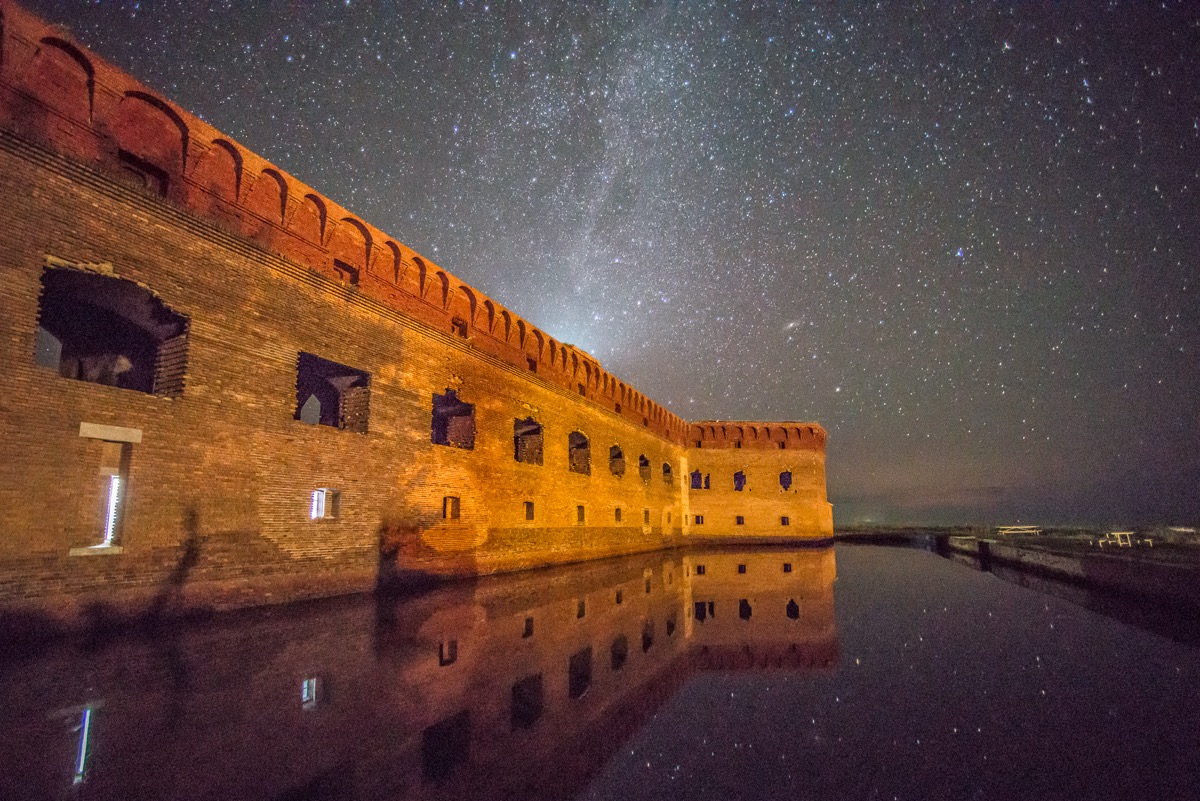
Dry Tortugas National Park
Seventy miles of Gulf water separate Garden Key from the nearest streetlight. The complete darkness reveals southern constellations invisible from mainland Florida, though tropical storms can scrub viewing windows.
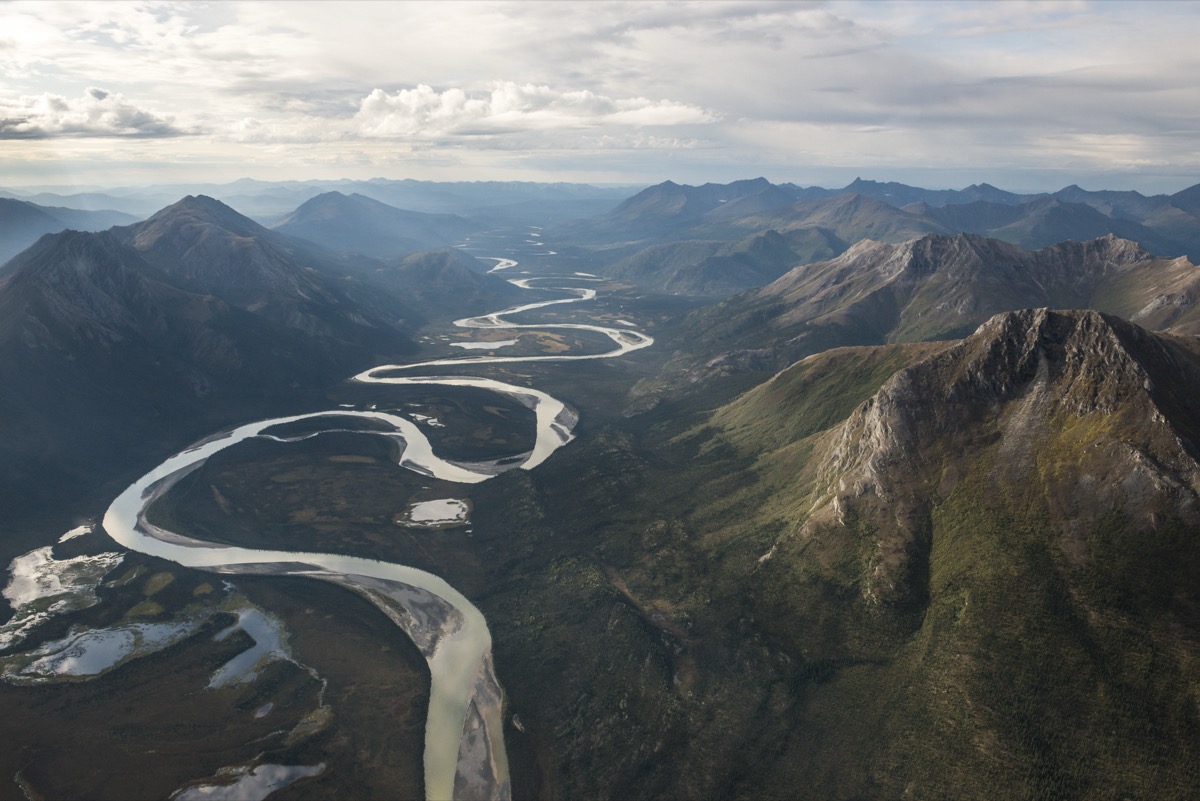
Gates Of The Arctic National Park & Preserve
Six million roadless acres where the aurora borealis competes with the stars for your attention. Summer's midnight sun limits viewing to late August and September, but the Brooks Range blocks southern light pollution completely.
Glacier National Park
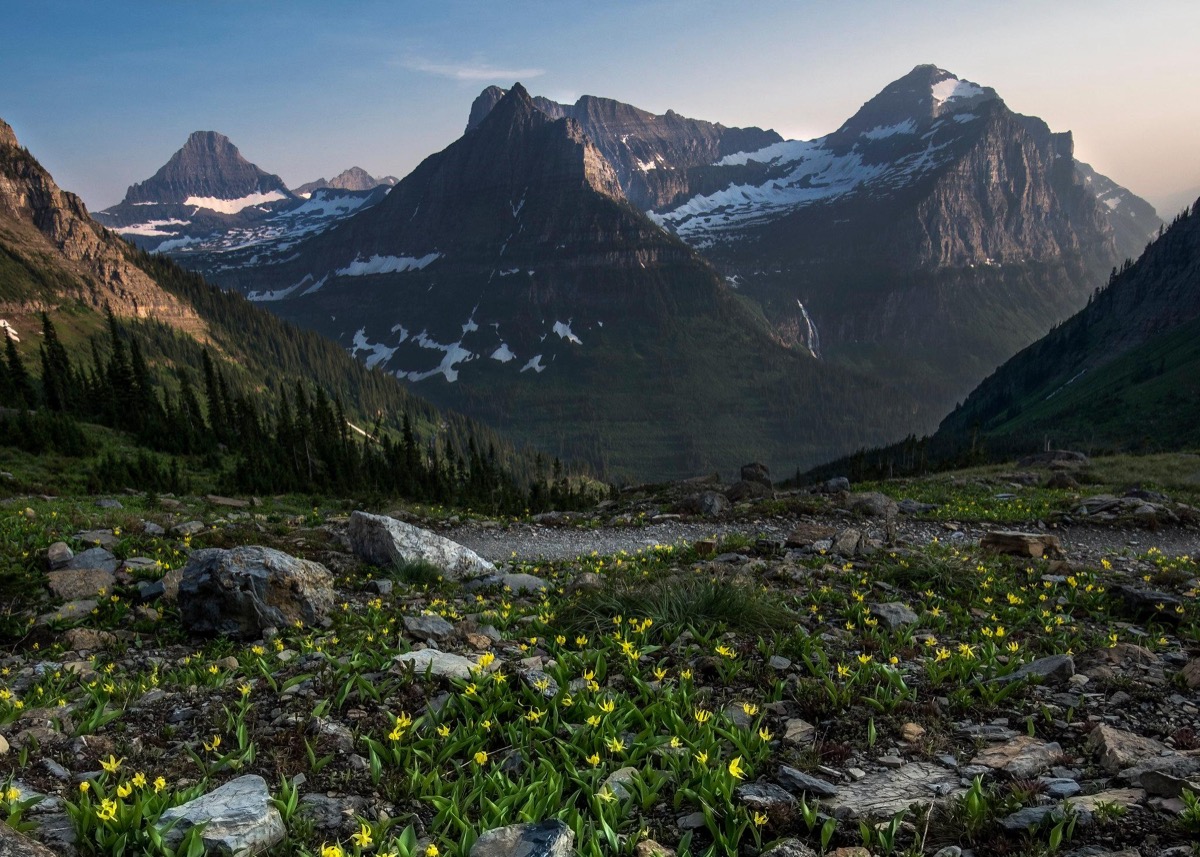
The Going-to-the-Sun Road closes at sunset, cutting off vehicle access to Logan Pass. Backcountry sites along the Continental Divide offer mountain-ringed views where glacial valleys block light from distant Montana towns.
Great Basin National Park
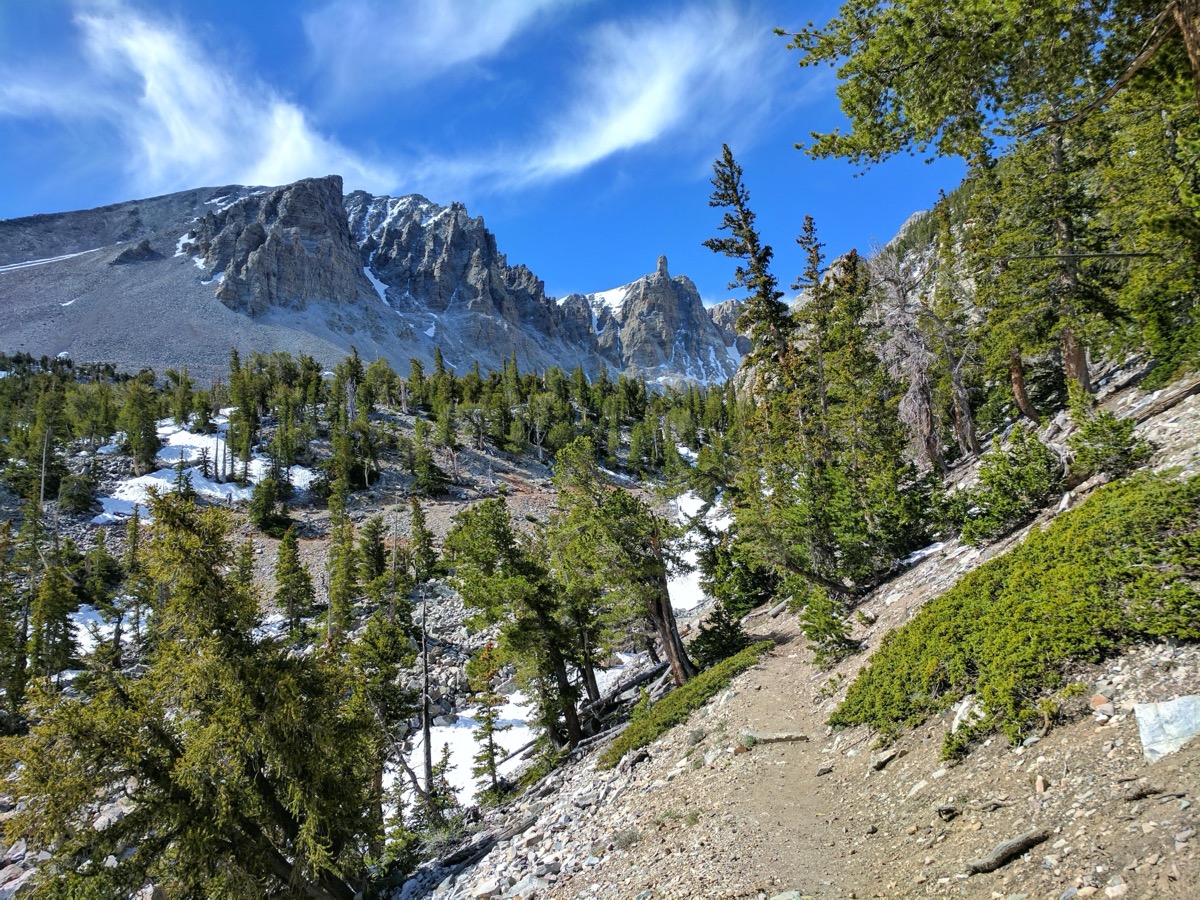
Wheeler Peak's thirteen-thousand-foot summit puts you above most atmospheric interference, and the nearest city sits five hours away. The ancient bristlecone pines make silhouette foregrounds for Milky Way photography.
Great Sand Dunes National Park & Preserve
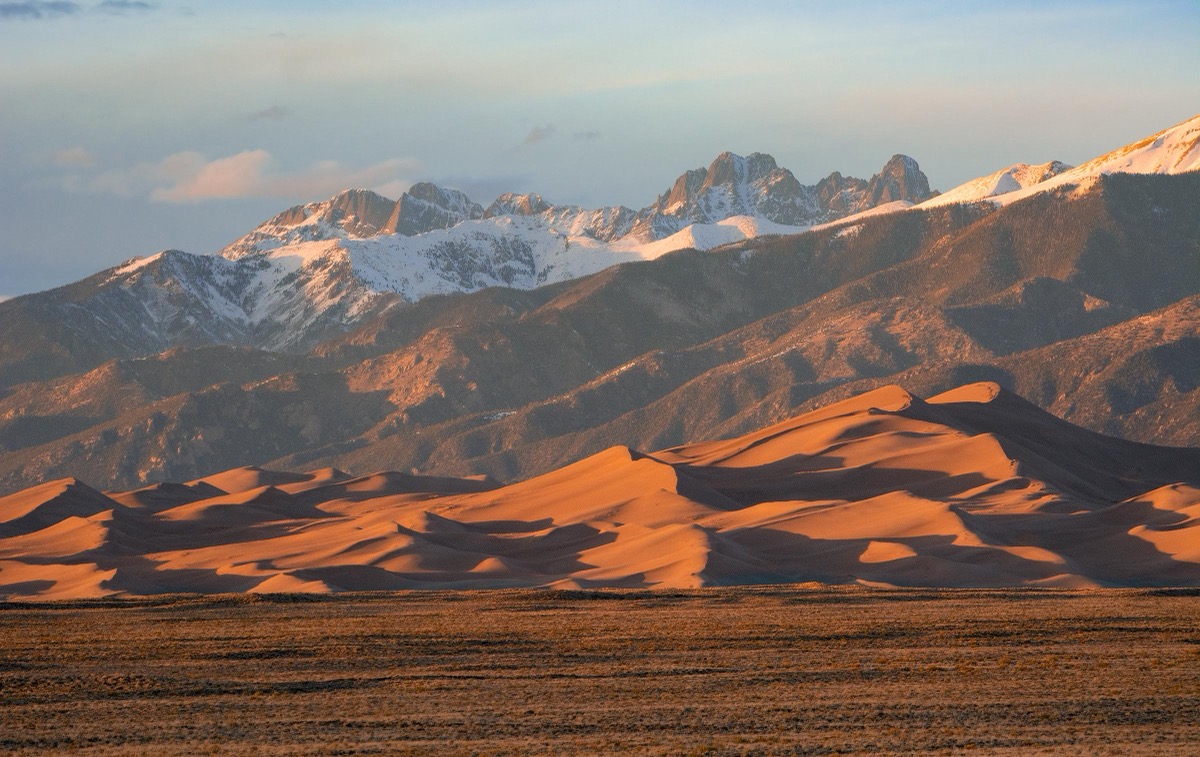
North America's tallest dunes create natural viewing platforms that block horizon glow from the San Luis Valley below. The sand's thermal mass radiates heat for hours after sunset, making spring and fall more comfortable than summer nights.
Joshua Tree National Park
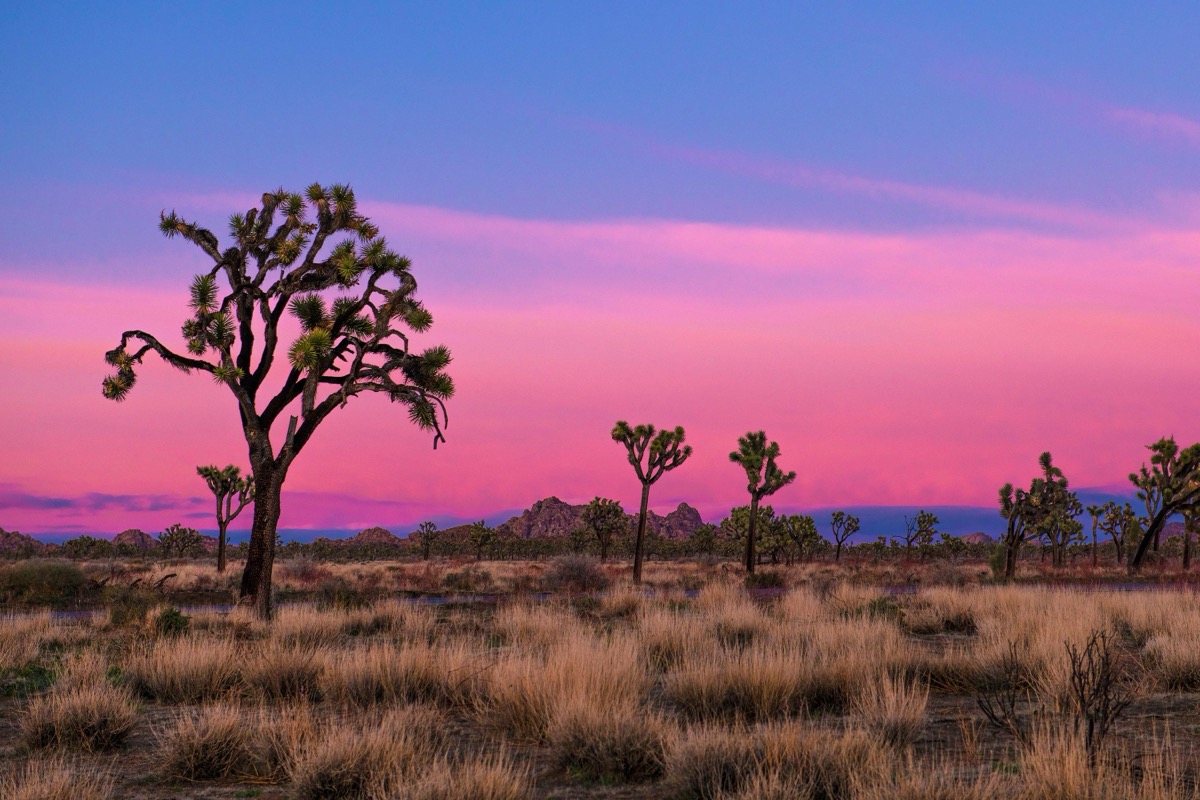
Los Angeles sits two hours west, but the park's eastern half—past Pinto Basin—escapes most coastal light pollution. Winter's longer nights and cooler temps make December through February the prime viewing window.
Kobuk Valley National Park
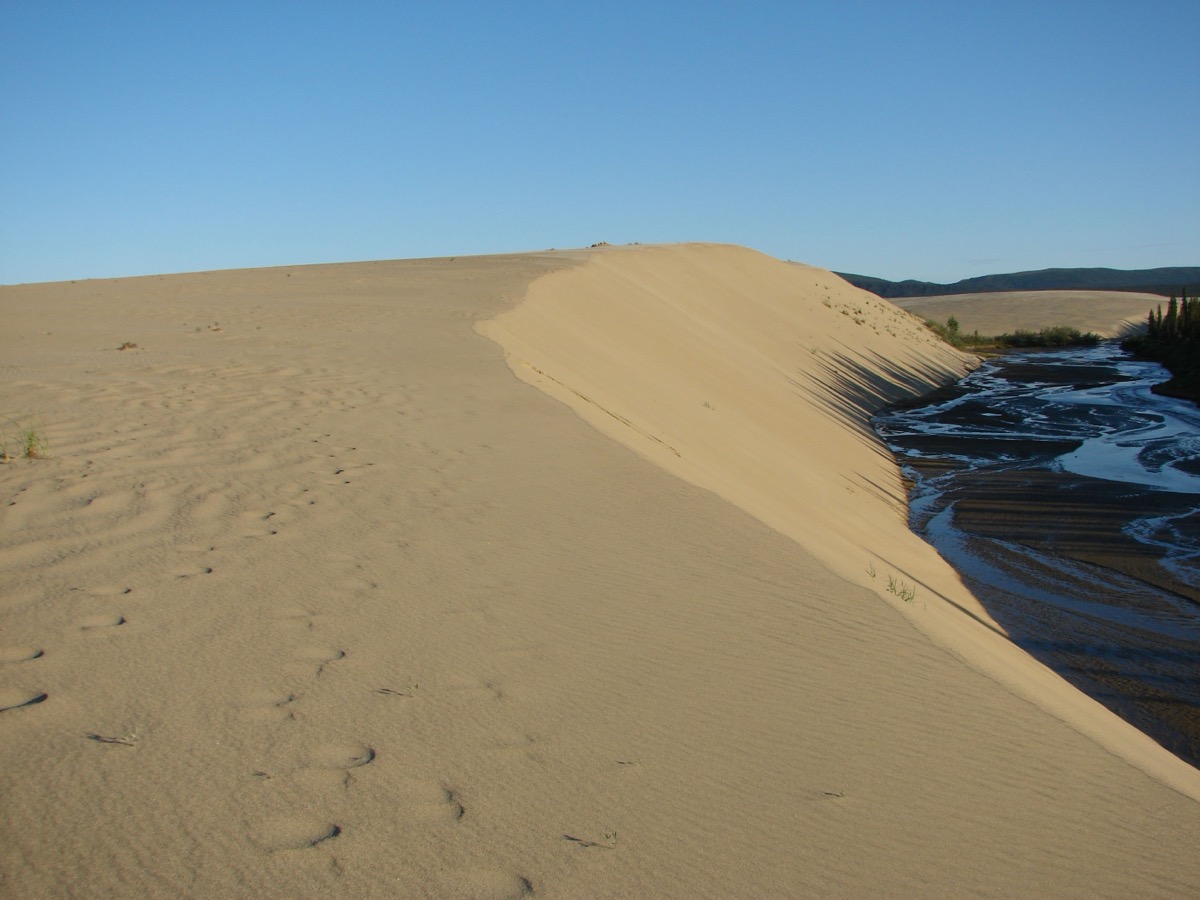
The Great Kobuk Sand Dunes rise from tundra two hundred miles above the Arctic Circle. Summer's endless daylight limits viewing to late August, but the complete isolation from power grids means zero light pollution when darkness returns.
Lake Clark National Park & Preserve
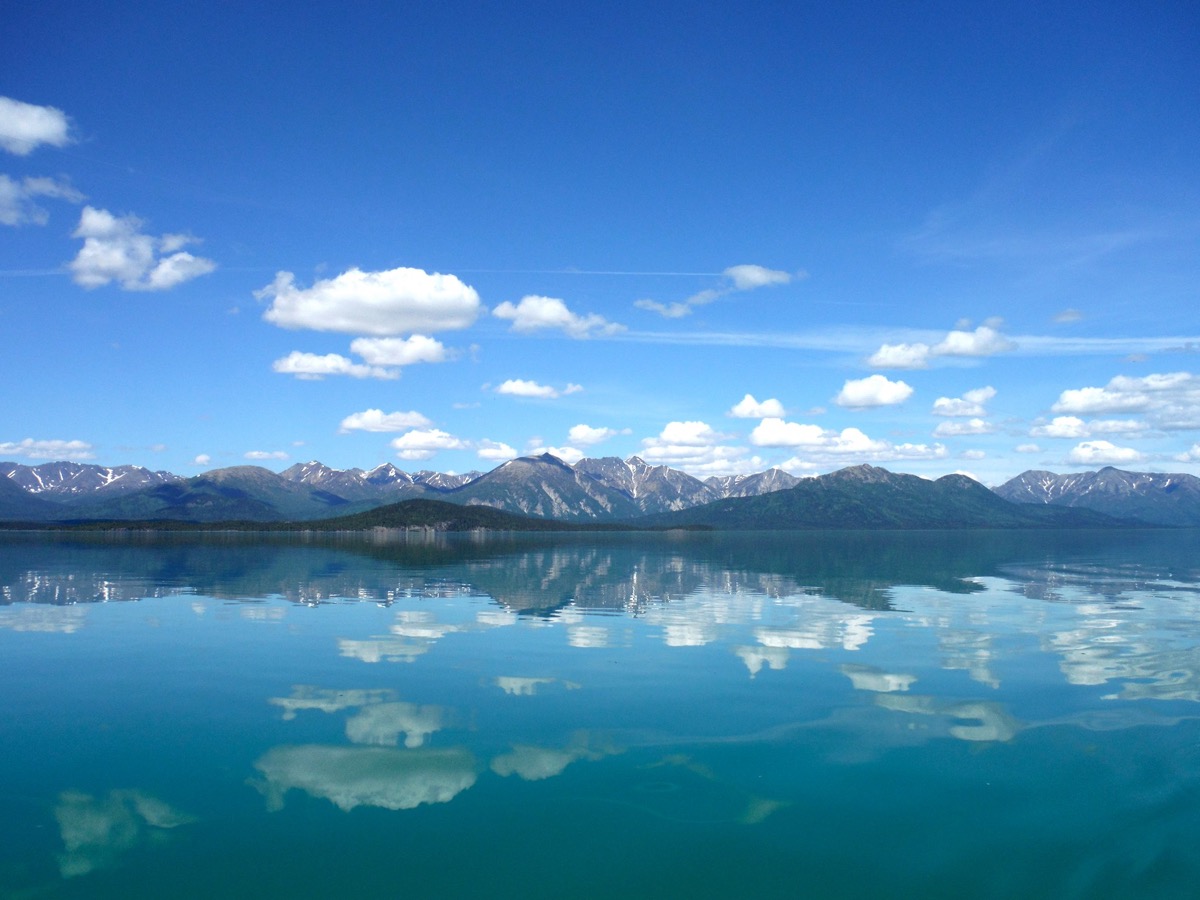
Two active volcanoes and glacial lakes sit under skies so dark that floatplane pilots navigate by starlight. The park's position between the Alaska and Aleutian Ranges blocks light from Anchorage and coastal settlements.
Frequently Asked Questions
- What makes a national park good for stargazing?
- Bortle class measures light pollution—lower is darker. Class 1 skies, like those at Death Valley and Gates of the Arctic, reveal the Milky Way's full structure and thousands of stars invisible from cities.
- Can you stargaze at popular parks like Yellowstone?
- Yes, but expect compromises. Yellowstone registers Bortle 3-4 near Old Faithful due to lodges and traffic. Drive to Lamar Valley or the park's eastern reaches for darker, quieter skies.
- Which parks offer both dark skies and easy access?
- Bryce Canyon combines Bortle 1 skies with paved viewpoints and ranger-led astronomy programs. Death Valley offers similar darkness with car camping near Furnace Creek—no backcountry permit required.
- Do I need special equipment for stargazing in national parks?
- Your eyes adapt to darkness in twenty minutes. Binoculars help with the Milky Way's detail, but parks like Dry Tortugas and Glacier reward patient observation without gear.