Category Ranking
Best National Parks for Wildlife
Wildlife viewing quality separates these parks from the rest. The top ranks go to places where animals are not just present but reliably visible, where geography concentrates wildlife into accessible viewing zones, and where the species themselves draw travelers across continents.
Updated
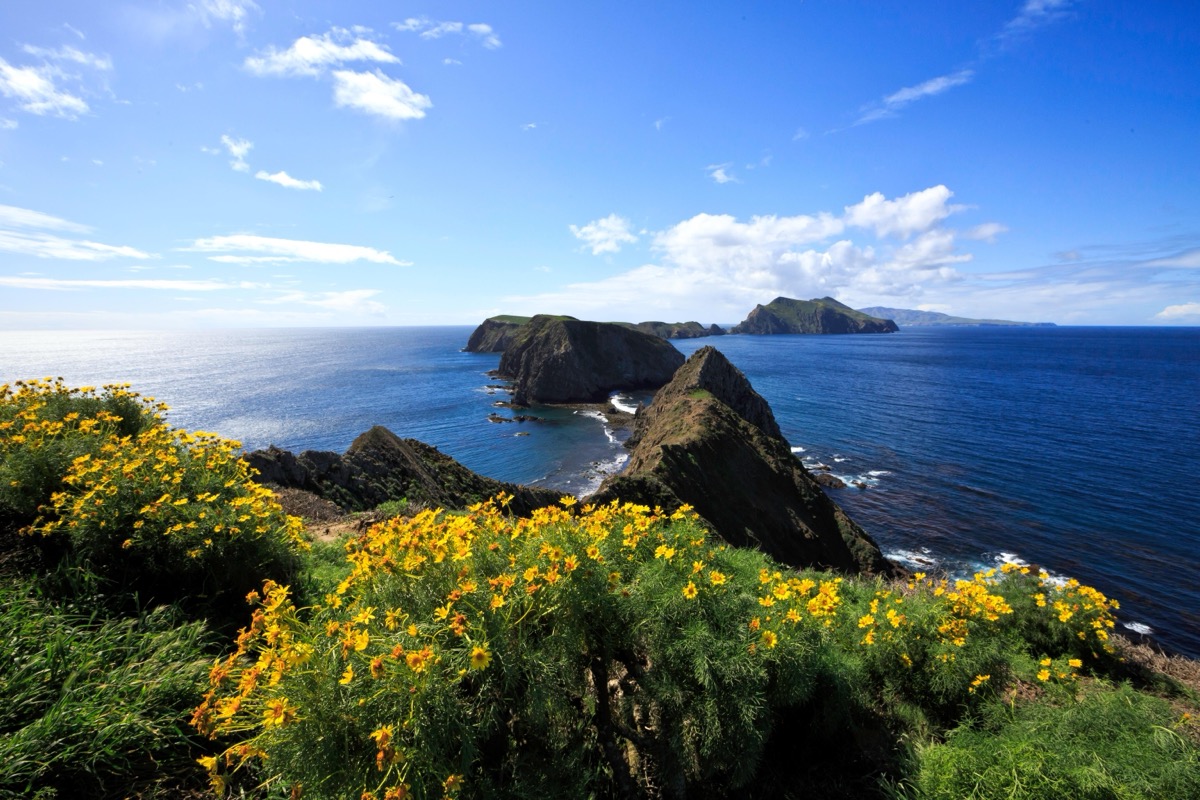
Channel Islands National Park
Island isolation created California's endemic island fox and island scrub-jay. Sea lions crowd the boat landing at Anacapa, and breeding seabirds outnumber visitors by orders of magnitude. The marine protection zone turns kelp forests into aquarium-density viewing.
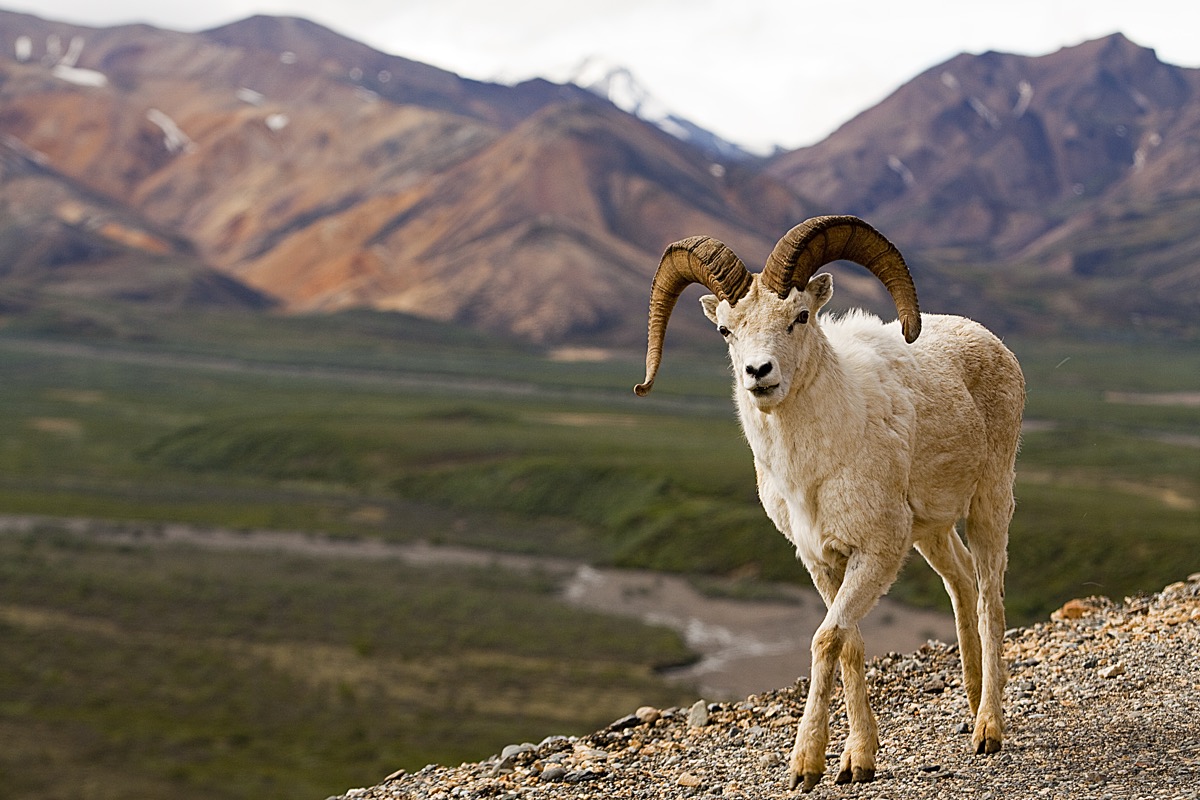
Denali National Park & Preserve
A single 92-mile road through tundra valleys creates sightlines measured in miles. Grizzlies dig for ground squirrels in view of shuttle buses, Dall sheep graze above Polychrome Pass, and caribou herds cross at unpredictable intervals. The park's size dilutes crowds but concentrates animals.
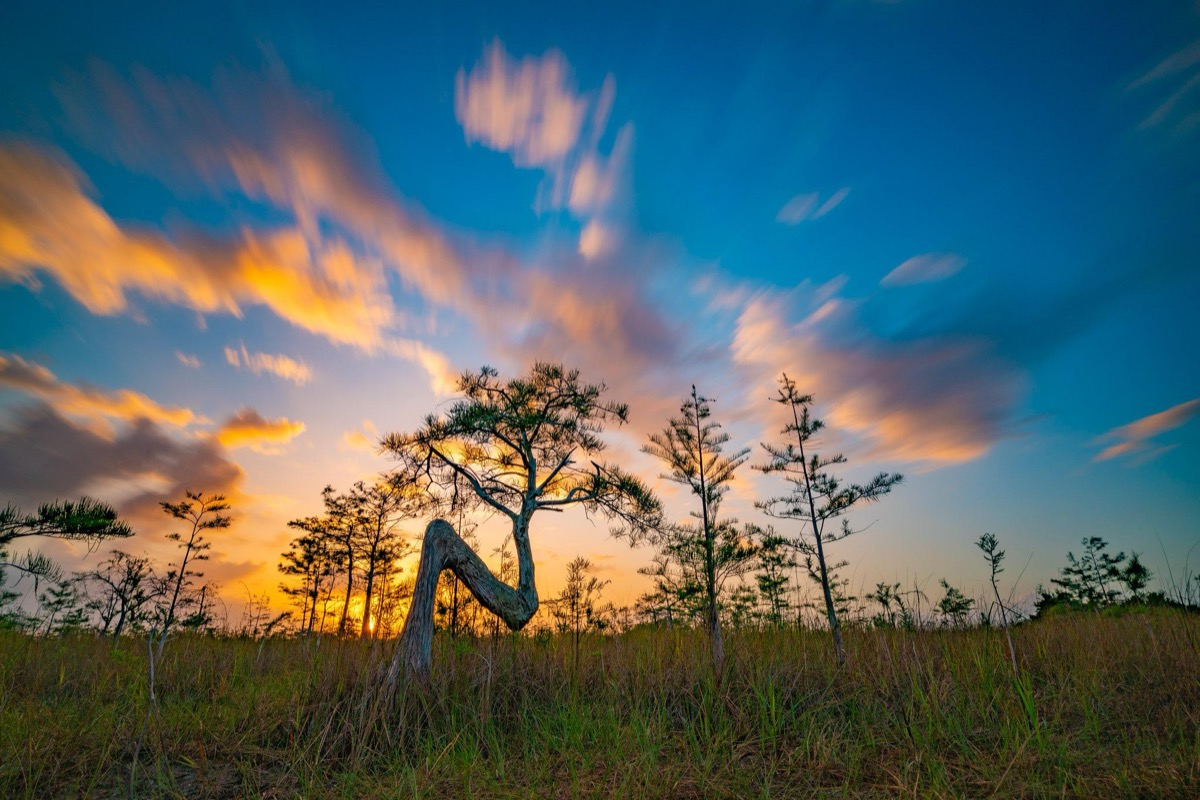
Everglades National Park
Anhinga Trail delivers wading birds, alligators, and turtles at arm's length. The shallow-water system forces wildlife to surface, and winter dry-down concentrates fish into pools that draw feeding frenzies. Royal Palm and Shark Valley turn driving into guaranteed sightings.
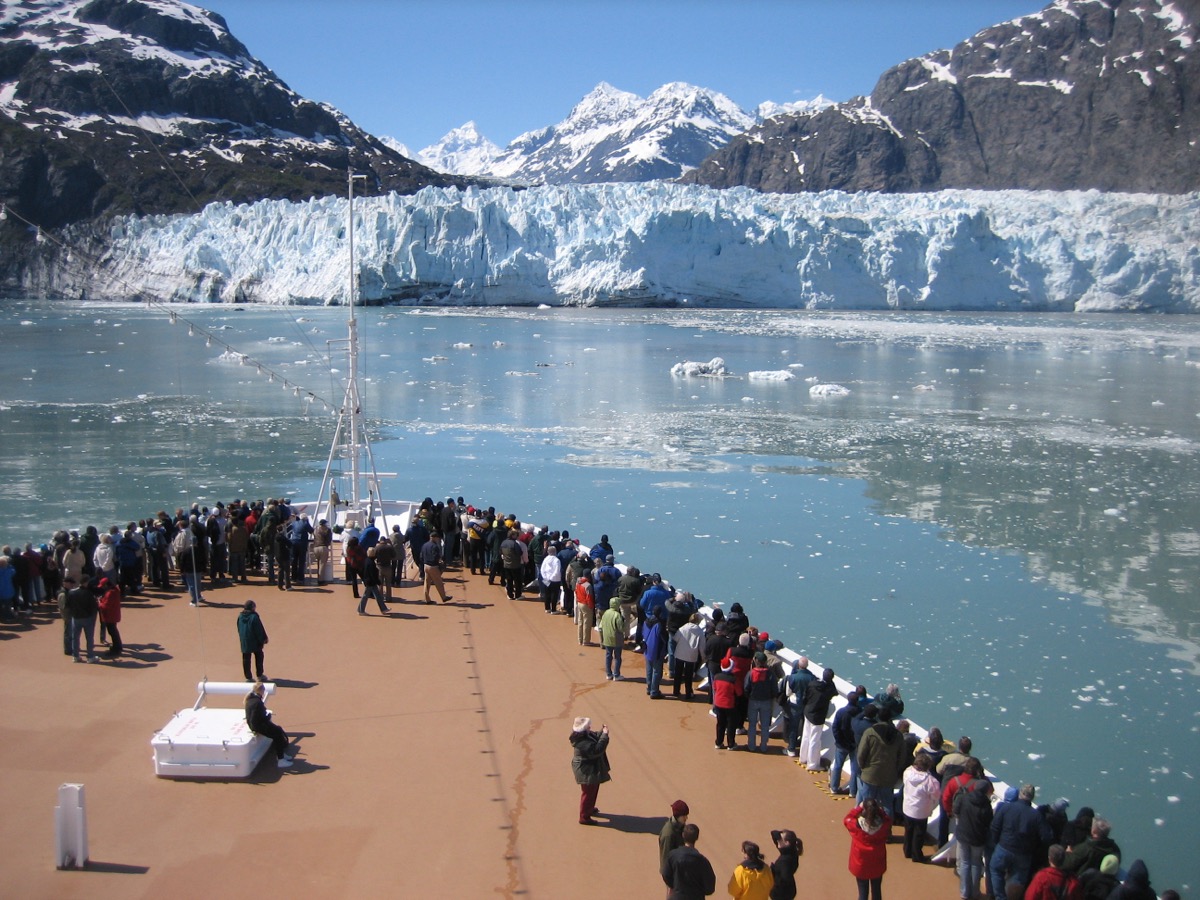
Glacier Bay National Park & Preserve
Humpback whales feed in fjords where cruise ships idle for photo ops. Harbor seals pup on ice floes calved from Margerie Glacier, and brown bears fish streams visible from tour boats. The boat-access requirement means wildlife encounters are curated, not accidental.
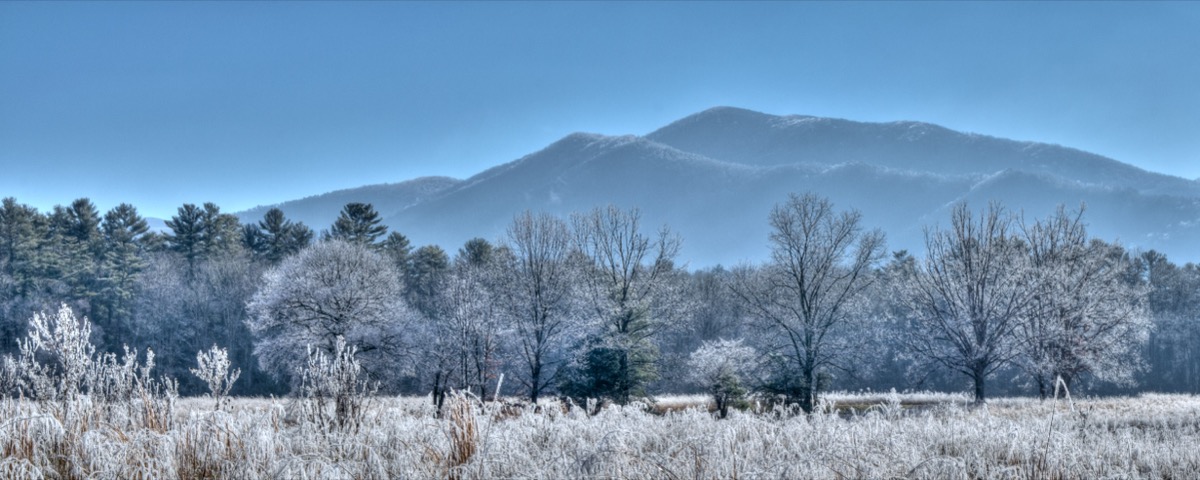
Great Smoky Mountains National Park
Black bears outnumber parking spaces at Cades Cove during berry season. Synchronous fireflies blink in unison at Elkmont, and salamander diversity exceeds any other park. The humid forest hides wildlife until dawn and dusk traffic jams prove otherwise.
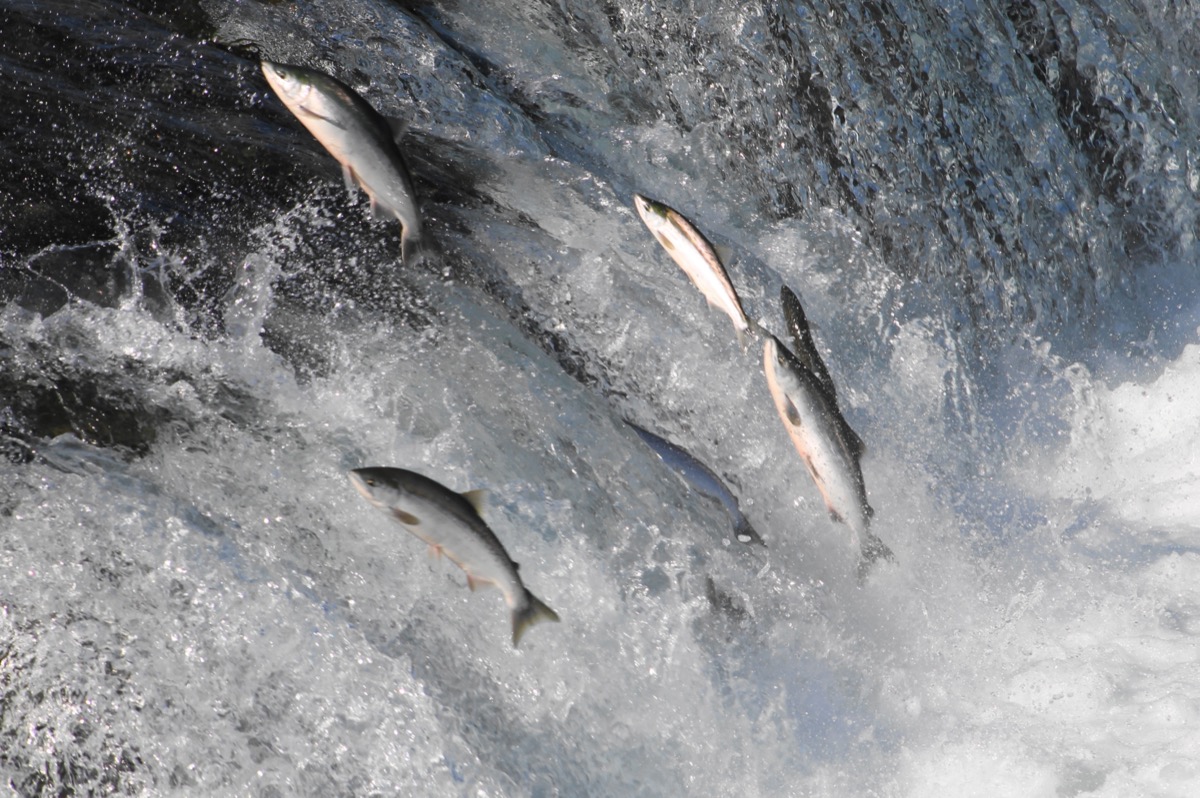
Katmai National Park & Preserve
Brooks Falls concentrates more brown bears per square mile than anywhere outside Russia. July salmon runs create a feeding platform where bears fish within telephoto range. The floatplane requirement filters crowds while guaranteeing the park's signature spectacle.
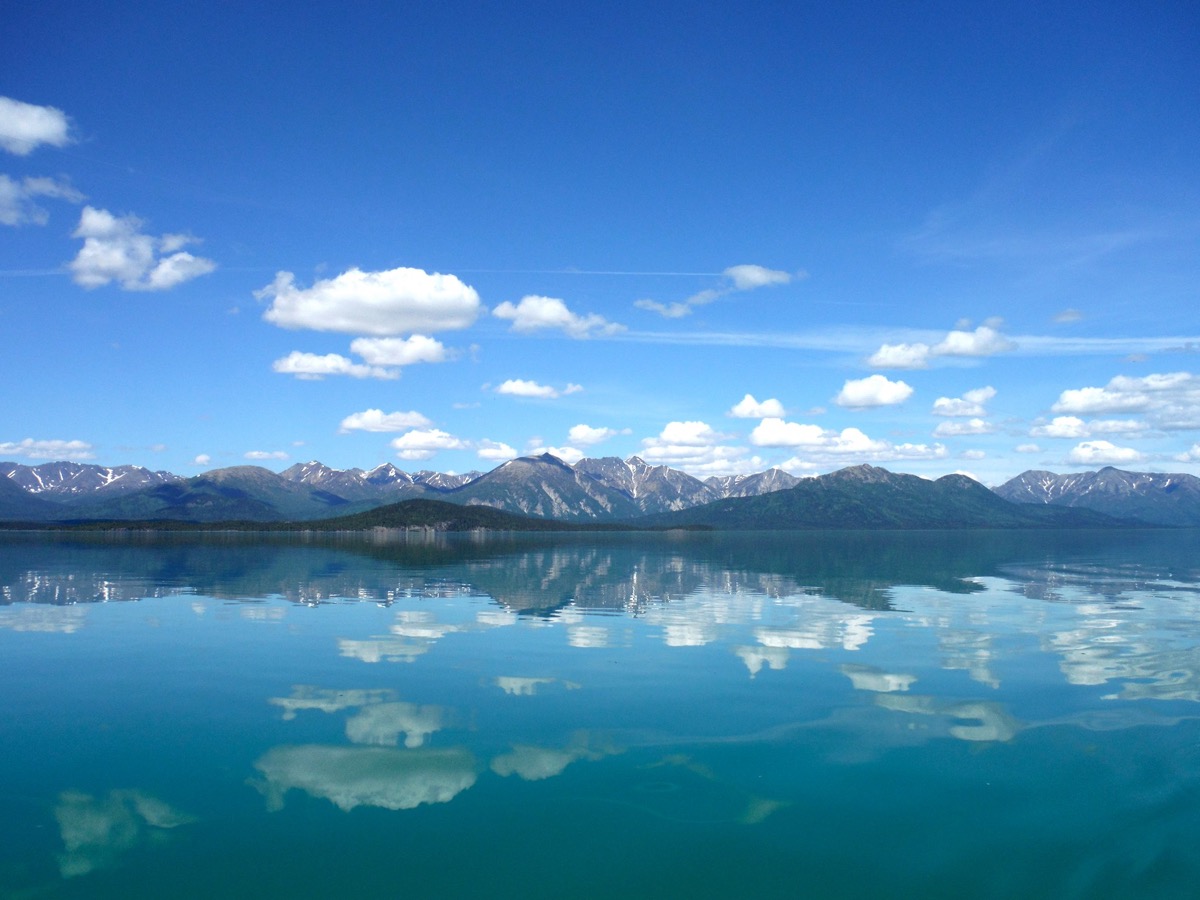
Lake Clark National Park & Preserve
Brown bears fish salmon streams that only floatplanes reach. Dall sheep traverse volcanic ridges above turquoise glacial lakes, and caribou migrations cross valleys with no trails to guide them. The roadless access keeps wildlife behavior unaltered by human patterns.
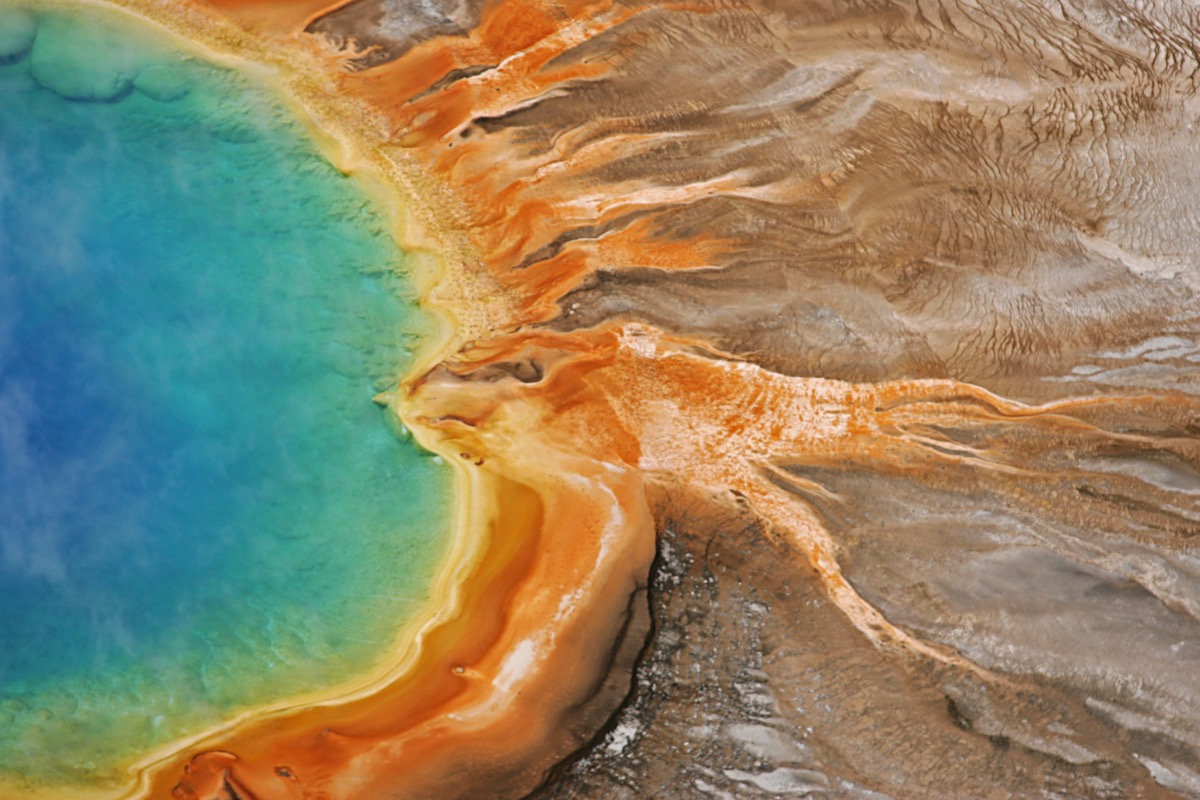
Yellowstone National Park
Lamar Valley earns its 'American Serengeti' nickname with wolves, bison herds, and grizzlies visible from pullouts. The park's size creates habitat corridors, and geothermal features draw ungulates in winter. Wildlife jams prove the sightings are reliable, not lucky.
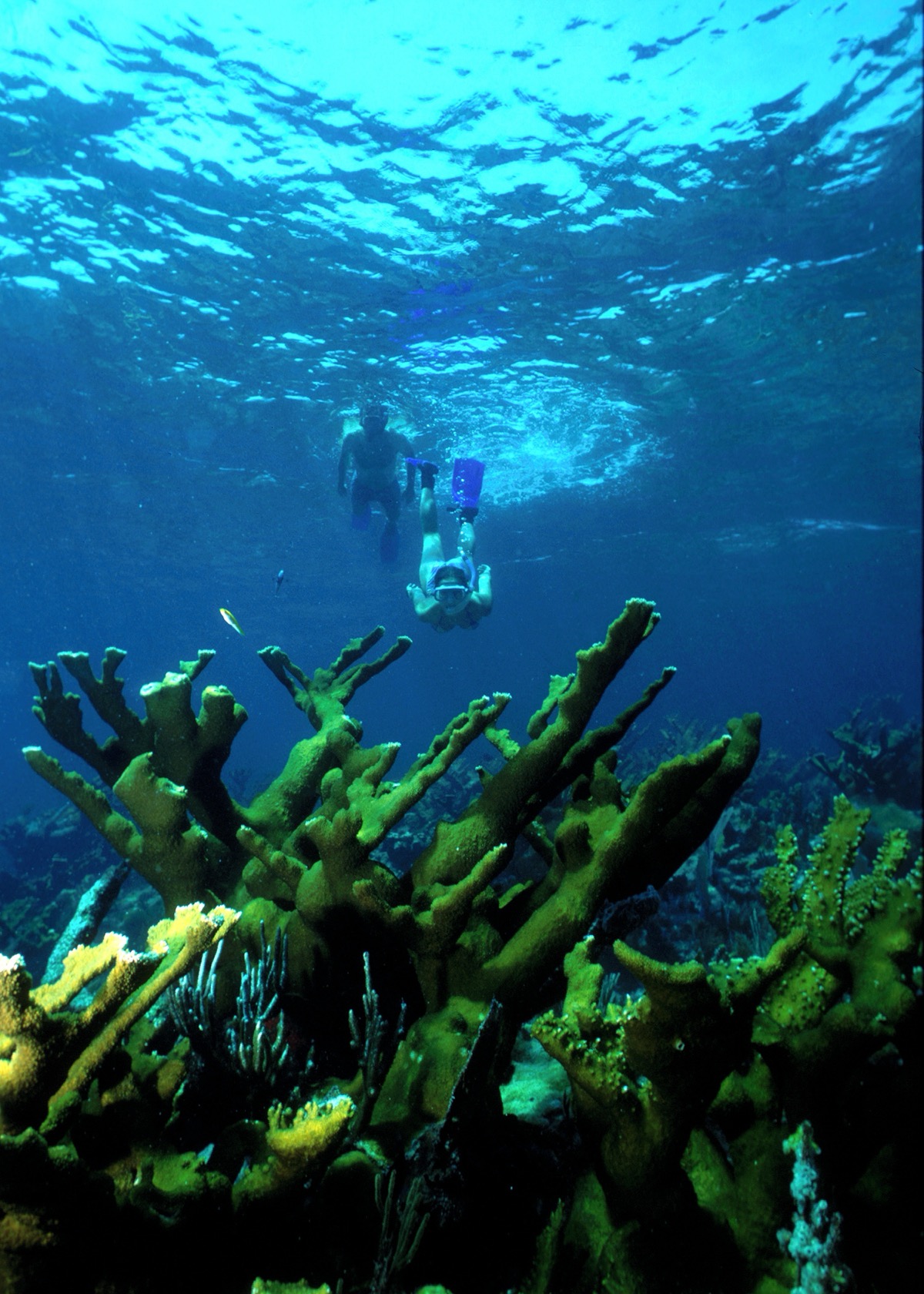
Biscayne National Park
Coral reefs within swimming distance of Miami support more fish species than most aquariums. Manatees shelter in Biscayne Bay's warm shallows, and dolphins follow boat wakes between keys. The marine protection creates underwater visibility rarely found this close to urban sprawl.
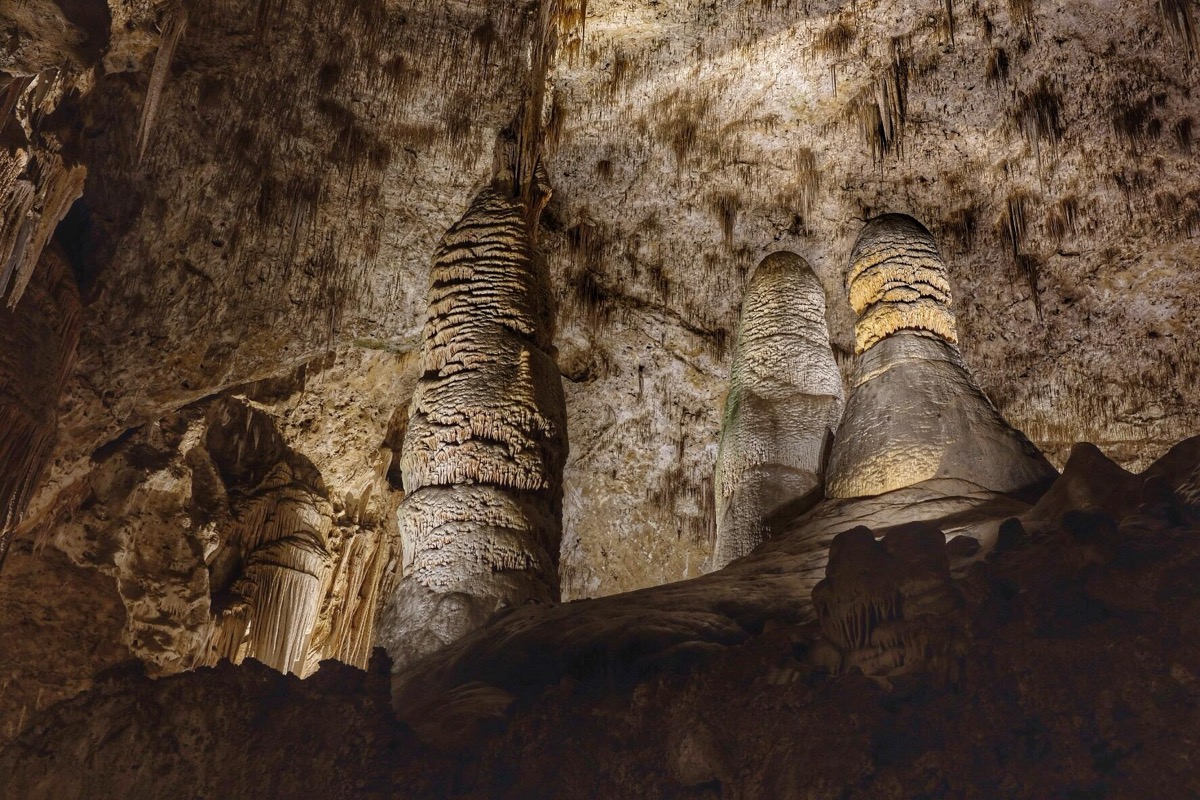
Carlsbad Caverns National Park
Mexican free-tailed bats spiral out of the Natural Entrance in summer clouds dense enough to show on weather radar. The evening flight draws crowds to the amphitheater, and Lechuguilla Cave's ecosystem includes species found nowhere else on Earth.
Frequently Asked Questions
- Which national park has the best wildlife viewing opportunities?
- Channel Islands leads our wildlife rankings, where isolated evolution created species found nowhere else on Earth. Denali follows closely, with grizzlies, wolves, and caribou roaming tundra visible from the park road.
- Where can I see bears in national parks?
- Denali and Glacier Bay offer your best odds. Denali's open tundra makes spotting grizzlies easier than dense forests elsewhere. Glacier Bay's coastal brown bears fish for salmon along shorelines accessible by boat.
- What's the easiest park for wildlife photography?
- Great Smoky Mountains puts wildlife within reach of paved roads. Elk graze Cataloochee Valley at dawn, black bears wander Cades Cove in evening light, and white-tailed deer appear along every forest corridor.
- Which parks have marine wildlife?
- Channel Islands and Glacier Bay dominate marine viewing. Channel Islands protects breeding colonies of seals, sea lions, and migrating whales. Glacier Bay adds humpback whales, orcas, and sea otters against glacier backdrops.