Category Ranking
Best National Parks for Winter
Winter transforms the national park system. While most visitors wait for summer, a handful of parks come alive in the cold months — offering mild weather, thin crowds, and landscapes at their most dramatic.
Updated
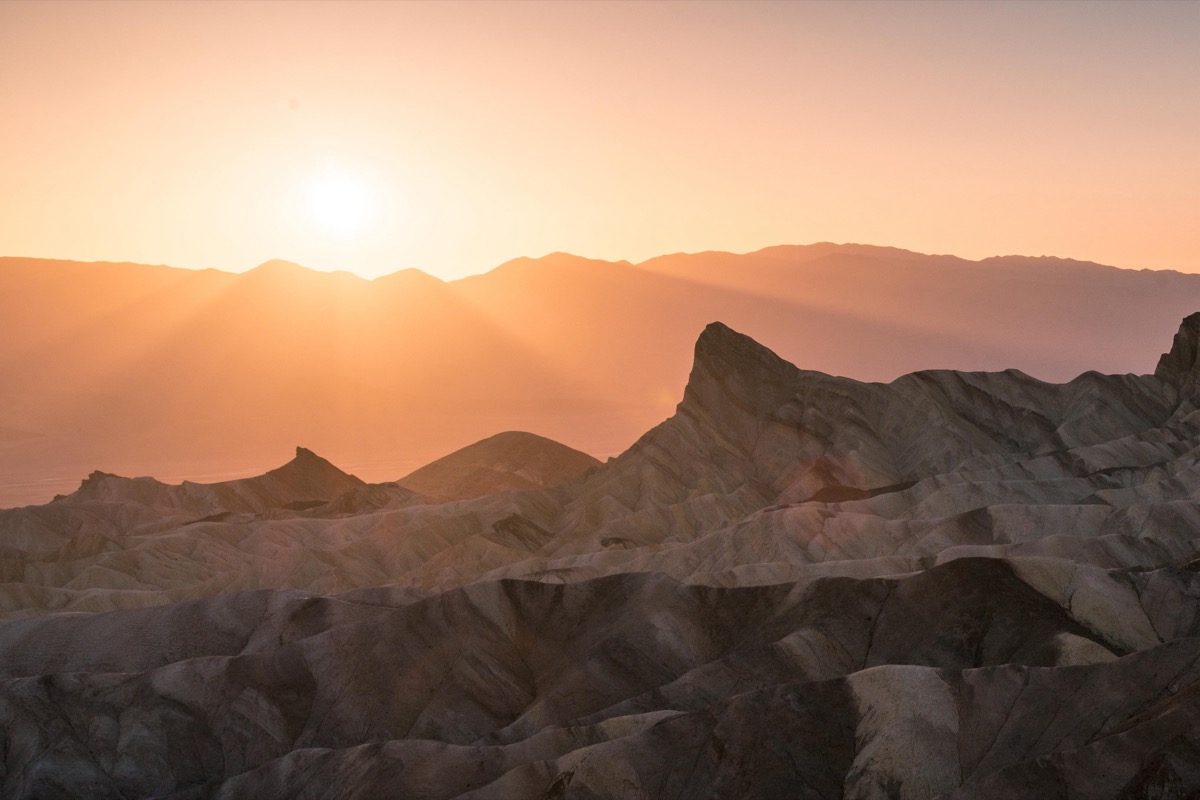
Death Valley National Park
Death Valley's salt flats, singing dunes, and moving rocks reward October-to-April visitors with cooler temps and wildflower blooms.
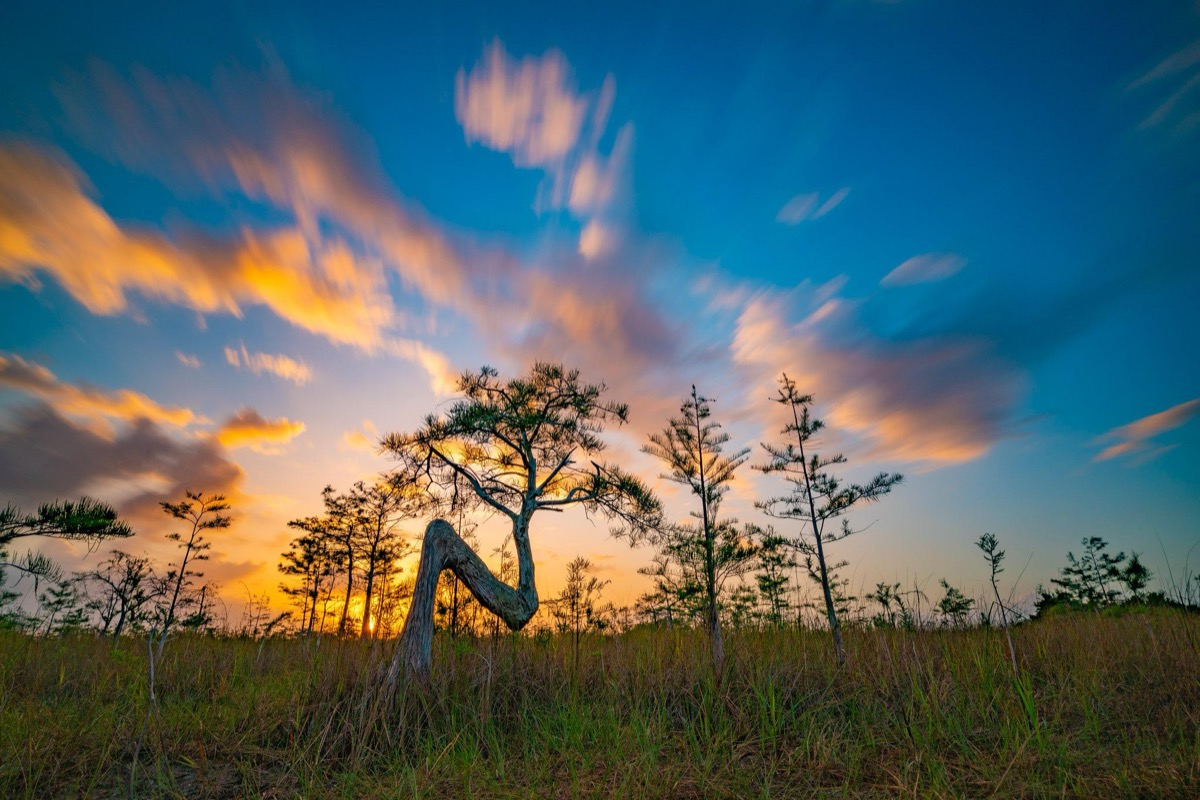
Everglades National Park
America's largest subtropical wilderness—a slow-moving river creating sawgrass marshes, mangrove islands, and alligator habitat.
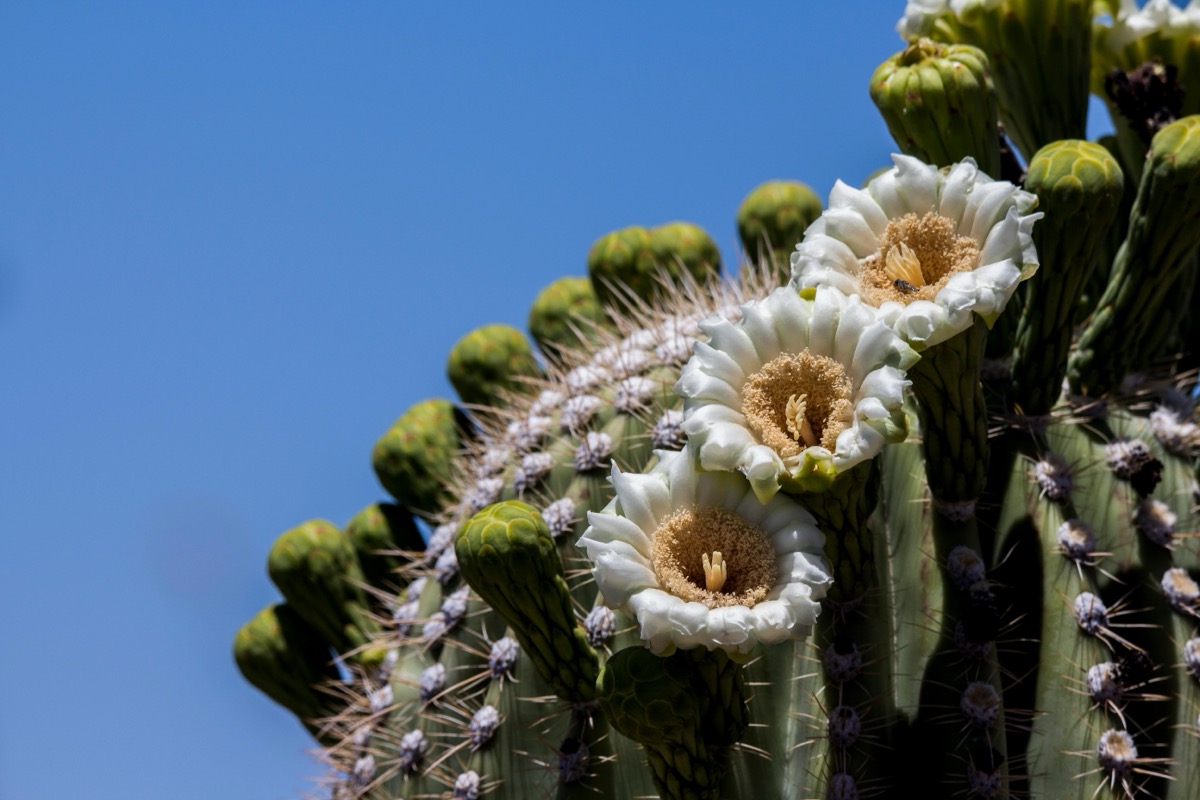
Saguaro National Park
Giant saguaros, some 200 years old and 40 feet tall, frame both sides of Tucson in the densest stands of these iconic cacti anywhere.
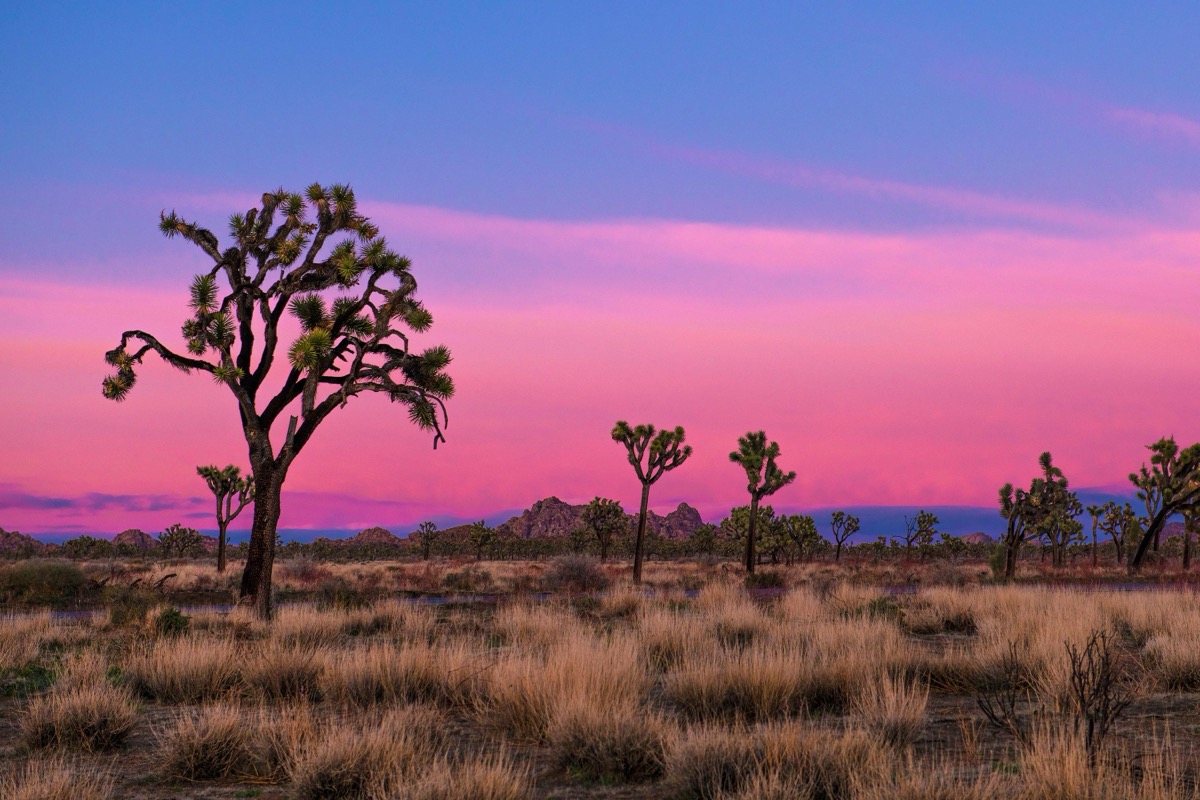
Joshua Tree National Park
Two desert ecosystems meet where the Mojave's yuccas give way to the Colorado's slopes and granite formations split by ancient forces.
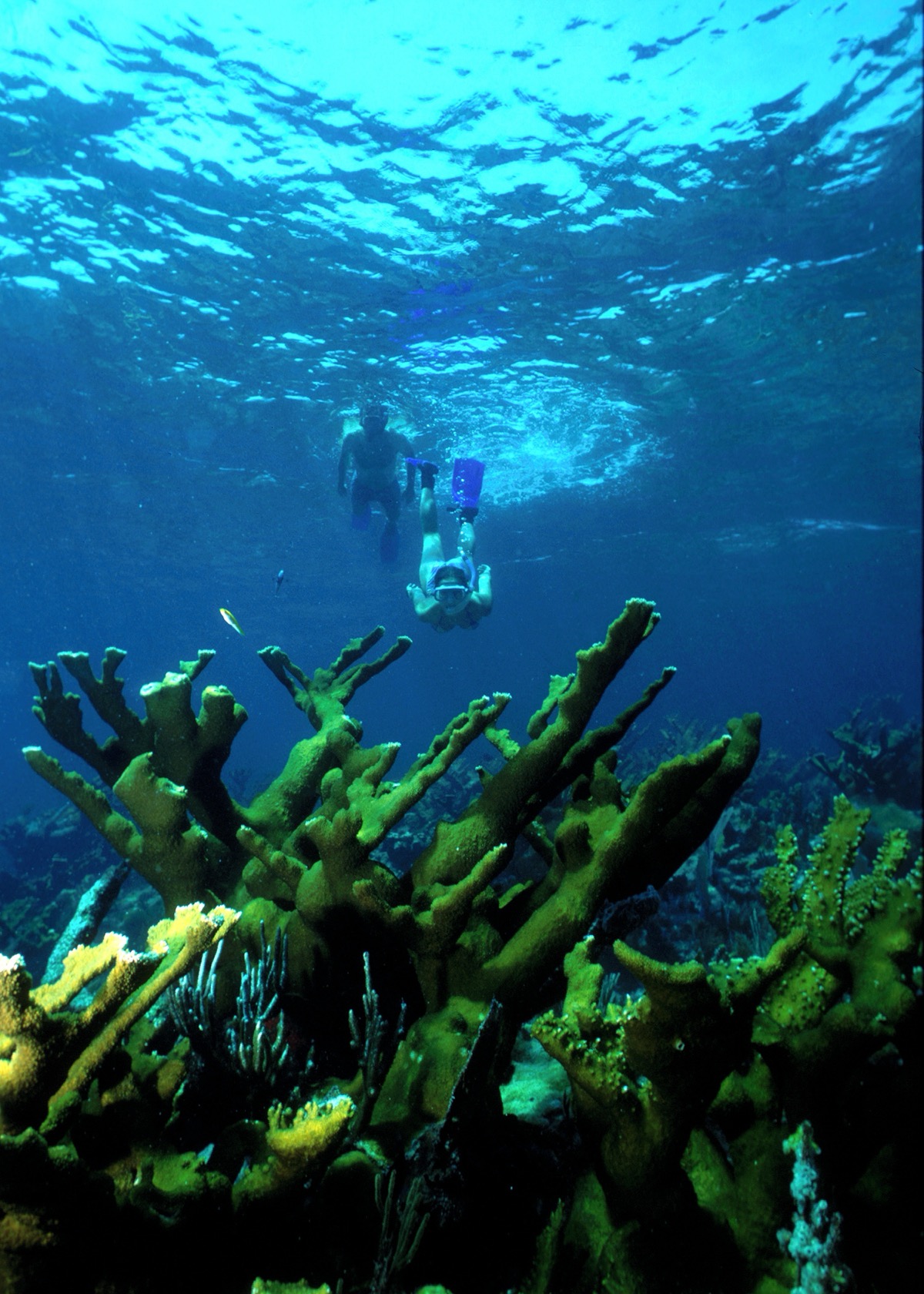
Biscayne National Park
Miami's skyline floats on the horizon while you snorkel over the continental United States' only living coral reef system.
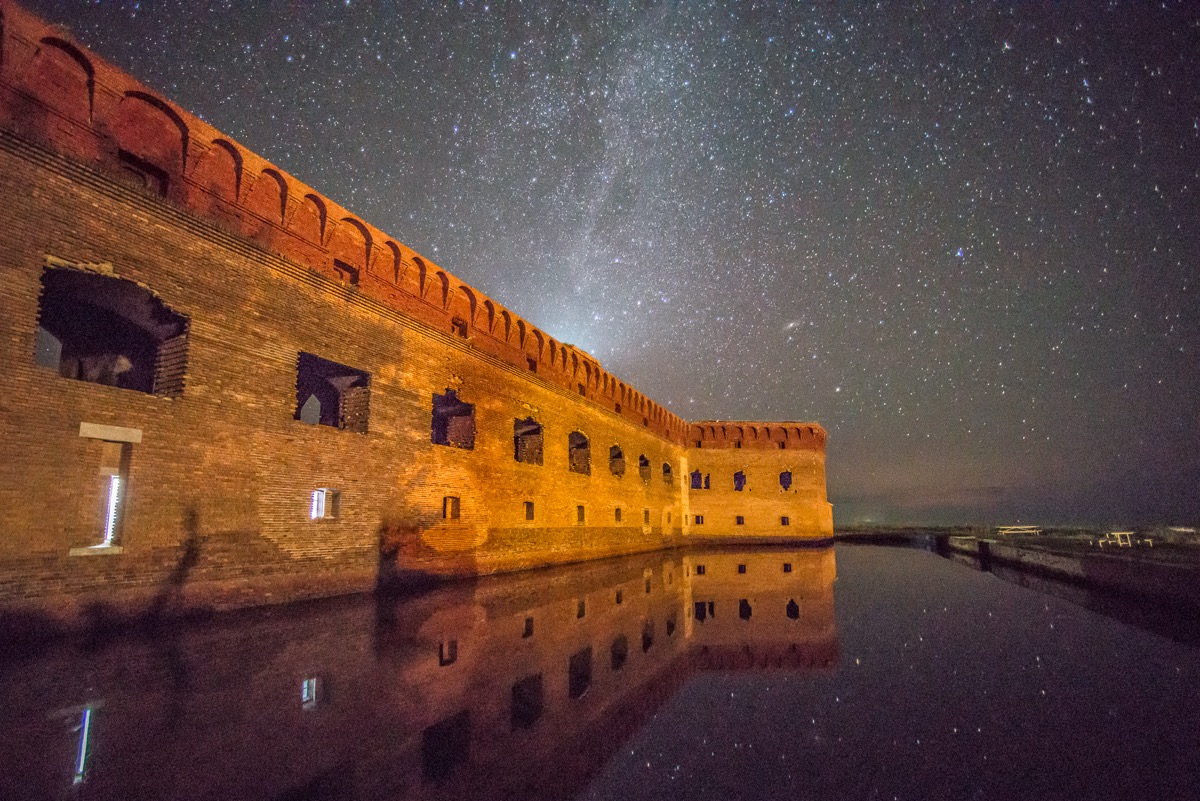
Dry Tortugas National Park
Seven coral islands 70 miles west of Key West, anchored by Fort Jefferson—a massive 19th-century fort that was never finished or fired upon.
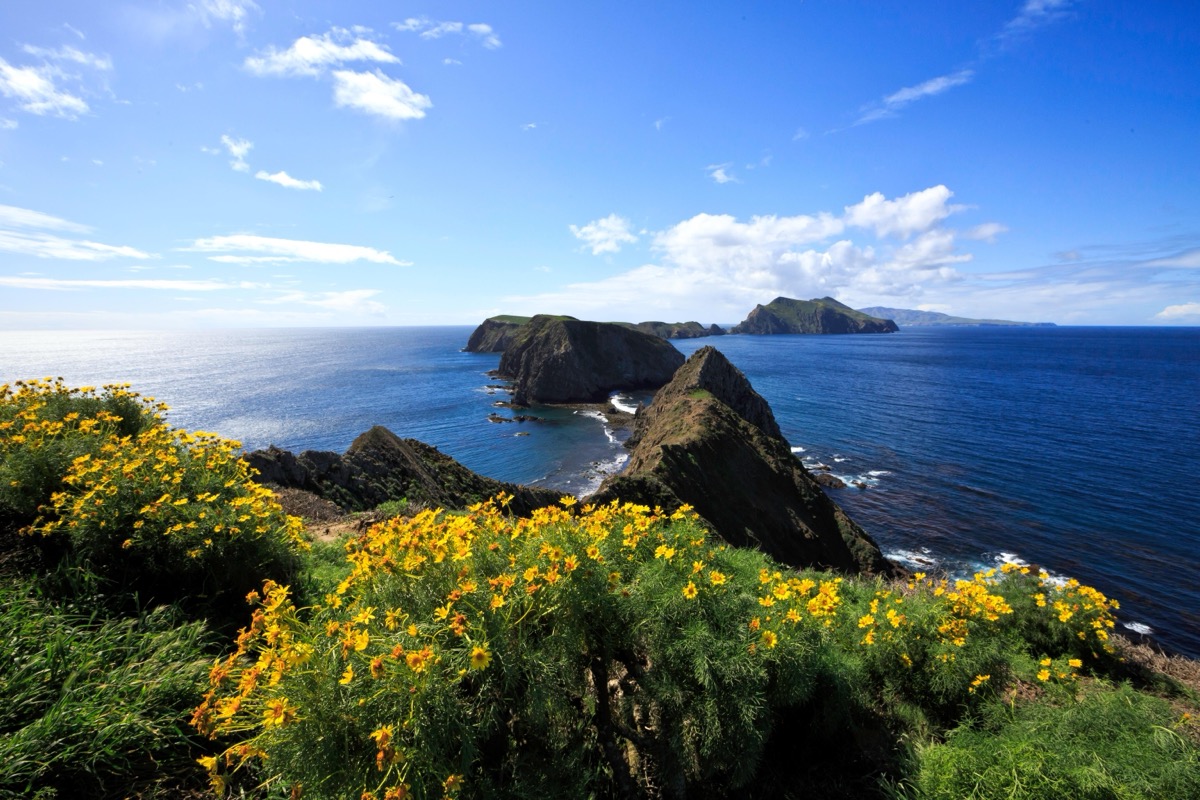
Channel Islands National Park
California's Galápagos lies 12 miles offshore with 145 endemic species. Sea lions, island foxes, and rare seabirds inhabit five islands.
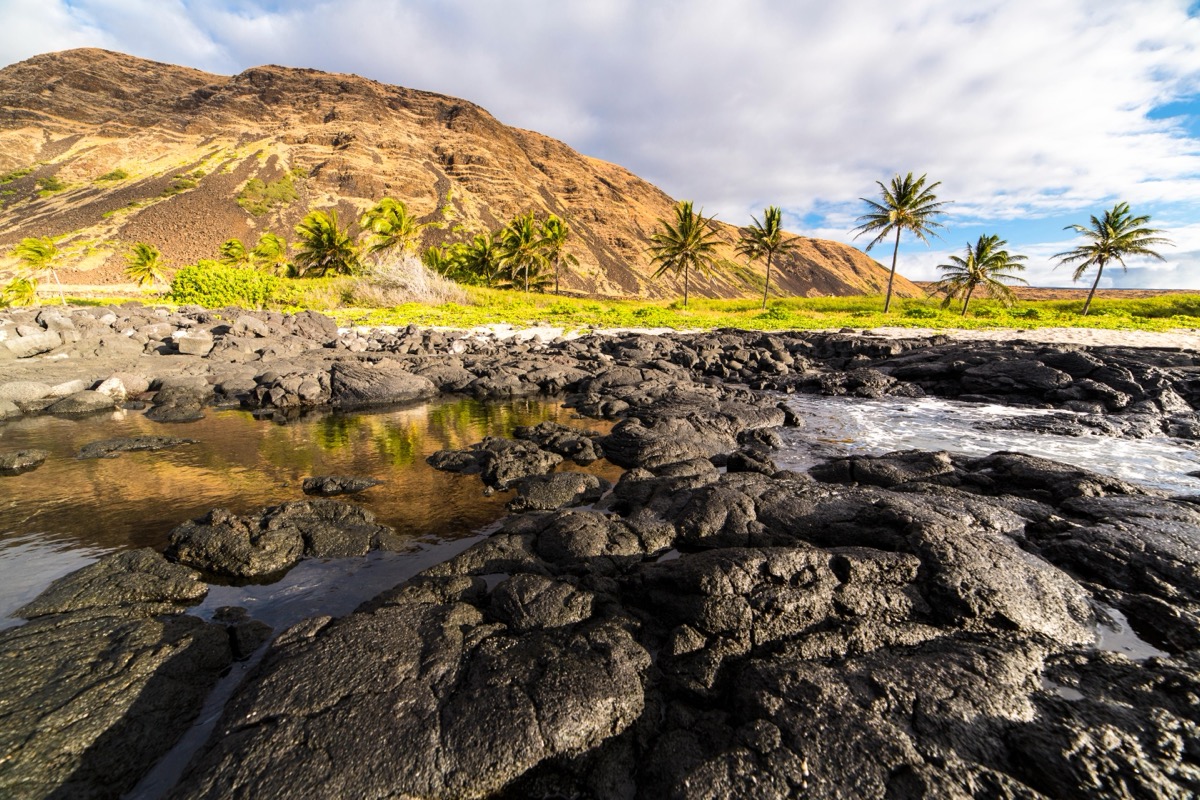
Hawaiʻi Volcanoes National Park
Two active volcanoes shape terrain from tide pools to alpine desert. Walk across recent lava flows and through rainforests on ancient rock.
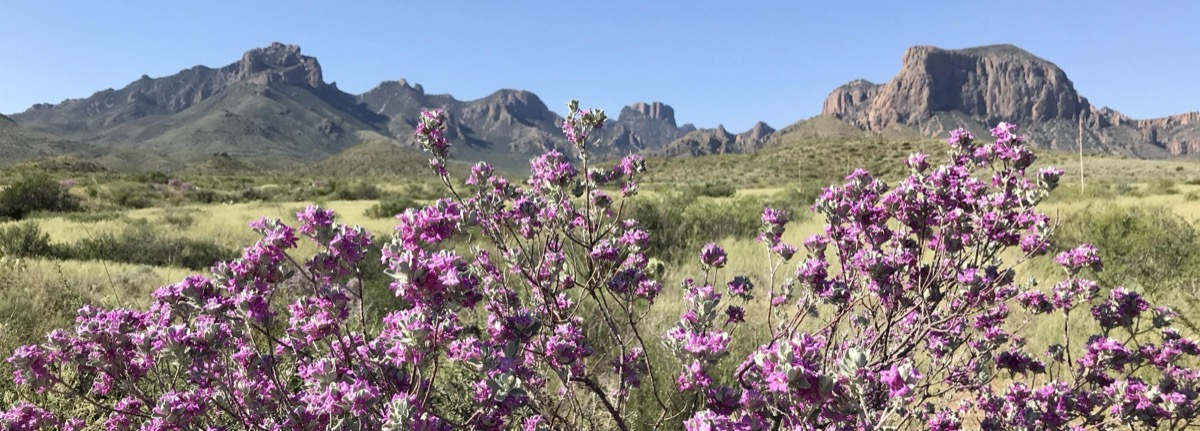
Big Bend National Park
Big Bend protects 1,200 square miles where the Chisos Mountains rise from desert. Over 450 bird species recorded—more than any park.
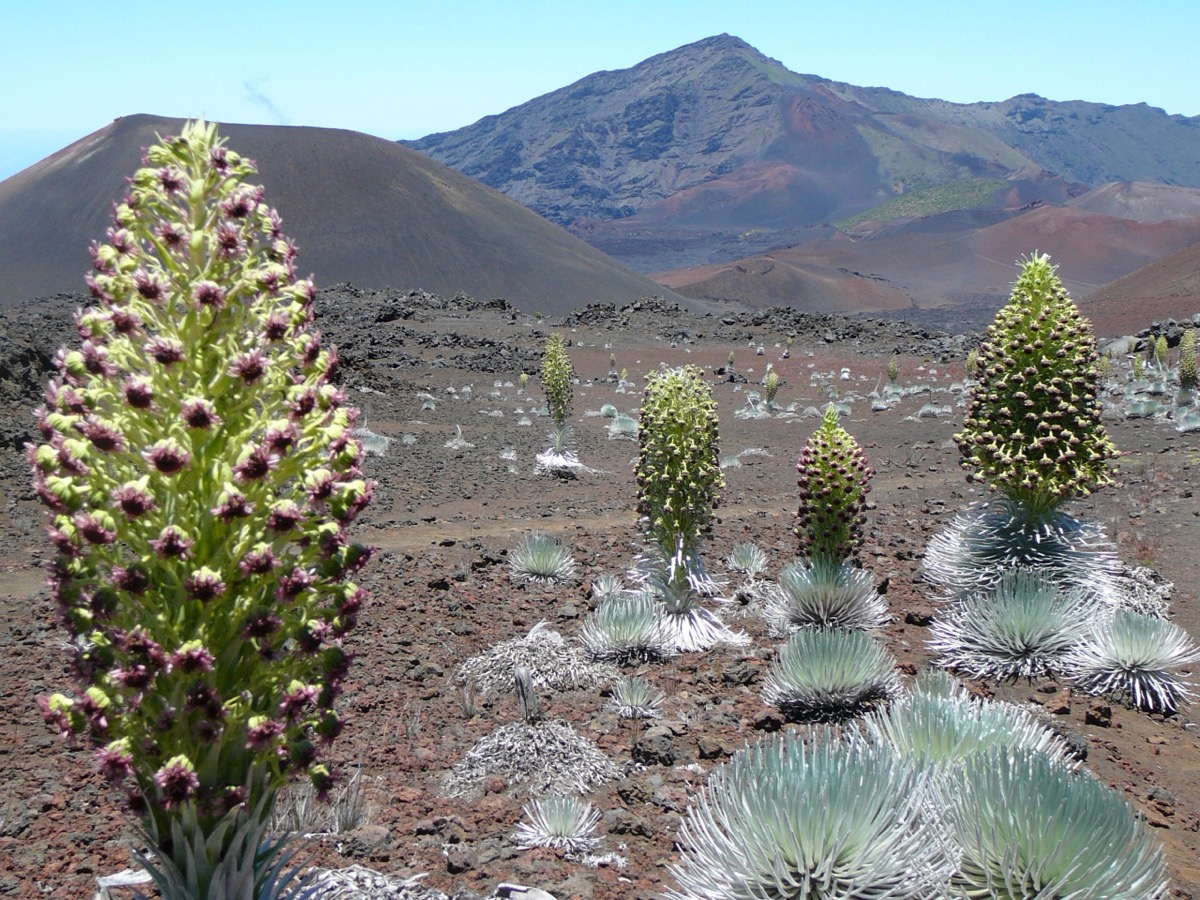
Haleakalā National Park
A dormant volcano where you stand above the clouds at 10,000 feet, then descend through alpine desert to rainforest in a single morning.
Frequently Asked Questions
- Which national parks stay warm in winter?
- Death Valley and the Sonoran Desert parks—Saguaro and Joshua Tree—offer daytime temps in the 60s and 70s. Everglades and Biscayne in South Florida stay even warmer, with highs near 80.
- Can you camp in national parks during winter?
- Most campgrounds in these warm-weather parks stay open year-round. Death Valley, Saguaro, and Joshua Tree operate first-come sites even in December, while Everglades books up months ahead for the dry season.
- Are winter crowds lighter at desert parks?
- Desert parks flip the season—winter is peak time. Death Valley and Joshua Tree see their heaviest crowds December through March when temperatures drop below summer's dangerous highs. Spring break compounds the issue.
- What winter activities work best in warm parks?
- Desert hiking peaks in winter when trails that bake in summer become walkable. Everglades paddling improves with lower water levels concentrating wildlife. Biscayne's reefs stay diveable, though water temps drop to the low 70s.