Category Ranking
Best National Parks for Stargazing in Fall
Top parks for stargazing during fall, ranked by a composite of activity quality and seasonal conditions.
Updated
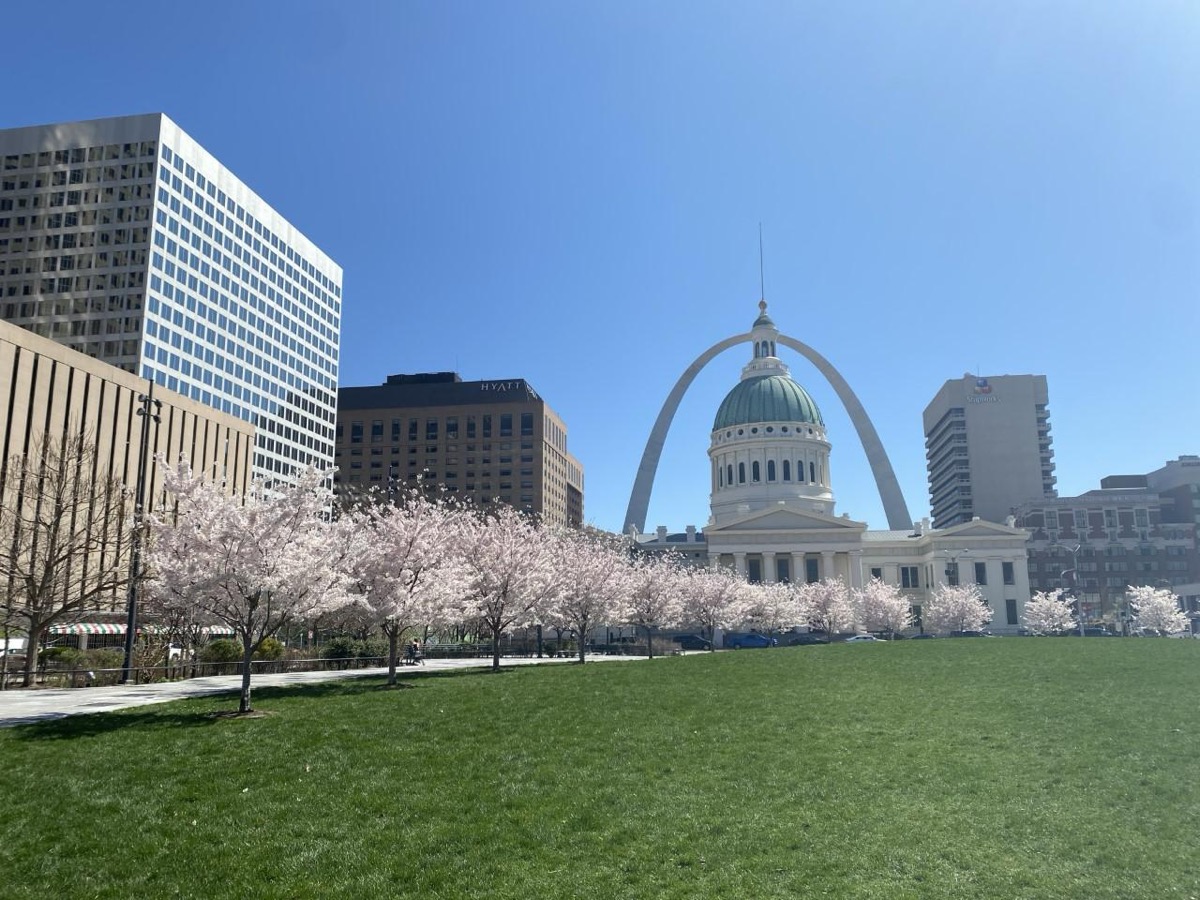
Gateway Arch National Park
Gateway Arch National Park is 0.14 square miles of westward expansion history beneath a 630-foot steel monument with three million visitors.
Explore Gateway Arch →
Hot Springs National Park
Hot Springs' 143-degree thermal water flows through historic bathhouses where health seekers once shared sidewalks with gangsters.
Explore Hot Springs →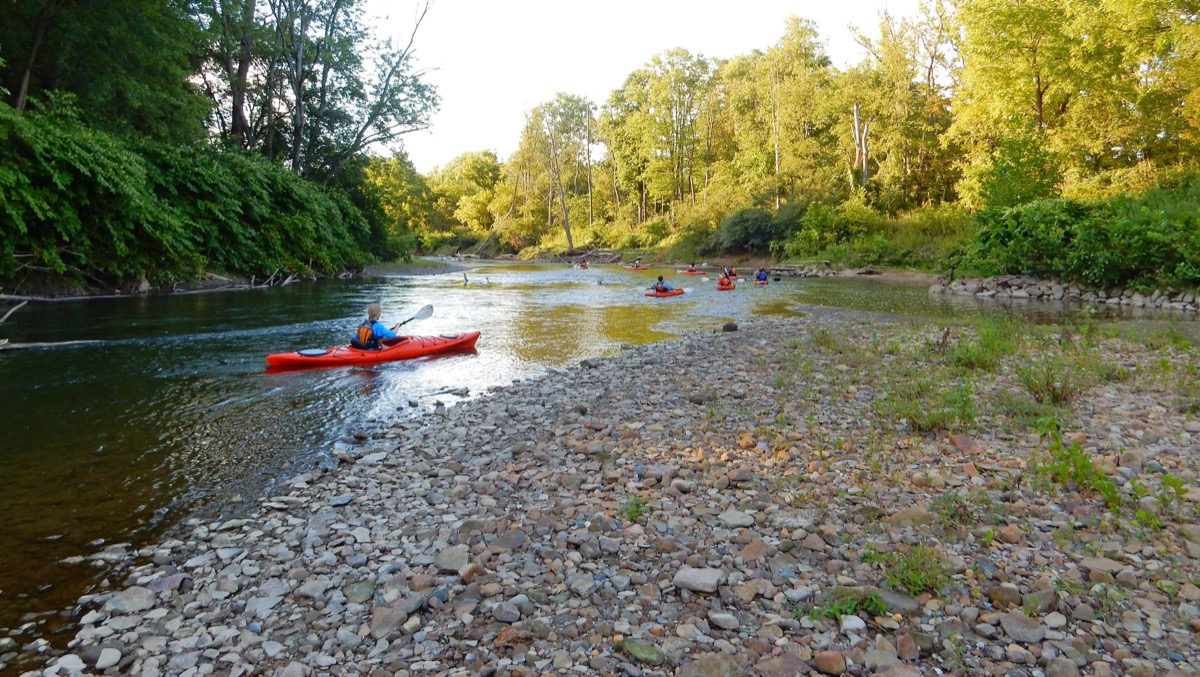
Cuyahoga Valley National Park
The Ohio & Erie Canal towpath runs 20 miles along the Cuyahoga River, past 65-foot Brandywine Falls and glacial rock ledges.
Explore Cuyahoga Valley →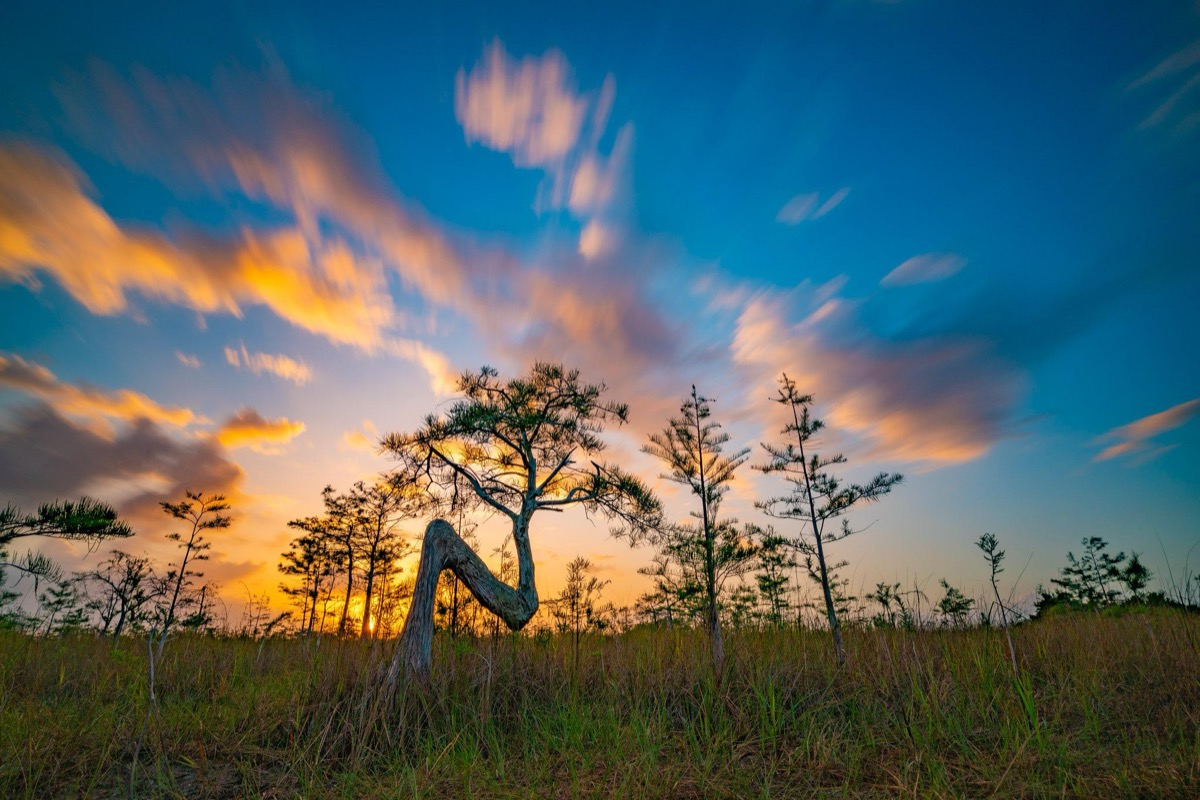
Everglades National Park
America's largest subtropical wilderness: a slow-moving river creating sawgrass marshes, mangrove islands, and alligator habitat.
Explore Everglades →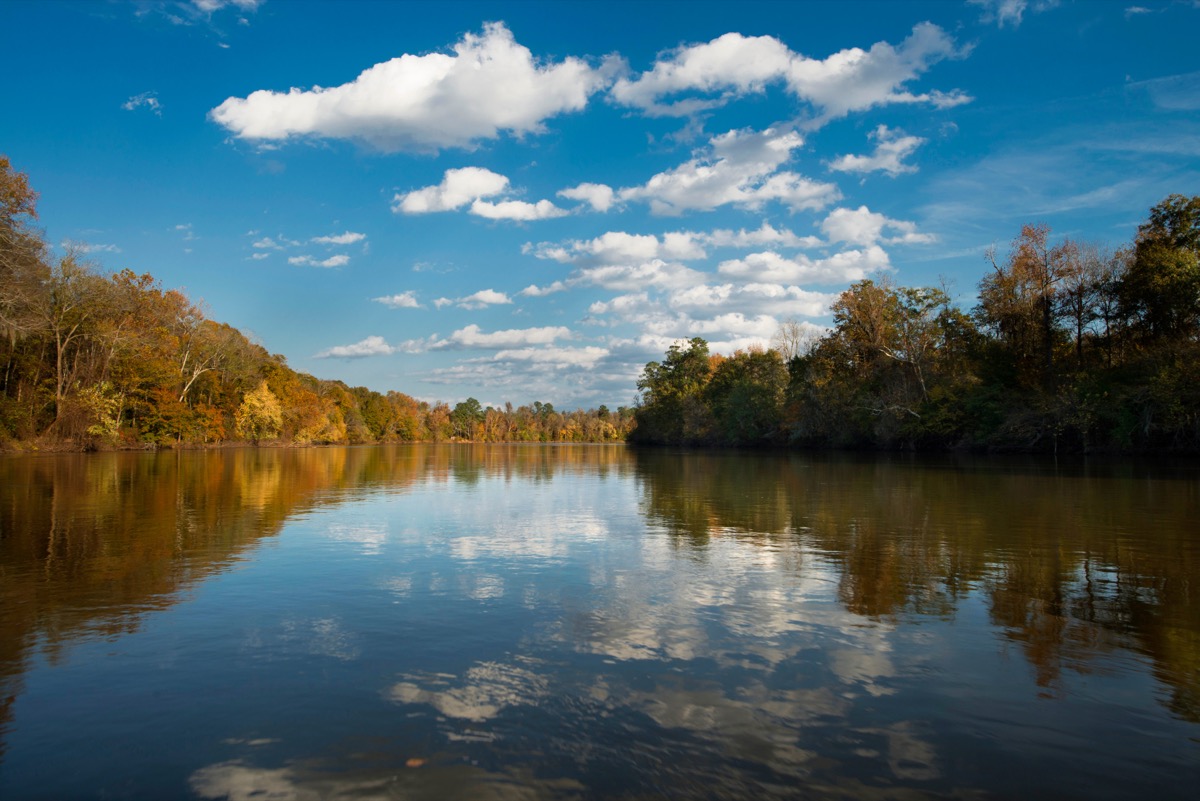
Congaree National Park
The largest old-growth bottomland hardwood forest in the Southeast protects champion trees you'll reach via elevated boardwalk.
Explore Congaree →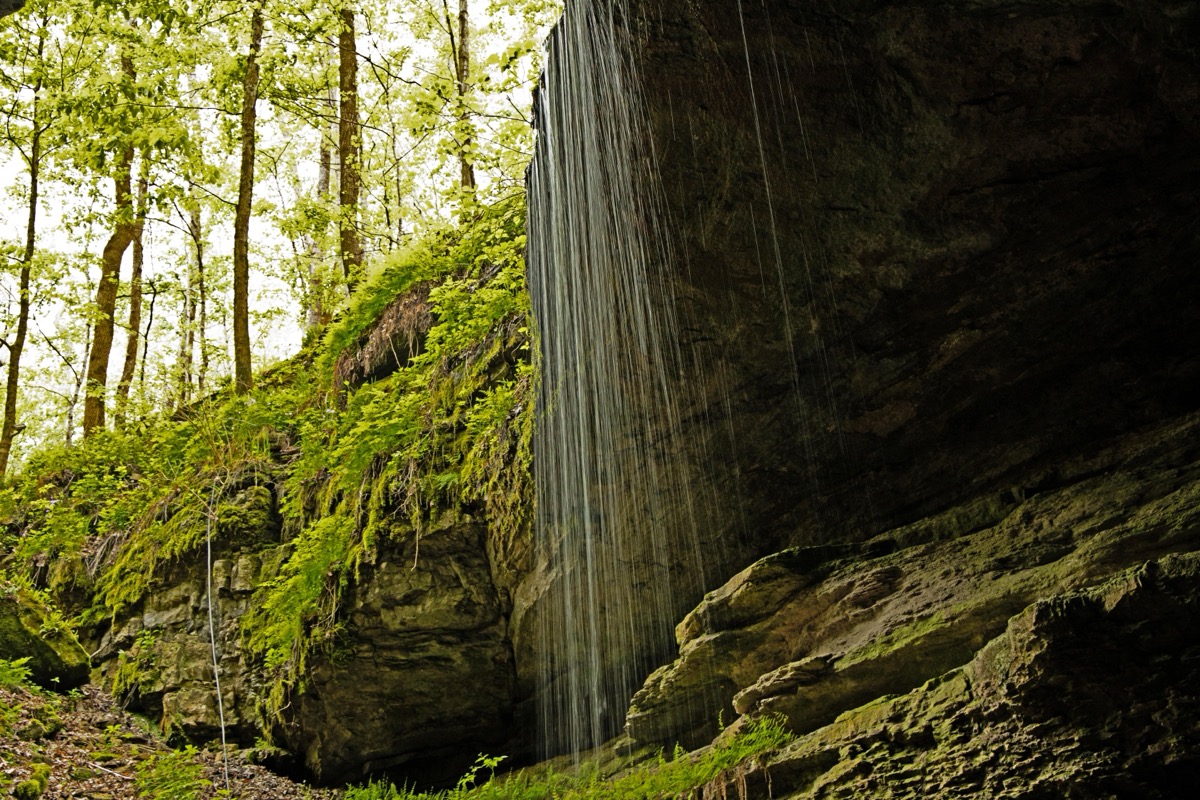
Mammoth Cave National Park
The world's longest cave system: over 400 miles mapped, lies beneath Kentucky's limestone plateau, explored for over 200 years.
Explore Mammoth Cave →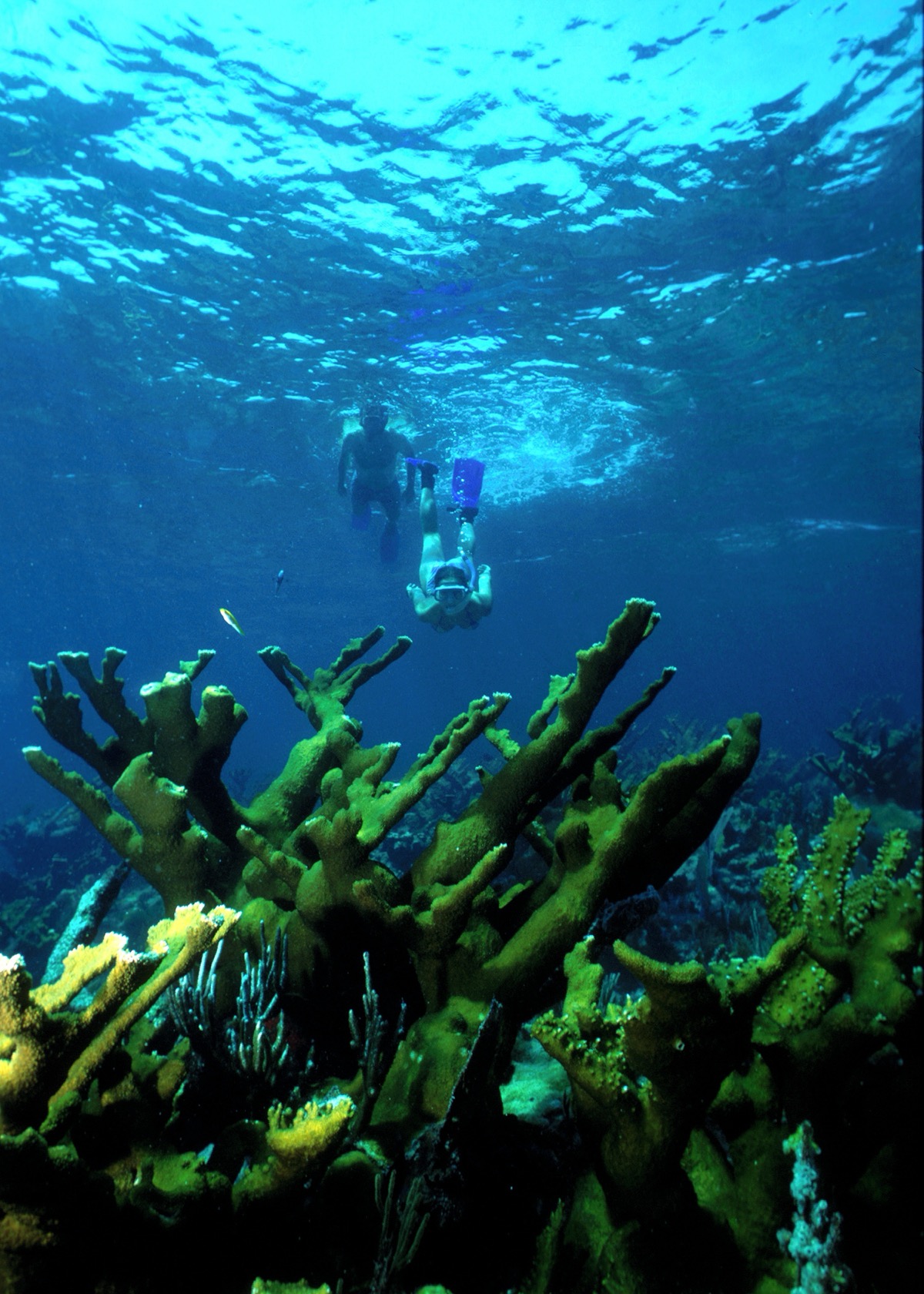
Biscayne National Park
Miami's skyline floats on the horizon while you snorkel over the continental United States' only living coral reef system.
Explore Biscayne →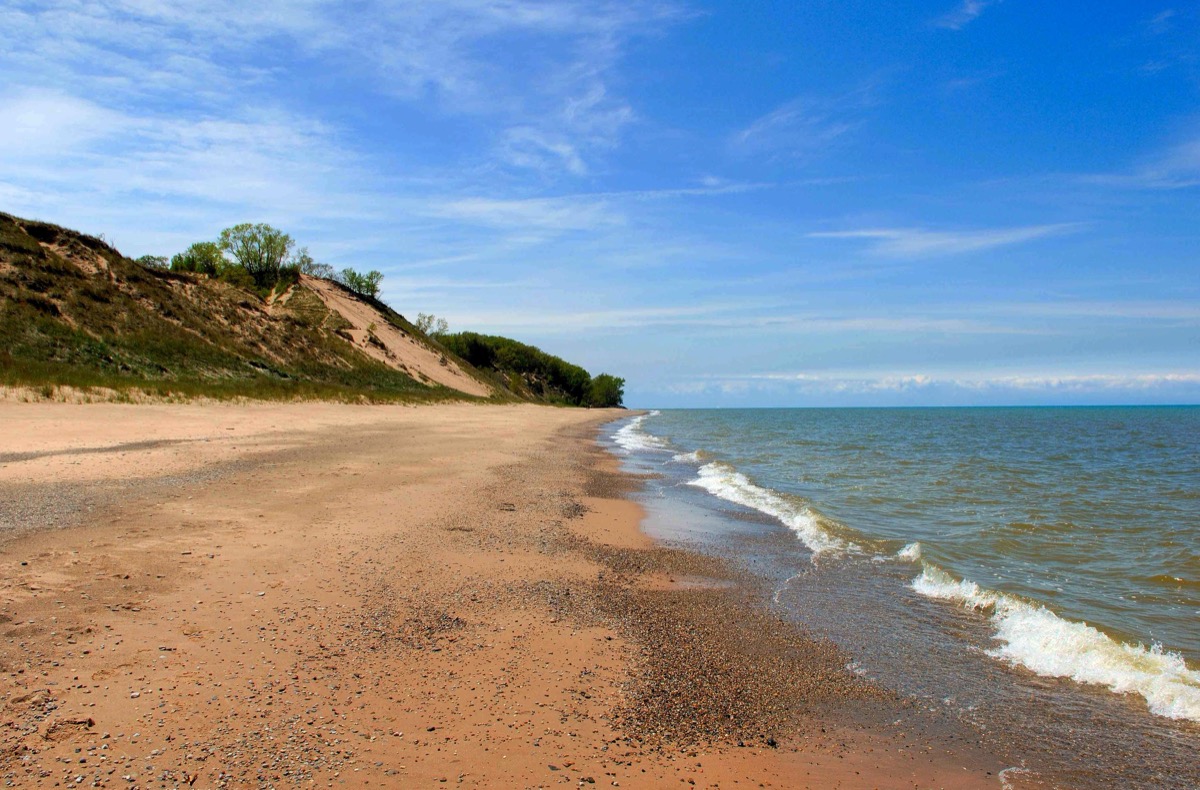
Indiana Dunes National Park
Lake Michigan's wind built these dunes into the park system's highest plant biodiversity: over 1,100 species on 15 miles of Indiana shore.
Explore Indiana Dunes →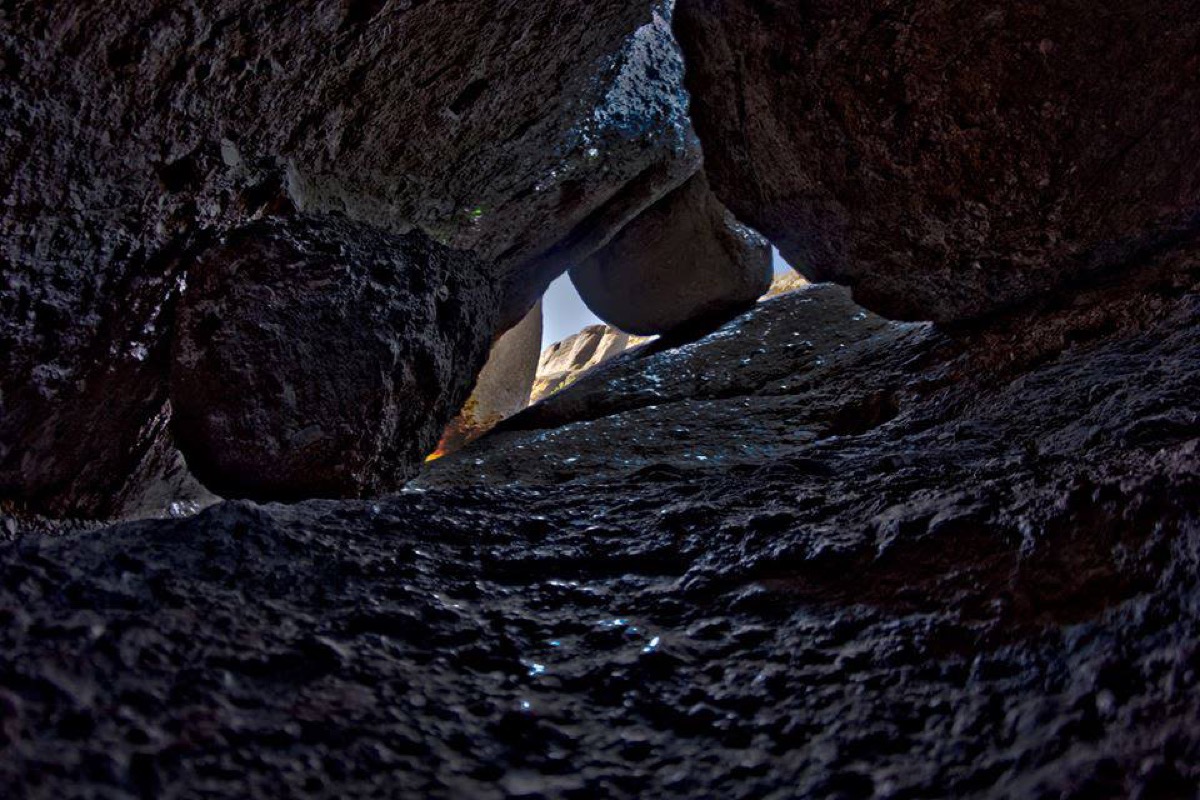
Pinnacles National Park
Volcanic spires rise above talus caves where you can crawl through darkness on designated routes. Half of Yosemite's crowds.
Explore Pinnacles →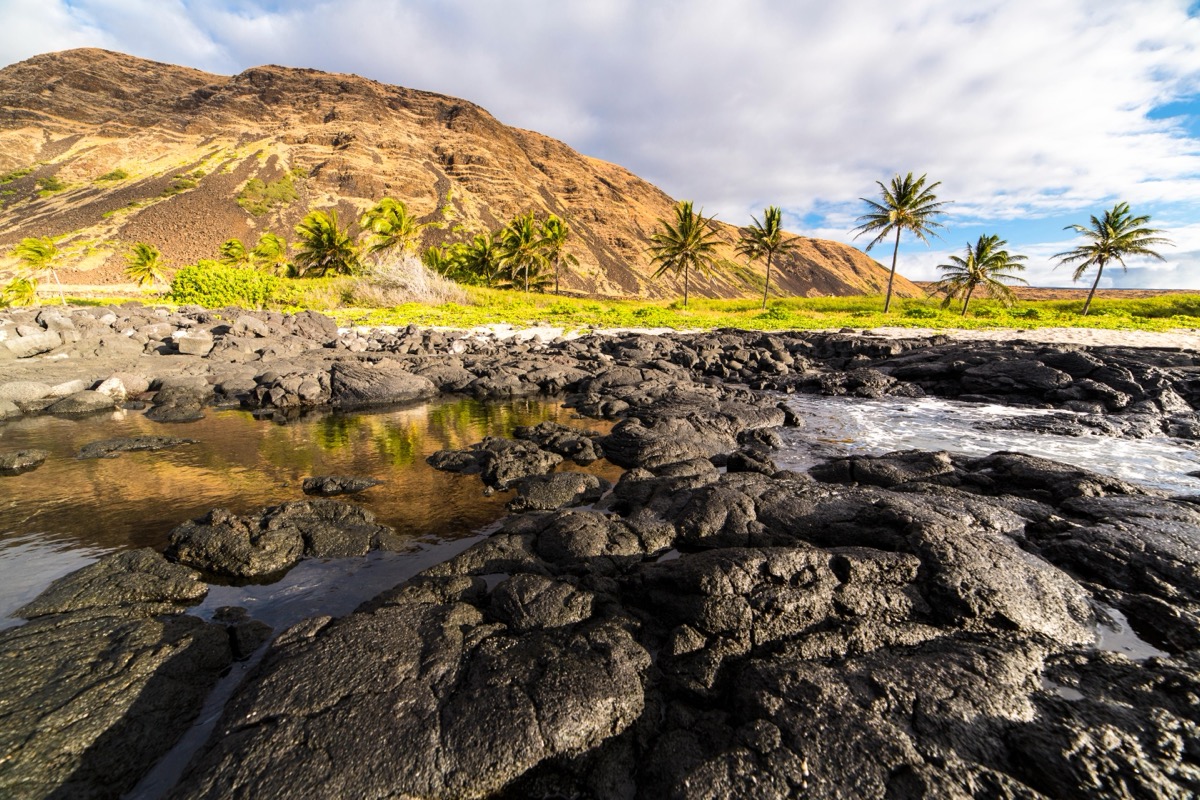
Hawaiʻi Volcanoes National Park
Two active volcanoes shape terrain from tide pools to alpine desert. Walk across recent lava flows and through rainforests on ancient rock.
Explore Hawaiʻi Volcanoes →Deciding between two parks? Compare any two side by side →