Category Ranking
Best National Parks for Wildlife Viewing in Fall
Top parks for wildlife viewing during fall, ranked by a composite of activity quality and seasonal conditions.
Updated
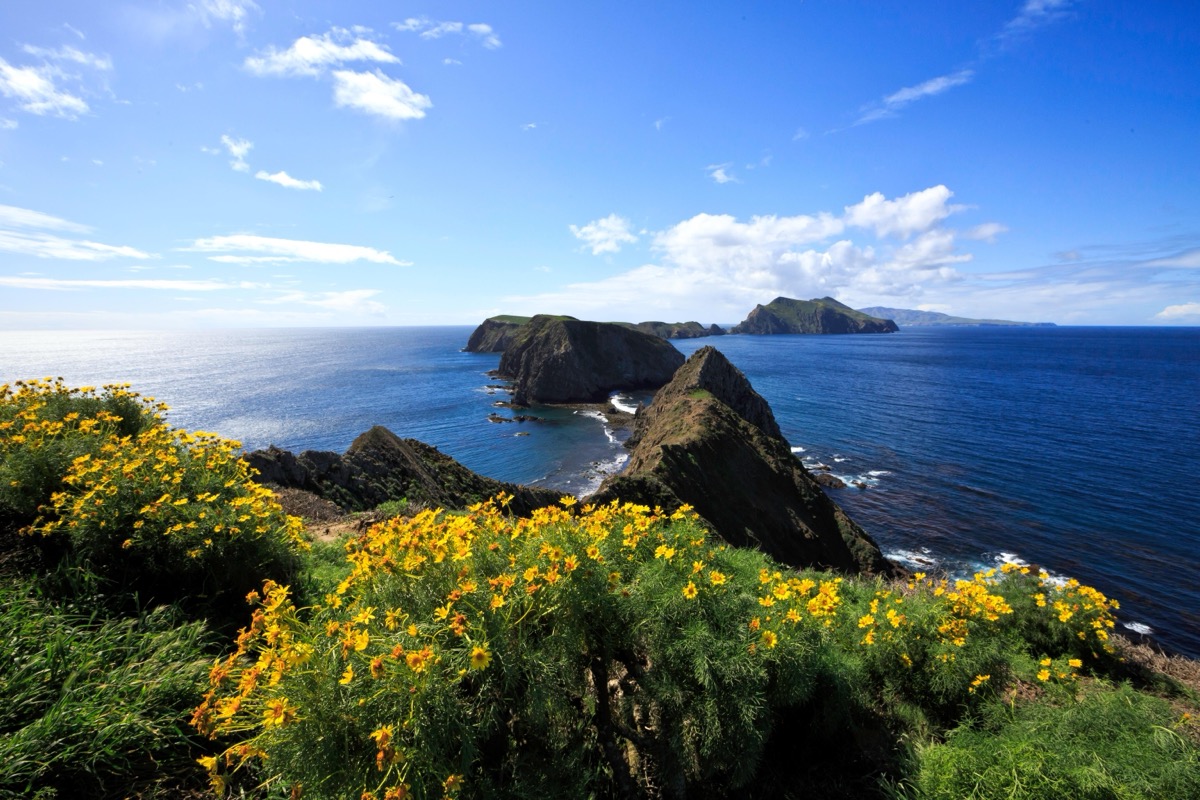
Channel Islands National Park
California's Galápagos lies 12 miles offshore with 145 endemic species. Sea lions, island foxes, and rare seabirds inhabit five islands.
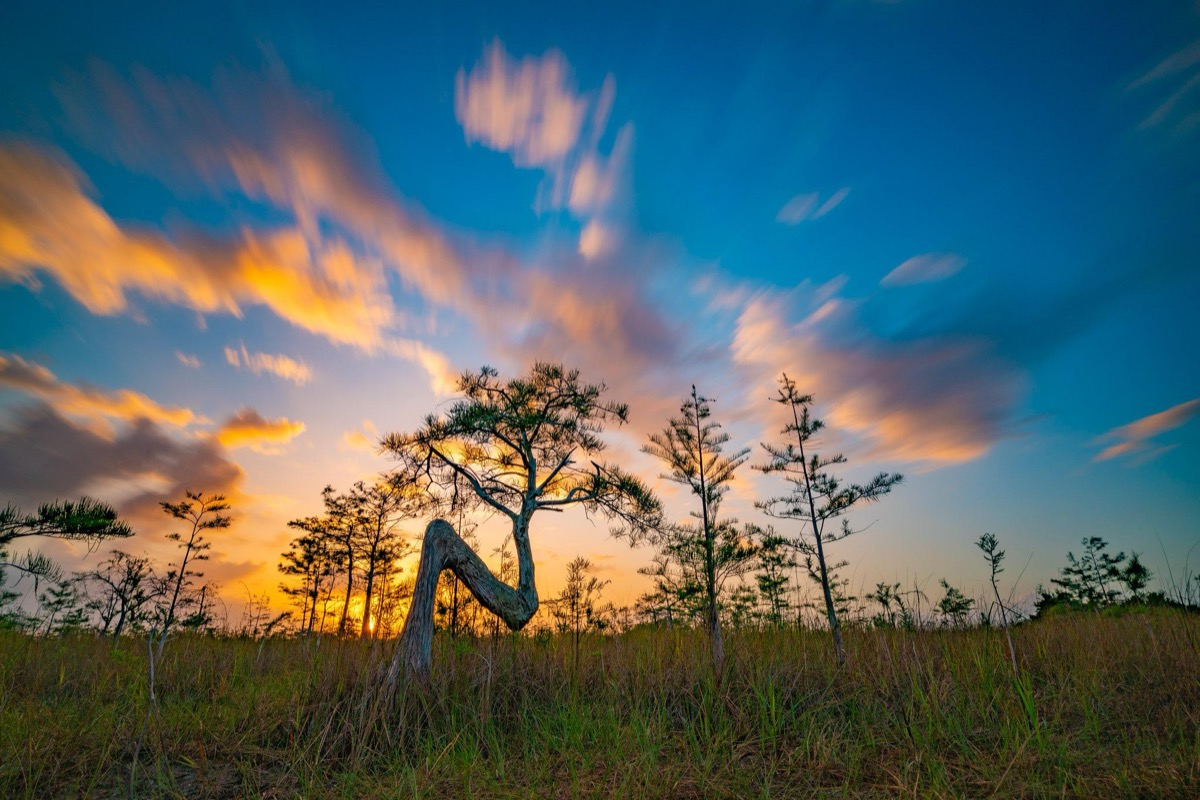
Everglades National Park
America's largest subtropical wilderness—a slow-moving river creating sawgrass marshes, mangrove islands, and alligator habitat.
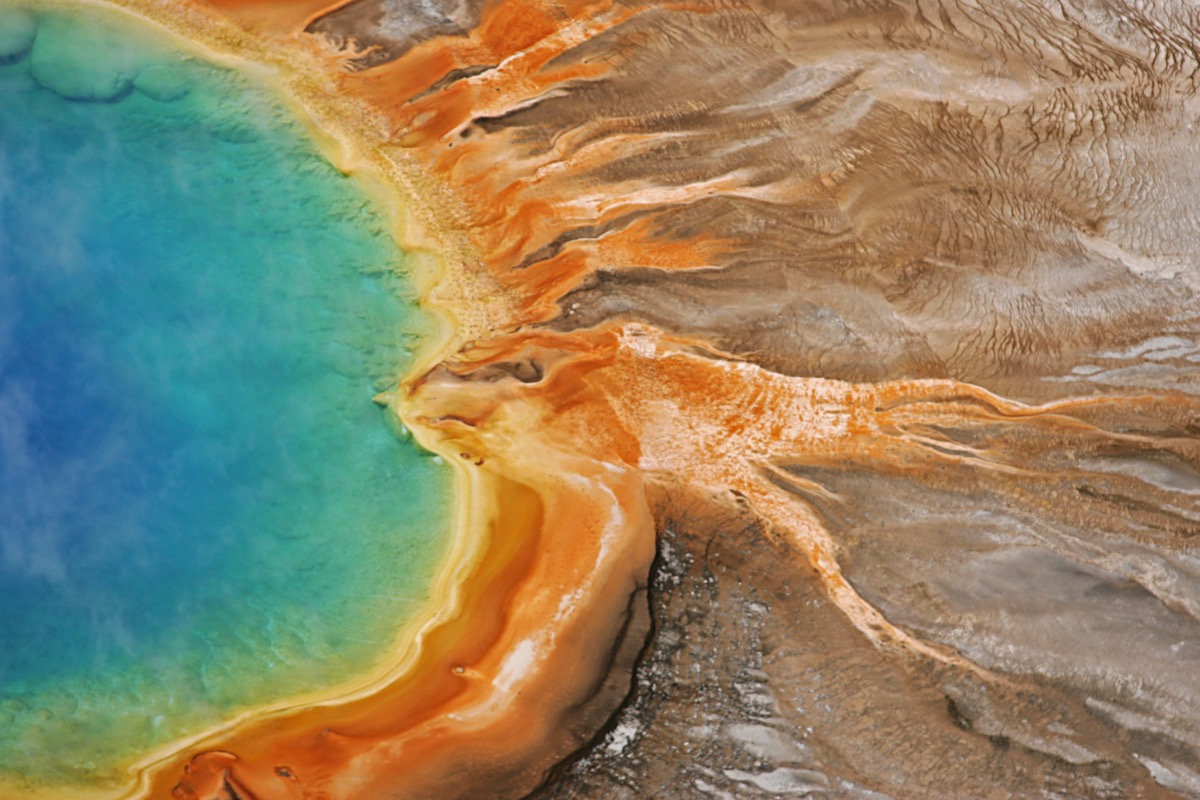
Yellowstone National Park
The world's first national park sits on a supervolcano where half of Earth's geysers erupt on schedule and bison herds cross roads freely.
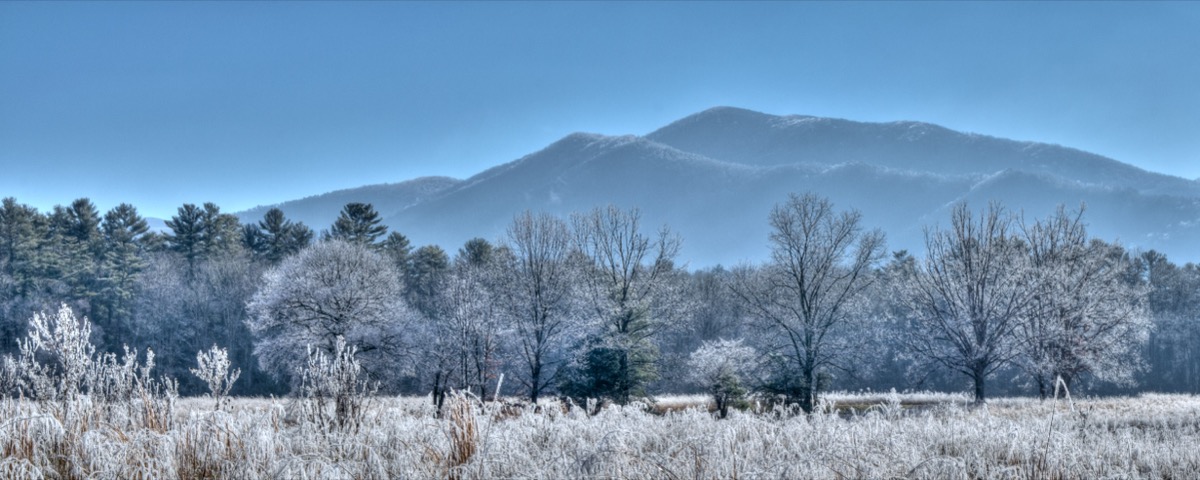
Great Smoky Mountains National Park
America's most-visited park offers 850 miles of trails, historic farmsteads in Cades Cove, and the continent's salamander capital.
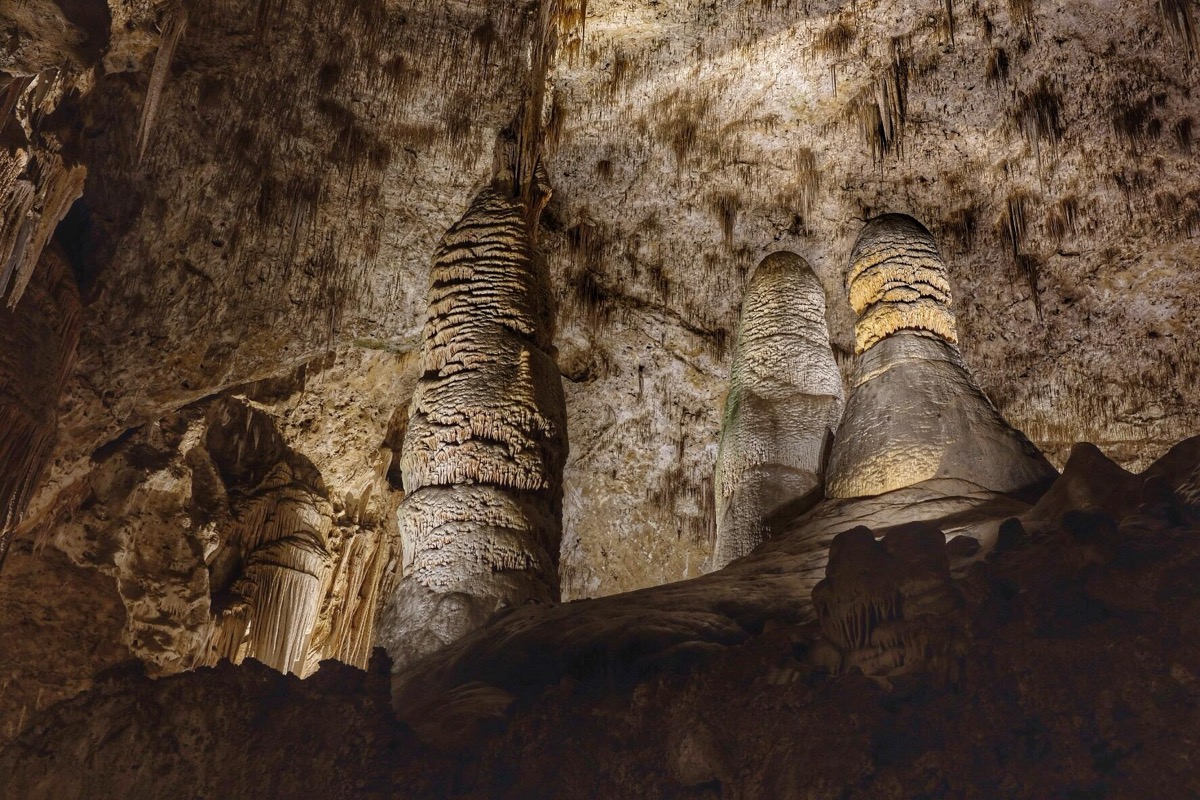
Carlsbad Caverns National Park
A 600-foot limestone cavern beneath the Chihuahuan Desert, carved by sulfuric acid rather than water, where 400,000 bats spiral out at dusk.
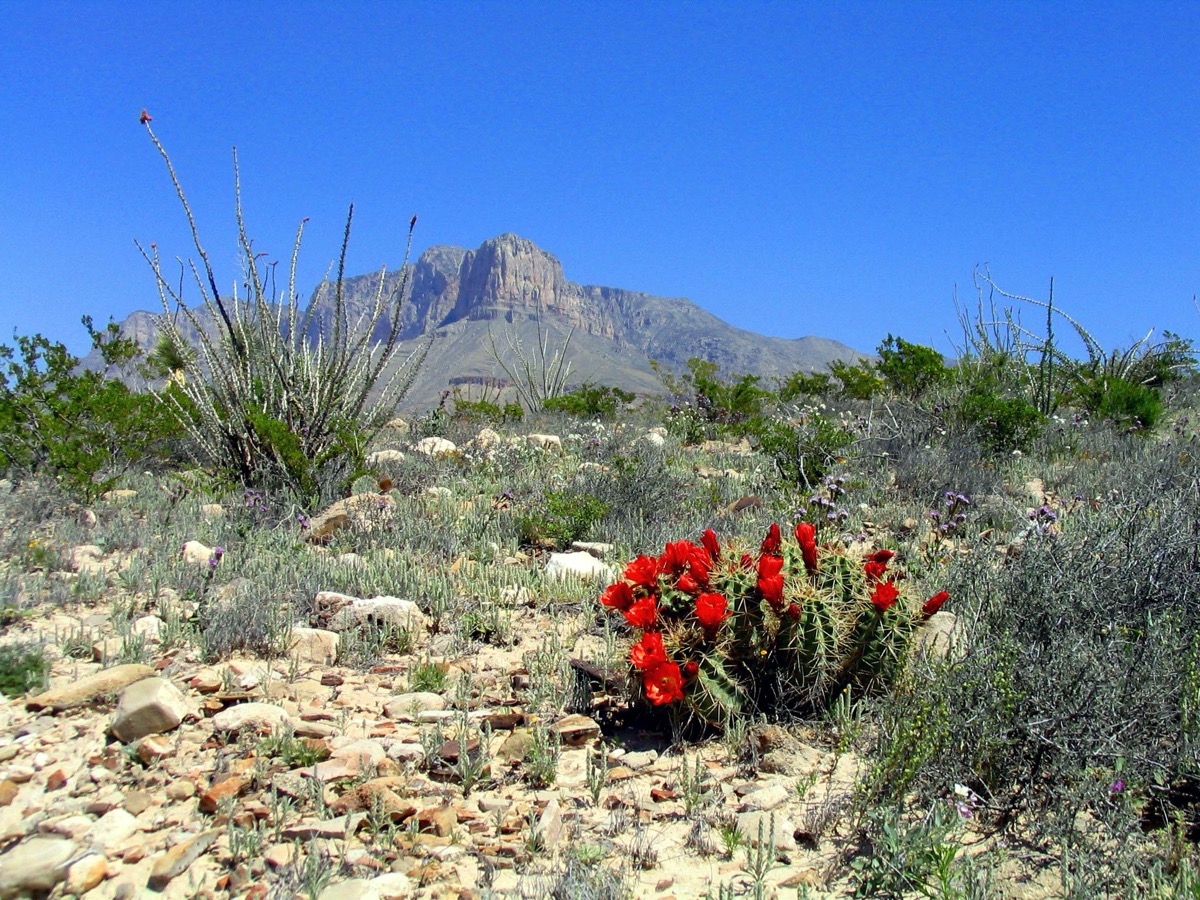
Guadalupe Mountains National Park
Texas's highest peaks rise from a 265-million-year-old fossil reef in the Chihuahuan Desert, holding more species than any Texas park.
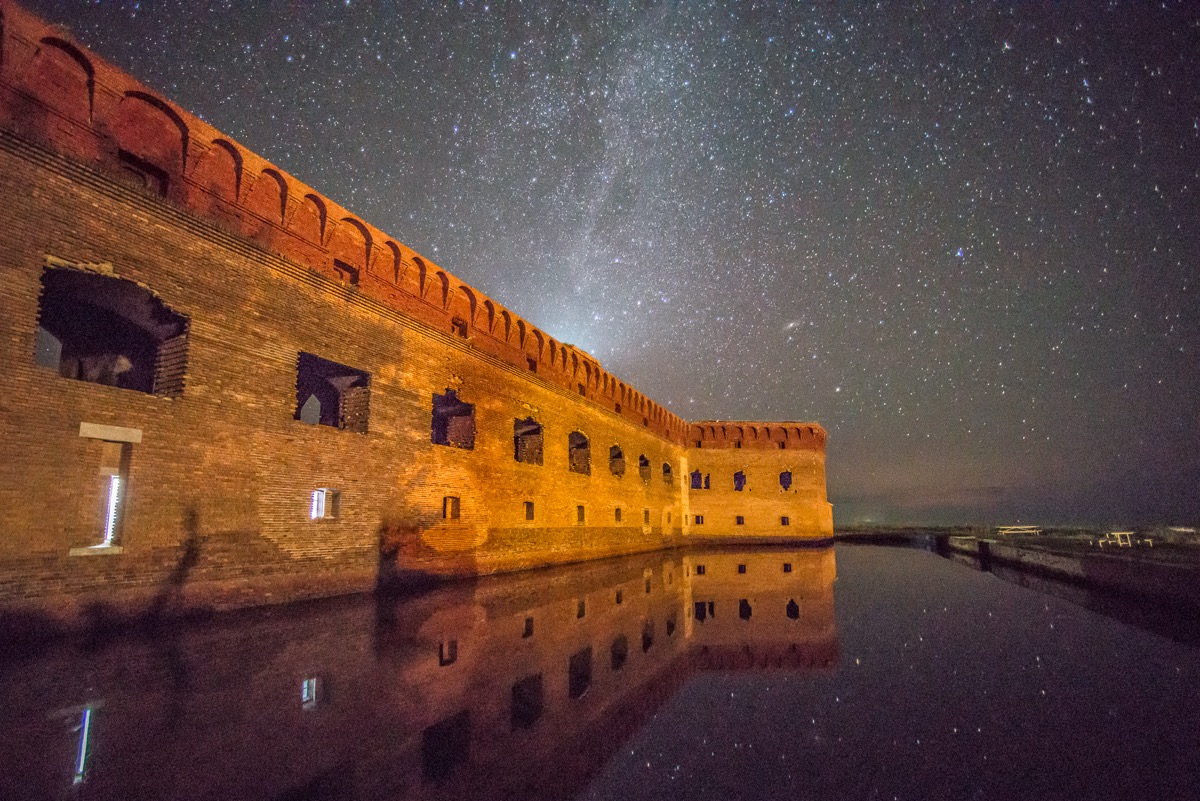
Dry Tortugas National Park
Seven coral islands 70 miles west of Key West, anchored by Fort Jefferson—a massive 19th-century fort that was never finished or fired upon.
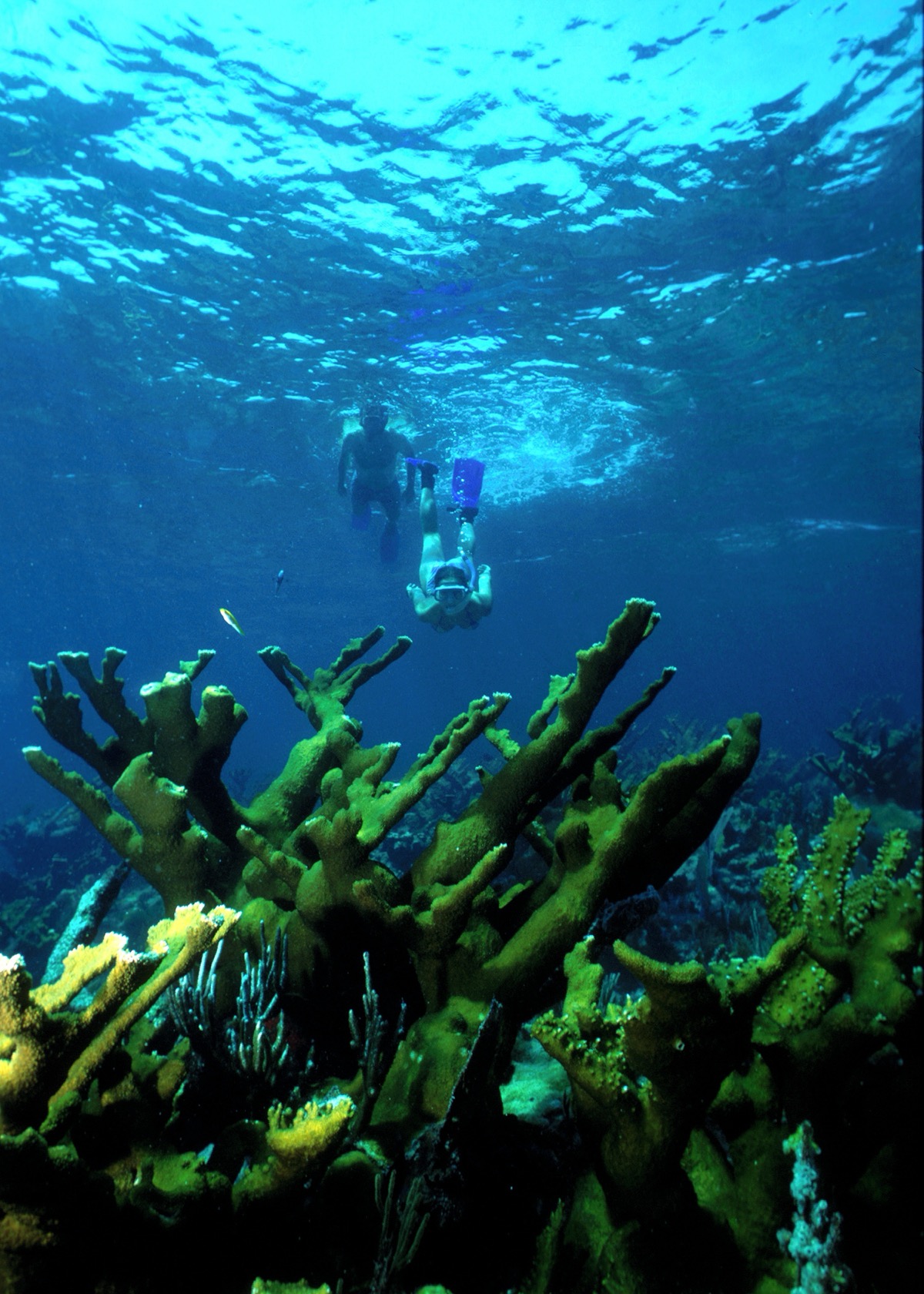
Biscayne National Park
Miami's skyline floats on the horizon while you snorkel over the continental United States' only living coral reef system.
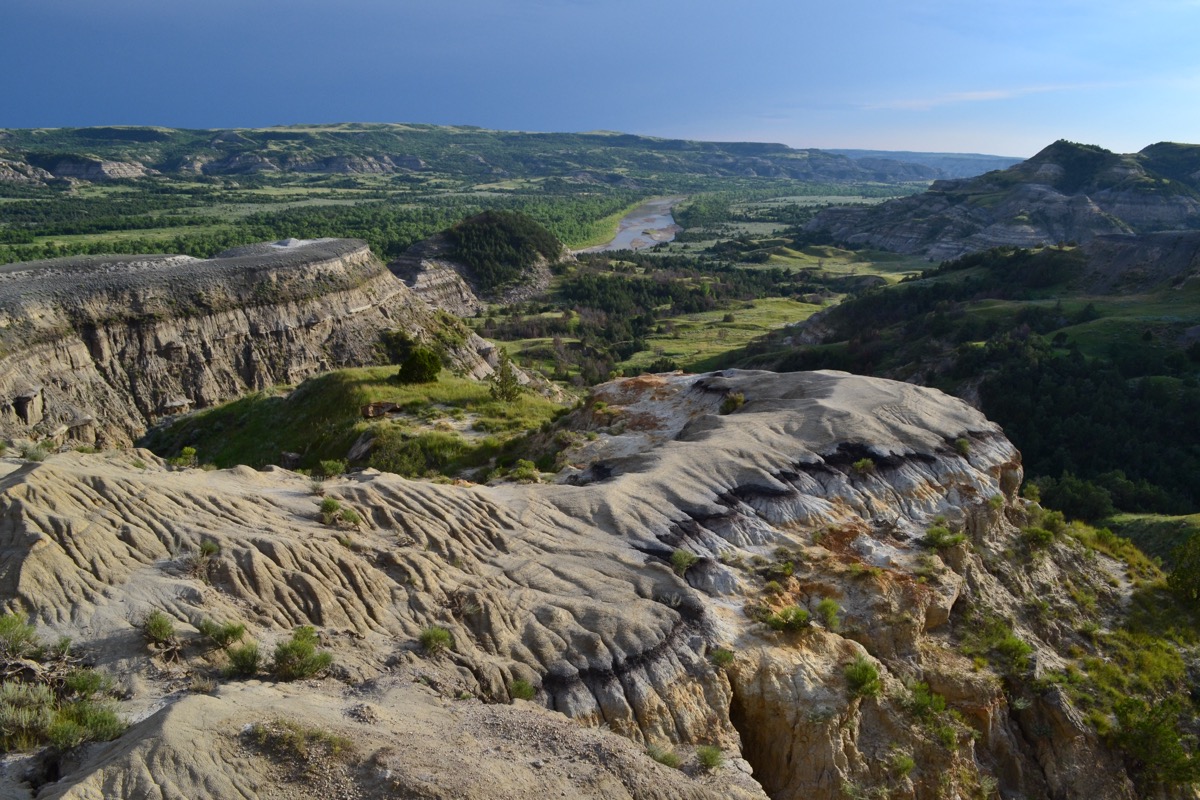
Theodore Roosevelt National Park
Roosevelt's badlands preserve eroded buttes, wild bison, and the solitude that turned a politician into America's conservation president.
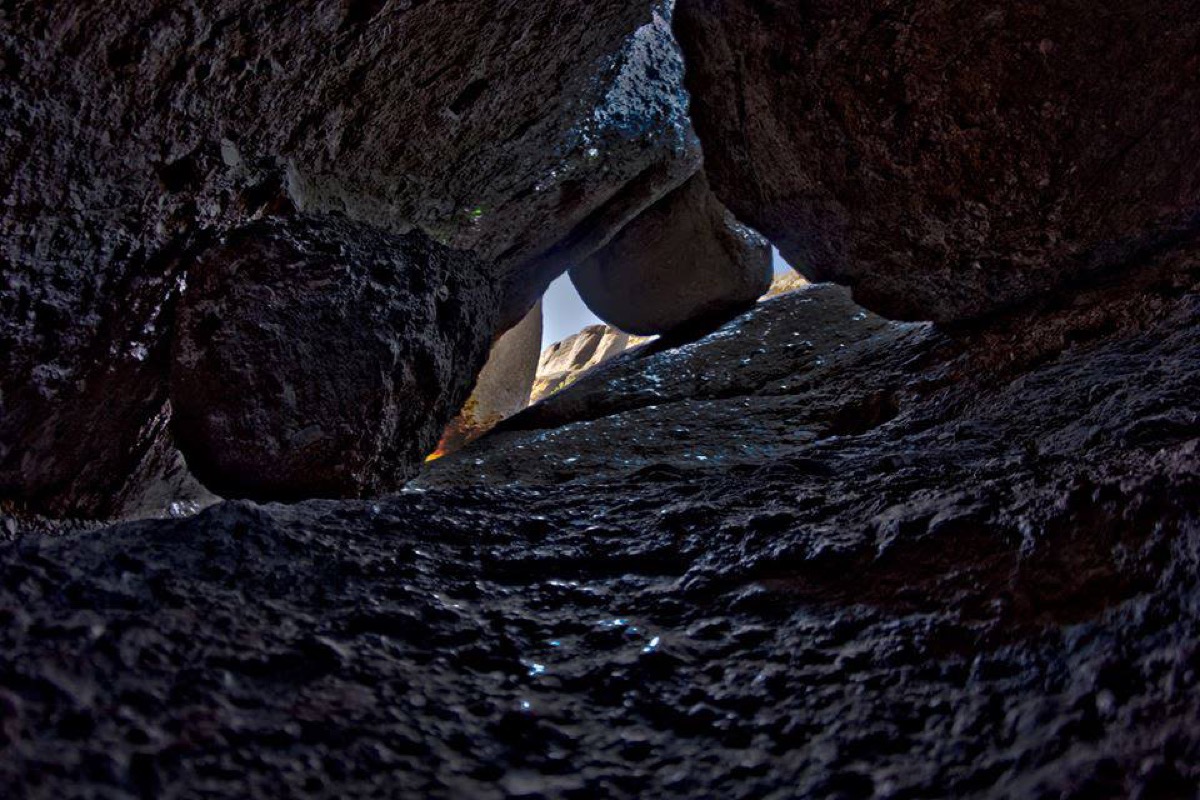
Pinnacles National Park
Volcanic spires rise above talus caves where you can crawl through darkness on designated routes. Half of Yosemite's crowds.