Mule Ears Spring Trail
What to Expect
Safety Advisory
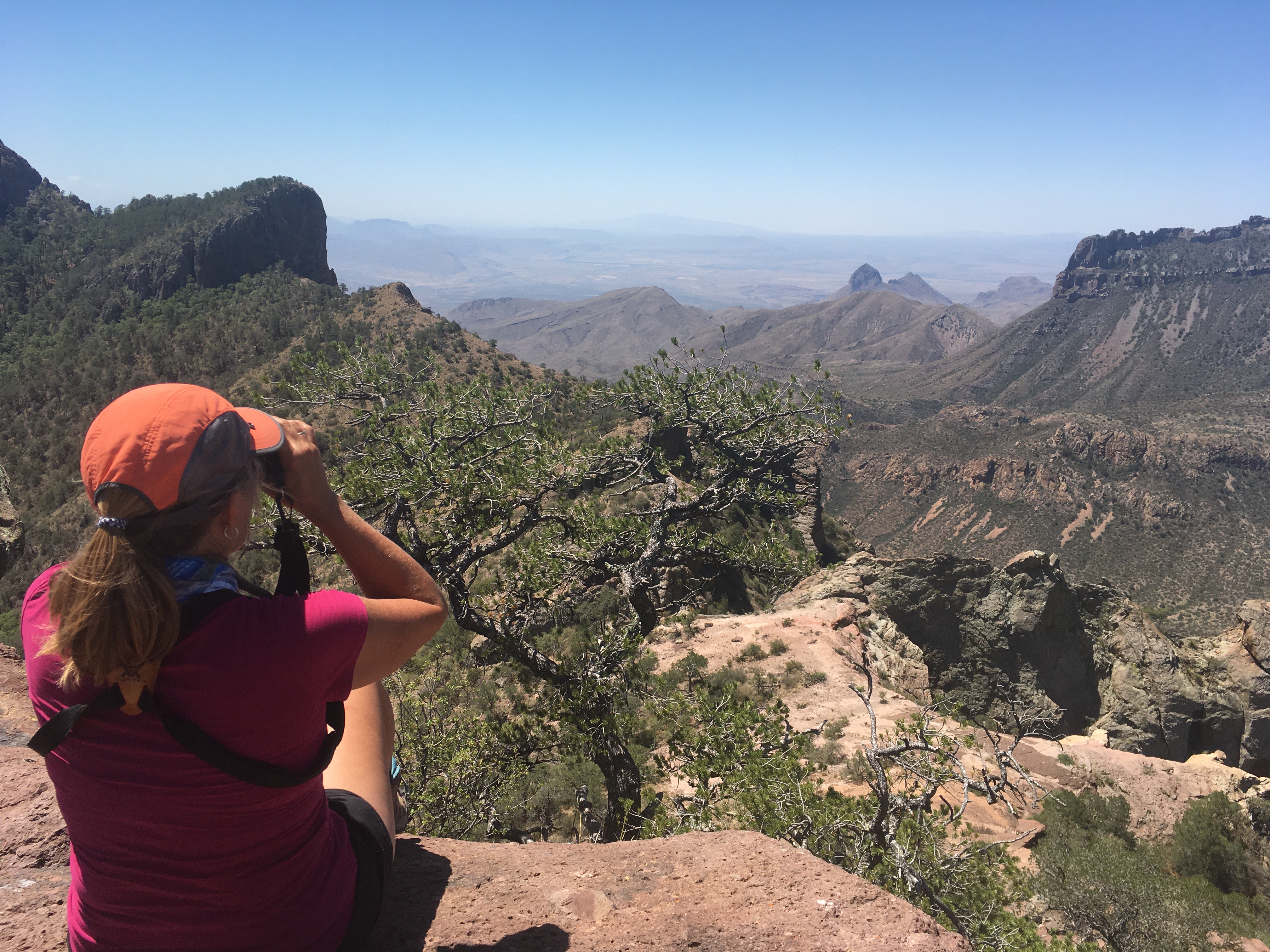
Heat exposure is the primary hazard. Big Bend sits in one of the hottest corners of the country, and this trail offers zero natural shade across its entire length. Summer hiking here is genuinely dangerous; late May through early September should be avoided unless you start in darkness.
The rocky arroyo crossings are prime rattlesnake habitat. Watch where you step and where you place your hands if you're scrambling over rocks. The western diamondback is common in this terrain.
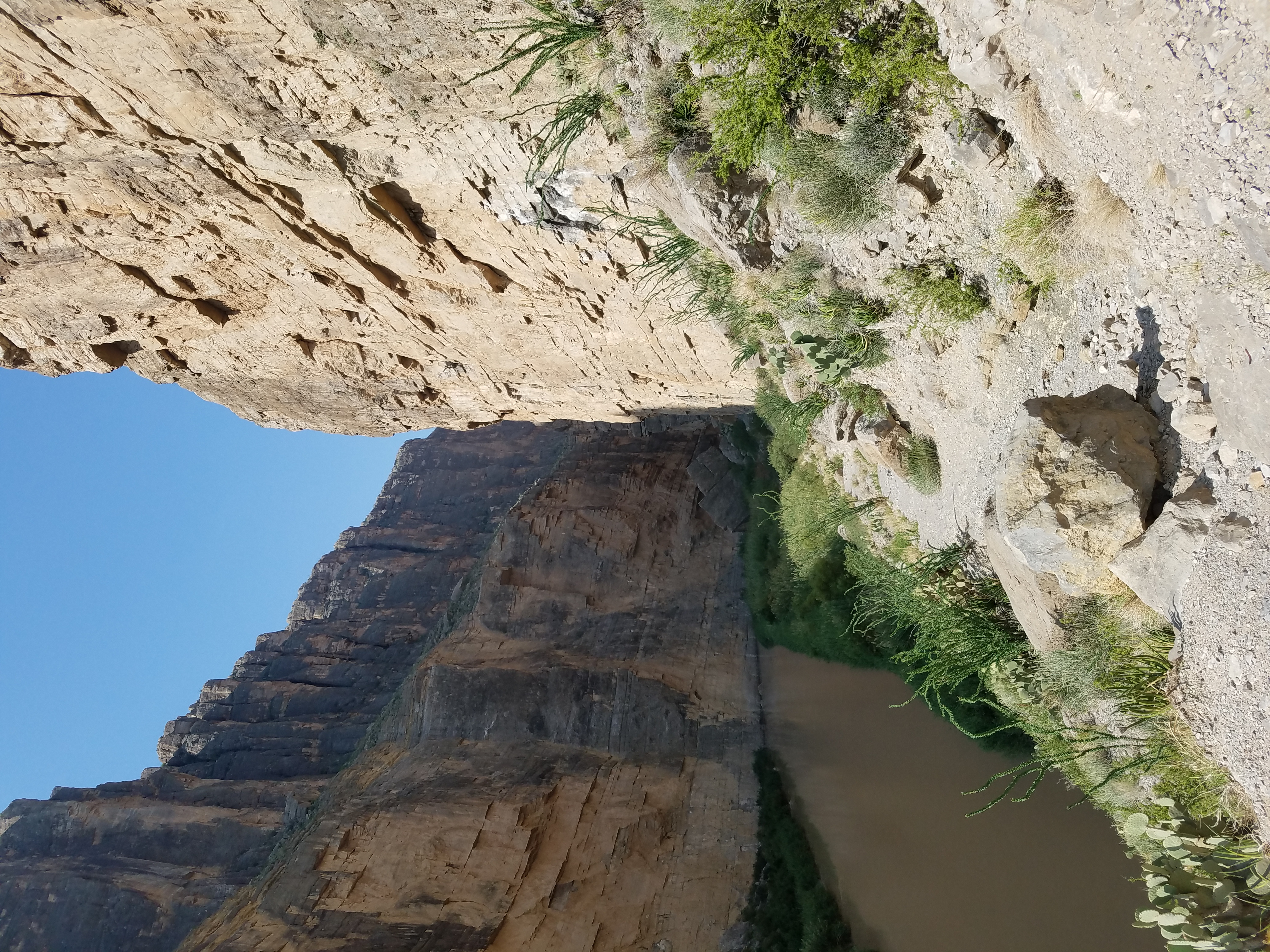
During monsoon season (July through September), dry arroyos can fill rapidly with little warning. If thunderstorms are visible anywhere in the drainage system, get clear of the arroyo crossings immediately.
Trail Details
- 1
Start no later than 7am even in cooler months — the trail is fully exposed and the midday sun turns the dark volcanic rock into a heat radiator. By 11am in spring you'll already be wishing you'd left earlier.
- 2
The spring at the turnaround point may hold water, but desert springs in Big Bend are unreliable and frequently dry by late spring. Treat any found water as a bonus and carry at least two liters from the trailhead regardless.
- 3
The arroyos between the trailhead and Trap Mountain frame the Mule Ears Peaks at a low angle — the best photography is on the way in during the first mile, especially in the golden hour after sunrise when the volcanic rock glows orange.