Slaughter Canyon Trail
What to Expect
Safety Advisory
Rattlesnakes are active in the canyon from spring through fall, particularly on rocky ledges and near brush — watch where you place your hands and feet, and give any snake you encounter a wide berth.
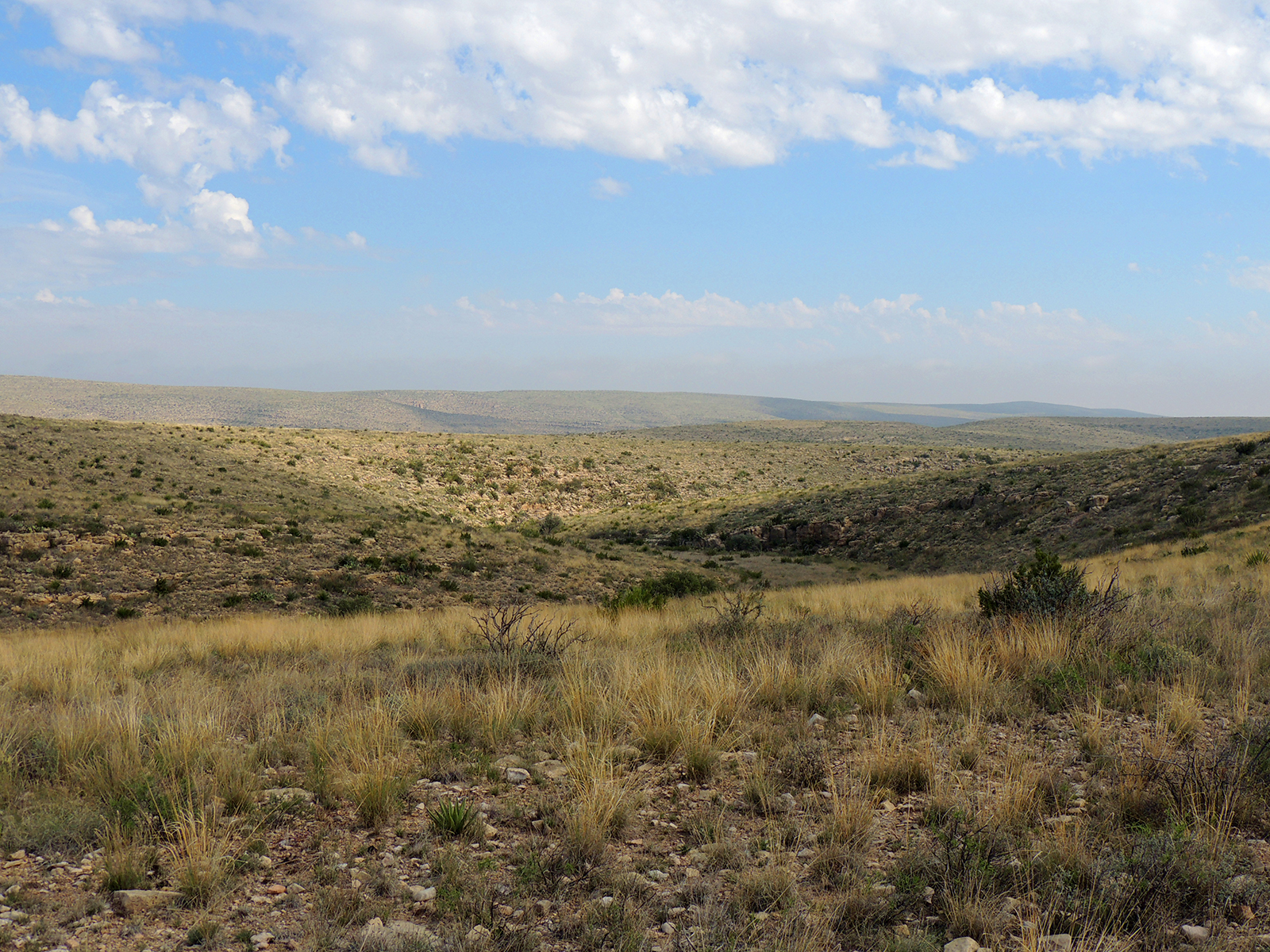
Heat exposure is the primary danger here: there is essentially no tree cover for the entire route, and summer temperatures regularly push past 100 degrees — heat exhaustion and heatstroke are real risks if you start late or underhydrate.
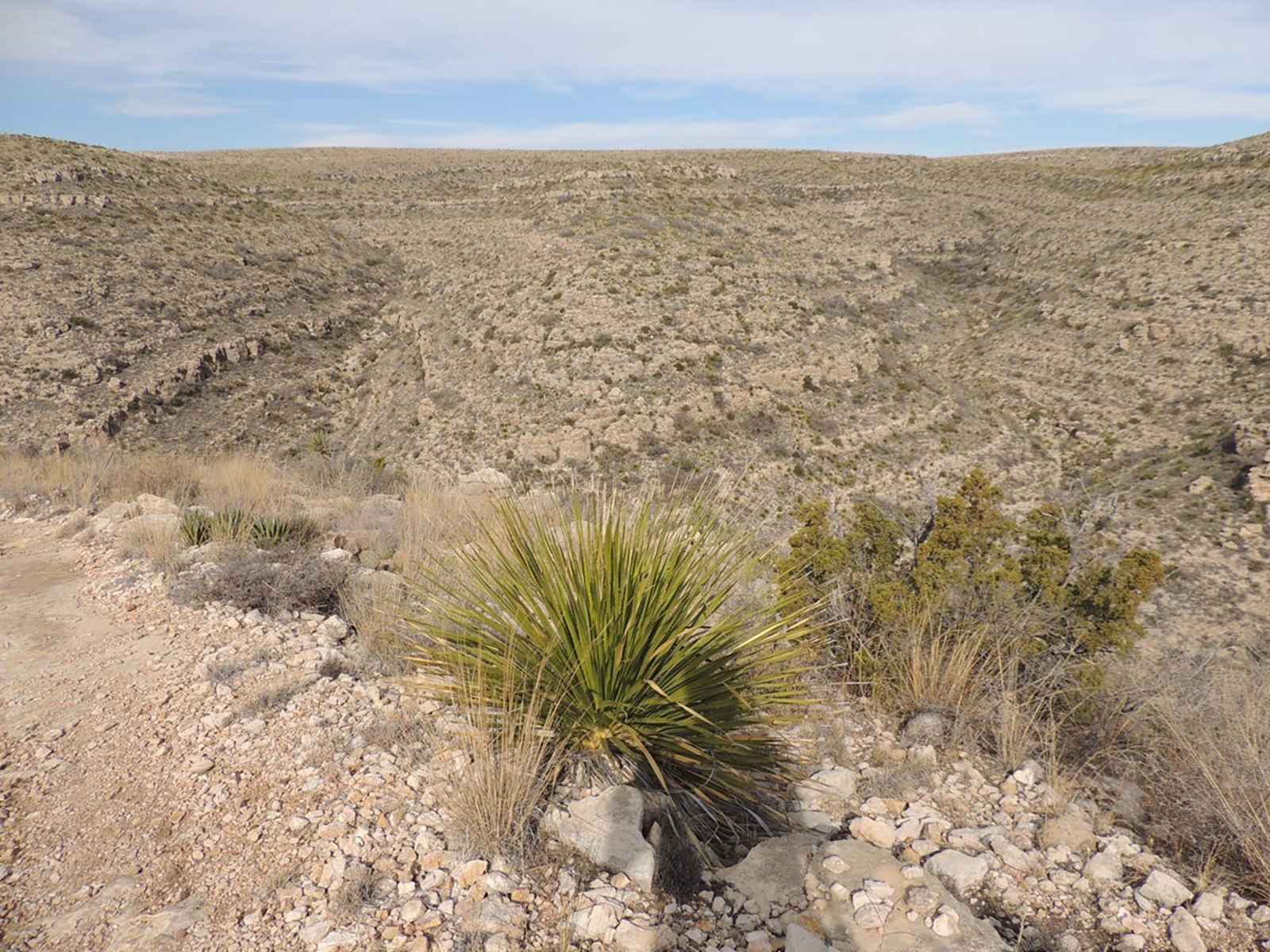
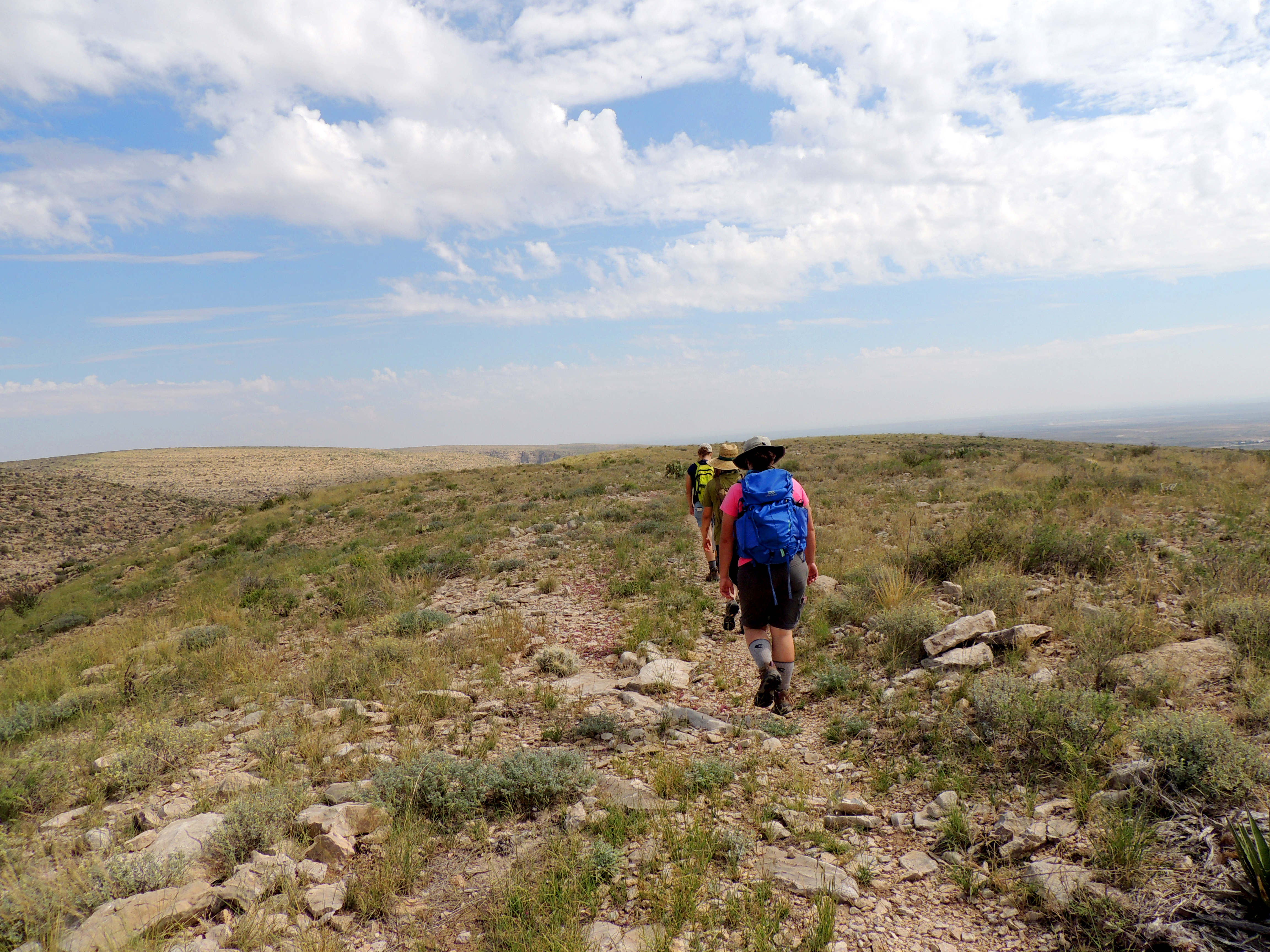
The trail is not always well-marked in the upper canyon, and loose rock on steep sections creates a real slip-and-fall hazard — trekking poles and sturdy boots with ankle support are not optional gear on this one.
Trail Details
Pro Tips
Start at first light — the trailhead parking area is about 25 minutes from the main visitor center, so plan your drive time accordingly and be hiking by sunrise to beat the heat and have the canyon entirely to yourself.
Carry at least three liters of water per person; there is zero reliable water along this route and the exposed desert terrain will drain you faster than you expect, especially from late spring through early fall.
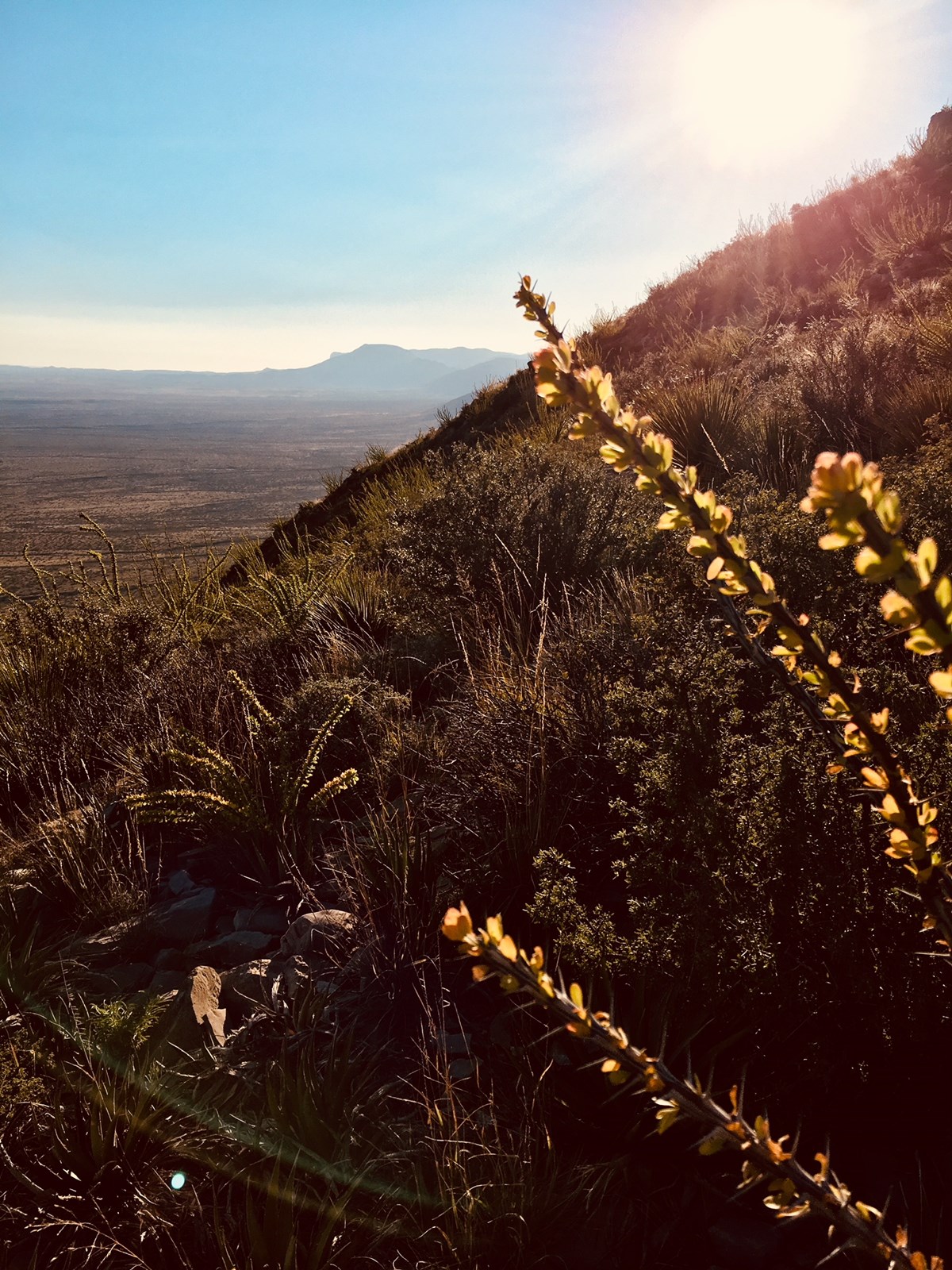
The canyon's west-facing walls catch golden light in the late afternoon — if you're a photographer willing to brave the heat, an afternoon start in cooler months gives you dramatic shadow play on the limestone formations that morning hikers miss entirely.
Photos
 NPS / Eymard Bangcoro