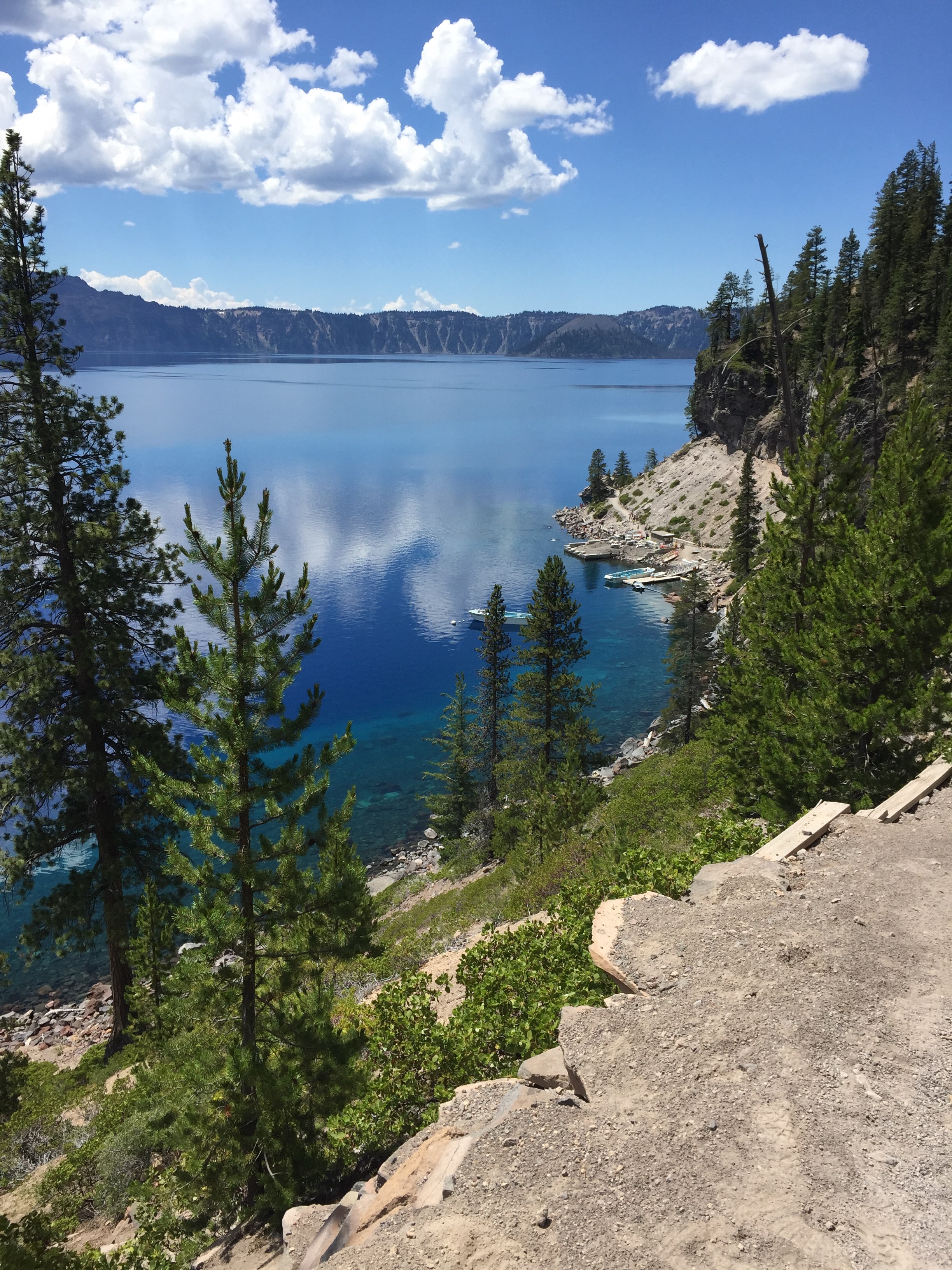
Crater Peak
What to Expect
Safety Advisory
The upper half of the trail is fully exposed with no shade or shelter. Afternoon thunderstorms roll in fast during July and August — if you see clouds building to the southwest, turn back. Lightning on a bald summit is no joke.
Snow can linger on the upper slopes well into June and return by October. The trail becomes difficult to follow under snow cover, and the terrain is deceptively steep in spots.
Trail Details
Pro Tips
Start early morning in summer — the exposed grassland sections bake in afternoon sun, and the wildflowers photograph best in soft light before 10 AM.
There's no water source on this trail, and the upper sections are fully exposed. Carry at least two liters per person and consider a sun shirt — sunscreen alone won't cut it on the treeless summit.
Most visitors beeline for the Rim Drive overlooks, so Crater Peak sees a fraction of the traffic. Hit it on a weekday and you might have the summit entirely to yourself — rare for a national park trail in peak season.