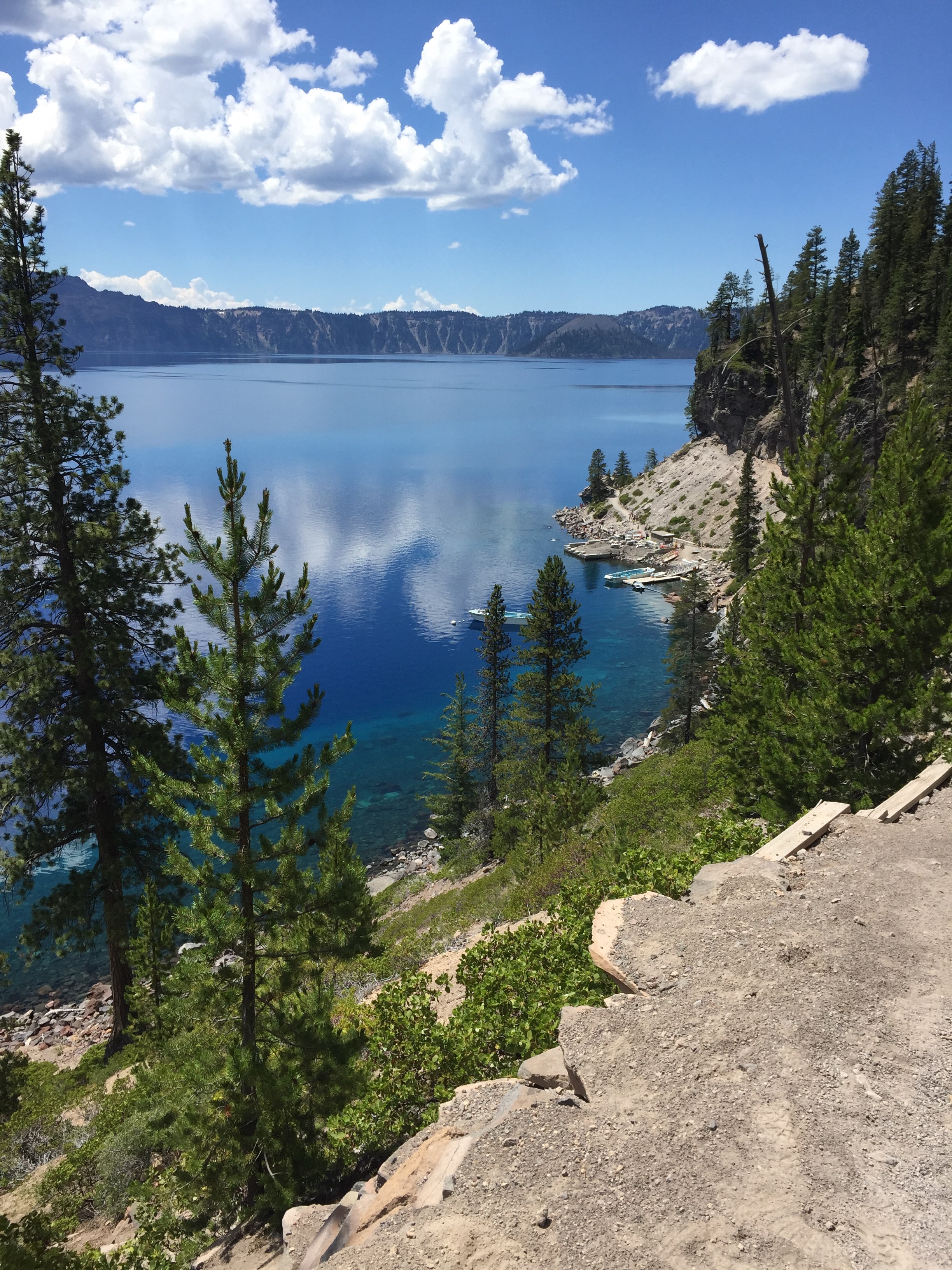
Mount Scott
What to Expect
Safety Advisory
The upper third of the trail is fully exposed with no tree cover — sun protection is critical, and lightning becomes a serious risk during afternoon storms. If you see dark clouds building, turn around immediately. A summit is the worst place to be in an electrical storm.
Snow can linger on the trail well into July, and early-season hikers may encounter icy patches on the north-facing switchbacks. Microspikes are worth throwing in your pack if you're hiking before mid-July.
Trail Details
Pro Tips
Start early in the morning — by midday the summit gets windy enough to make photography a wrestling match, and afternoon thunderstorms are common in July and August. A 7 AM start puts you on top in golden light with calm air.
The trailhead sits at over 7,600 feet, so even fit hikers may feel the altitude. Take the switchbacks at a conversational pace rather than powering through, and bring a liter more water than you think you need — there's zero shade on the upper half.
Bring a wide-angle lens or use panorama mode at the summit. The 360-degree view includes not just Crater Lake but Mount Shasta to the south and the entire Cascade Range stretching north. The fire lookout foundation at the top makes a solid windbreak for a snack stop.