Death Valley National Park
Updated
Overview
Death Valley earns its dramatic reputation with North America's lowest point at Badwater Basin (-282 feet) and summer temps that regularly hit 120°F. But visit November through March and you'll find a stargazer's paradise (Bortle 1 skies), perfectly hikable weather, and surreal landscapes like the hexagonal salt flats and migrating rocks of Racetrack Playa. The caveat: this is a driving park — trails are short and scattered across 140 miles of highway. Fuel up in Furnace Creek ($$$) or plan logistics from Pahrump.
Skip the sunset crowds at Zabriskie Point and drive 6 miles south to Dante's View instead. You'll get the same golden-hour magic across the entire valley floor from 5,475 feet, minus the tour buses. Arrive 30 minutes before sunset — the light show lasts barely 15 minutes once the sun drops.
When to Go
The sweet spot is February — good weather meets manageable crowds. Peak season hits in March.
Peak comfort at 72°F brings high crowds but ideal conditions for Golden Canyon and Zabriskie Point at sunrise.
Monthly crowd levels — click a month for details
Seasonal Closures
Some high elevation roads: Extreme heat; exercise caution
How Busy Is It?
How Death Valley compares to all 62 national parks
Busier than 37% of national parks
ModerateMore crowded trails than 80% of parks
Very BusyHigher campsite pressure than 8% of parks
Below AverageNotable Trails
Death Valley has more trail mileage than 50% of national parks, with 65 miles across 26 maintained trails.
The difficulty split leans moderate to strenuous — only 38% of trails are rated easy.
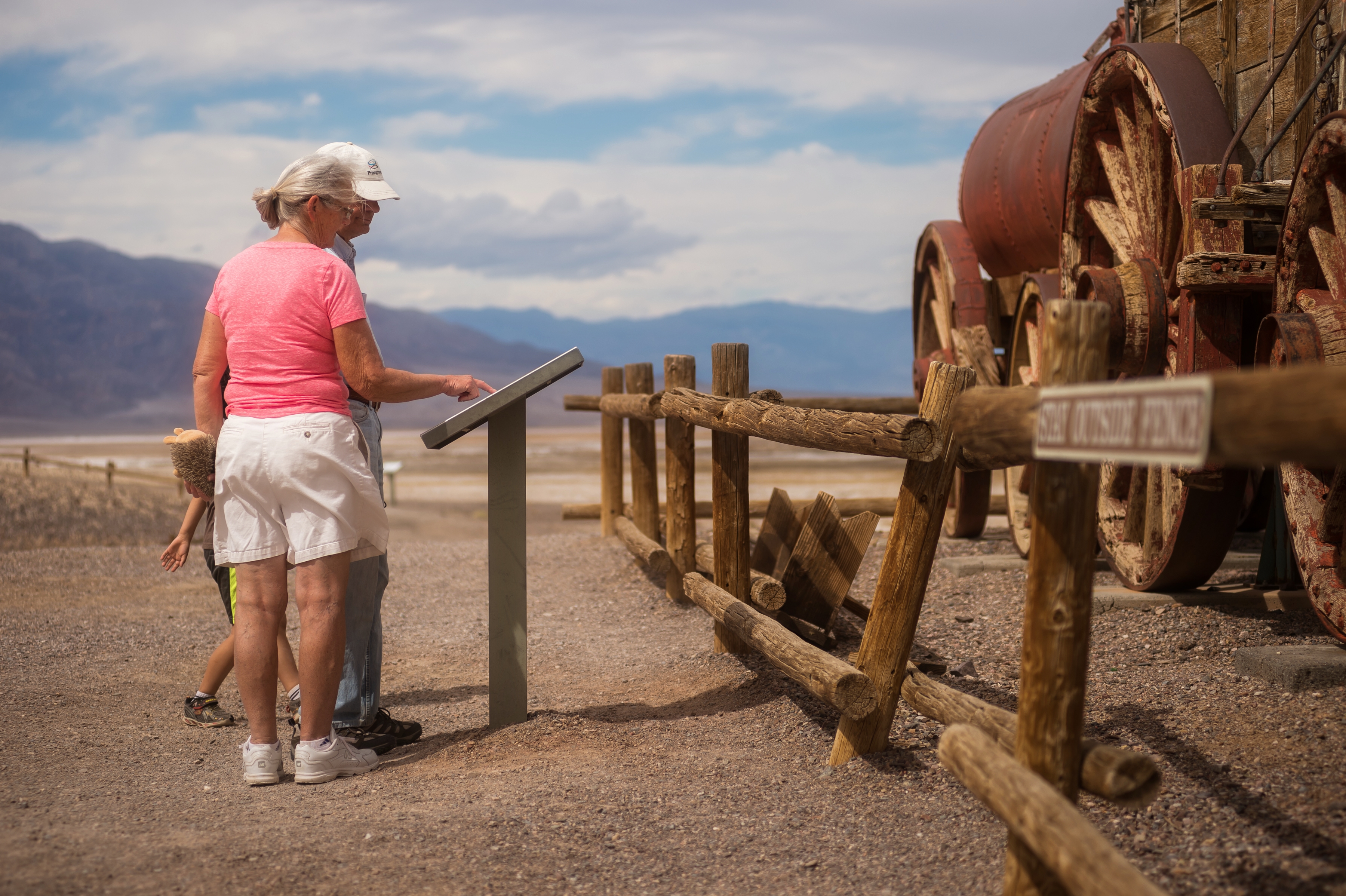
Harmony Borax Works Self Guided Walk
Badwater Basin Trail
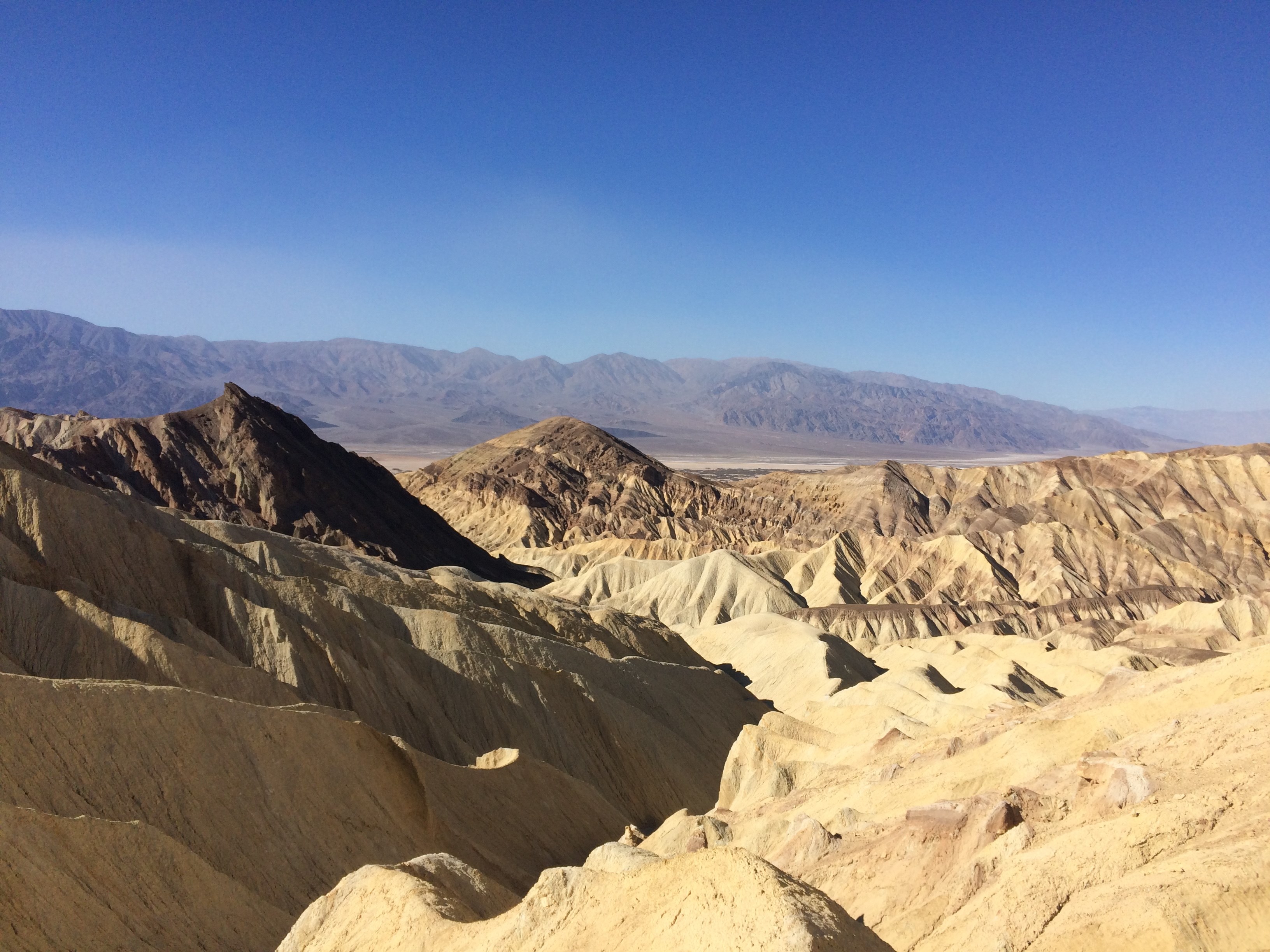
Golden Canyon Trail
Mesquite Flat Sand Dunes Trail
Start early — Death Valley's most popular trailheads fill up by mid-morning in peak season.
Camping
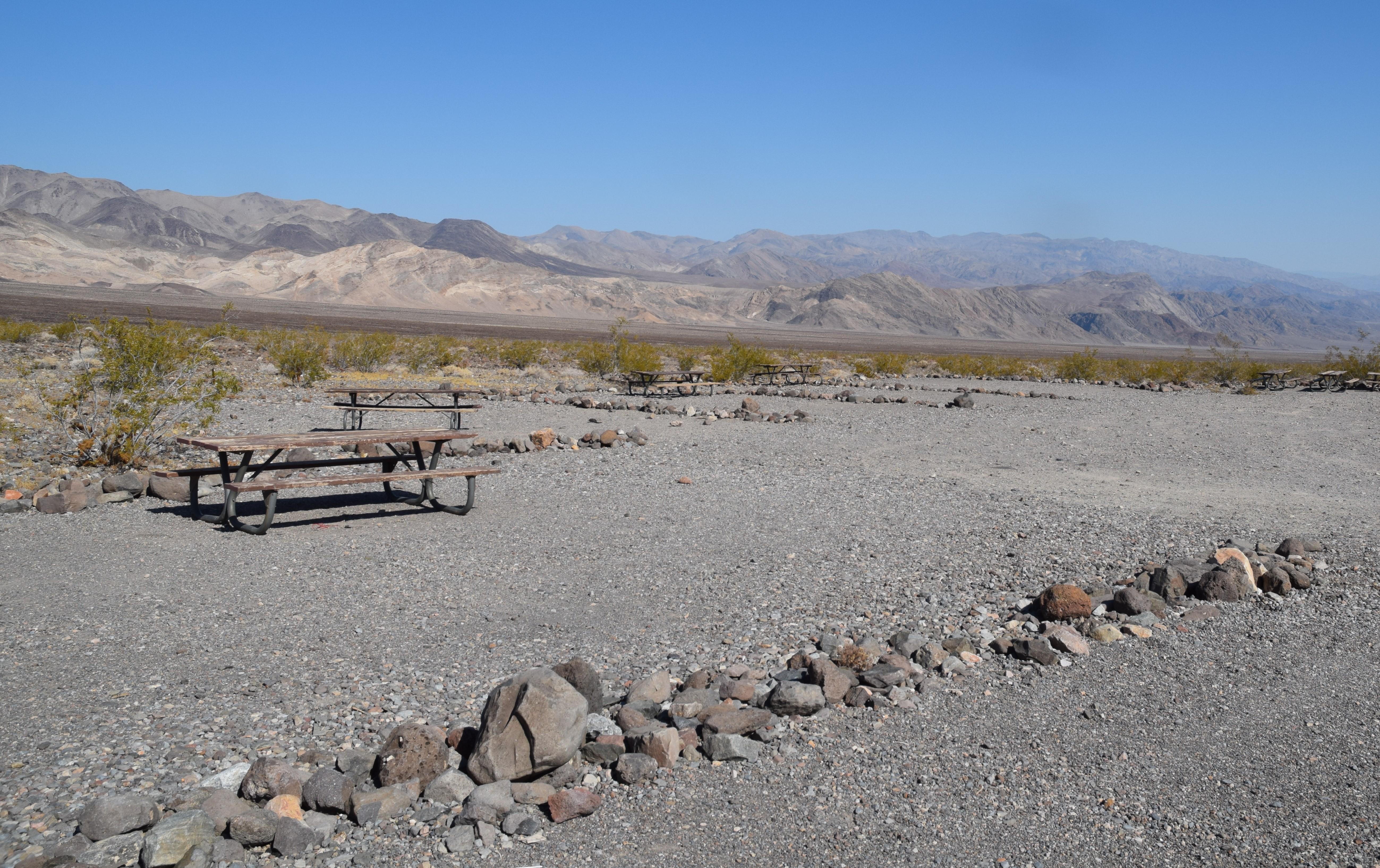
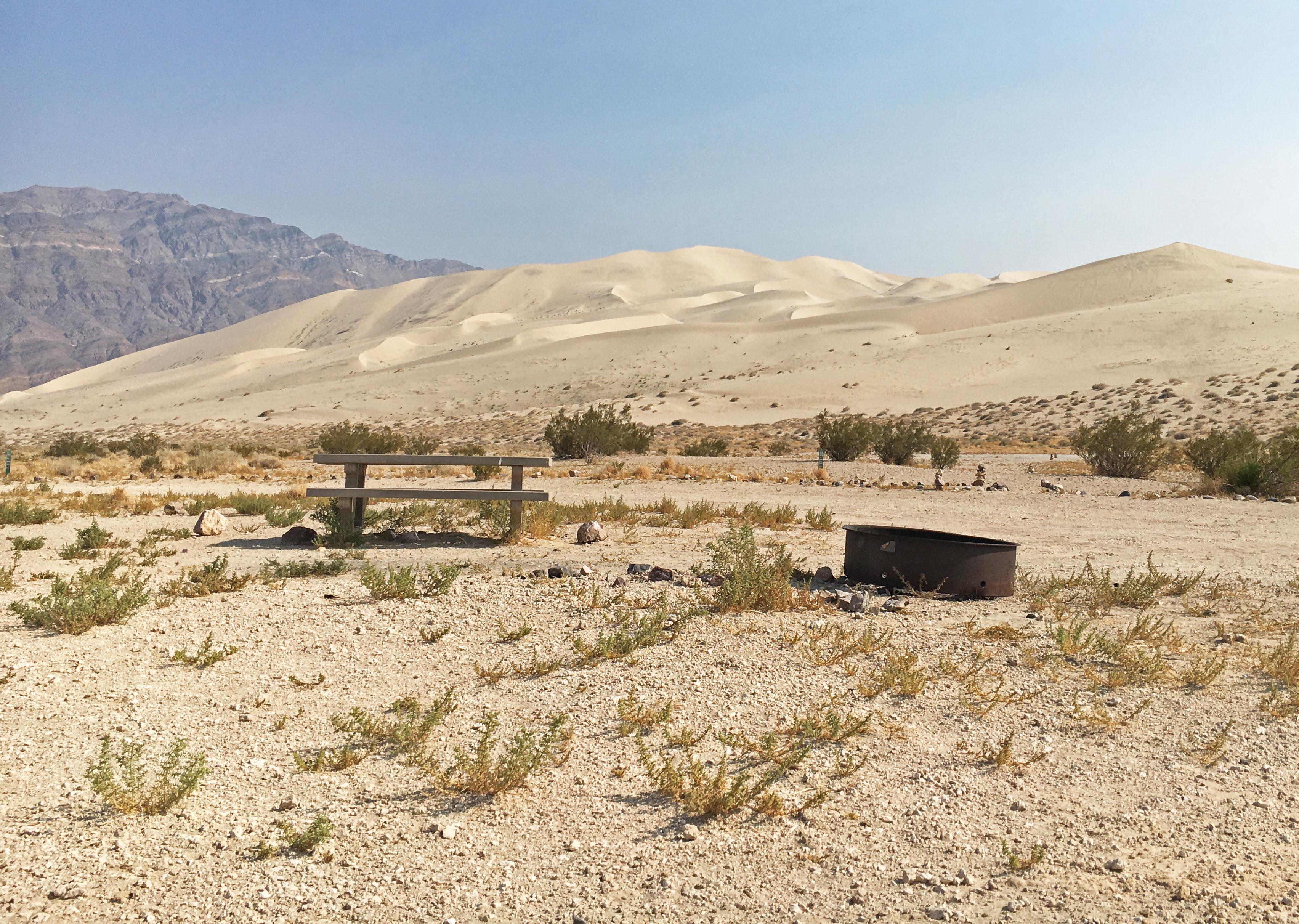
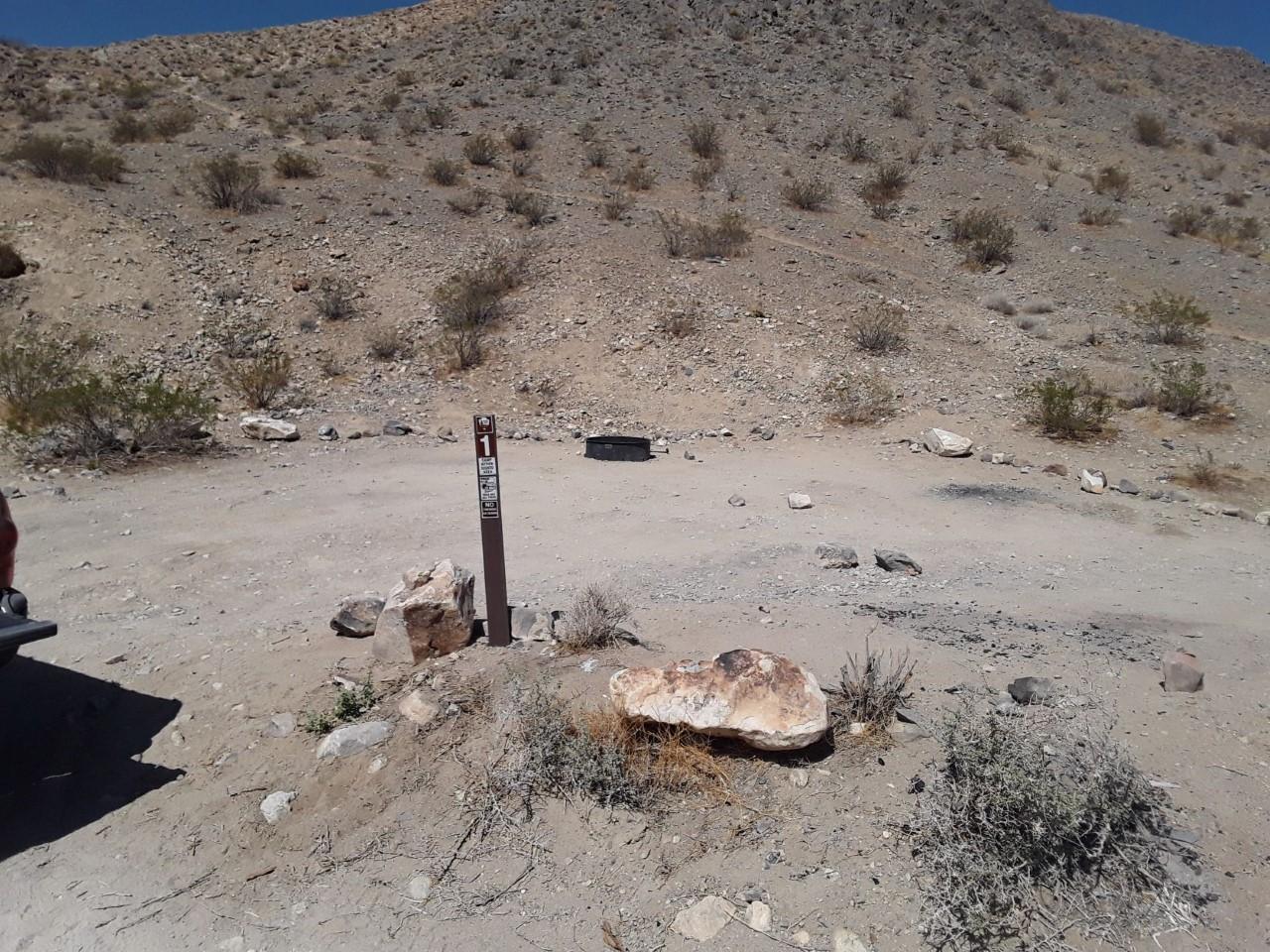
12 campgrounds with 782 total sites. About 92% are first-come, first-served.
Top Activities
Death Valley excels at 8 of 17 activity types — here are the standouts rated 7/10 or higher.
Scenic Driving
10/10Exceptional scenic drives including Artists Palette Drive and Badwater Road
Photography
10/10Exceptional landscape, extreme conditions, and unique geological features
Stargazing
9/10International Dark Sky Park; exceptional night sky viewing
Hiking
8/10Diverse terrain from salt flats to mountains; over 65 miles of trails
Backpacking
8/10Excellent remote backcountry opportunities; multi-day wilderness trips available
Rock Climbing
7/10Rock climbing available on various formations; permits required
Canyoneering
7/10Multiple canyons offer canyoneering opportunities
Ranger Programs
7/10Ranger-led programs including nature walks and evening talks
Who It's For
Planning Your Trip
Getting There
Nearest city: Las Vegas, NV (120 mi). Fly into LAS.
In-Park Services
Gas available · Lodging available · Cell: very_limited
Gateway Town
Las Vegas, NV — full amenities
Featured In ?Rankings based on data-driven scoring across all 62 national parks.
Stories
Gateway Cities
Road Trips
Death Valley is a stop on this road trip:
Compare Death Valley
See how Death Valley stacks up against other national parks — crowds, trails, and more.
Compare Death ValleyFrequently Asked Questions
When is the best time to visit Death Valley National Park?
The best month to visit Death Valley is February, based on a balance of weather, crowds, and accessibility. Peak visitation is in March. The park has 5 comfortable months for visiting.
How crowded is Death Valley National Park?
Death Valley is moderately crowded, with a congestion index of 4.1/10. The park receives 1.4M visitors annually across 5,422 square miles.
How many trails does Death Valley National Park have?
Death Valley has 65 miles of trails across 10 easy, 10 moderate, and 6 strenuous routes. Popular trails include Badwater Basin Trail, Golden Canyon Trail, Mesquite Flat Sand Dunes Trail.
Can you camp at Death Valley National Park?
Yes, Death Valley has 12 campgrounds with 782 total sites. Some sites are available first-come, first-served.
Is Death Valley National Park open year-round?
Yes, Death Valley is open year-round, though some roads and facilities may close seasonally. The park's climate is classified as desert.