Death Valley National Park

Corkscrew Peak

strenuous Summit BaggersSolitude SeekersExperienced Scramblers
8 mi Distance
Varies Estimated Time
roundtrip Trail Type

What to Expect

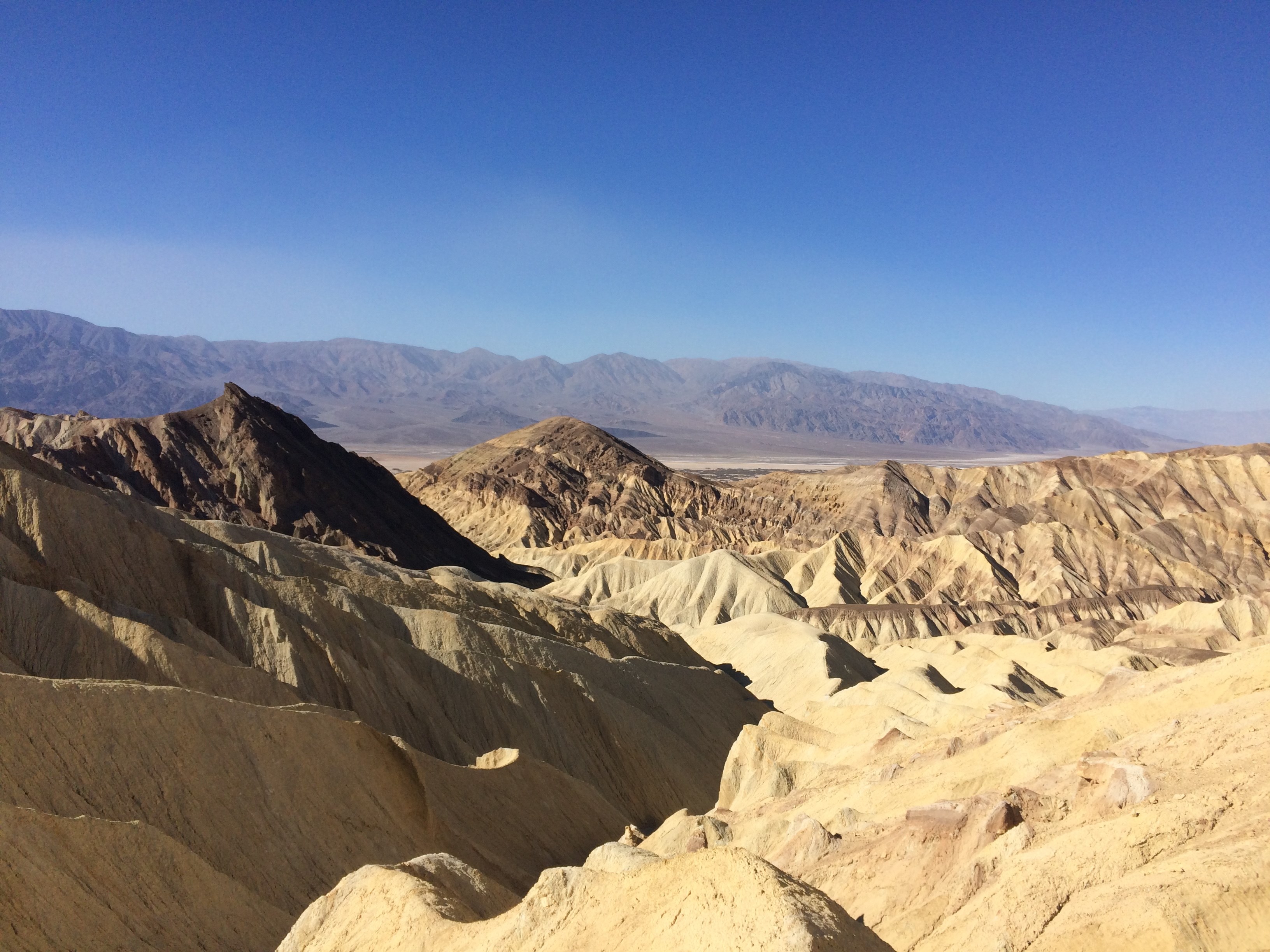
Corkscrew Peak is one of Death Valley's quieter summit scrambles — the kind of hike where you might not see another soul all day. The route climbs roughly four miles through desert scrub and increasingly rocky terrain, gaining serious elevation as you work your way up the flanks of the peak. There's no maintained trail for much of this — you're following use paths and cairns through loose volcanic rock and crumbly ridgelines. The exposure is relentless; there's virtually no shade between the desert floor and the summit. But the payoff is a panorama that earns every drop of sweat: sweeping views across the Amargosa Range, down into Death Valley proper, and out toward the distant Sierras on clear days. This one belongs to experienced scramblers who like route-finding and don't mind earning their views the hard way.
Summit BaggersSolitude SeekersExperienced ScramblersDesert LoversPeak Collectors

Safety Advisory

Extreme heat is a genuine killer here — this hike should only be attempted between November and March, and even then, start at first light to avoid afternoon sun on the exposed upper slopes.

The route is largely unmarked with sections of Class 2-3 scrambling on loose rock; solid navigation skills and a GPS device are essential, as getting off-route on these ridgelines can put you on dangerous terrain quickly.

Cell service is nonexistent in this area — tell someone your plan and expected return time before heading out.

Trail Details

Distance 8 miles round-trip
Difficulty strenuous
Estimated Time Varies
Trail Type roundtrip
Pets Not allowed
Season Year-round
Trailhead Corkscrew Peak

Pro Tips

Trail Tip

Start from the unmarked pullout along Daylight Pass Road — there's no official trailhead sign, so mark the coordinates on your GPS before you go and scout the starting point the evening before if possible.

Trail Tip

Carry at least four liters of water per person and consider a fifth if temperatures are above 70F — there is zero water on this route, and the desert air will dehydrate you faster than you expect.

Trail Tip

Bring trekking poles for the descent; the loose scree and steep grade on the way down are far harder on your knees than the climb up, and a slip on volcanic rock leaves a mark.
More Trails in Death Valley

Explore Death Valley National Park

12 campgrounds, 26 trails, 1.4M annual visitors

View Park Guide