Granite Canyon
What to Expect
Safety Advisory
Grizzly and black bear activity is common throughout Granite Canyon, especially in late summer when berries ripen. Carry bear spray accessible on your hip — not buried in your pack — and make noise on blind corners.
Lingering snowfields in the upper canyon can persist well into July and become treacherous ice slopes in the morning. If you encounter hard-packed snow on steep sections without traction devices, turn around. Several rescue calls each year come from hikers who tried to cross early-season snow in running shoes.
The full route is a seven-to-eleven-hour commitment with no reliable water sources in the upper sections during late summer. Carry at least three liters and a filter — the lower creek crossings may be your last refill opportunity.
Trail Details
Pro Tips
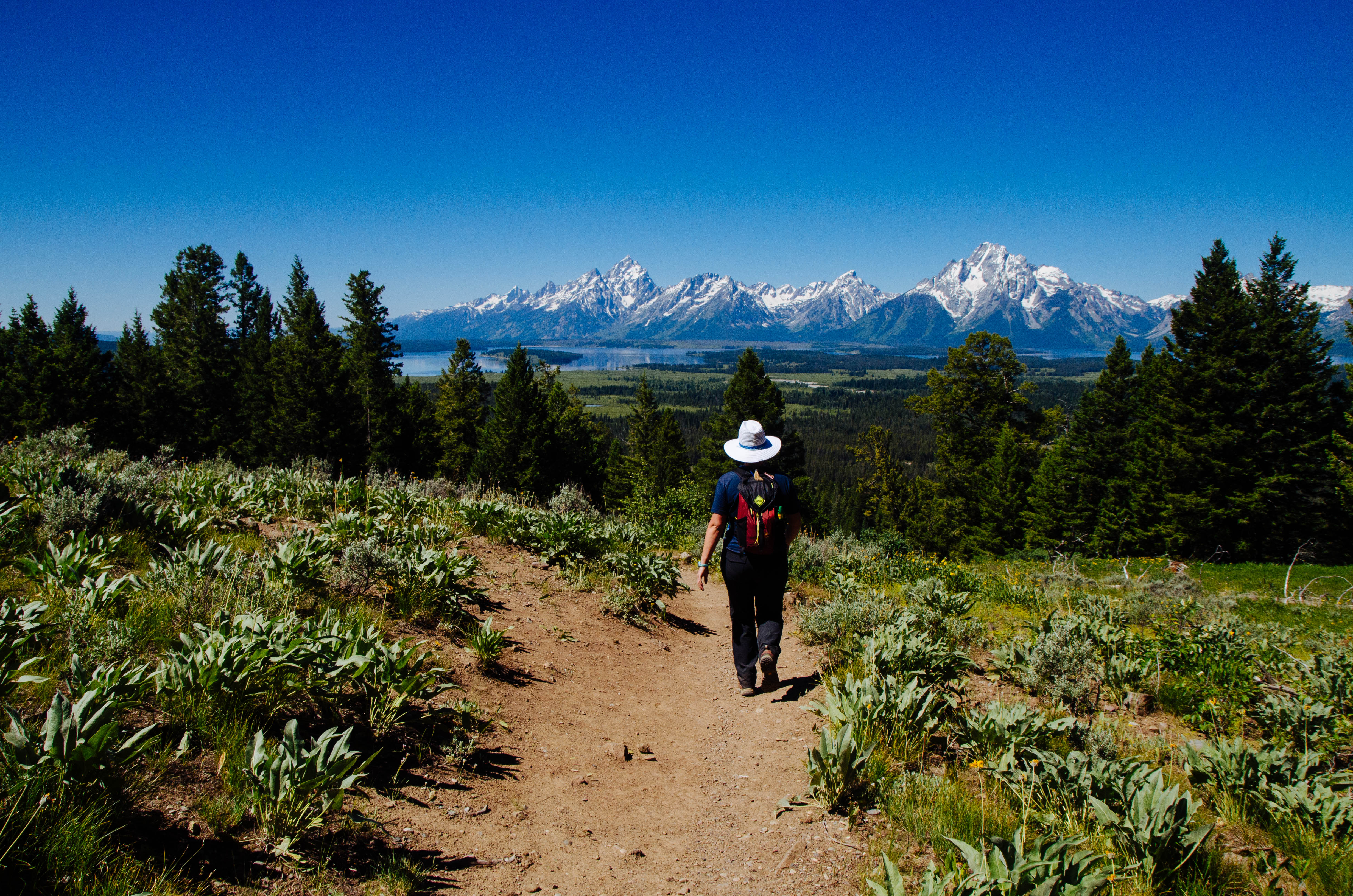
Take the Jackson Hole Aerial Tram up and hike down through Granite Canyon instead of the reverse — you'll save your knees roughly four thousand feet of climbing and still get every bit of the scenery. Buy tram tickets online in advance for a discount.
Start early enough to be on the trail by 7 AM. The upper meadows are fully exposed and bake in afternoon sun, plus afternoon thunderstorms roll in like clockwork from mid-July through August. Morning light in the canyon is worth setting the alarm.
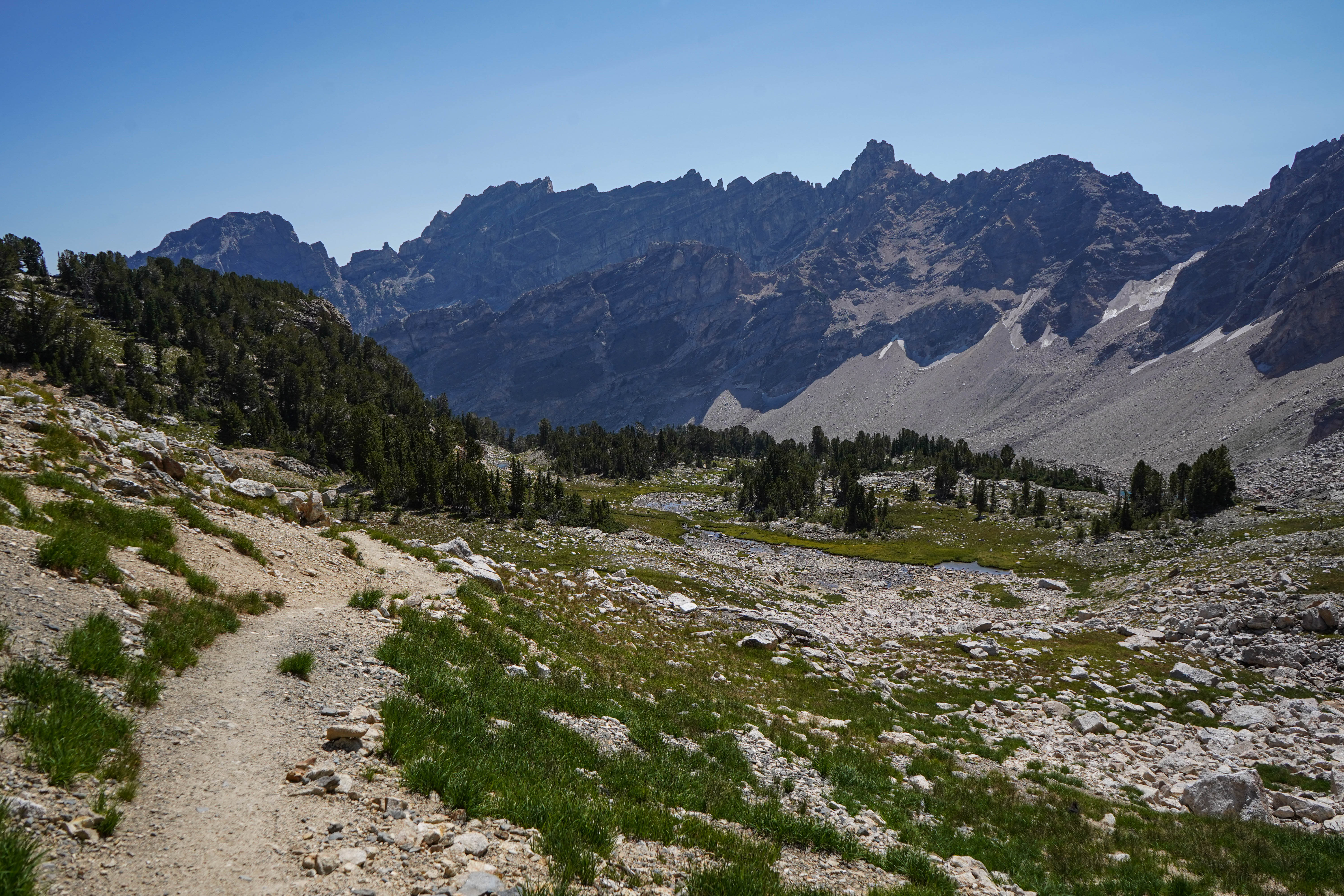
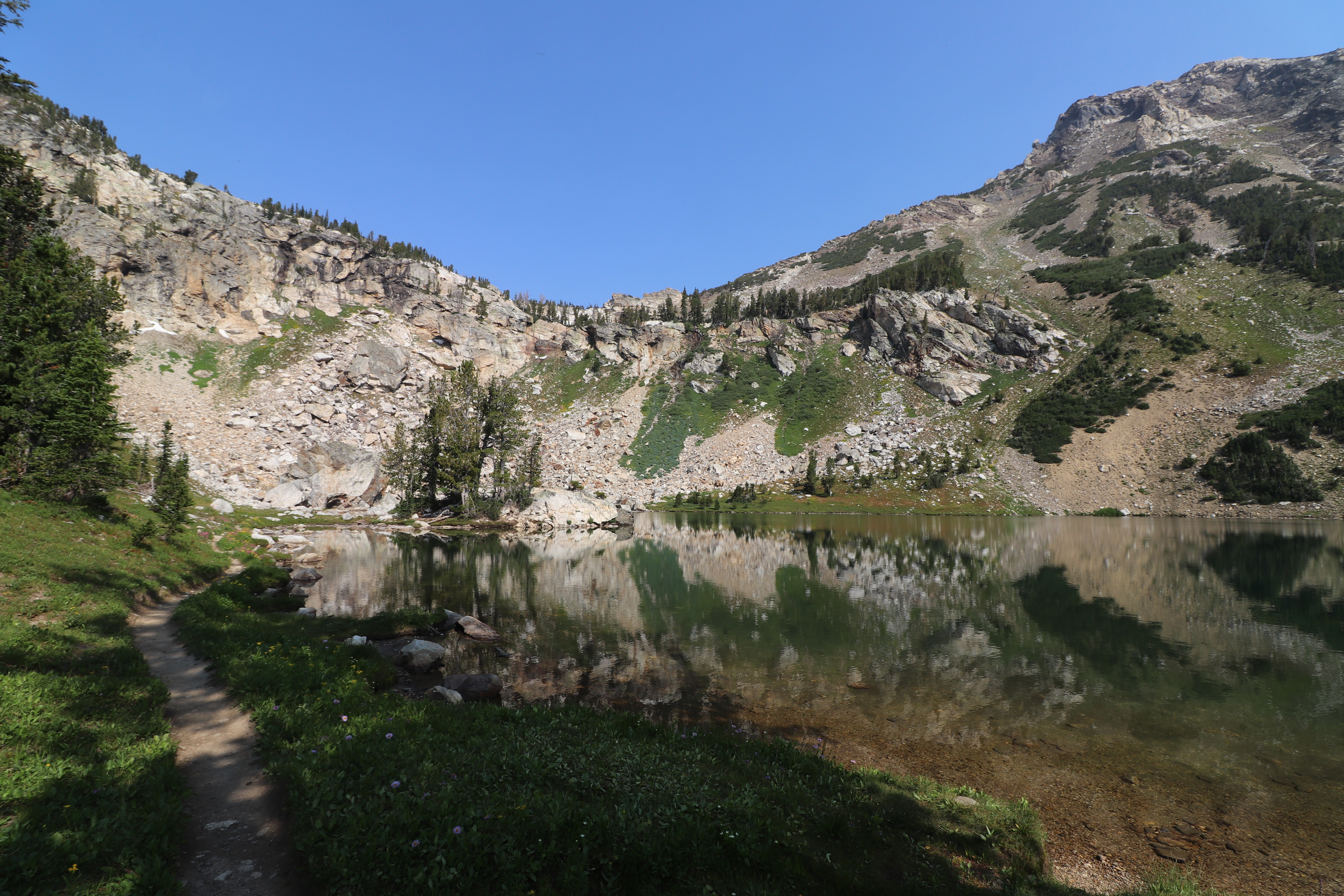
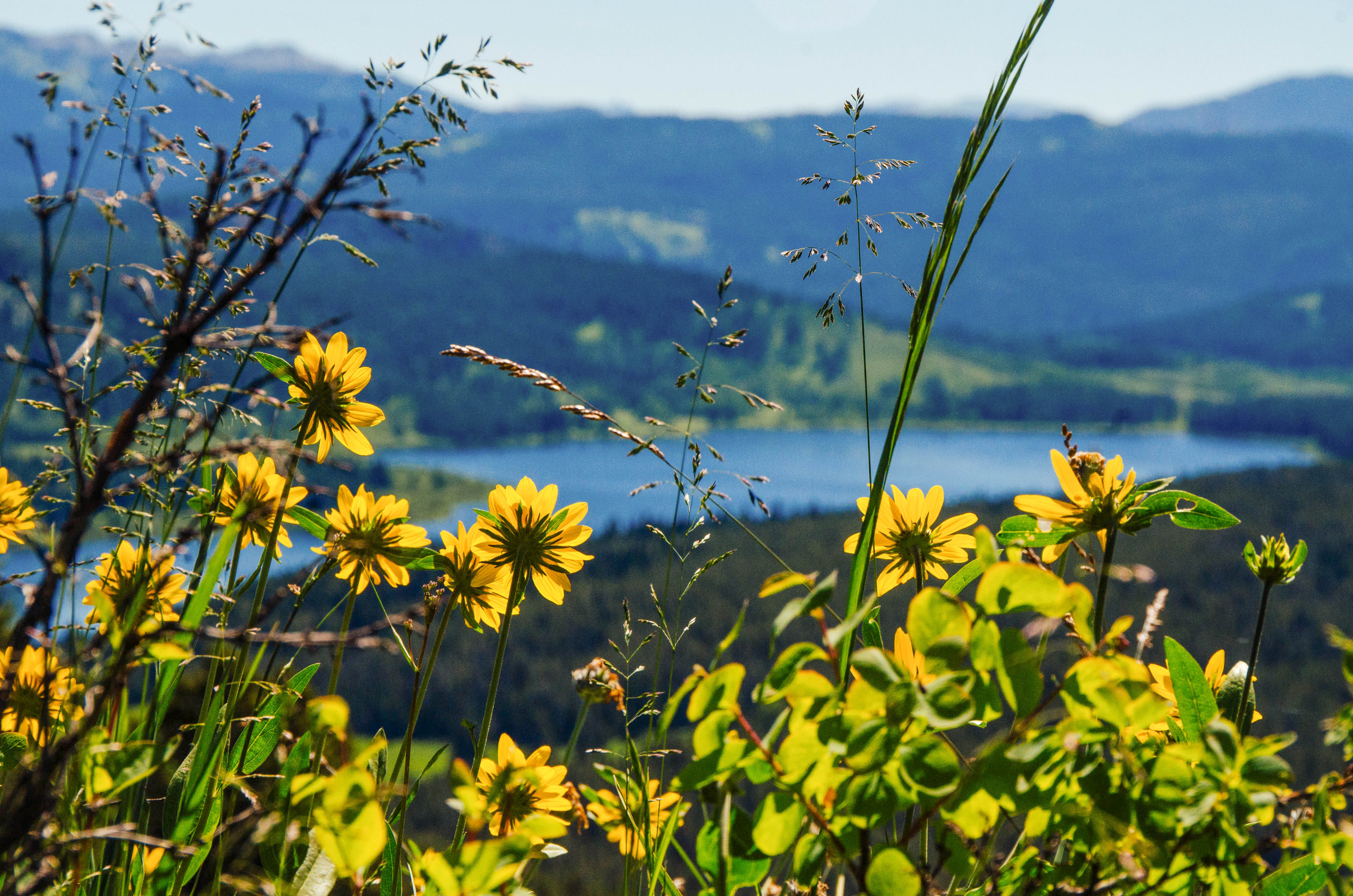
The upper meadows between the Marion Lake junction and the head of Granite Canyon are the real showstopper — linger here for photography. In late July, the wildflower display rivals anything in the Tetons, and you'll have the backdrop of the South Fork cascade framed by Middle Teton.
Photos
 NPS Photo/A. Falgoust