Overview
Great Basin delivers rare alpine desert terrain—from 13,063-foot Wheeler Peak to subterranean Lehman Caves—with almost zero crowds (1.6/10 congestion, 152K annual visitors). The park's ancient bristlecone pines, some over 3,000 years old, and certified International Dark Sky designation make it exceptional for stargazing. The catch: remoteness. Ely is 70 miles away, and services are sparse. Free entrance softens the isolation tax. April offers snow-free trails without summer heat.
Skip the crowded Wheeler Peak Summit Trail and hike to Lexington Arch instead—a six-story limestone arch reached via a moderate 3.4-mile trail. You'll likely have it to yourself, and the geology rivals anything in the park. Start early; afternoon thunderstorms are common June through August.
When to Go
The sweet spot is May — good weather meets manageable crowds. Peak season hits in September.
Peak conditions: warm days, clear trails, and bristlecone pines in full green. The scenic drive opens, and crowds remain manageable.
Monthly crowd levels — click a month for details
Seasonal Closures
Wheeler Peak Scenic Drive: Typically closes in winter due to heavy snow; reopens late spring
Upper elevation trails: High elevation areas may have snow and ice
How Busy Is It?
How Great Basin compares to all 62 national parks
Busier than 11% of national parks
Below AverageMore crowded trails than 11% of parks
Below AverageHigher campsite pressure than 4% of parks
Below AverageNotable Trails
Great Basin has more trail mileage than 63% of national parks, with 112 miles across 50 maintained trails.
The difficulty split leans moderate to strenuous — only 30% of trails are rated easy.
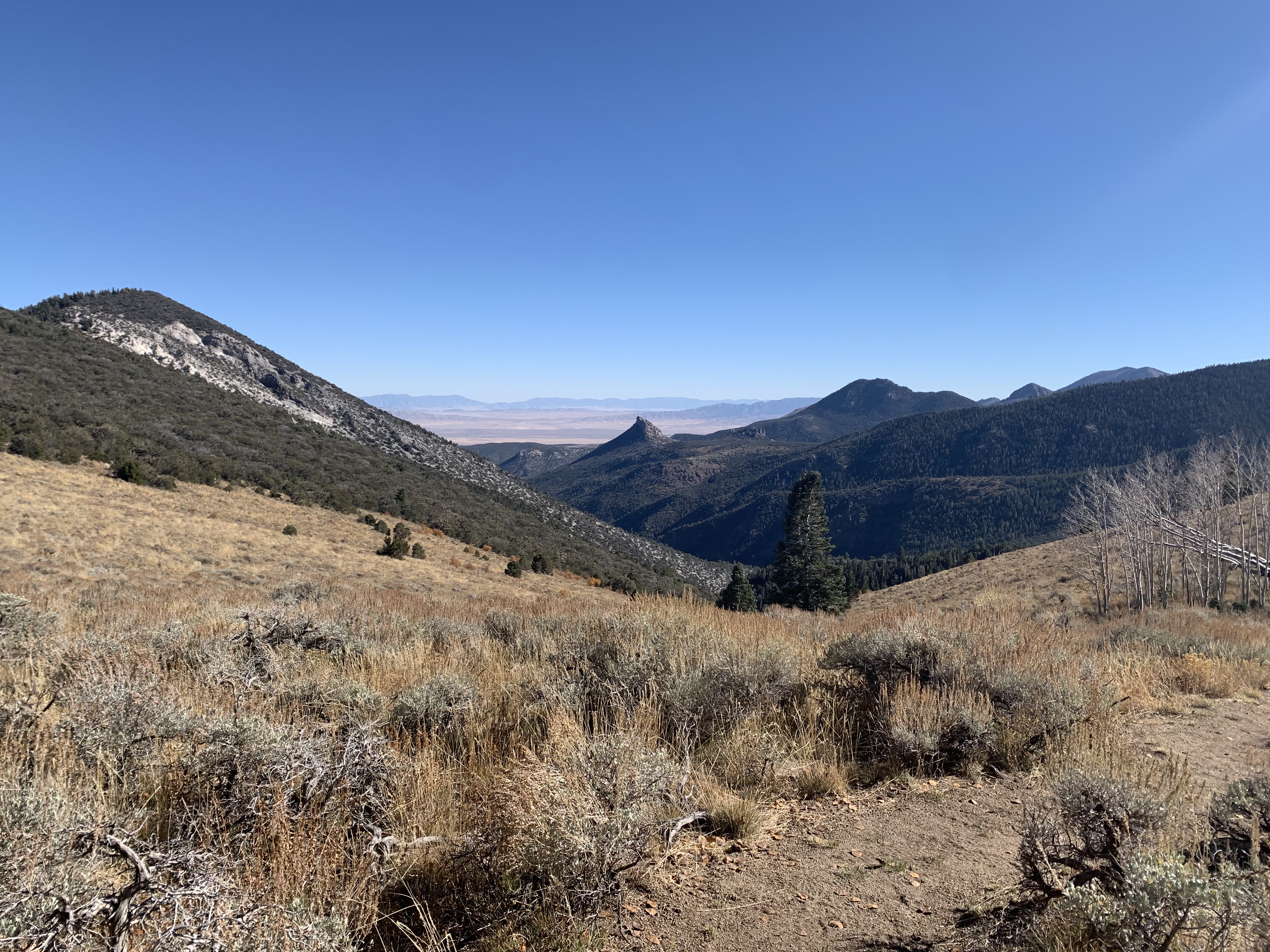
Hike the Big Wash Trail
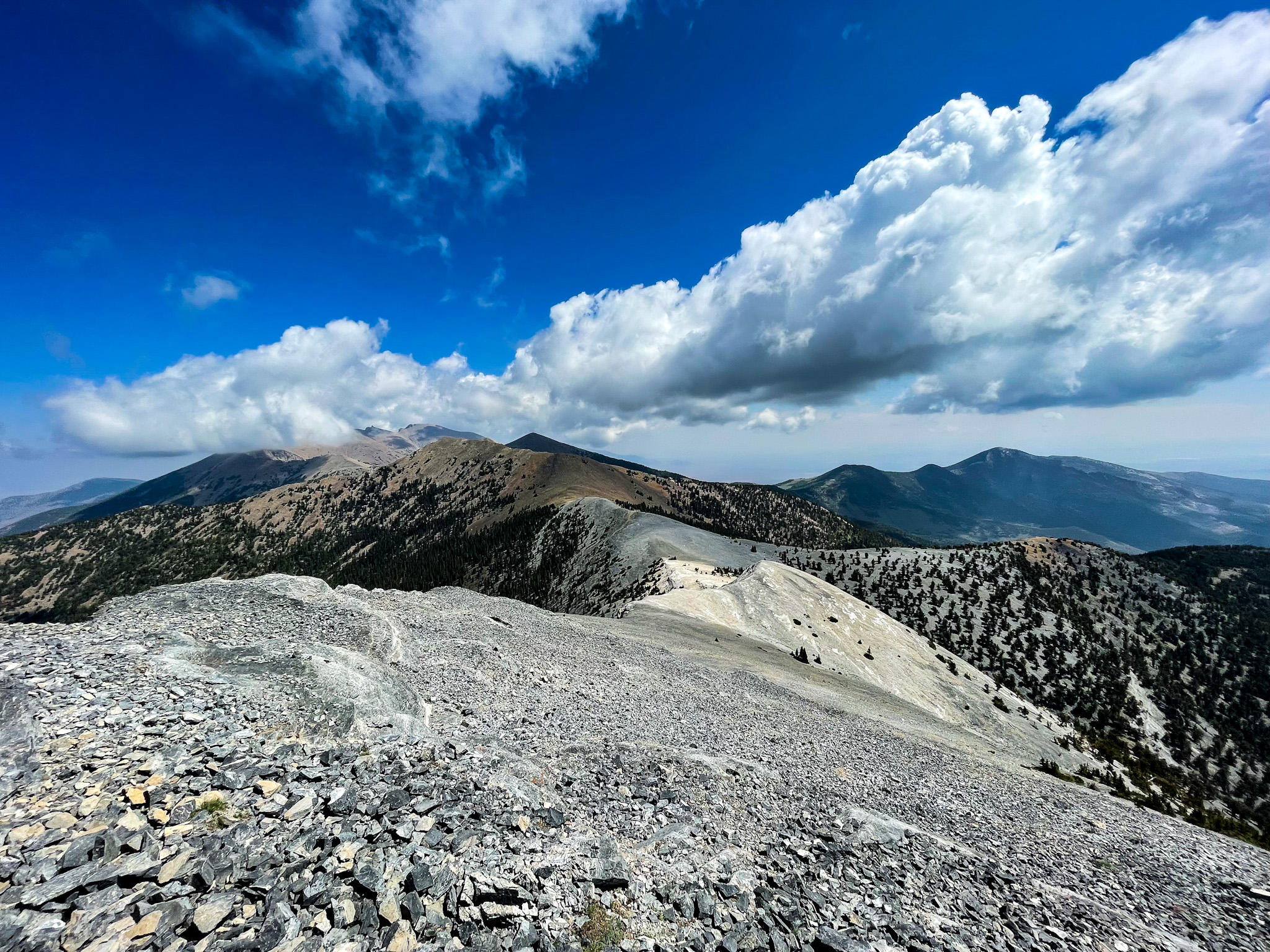
Hike the Highland Route
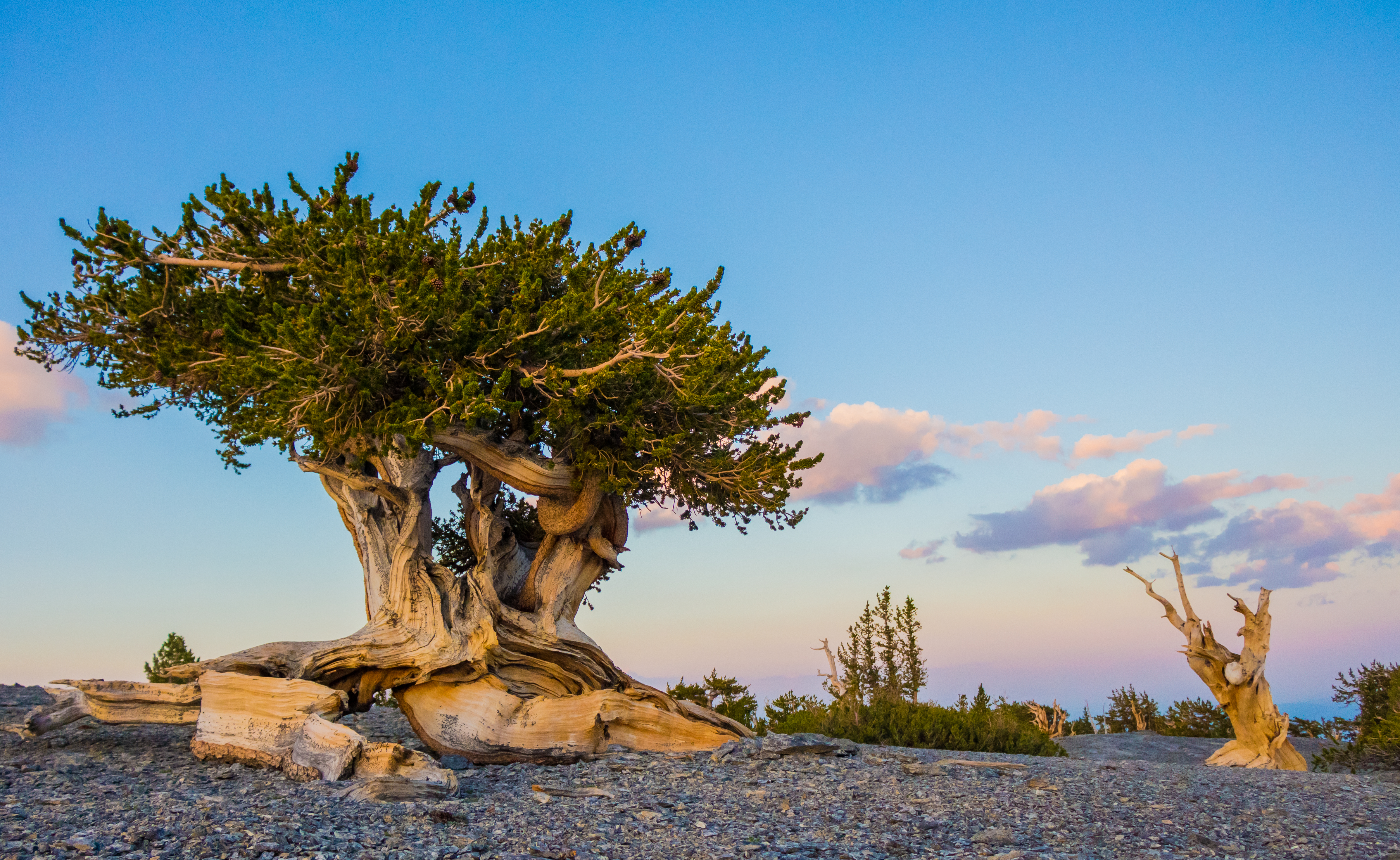
Hike the Snake Divide Route
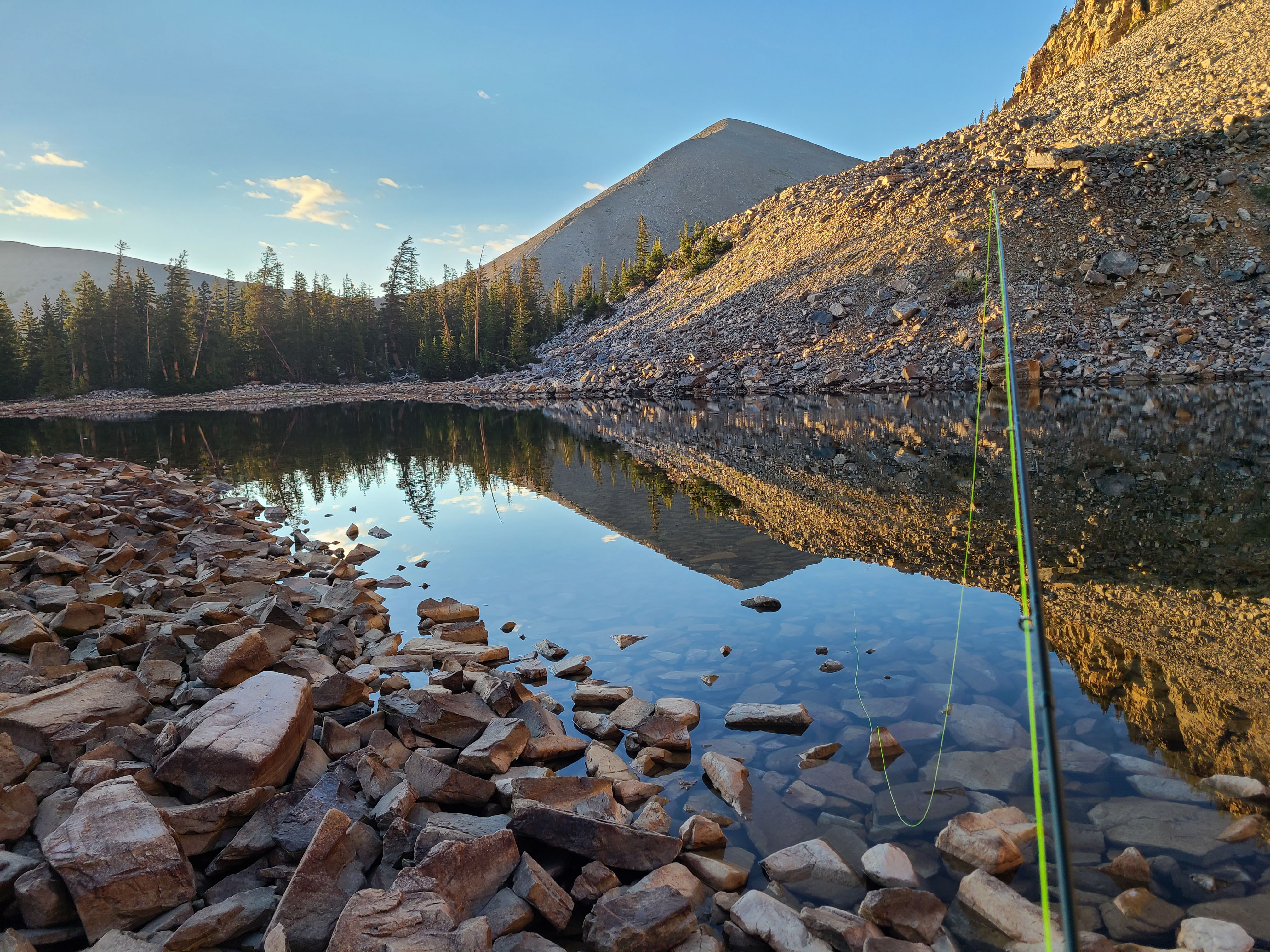
Backpack the Baker & Johnson Lakes Loop
Start early — Great Basin's most popular trailheads fill up by mid-morning in peak season.
Camping
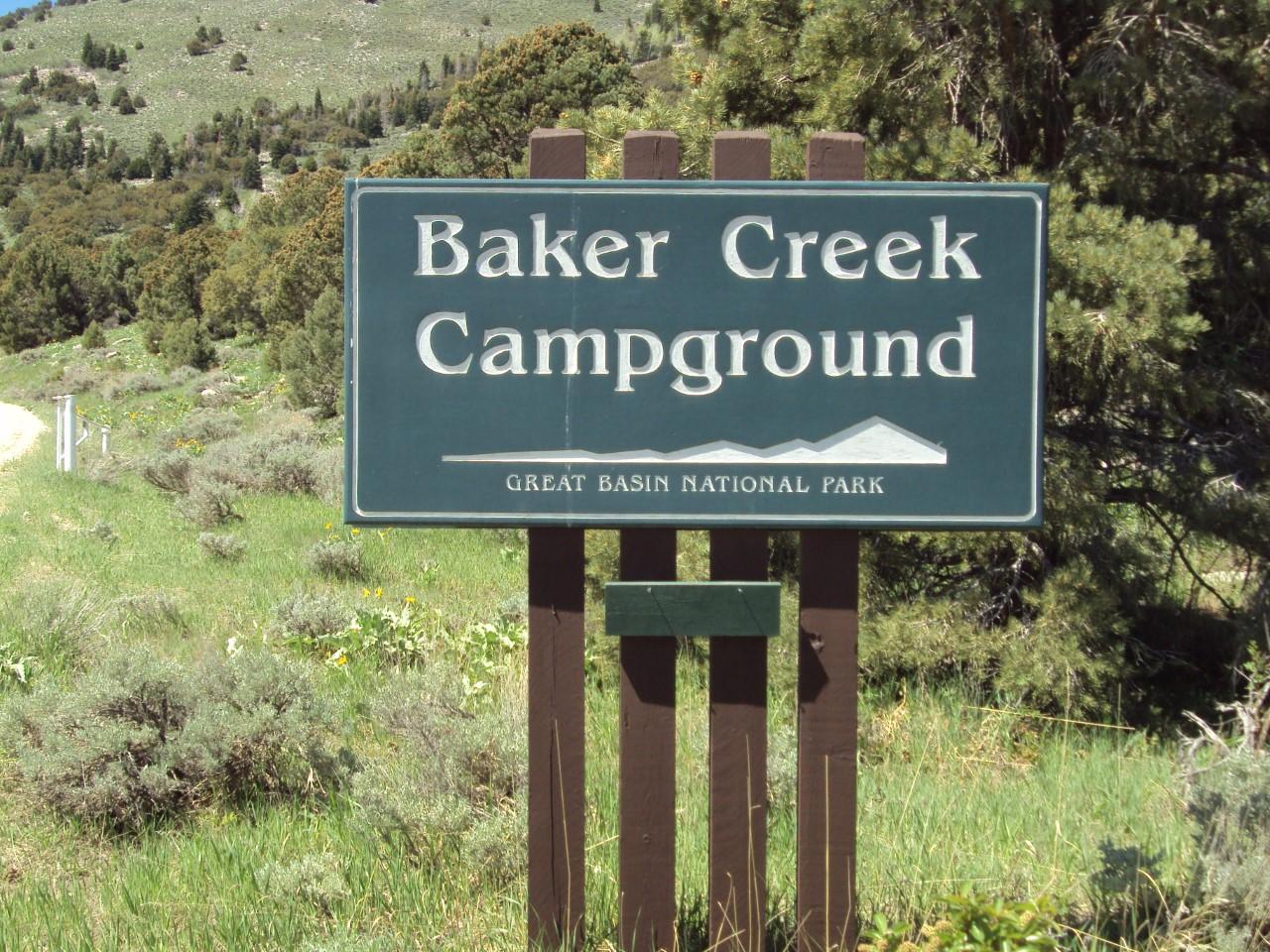
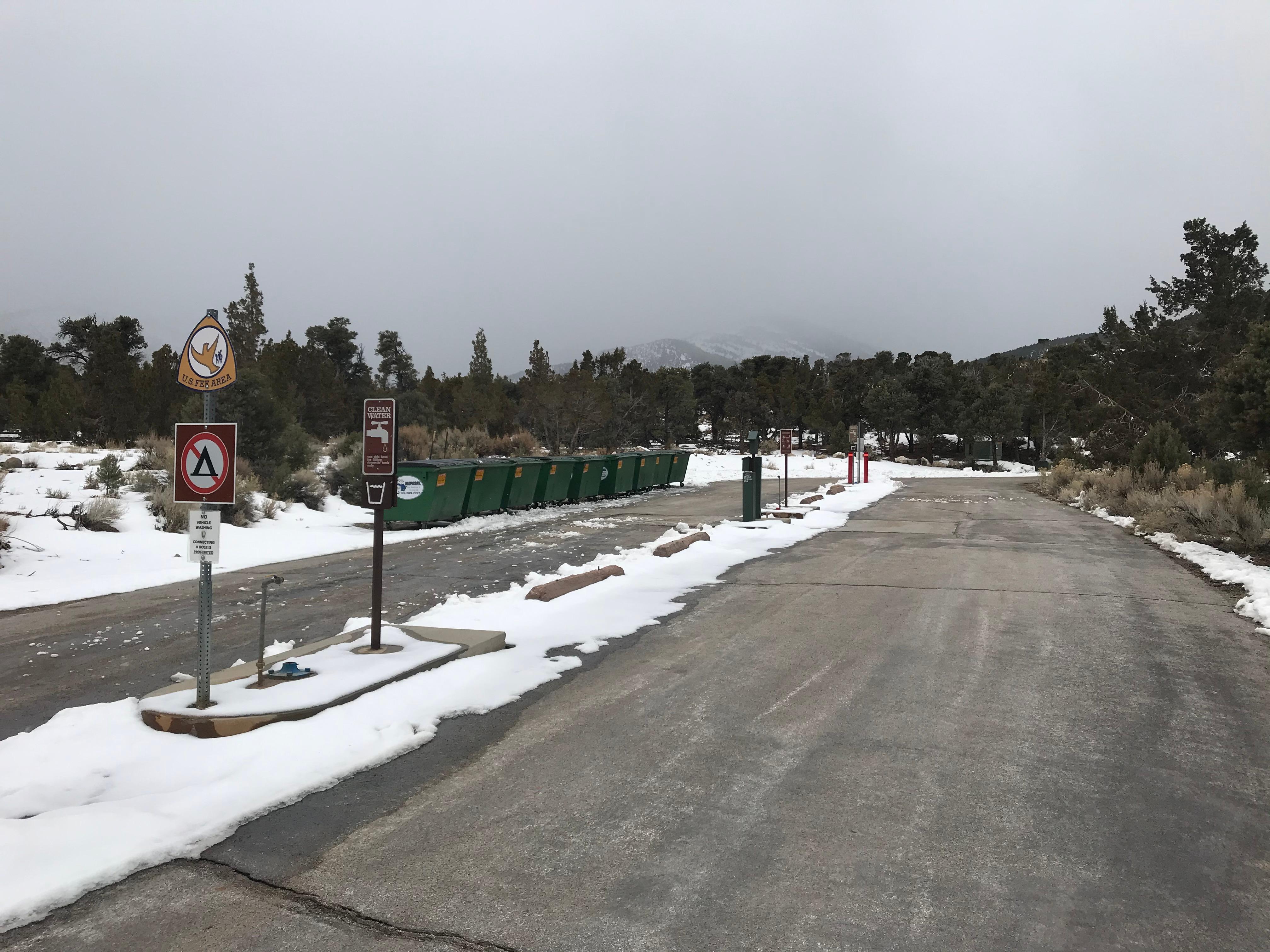
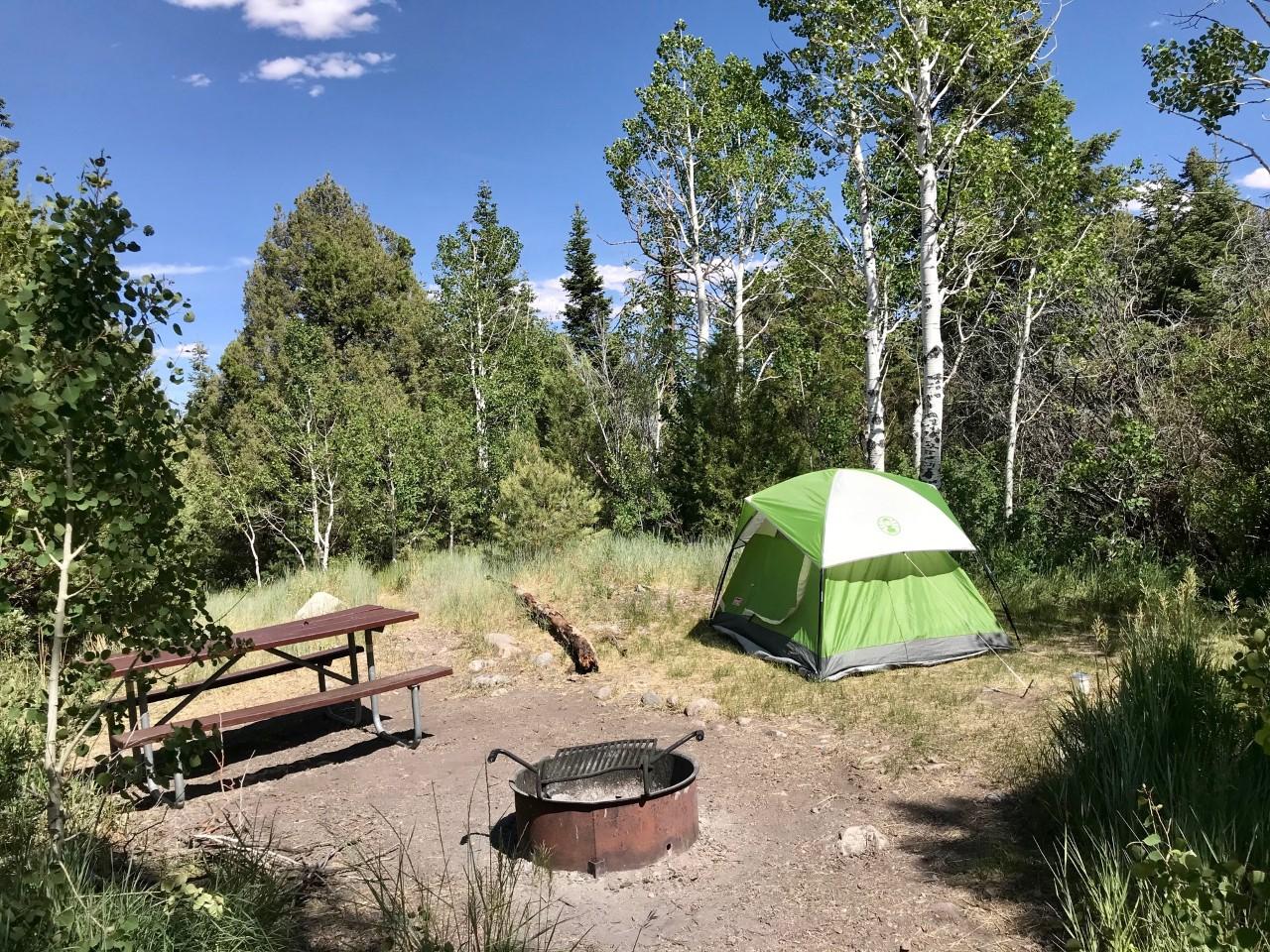
7 campgrounds with 134 total sites. About 29% are first-come, first-served.
Top Activities
Great Basin excels at 6 of 17 activity types — here are the standouts rated 7/10 or higher.
Stargazing
10/10Outstanding dark skies - National Dark Sky Park with minimal light pollution
Photography
9/10Exceptional opportunities for alpine, cave, and night sky photography
Hiking
8/10Over 100 miles of trails from easy nature walks to strenuous alpine climbs
Scenic Driving
8/10Wheeler Peak Scenic Drive offers exceptional high-elevation views
Backpacking
7/10Wilderness backcountry camping available with permit
Ranger Programs
7/10Lehman Caves tours and ranger-led programs available
Who It's For
Planning Your Trip
Getting There
Nearest city: Ely, NV (70 mi). Fly into LAS.
In-Park Services
No gas in park · No lodging in park · Cell: limited
Gateway Town
Baker, NV — limited amenities
Featured In ?Rankings based on data-driven scoring across all 62 national parks.
Stories
Gateway Cities
Compare Great Basin
See how Great Basin stacks up against other national parks — crowds, trails, and more.
Compare Great BasinFrequently Asked Questions
When is the best time to visit Great Basin National Park?
The best month to visit Great Basin is May, based on a balance of weather, crowds, and accessibility. Peak visitation is in September. The park has 7 comfortable months for visiting.
How crowded is Great Basin National Park?
Great Basin is relatively uncrowded, with a congestion index of 1.6/10. The park receives 152K visitors annually across 120.5 square miles.
How many trails does Great Basin National Park have?
Great Basin has 112 miles of trails across 15 easy, 25 moderate, and 10 strenuous routes. Popular trails include Bristlecone Pine Trail, Lehman Caves Tour, Wheeler Peak Trail.
Can you camp at Great Basin National Park?
Yes, Great Basin has 7 campgrounds with 134 total sites. Some sites are available first-come, first-served.
Is Great Basin National Park open year-round?
Yes, Great Basin is open year-round, though some roads and facilities may close seasonally. The park's climate is classified as alpine_desert.