Hike to Baker Lake
What to Expect
Safety Advisory
You're climbing to nearly 10,500 feet. If you drove in from the desert floor that morning, altitude sickness is a real possibility — headaches, nausea, and shortness of breath can derail your hike. Spend a night at elevation if you can before attempting this one.
Afternoon thunderstorms roll in fast during July and August, and the upper basin is fully exposed with nowhere to shelter. Watch the sky and be willing to turn around if clouds start stacking.
Snow lingers on the upper trail and around the lake into June and sometimes July. Sections can be icy and hard to follow — microspikes and a GPS track are worth carrying in early season.
Trail Details
Pro Tips
Start by 7 AM to give yourself a full day — the 5-to-10-hour time range is real, and you don't want to be descending rocky switchbacks in fading light. The trailhead parking area is small but rarely full.
Carry at least three liters of water per person. Baker Creek runs alongside the trail early on, but treat any water you pull from it. There are no reliable water sources in the upper section approaching the lake.
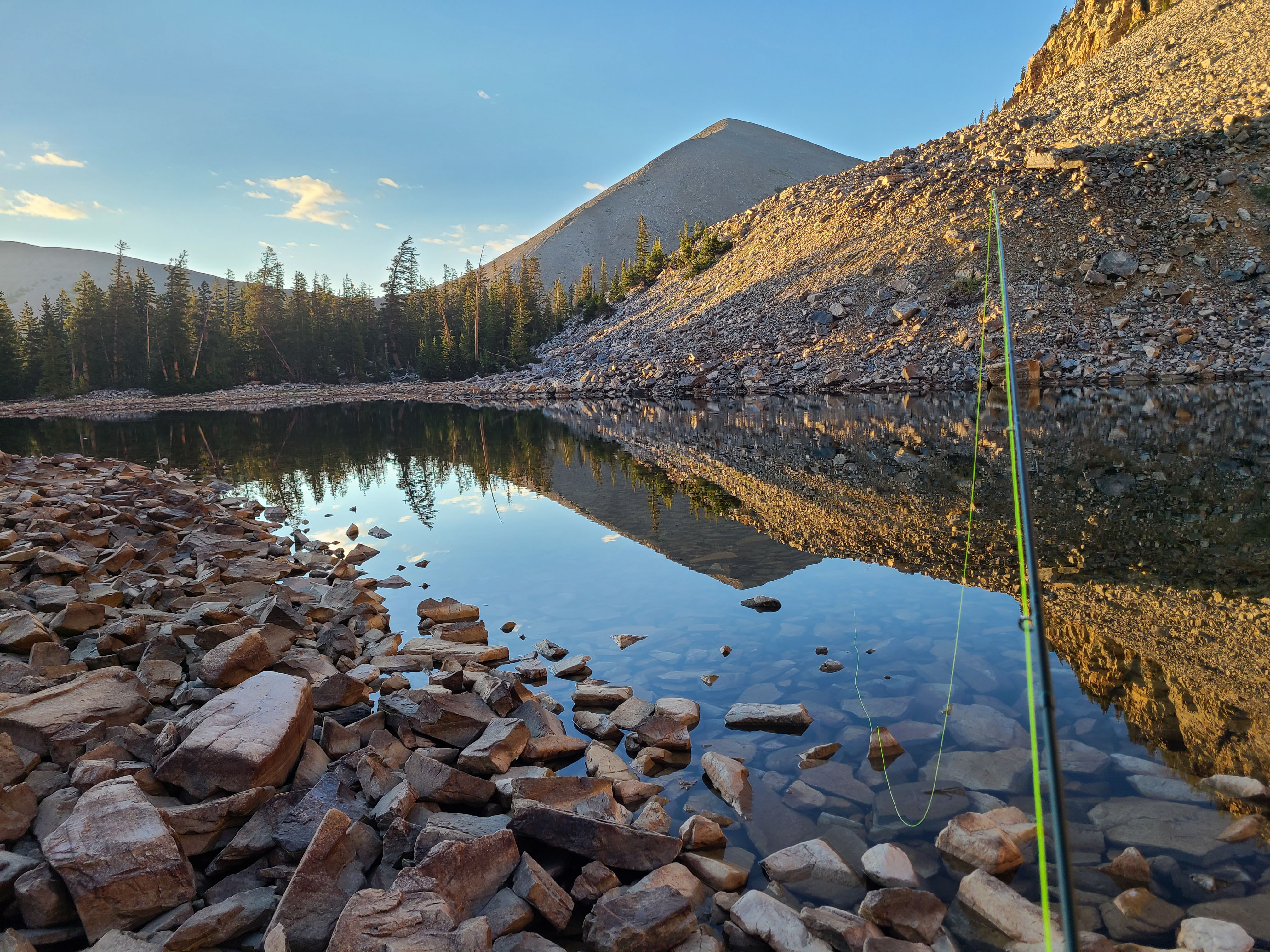
The lake itself makes a spectacular overnight backpacking destination — snag a free backcountry permit at Lehman Caves Visitor Center before you go, and camp above the lakeshore for sunset light on the cirque walls that day hikers never see.
Photos
 C. Reed