Hike to the Glacier
What to Expect
Safety Advisory
You're hiking between 9,900 and 10,900 feet the entire time. If you drove up from the valley floor that morning, altitude sickness is a real possibility — headache, nausea, shortness of breath. Spend at least an hour at the trailhead elevation before starting.
The boulder field has no marked path and loose rock edges. Ankle injuries are common here, especially on the descent when fatigue sets in. Watch every foot placement.
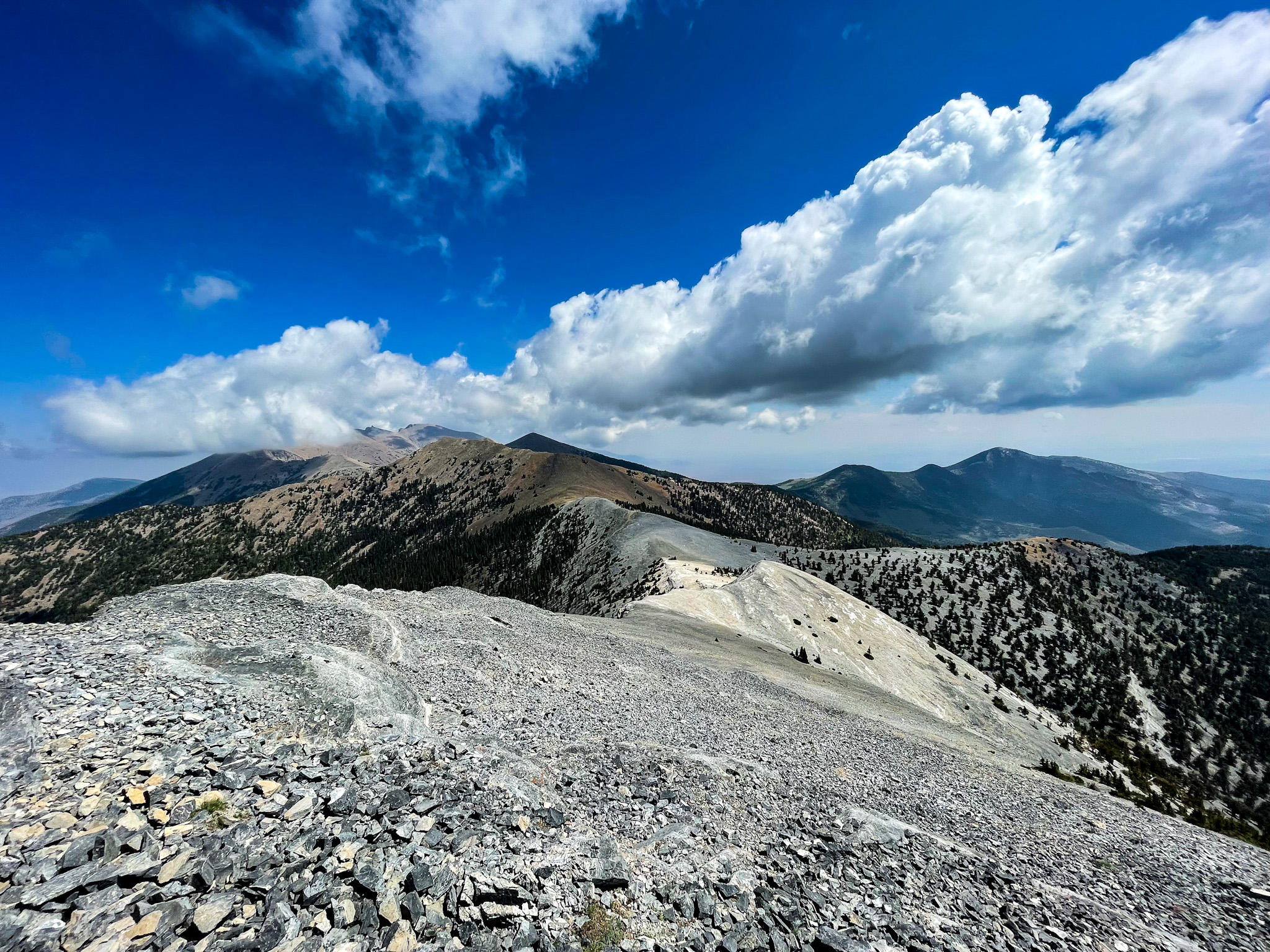
Afternoon thunderstorms roll in fast from June through September. The exposed boulder field and cirque offer zero shelter from lightning. Check the forecast and plan to be off the rocks by early afternoon.
Trail Details
Pro Tips
Start by 8 AM — the Wheeler Peak Scenic Drive to the trailhead is narrow and parking fills fast on summer weekends. The lot has maybe 30 spots and there's no overflow.
Bring trekking poles for the boulder field section in the final half-mile. The rocks are stable but uneven, and tired legs at altitude make for clumsy footwork.
The best photo angle of the glacier and cirque wall is from the large flat boulder about 50 yards before the official end-of-trail marker — it frames Wheeler Peak's summit directly above the ice.
Photos
 NPS / B. Mills