Hike Medano Lake and Mount Herard
What to Expect
Safety Advisory
Altitude is the primary hazard here. You'll be hiking above 12,000 feet for a significant portion of the route, and the summit tops 13,200 feet. If you drove up from sea level yesterday, you will feel it — headaches, nausea, and shortness of breath are common. Acclimatize for at least a day in the San Luis Valley before attempting this.
Above treeline, there is zero shelter from lightning. Storms build fast and hit hard in the Sangre de Cristos, typically arriving between noon and 3:00 PM in summer. If you see cumulus towers building or hear distant thunder, turn around immediately — no summit is worth the risk.
The route above Medano Lake is unmarked and crosses loose talus and tundra. Navigation skills and a GPS device or detailed topo map are essential. Visibility can drop to near zero in minutes if clouds roll in.
Trail Details
Pro Tips
Air down your tires to around 20 PSI before hitting Medano Pass Primitive Road — the creek crossings and sandy stretches will punish fully inflated tires, and getting stuck out here means a long wait for help.
Start hiking by 6:00 AM at the latest. Afternoon thunderstorms are nearly guaranteed above treeline in July and August, and you do not want to be on an exposed 13,000-foot ridge when lightning starts popping.
Bring a wide-angle lens and plan to shoot from the summit between 7:00 and 9:00 AM — the low sun rakes across the dunefield and throws dramatic shadows that flatten out by midday. The dunes-from-above shot is a portfolio piece you cannot get from anywhere else in the park.
Photos
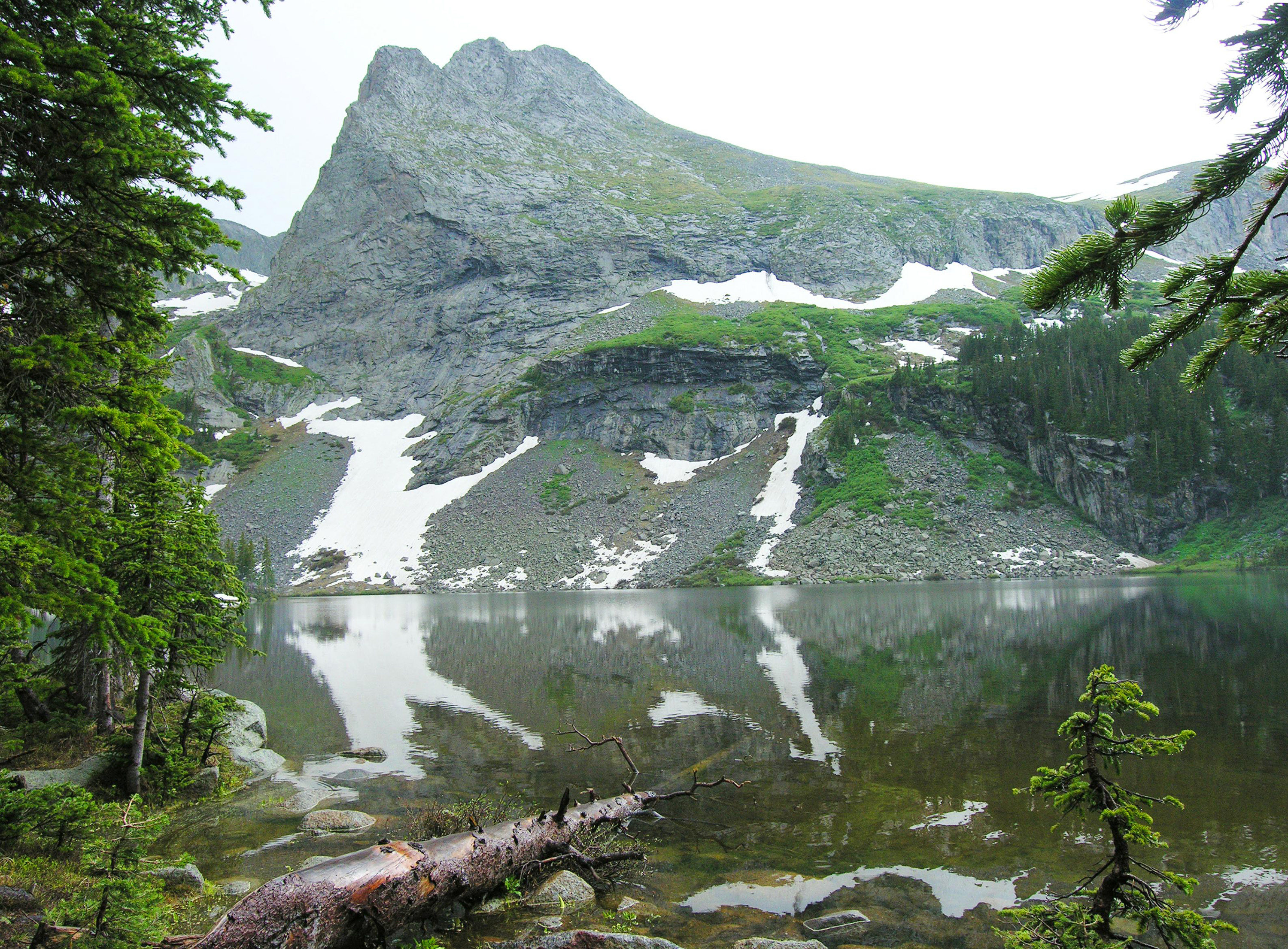
 NPS/Patrick Myers