Great Smoky Mountains National Park
Updated
Overview
America's most visited national park earns its 12 million annual visitors with legitimate rewards: 800 square miles of old-growth forest, world-class biodiversity, and zero entrance fee. The Appalachian ridgelines deliver consistent beauty whether you're driving Cades Cove or summiting Mount LeConte via Alum Cave. But that 7.1 congestion rating isn't theoretical—expect full parking lots at trailheads by 9am and bumper-to-bumper traffic on weekends. April offers the sweet spot: wildflowers emerging, crowds manageable, before the summer crush arrives.
Skip the Laurel Falls parking chaos entirely. Park at the Elkmont Campground entrance (2 miles west) and walk the paved road—you'll cover the same distance but encounter a fraction of the crowds. Best done before 8am when the gate opens to vehicle traffic.
When to Go
The sweet spot is April — good weather meets manageable crowds. Peak season hits in October.
Wildflower peak across all elevations. Perfect weather meets moderate crowds before summer heat and the October leaf-peeper surge.
Monthly crowd levels — click a month for details
Seasonal Closures
Clingmans Dome Road: Typically closes December 1 through late March due to snow and ice
Roaring Fork Motor Nature Trail: Typically closes late November through late March
How Busy Is It?
How Great Smoky Mountains compares to all 62 national parks
Busier than 81% of national parks
Very BusyMore crowded trails than 61% of parks
Above AverageHigher campsite pressure than 66% of parks
Above AverageNotable Trails
Great Smoky Mountains has more trail mileage than 97% of national parks, with 850 miles across 850 maintained trails.
The difficulty split leans moderate to strenuous — only 18% of trails are rated easy.
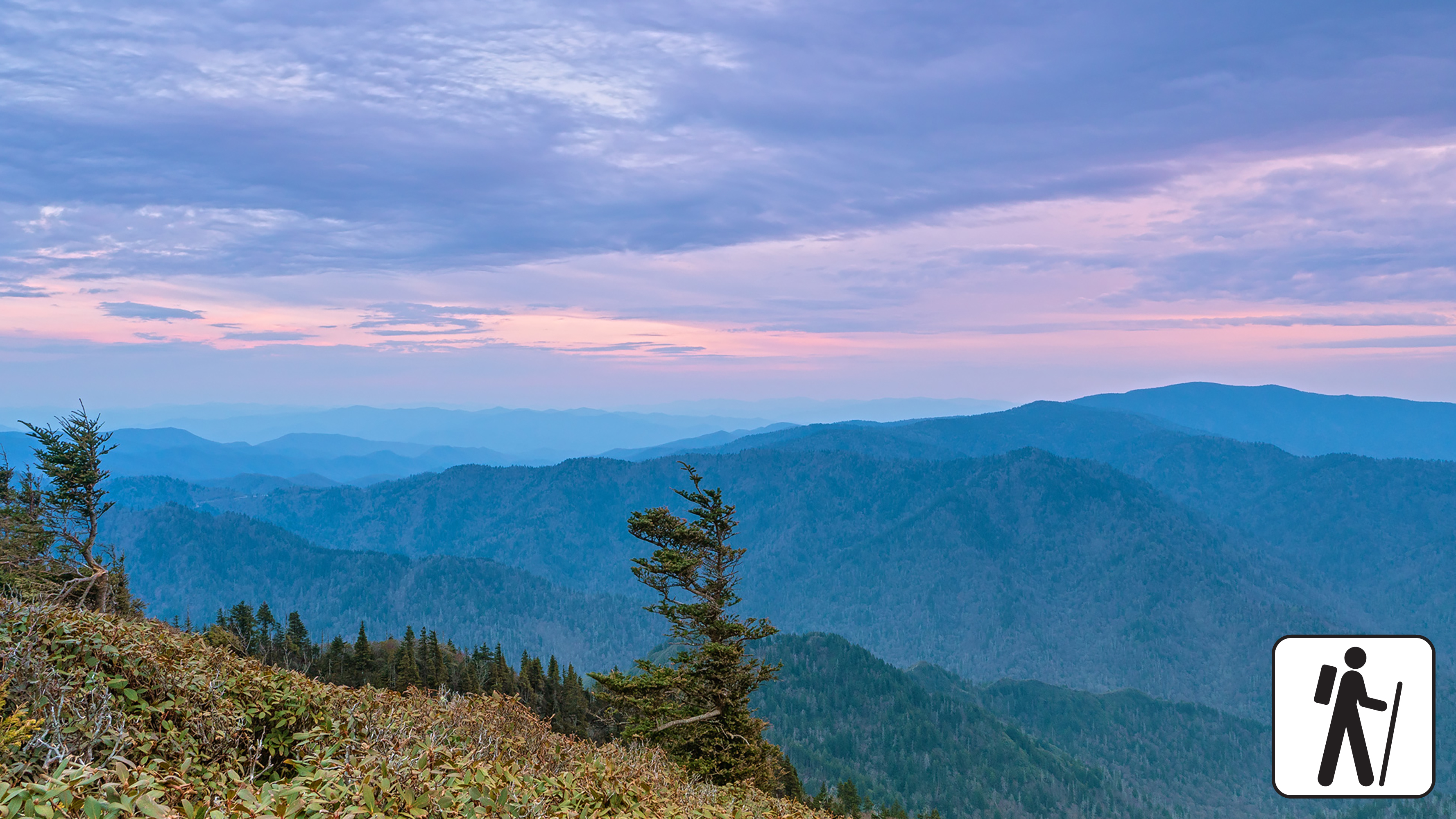
Hike to Mount Le Conte on the Appalachian Trail and Boulevard Trail
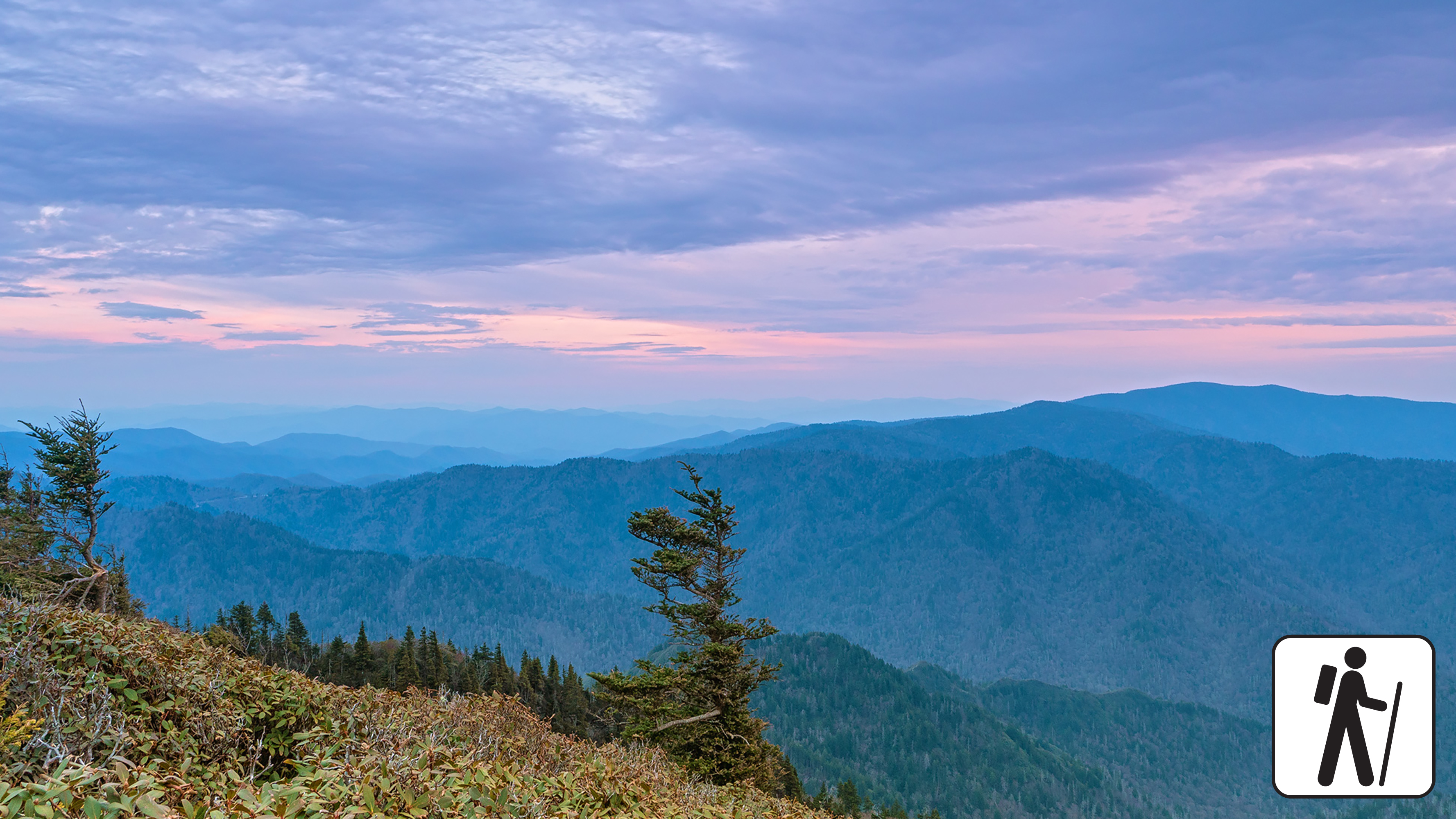
Hike to Mount Le Conte on Bullhead Trail
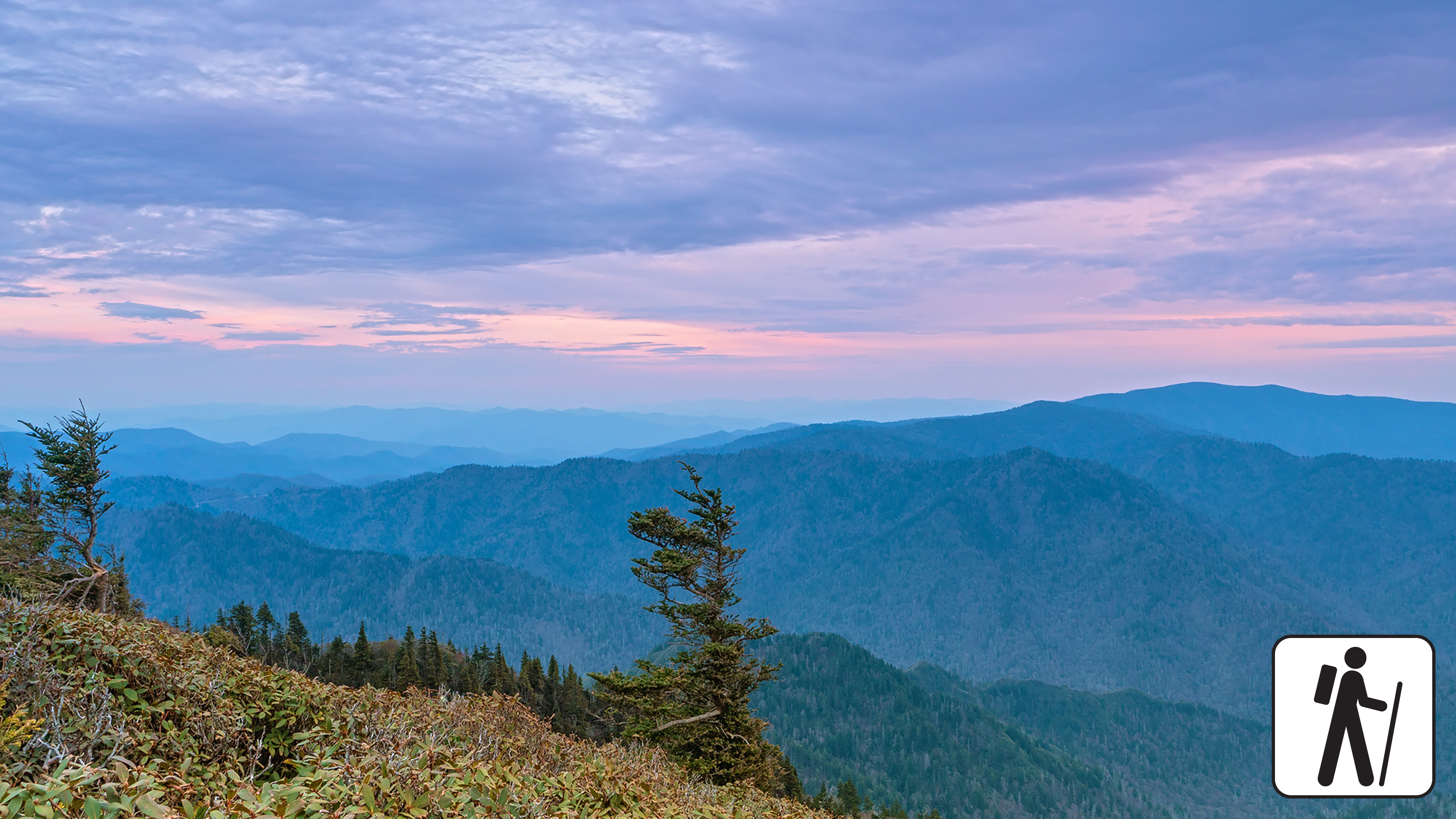
Hike to Mount Le Conte on Rainbow Falls Trail
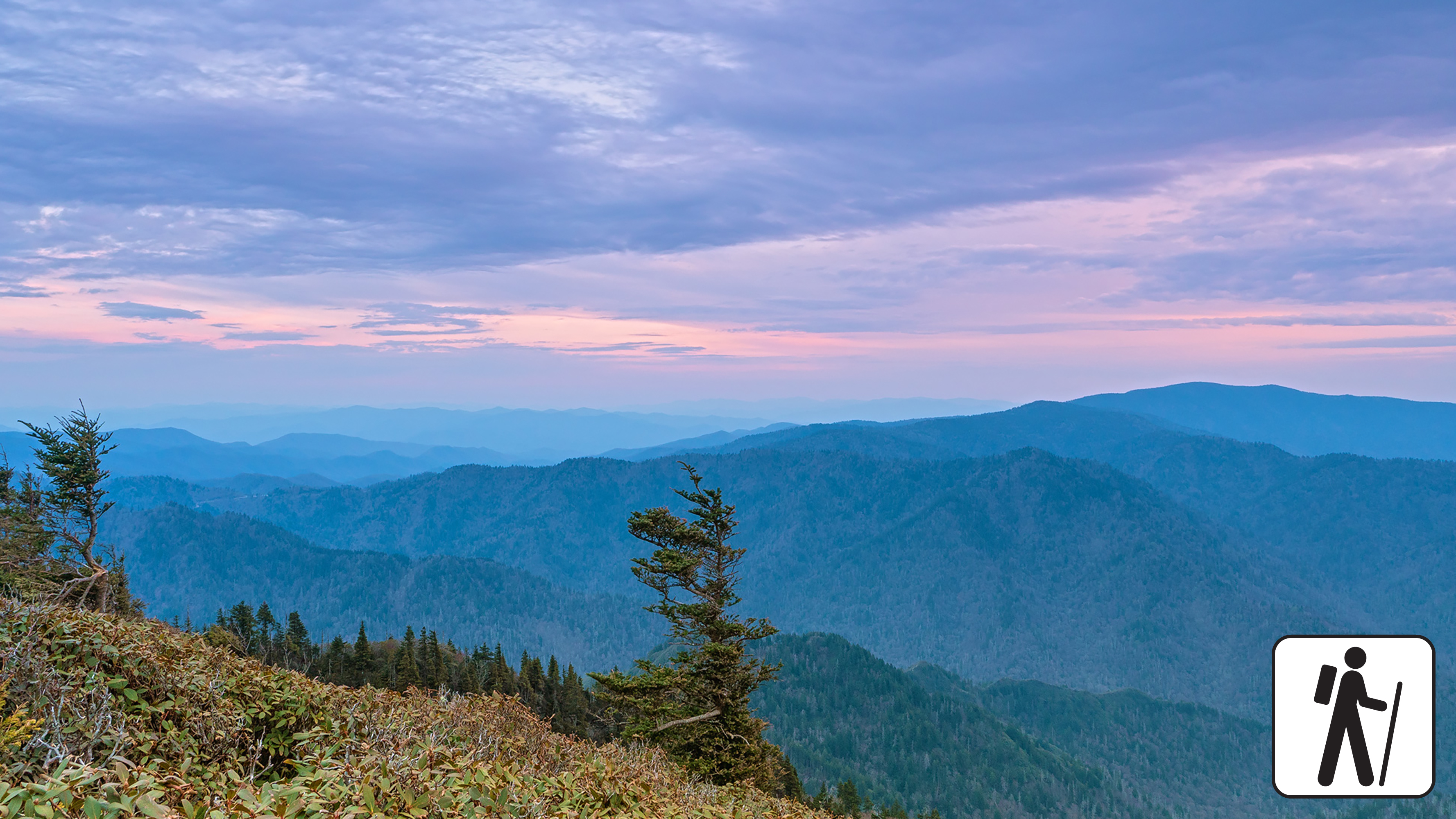
Hike to Mount Le Conte on Trillium Gap Trail
Start early — Great Smoky Mountains's most popular trailheads fill up by mid-morning in peak season.
Camping
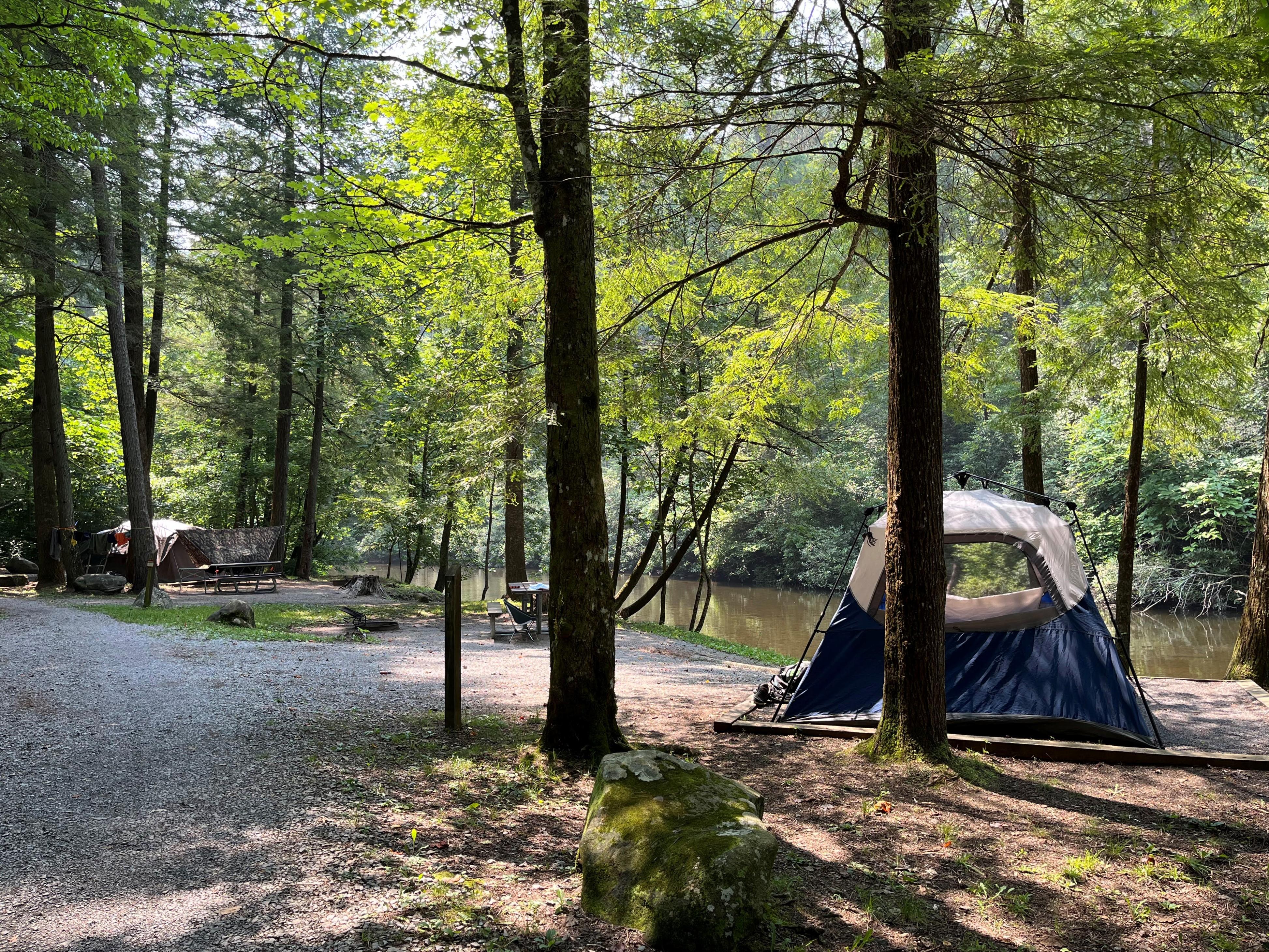
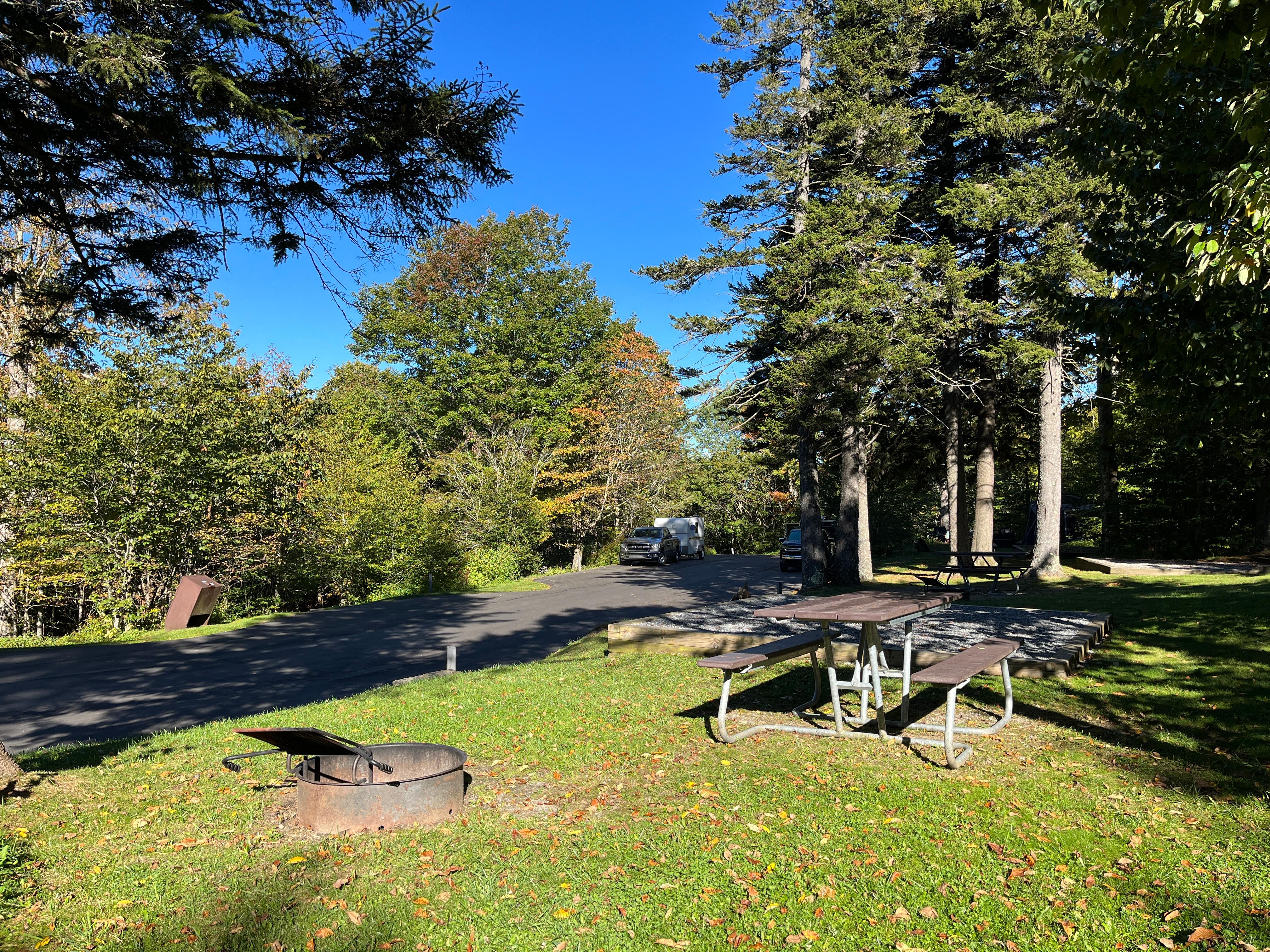
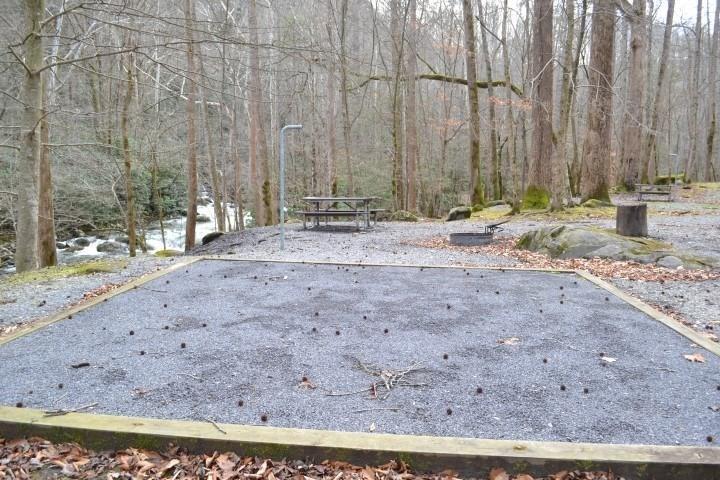
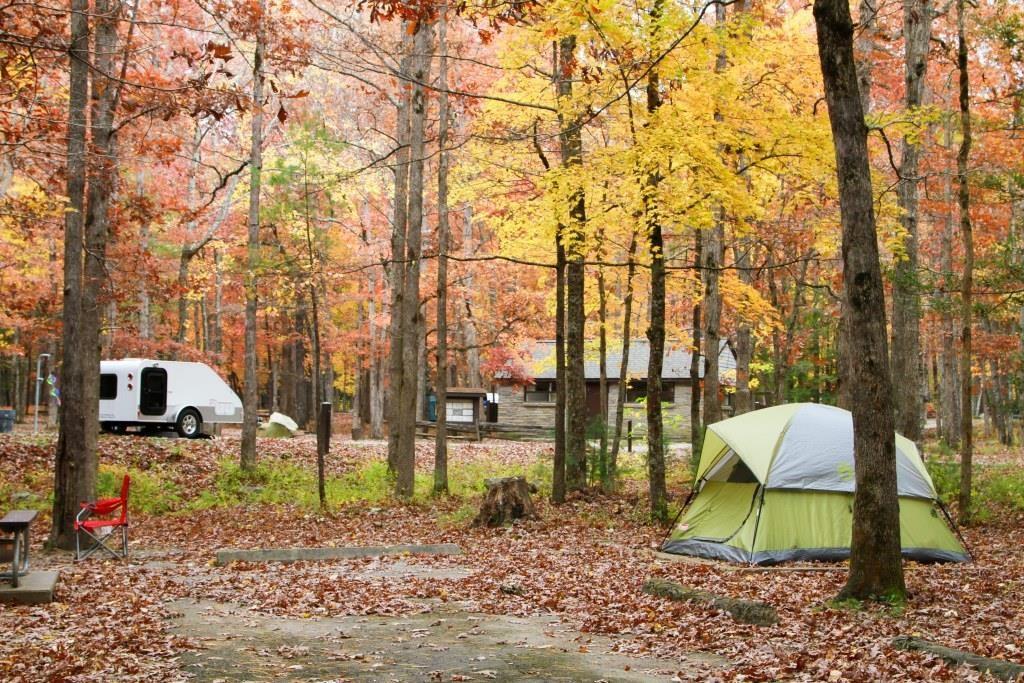
13 campgrounds with 939 total sites. About 8% are first-come, first-served.
Top Activities
Great Smoky Mountains excels at 6 of 17 activity types — here are the standouts rated 7/10 or higher.
Wildlife Viewing
10/10Famous for black bears, elk, white-tailed deer, wild turkeys, and salamanders
Hiking
9/10Over 800 miles of trails ranging from easy nature walks to strenuous mountain ascents
Scenic Driving
9/10Newfound Gap Road, Cades Cove Loop, and other scenic mountain roads
Bird Watching
8/10Over 240 bird species including warblers, raptors, and wild turkeys
Ranger Programs
8/10Extensive programs including guided hikes, campfire talks, and Junior Ranger activities
Fishing
7/102,900 miles of streams with native brook trout and stocked rainbow trout
Who It's For
Planning Your Trip
Getting There
Nearest city: Knoxville, TN (40 mi). Fly into TYS.
In-Park Services
No gas in park · Lodging available · Cell: limited
Gateway Town
Gatlinburg, TN — full amenities
Featured In ?Rankings based on data-driven scoring across all 62 national parks.
Stories
Gateway Cities
Road Trips
Great Smoky Mountains is a stop on this road trip:
Compare Great Smoky Mountains
See how Great Smoky Mountains stacks up against other national parks — crowds, trails, and more.
Compare Great Smoky MountainsFrequently Asked Questions
When is the best time to visit Great Smoky Mountains National Park?
The best month to visit Great Smoky Mountains is April, based on a balance of weather, crowds, and accessibility. Peak visitation is in October. The park has 4 comfortable months for visiting.
How crowded is Great Smoky Mountains National Park?
Great Smoky Mountains is very crowded, with a congestion index of 7.1/10. The park receives 12.2M visitors annually across 816.3 square miles.
How many trails does Great Smoky Mountains National Park have?
Great Smoky Mountains has 850 miles of trails across 150 easy, 450 moderate, and 250 strenuous routes. Popular trails include Alum Cave Trail to Mount LeConte, Laurel Falls Trail, Chimney Tops Trail.
Can you camp at Great Smoky Mountains National Park?
Yes, Great Smoky Mountains has 13 campgrounds with 939 total sites. Some sites are available first-come, first-served.
Is Great Smoky Mountains National Park open year-round?
Yes, Great Smoky Mountains is open year-round, though some roads and facilities may close seasonally. The park's climate is classified as temperate_forest.