McKittrick Canyon to Dog Canyon
What to Expect
Safety Advisory
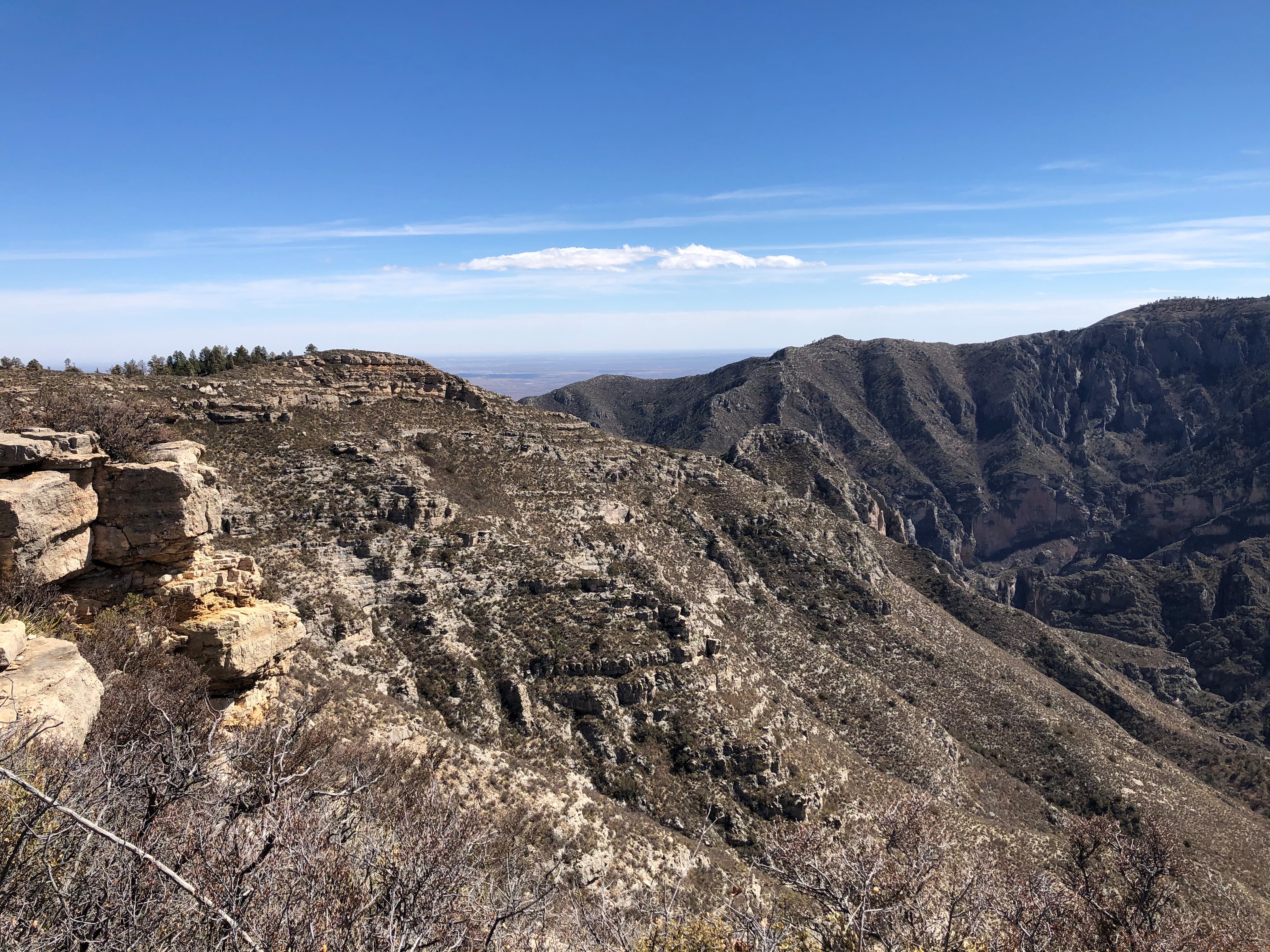
The exposed ridgeline section has zero shade and can be brutally hot from May through September — afternoon temperatures regularly push past 100 degrees on the canyon walls. Start before dawn if hiking in summer, or better yet, save this one for cooler months.
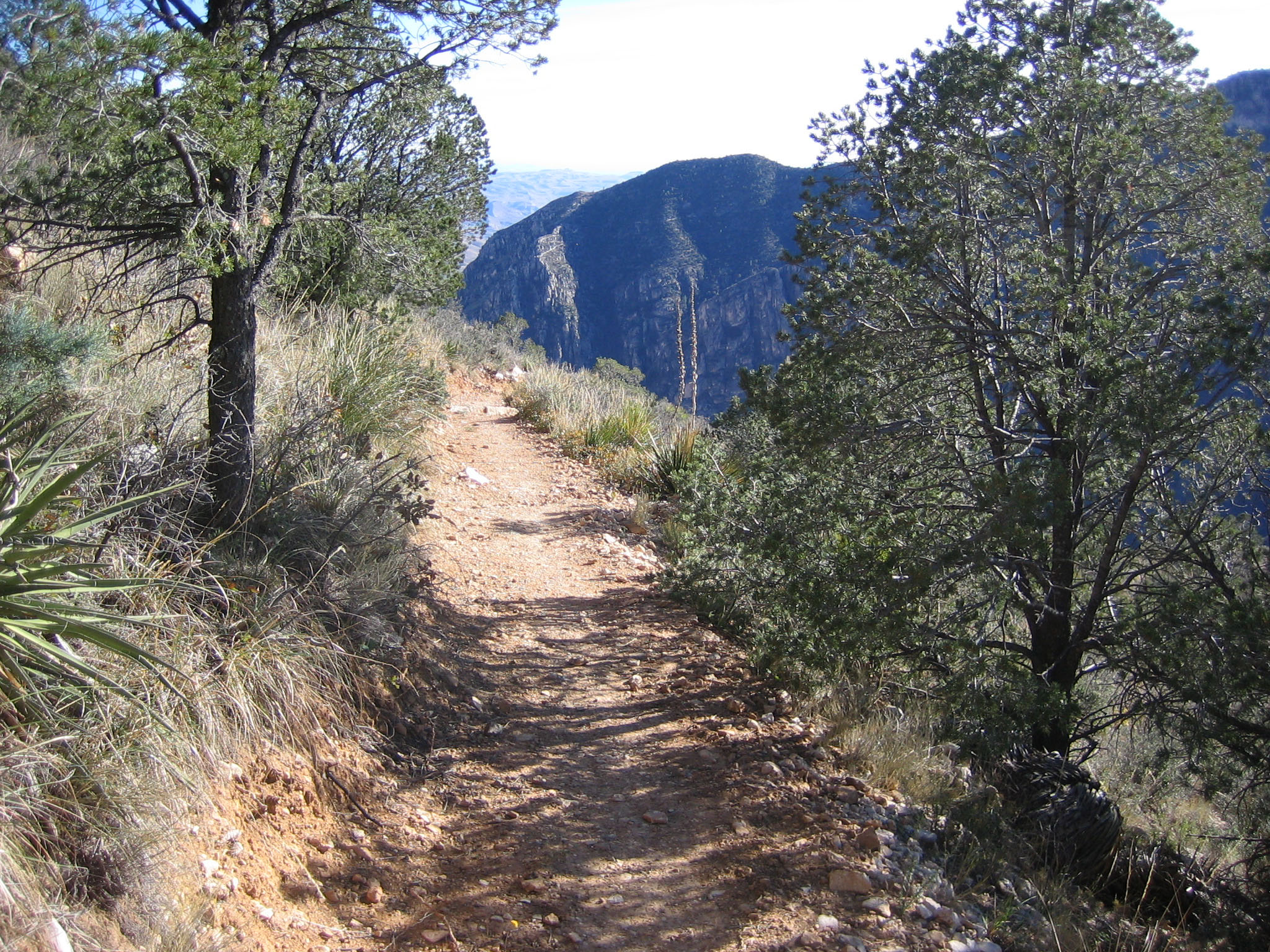
The steep descent into Dog Canyon is rough on knees and ankles, with loose rock and uneven footing. Trekking poles aren't optional here — they're essential for the downhill sections.
Cell service is nonexistent for the entire route. Let someone know your itinerary and expected return time before you set out.
Trail Details
Pro Tips
If doing this as a point-to-point, you'll need a car shuttle — Dog Canyon is a 100-mile, two-hour drive from the McKittrick Canyon trailhead via Highway 62/180 and NM-137. Coordinate with a hiking partner or arrange a drop-off before you start.
Carry every drop of water you'll need — at least four liters per person. The creek in McKittrick Canyon looks inviting, but the park asks you to stay out of the water to protect the fragile riparian habitat, and there are no reliable water sources on the ridge.
Hit McKittrick Canyon in late October or early November for the fall color show — the bigtooth maples turn crimson and gold, making the canyon floor look like it belongs in New England rather than the desert Southwest. The NPS sometimes posts fall foliage updates on the park's social media.
Photos
 NPS Photo