McKittrick Ridge
What to Expect
Safety Advisory
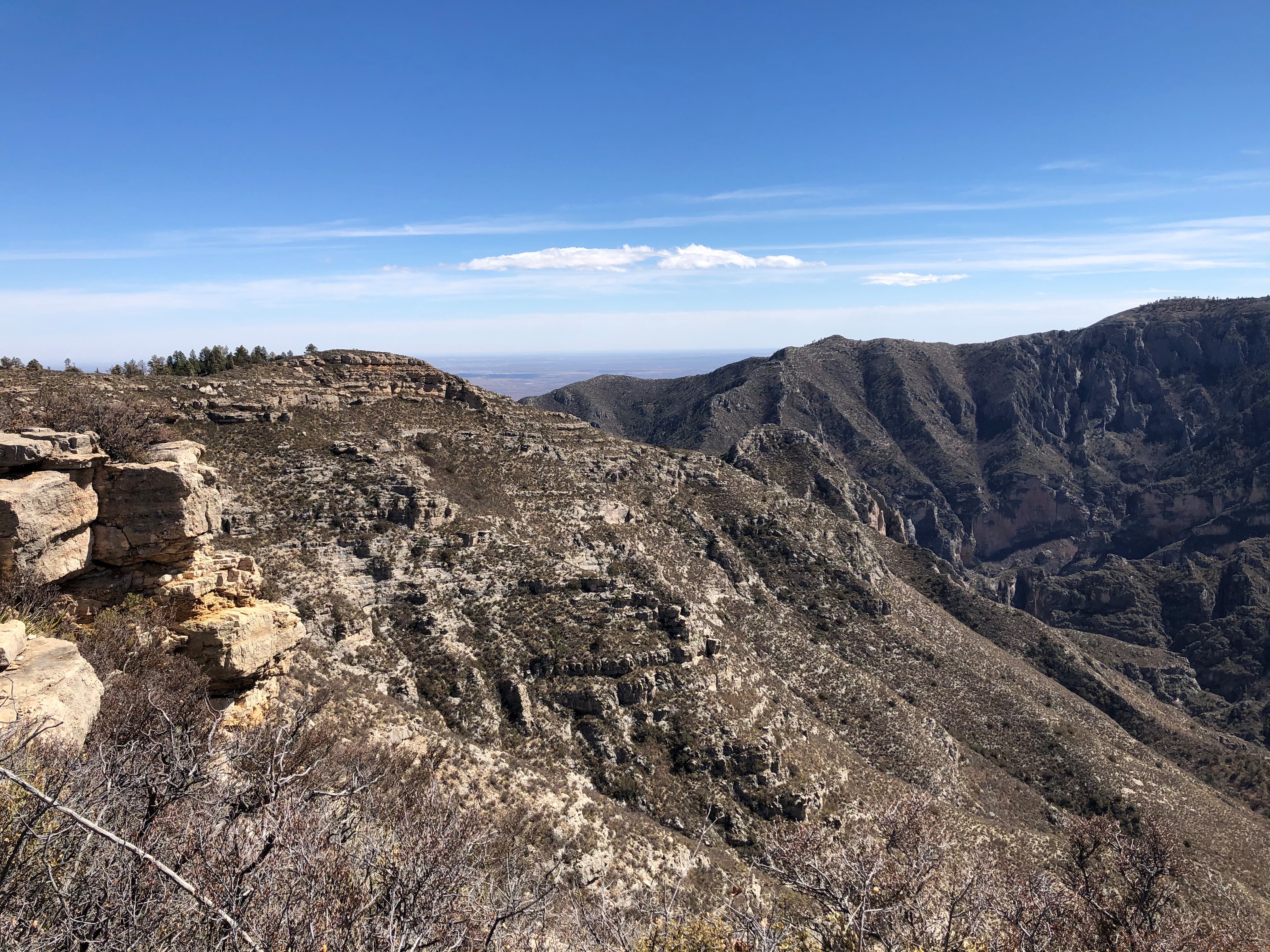
The upper ridge is fully exposed with zero shade and temperatures can swing wildly — scorching afternoons in summer and below-freezing windchill in winter. Hypothermia is a real risk for underprepared overnight hikers from late fall through early spring.
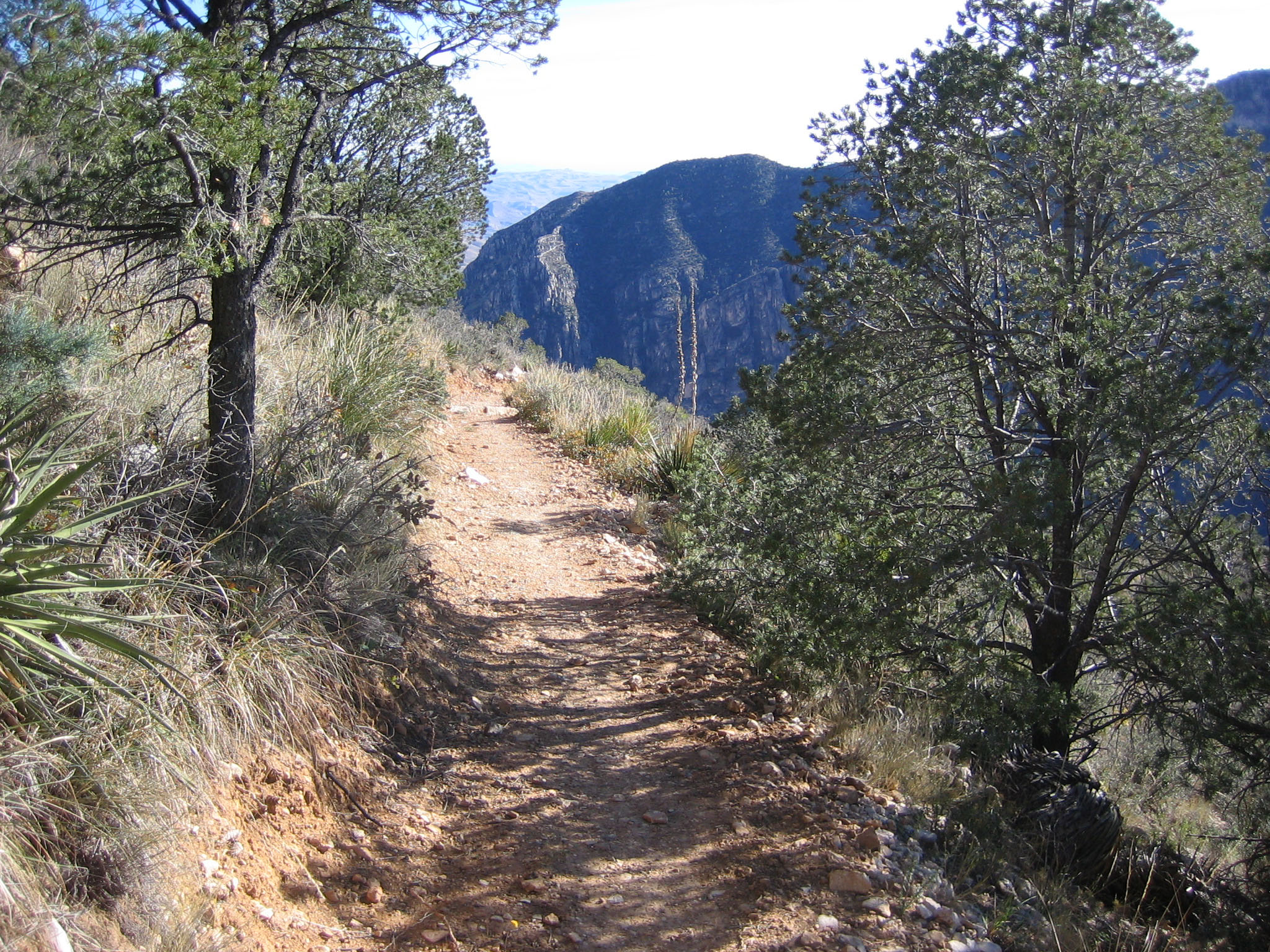
The descent from The Notch is steep, loose in places, and brutal on tired legs. Most injuries on this trail happen on the way down when hikers are fatigued. Take your time and watch your footing on the rocky switchbacks.
Cell service is nonexistent throughout the hike. Let someone know your itinerary and expected return time before you start — search and rescue response times out here are measured in hours, not minutes.
Trail Details
Pro Tips
Start at first light — the canyon mouth faces east, so morning sun lights up the limestone walls beautifully, and you'll want every daylight hour for this beast. The trailhead gate opens and closes on a seasonal schedule, so check with the ranger station the day before.
Carry at least four liters per person and consider a filter — there's no reliable water source on the ridge itself, and the exposed upper sections will drain you faster than the canyon suggests. A trekking pole saves your knees on the steep descent back through The Notch.
If you do this as an overnight, grab a Wilderness Use Permit in advance and plan to be at the ridge campground by sunset. The night sky from McKittrick Ridge is a legitimate top-five stargazing experience in the national park system — bring a headlamp with a red mode so you don't blow your night vision.
Photos
 NPS Photo