Pine Springs to McKittrick Canyon
What to Expect
Safety Advisory
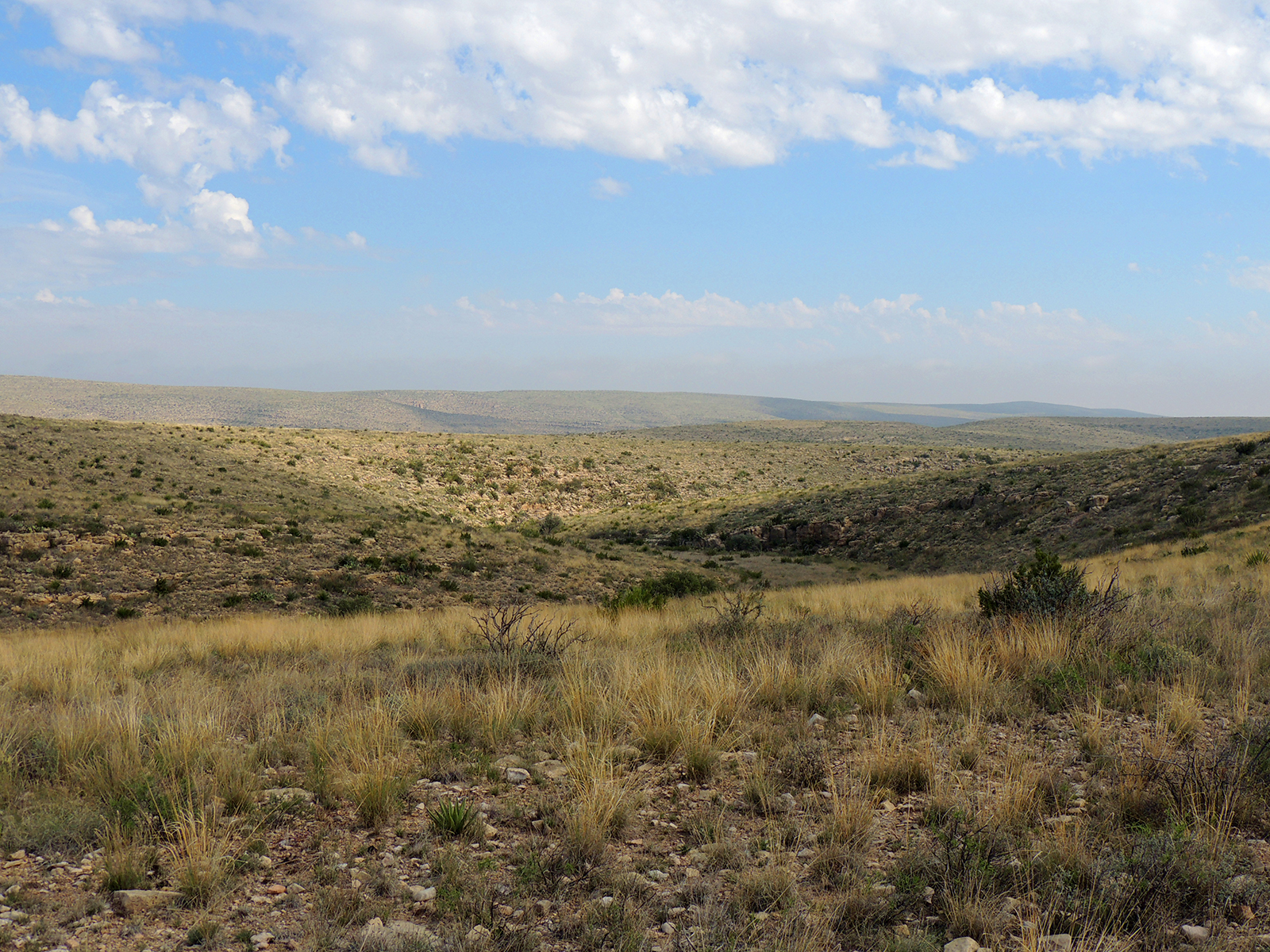
The initial climb out of Pine Springs is fully exposed to desert sun with no shade for several miles. Temperatures regularly exceed 100 degrees from June through August, and heat exhaustion is a genuine risk — start before dawn or avoid summer entirely.
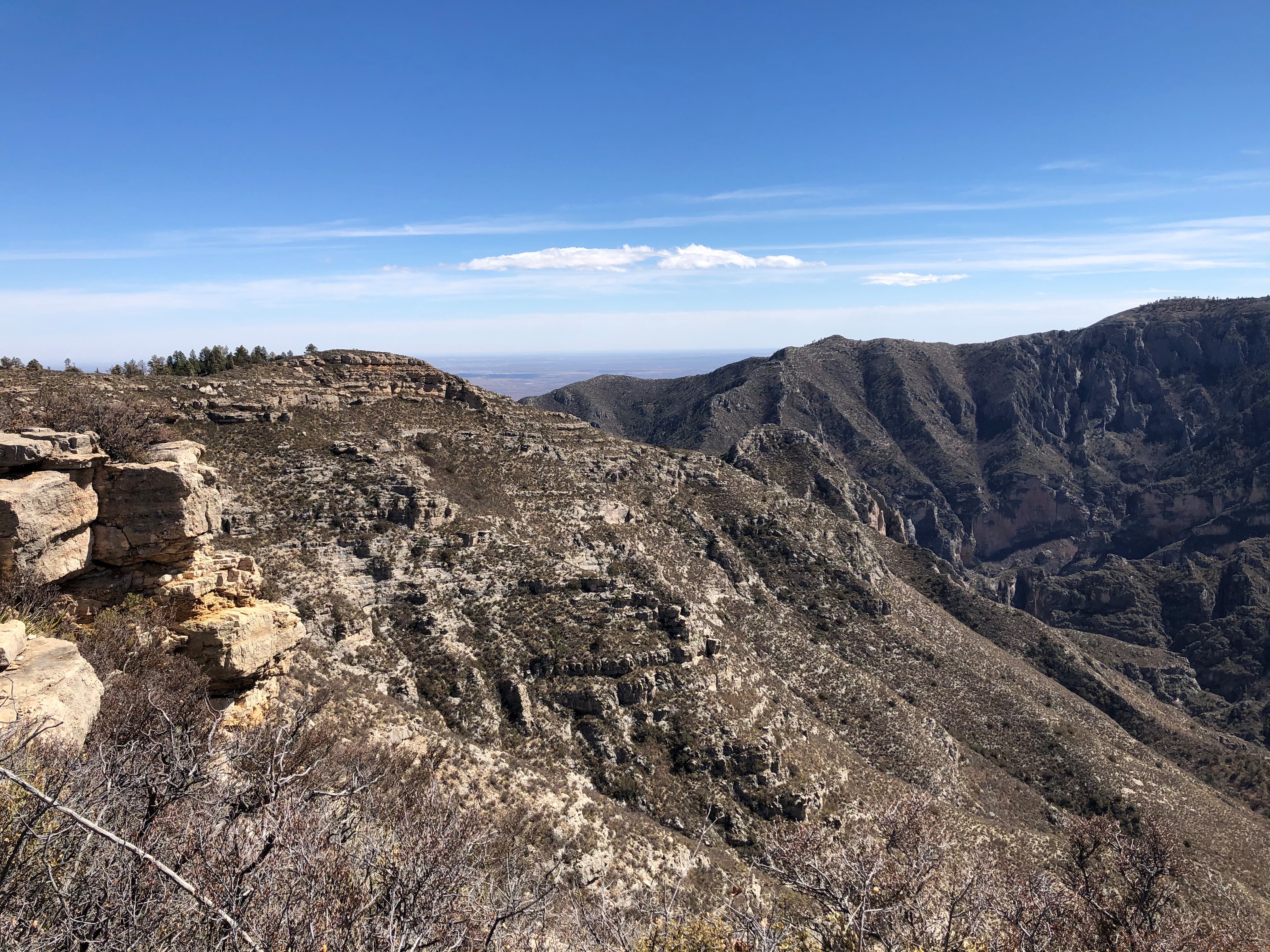
Lightning storms roll in fast during July and August monsoon season, and the high ridgeline sections offer no shelter. If you hear thunder, descend immediately — the exposed ridge is the worst place to be.
Cell service is nonexistent throughout the park. File a trip plan at the visitor center and let someone outside the park know your itinerary and expected return time.
Trail Details
Pro Tips
Split this into a two-day backpacking trip rather than a death march day hike. Camp at one of the backcountry sites near the Bowl to break the elevation and catch sunset from the high country — you'll need a free Wilderness Use Permit from the visitor center.
There is zero reliable water on this route. Carry a minimum of four liters per person in summer, and stash extra in your pack for the exposed climb out of Pine Springs. The nearest refill is back at the trailhead.
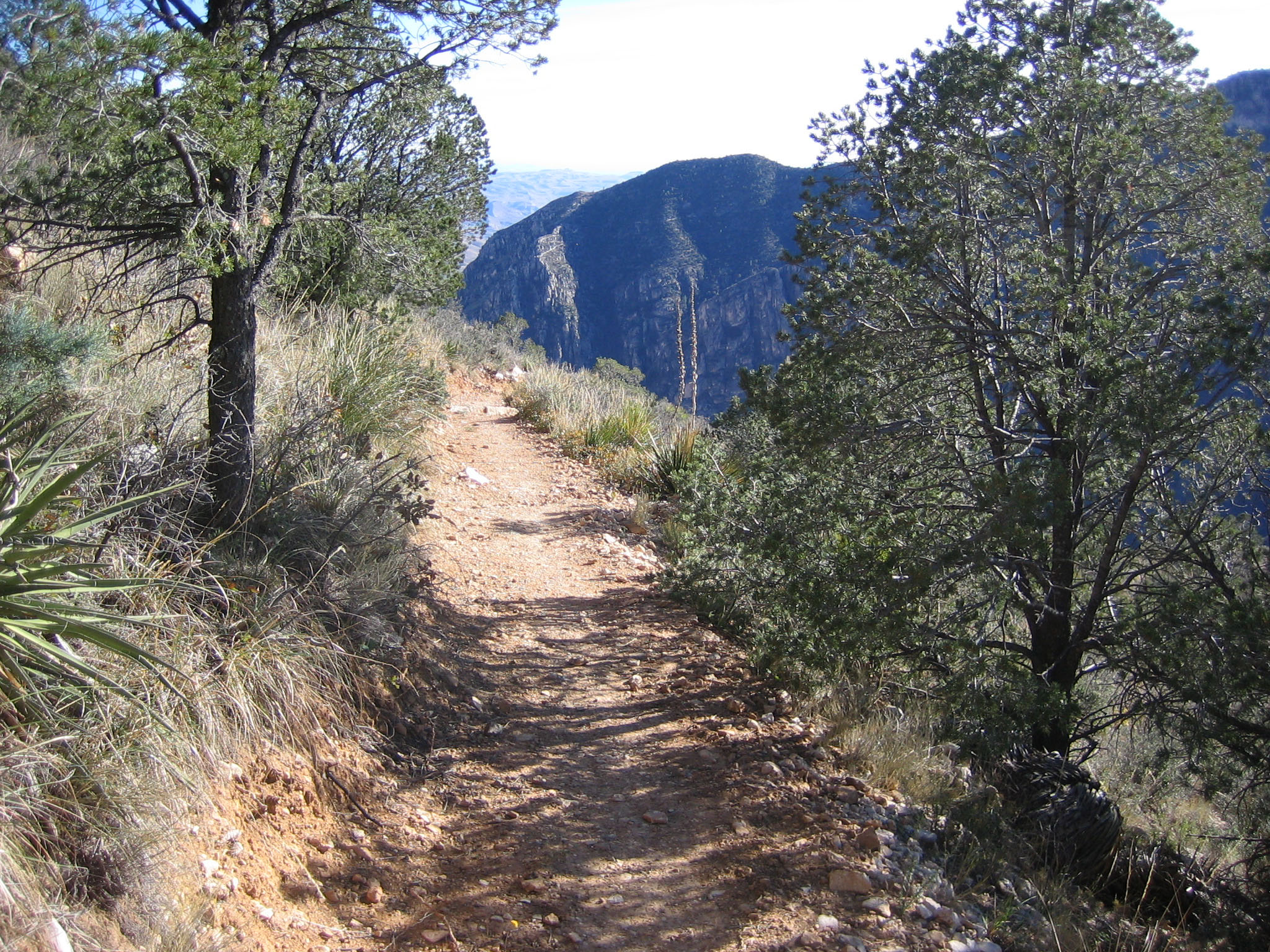
Time your hike for late October or early November to catch McKittrick Canyon's famous fall color display — the bigtooth maples turn electric orange and red, and you'll see them from above on the ridge descent, which is a perspective most visitors never get since they enter from the canyon floor.
Photos
 NPS Photo