Overview
Haleakalā delivers two parks in one: a Mars-like volcanic crater at 10,023 feet and a lush coastal rainforest zone near Hana. The summit sunrise is legendary (and requires advance reservations), but the real payoff is hiking into the crater itself—seven miles of otherworldly cinder cones and endemic silverswords. The catch: 732K annual visitors create serious congestion (8.4/10), and the summit's extreme altitude hits harder than you expect. Most tourists snap a sunrise photo and leave; the backcountry stays empty.
Skip the crowded 5am sunrise stampede. Drive up for sunset instead (no reservation needed), stay for stargazing, then camp at Hosmer Grove and hike Sliding Sands Trail at dawn. You'll have the crater to yourself and actually see the colors shift as the sun rises from inside the caldera.
When to Go
The sweet spot is July — good weather meets manageable crowds. Peak season hits in May.
Warmest temps, driest conditions, and moderate crowds. Best month overall. Sliding Sands Trail is fully dry and accessible.
Monthly crowd levels — click a month for details
Seasonal Closures
Crater Rim Road: May have temporary closures due to snow, ice, or high winds
How Busy Is It?
How Haleakalā compares to all 62 national parks
Busier than 90% of national parks
Very BusyMore crowded trails than 84% of parks
Very BusyHigher campsite pressure than 75% of parks
Very BusyNotable Trails
Haleakalā has more trail mileage than 15% of national parks, with 29.2 miles across 20 maintained trails.
The difficulty split leans moderate to strenuous — only 25% of trails are rated easy.
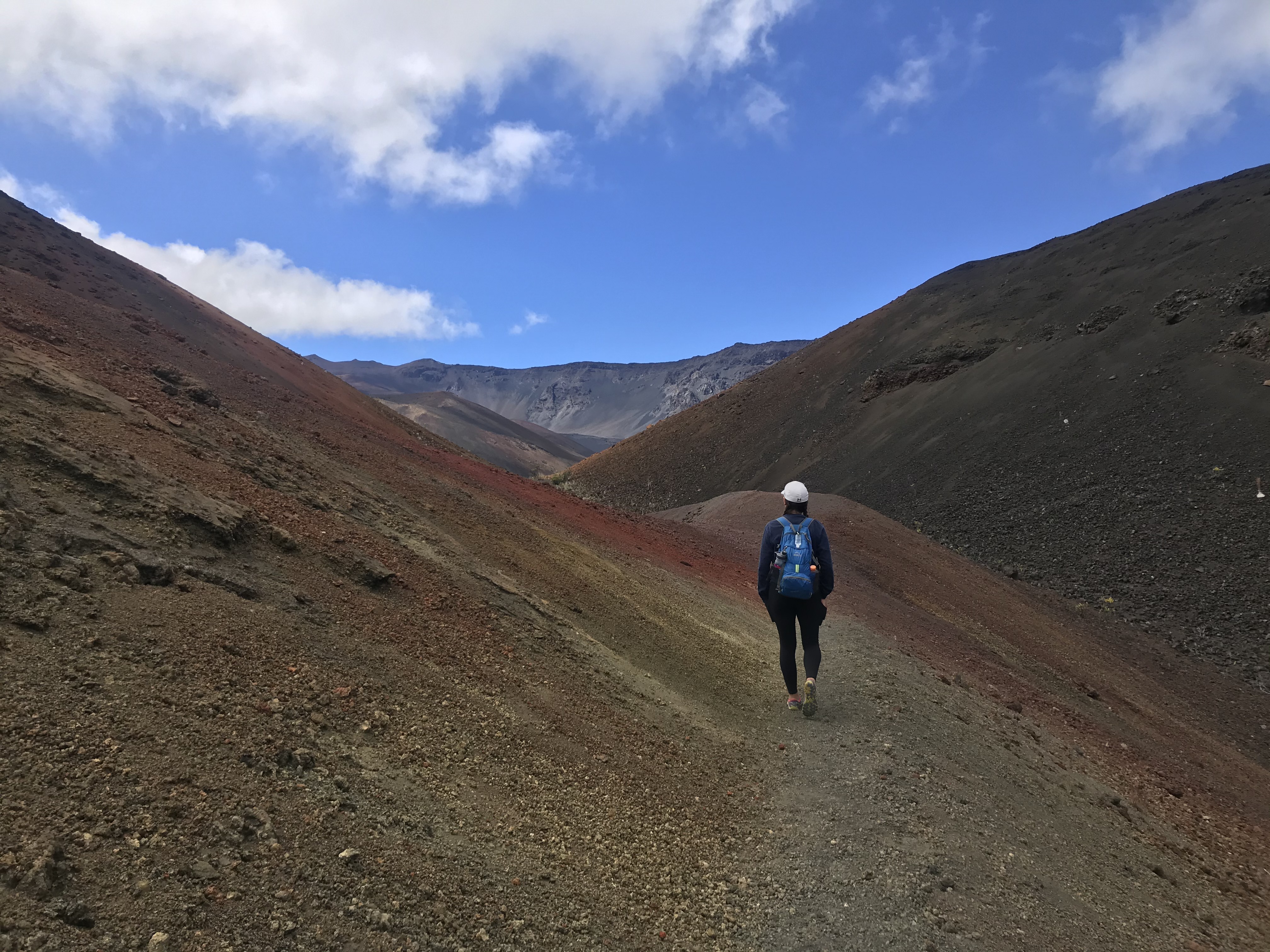
Strenuous Hike Across the Crater Floor
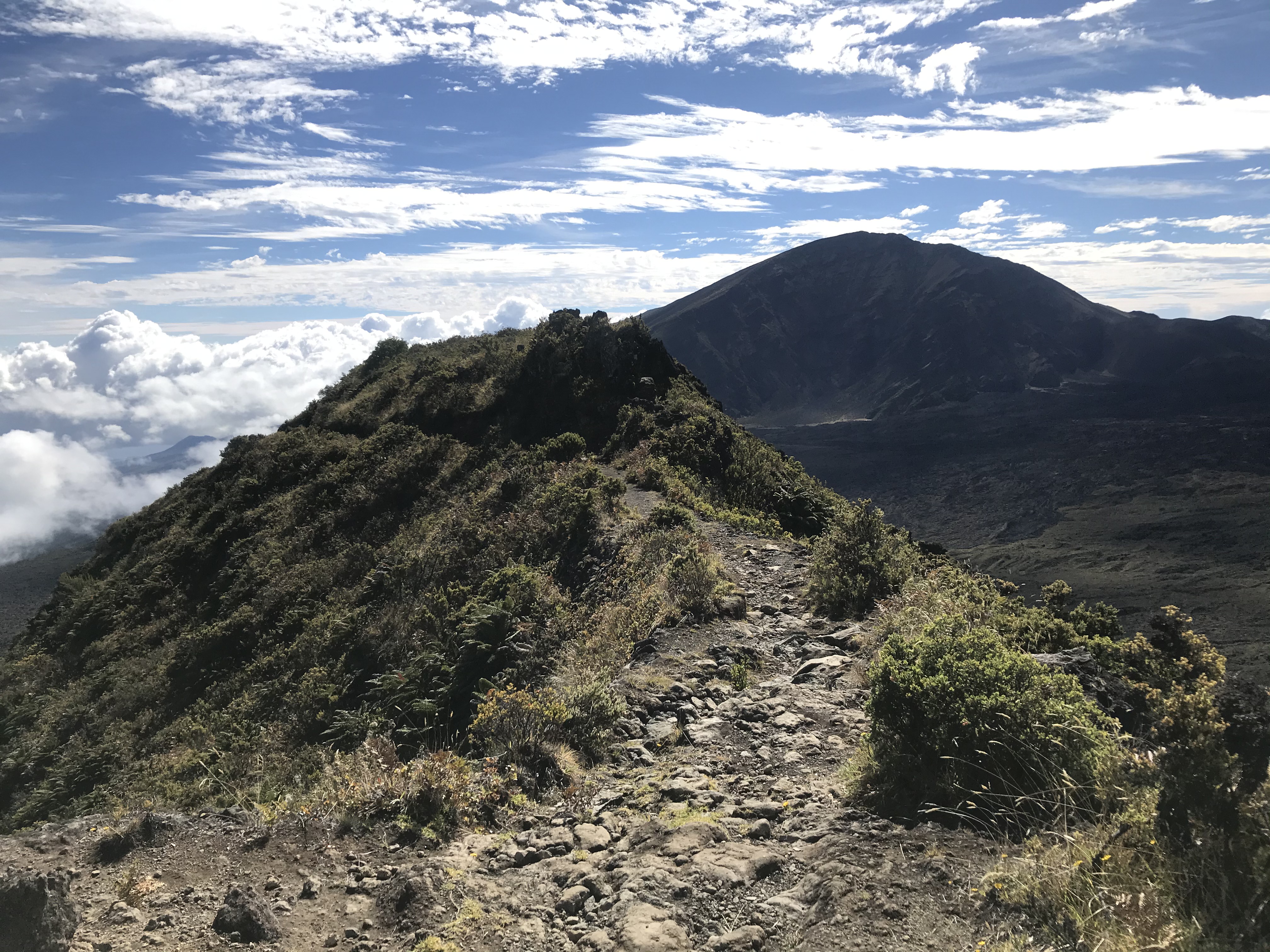
Moderate Hike to the Crater Edge
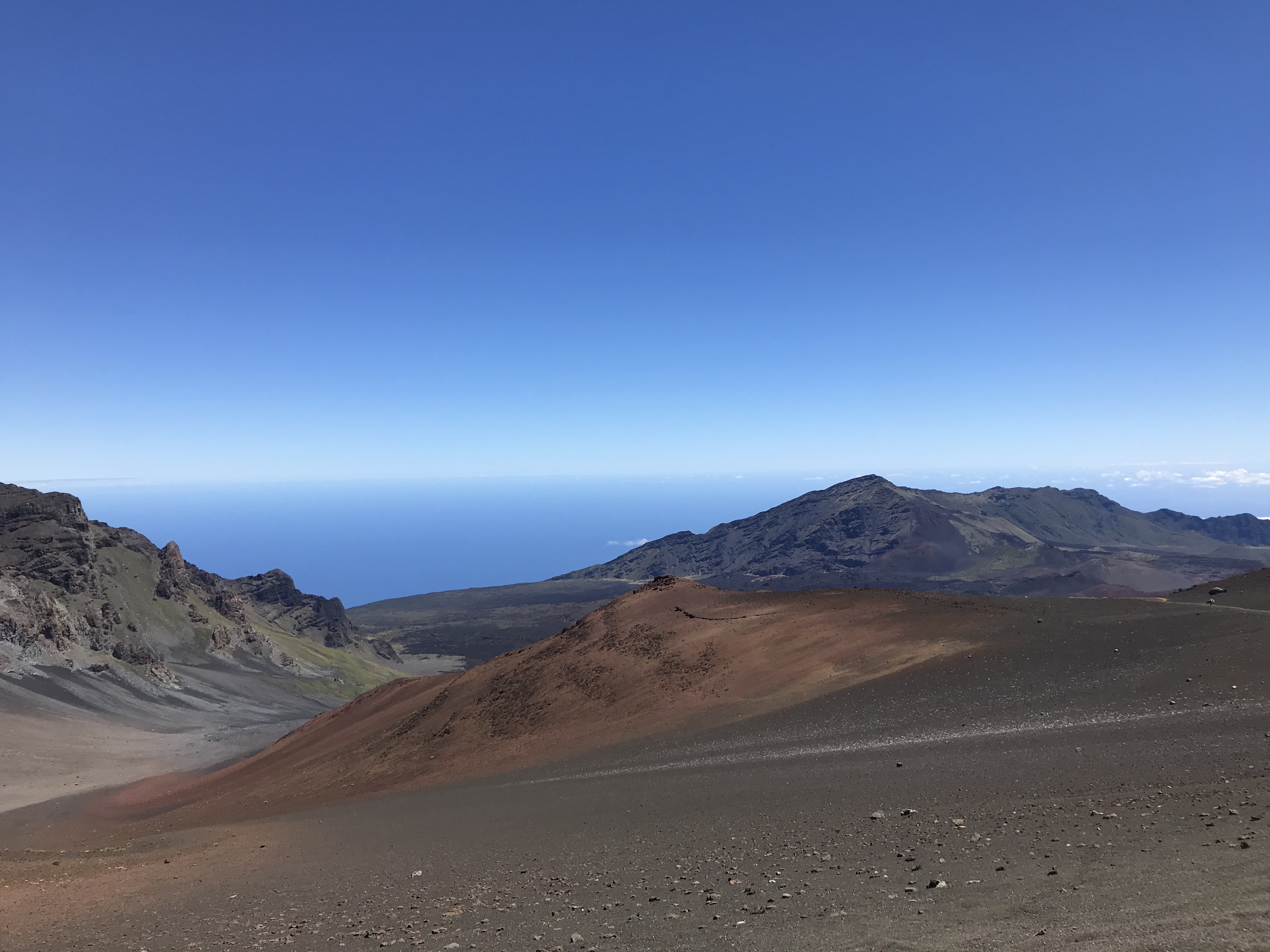
Moderate Hike into Haleakalā's Crater
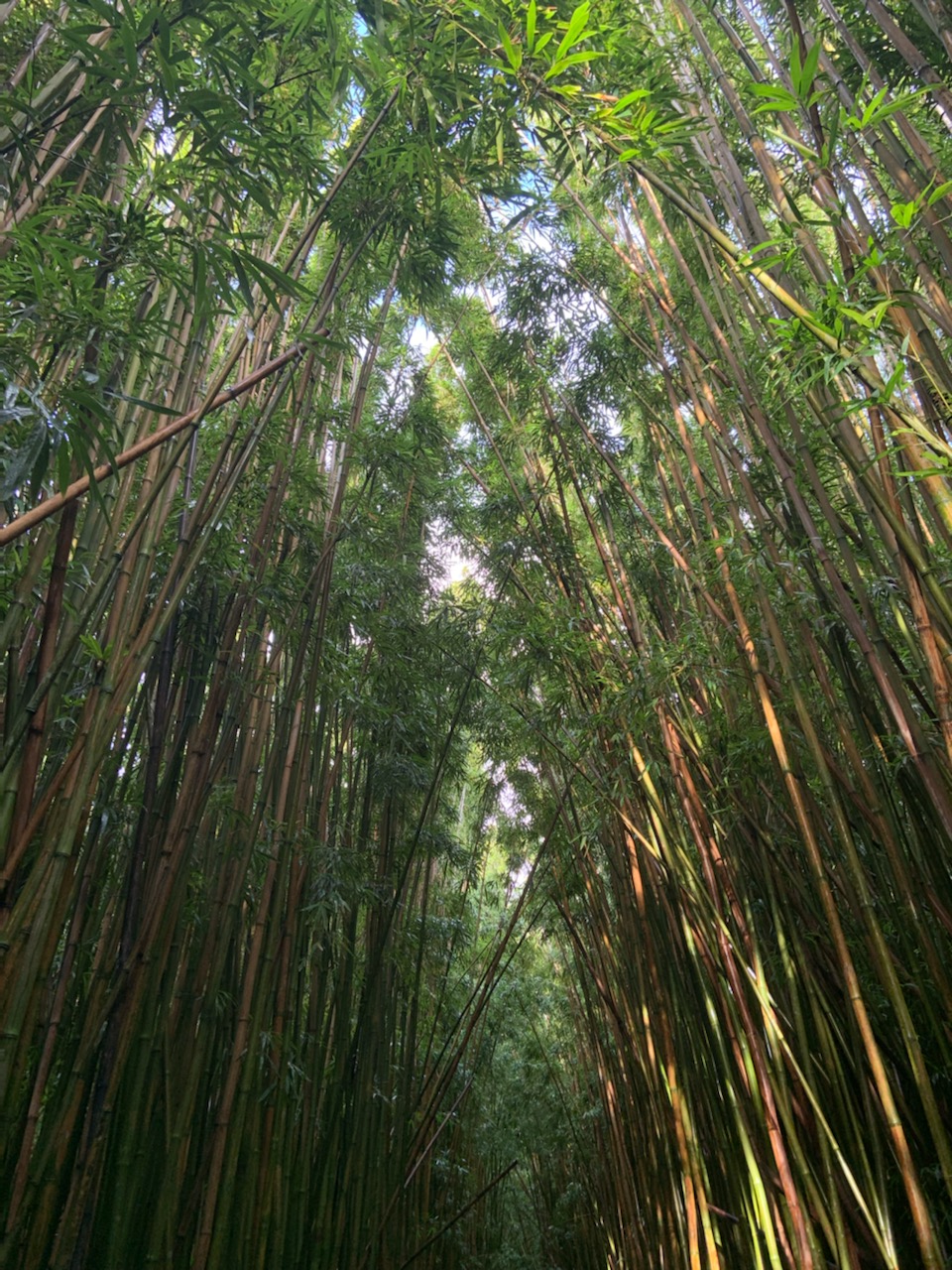
Moderate Hike up to the Bamboo Forest
Start early — Haleakalā's most popular trailheads fill up by mid-morning in peak season.
Camping
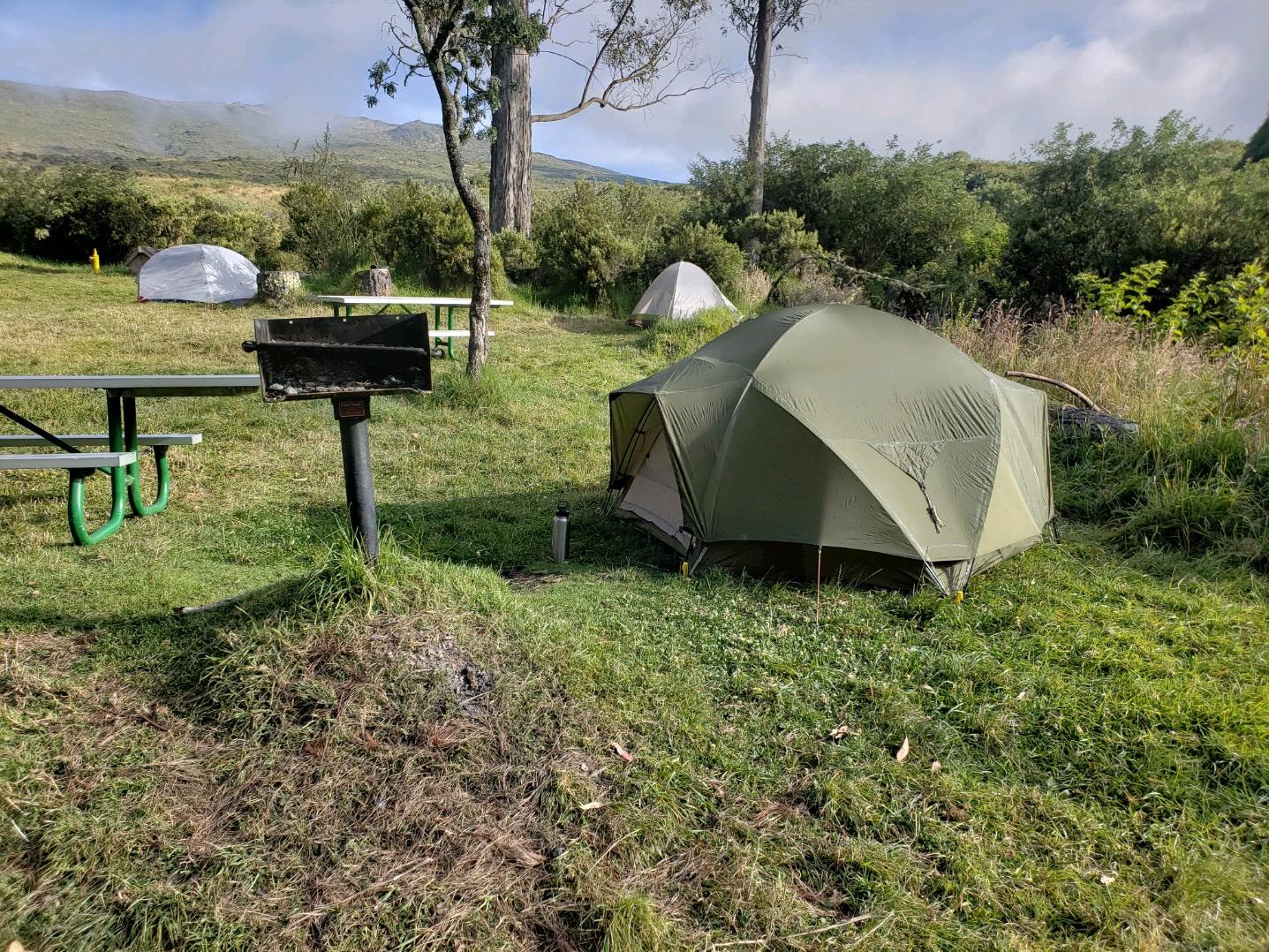
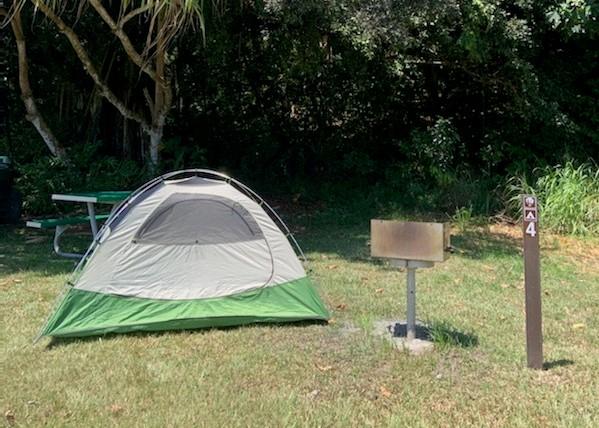
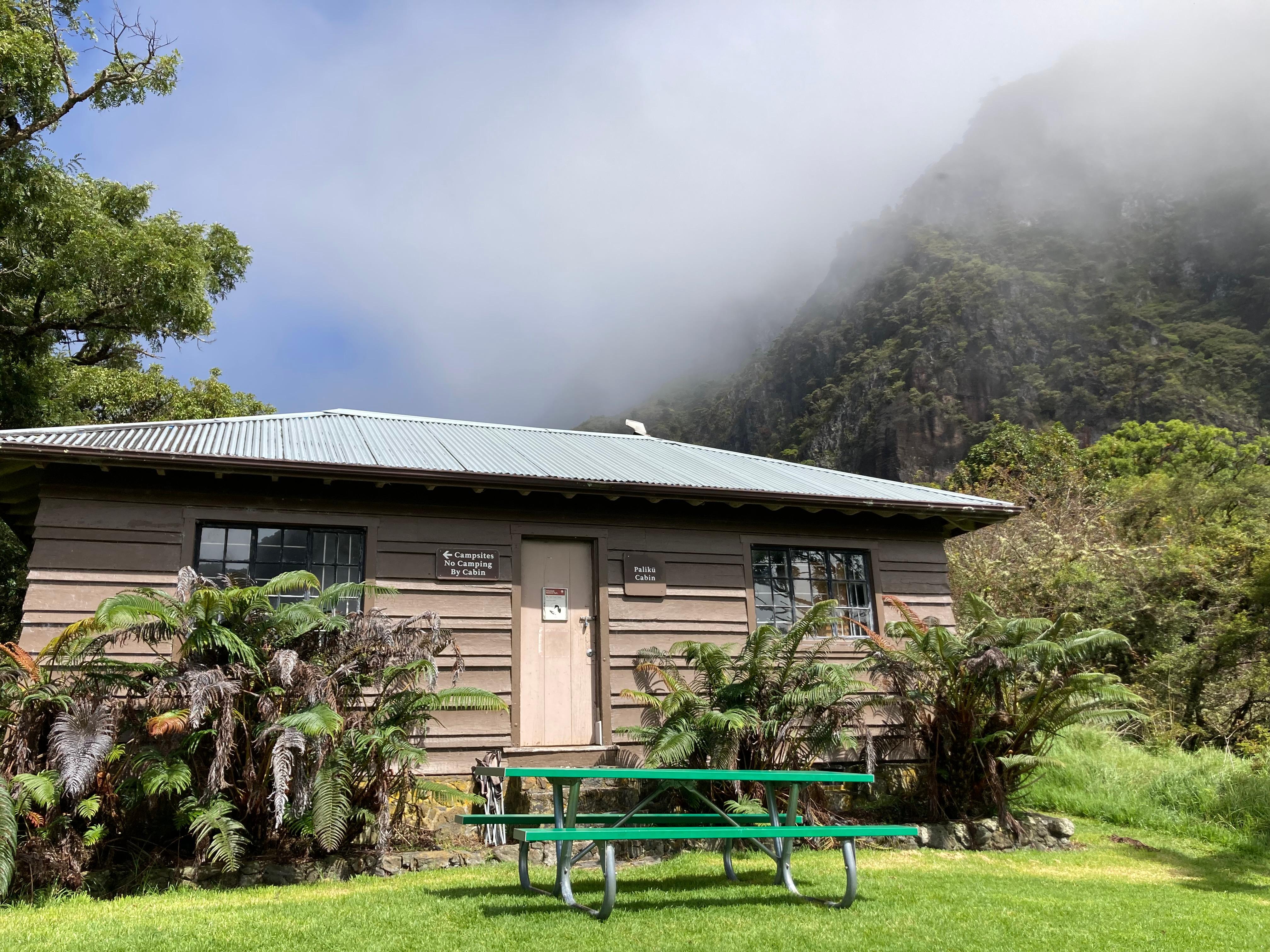
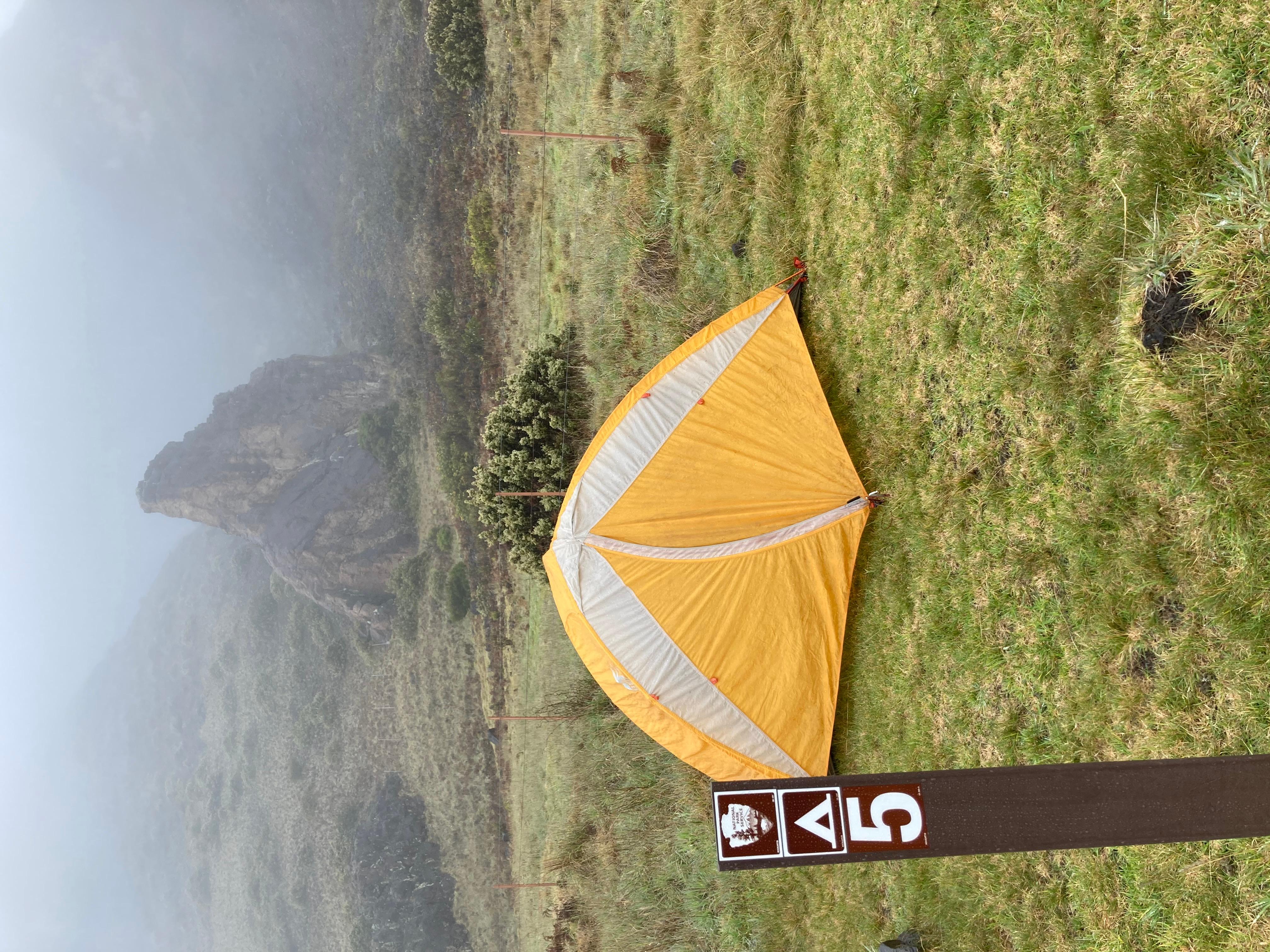
4 campgrounds with 28 total sites. All sites require reservations.
Top Activities
Haleakalā excels at 8 of 17 activity types — here are the standouts rated 7/10 or higher.
Photography
10/10Volcanic crater, sunrise views, diverse ecosystems
Hiking
9/1020 trails from short crater rim walks to strenuous crater descents
Scenic Driving
9/10Summit road with numerous scenic pullouts and viewpoints
Backpacking
8/10Crater backcountry camping and valley wilderness experiences
Stargazing
8/10Above the clouds with minimal light pollution; exceptional high-altitude stargazing
Swimming
7/10Pools and streams in Kīpahulu Valley area
Bird Watching
7/10Endemic Hawaiian honeycreepers and seabirds
Ranger Programs
7/10Ranger talks, guided hikes, and cultural programs
Who It's For
Planning Your Trip
Getting There
Nearest city: Honolulu, HI (100 mi). Fly into OGG.
In-Park Services
No gas in park · Lodging available · Cell: limited
Gateway Town
Kahului, HI — full amenities
Featured In ?Rankings based on data-driven scoring across all 62 national parks.
Stories
Gateway Cities
Compare Haleakalā
See how Haleakalā stacks up against other national parks — crowds, trails, and more.
Compare HaleakalāFrequently Asked Questions
When is the best time to visit Haleakalā National Park?
The best month to visit Haleakalā is July, based on a balance of weather, crowds, and accessibility. Peak visitation is in May. The park has 12 comfortable months for visiting.
How crowded is Haleakalā National Park?
Haleakalā is very crowded, with a congestion index of 8.4/10. The park receives 732K visitors annually across 45.5 square miles.
How many trails does Haleakalā National Park have?
Haleakalā has 29 miles of trails across 5 easy, 9 moderate, and 6 strenuous routes. Popular trails include Crater Rim Trail, Sliding Sands Trail (Keoneheʻe Trail), Hosmer Grove Trail.
Can you camp at Haleakalā National Park?
Yes, Haleakalā has 4 campgrounds with 28 total sites. Some sites are available first-come, first-served.
Is Haleakalā National Park open year-round?
Yes, Haleakalā is open year-round, though some roads and facilities may close seasonally. The park's climate is classified as volcanic_alpine_subtropical.