Crater Observation Trail
What to Expect
Safety Advisory
The altitude is no joke at 9,740 feet. If you just drove up from the coast, you may feel lightheaded, short of breath, or nauseated. Walk slowly and don't push through dizziness — sit down and let your body adjust.
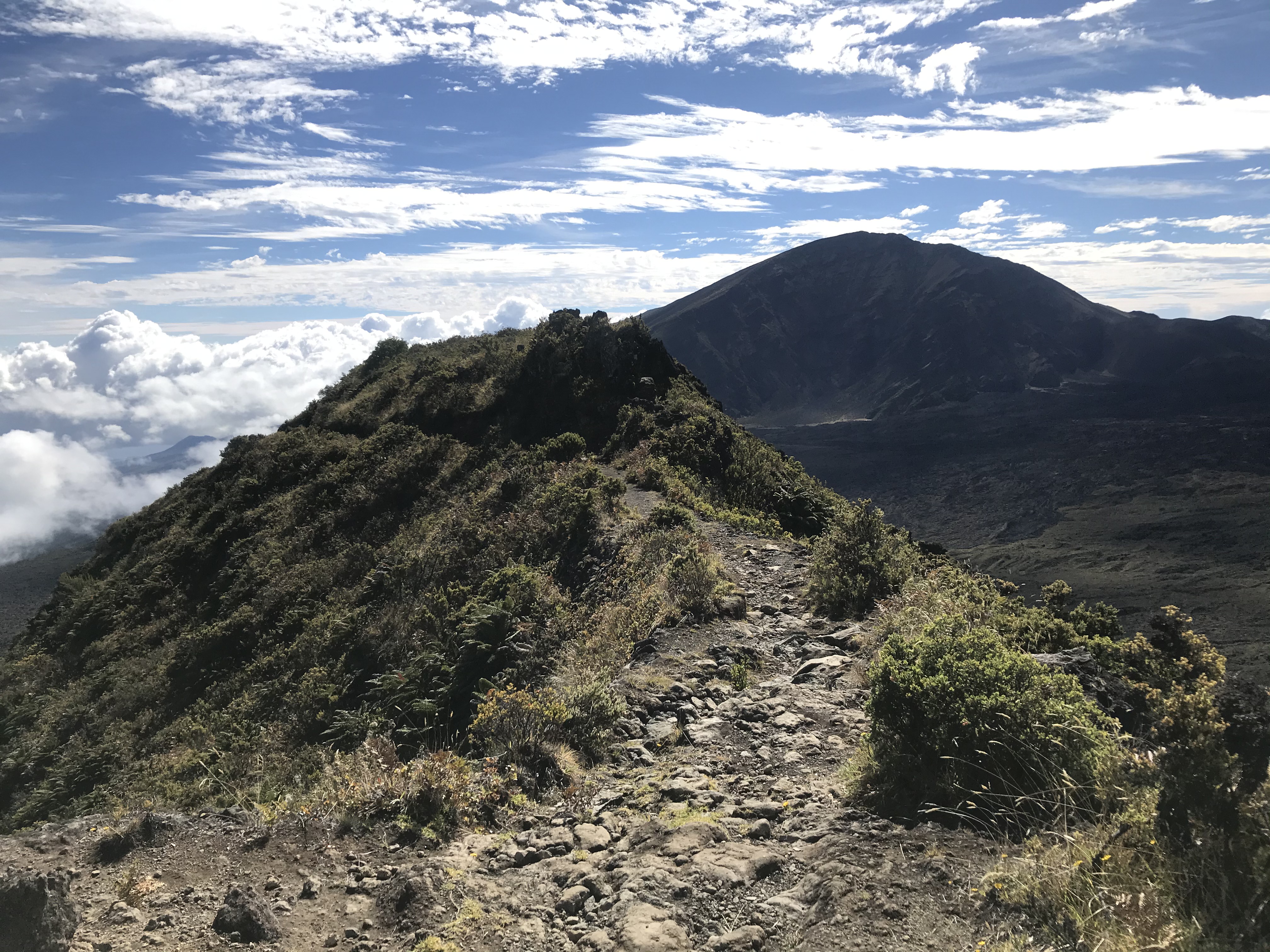
Wind gusts at the crater rim can be fierce and unpredictable. Stay well back from any unfenced edges, and keep a hand on hats, phones, and anything else the wind could rip away into the crater.
Trail Details
Pro Tips
Arrive before sunrise if you have a reservation — the crater rim at dawn, with clouds pooling below and the sky cycling through impossible colors, is one of the best free shows in Hawaii. The trail is short enough to walk in near-darkness with a headlamp.
Layer up aggressively. It's routinely 30-40 degrees colder up here than at the beach resorts below, and wind at the crater rim can cut right through a hoodie. Bring a real jacket, gloves, and a hat even if you were sweating at sea level an hour ago.
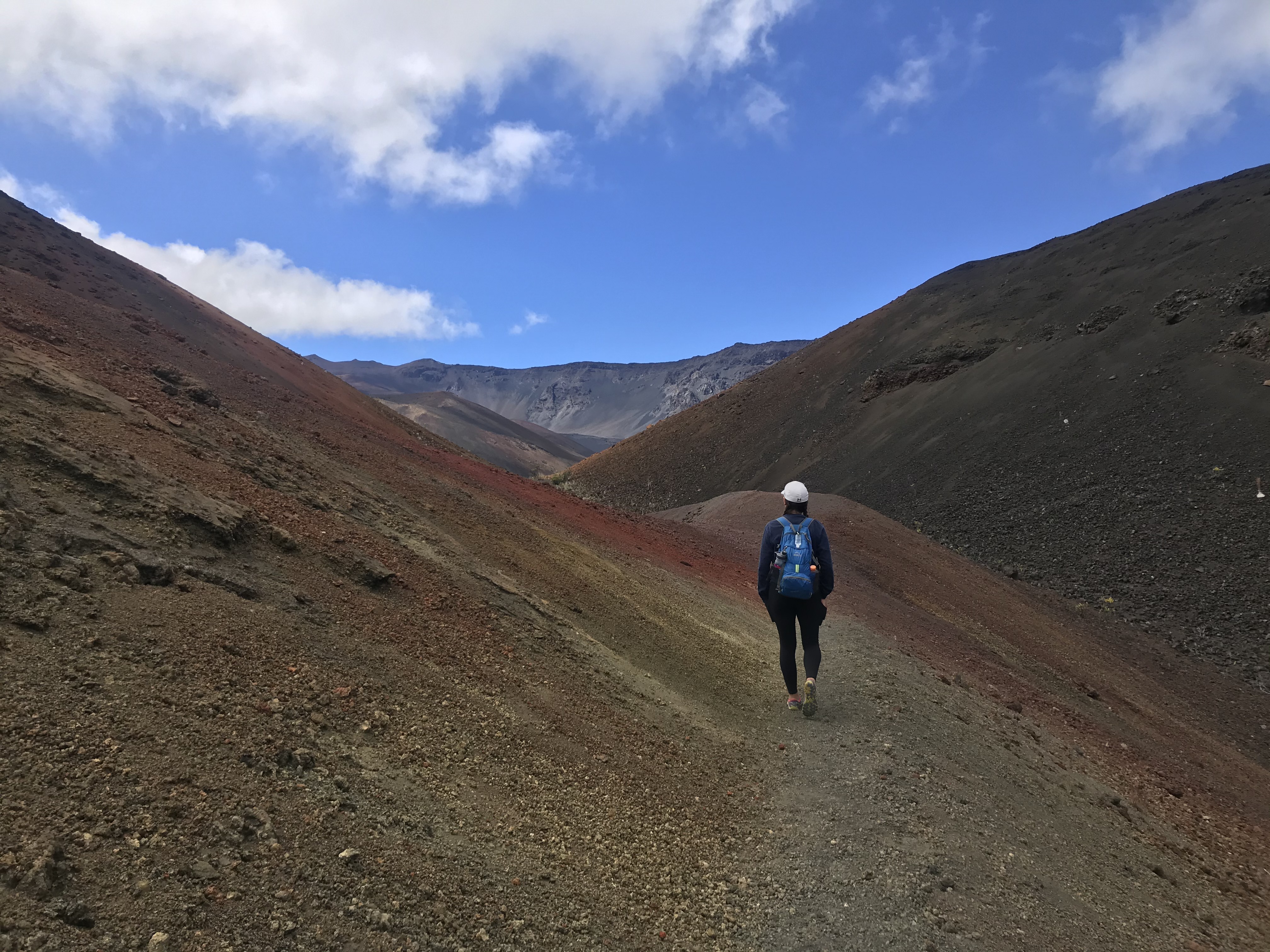
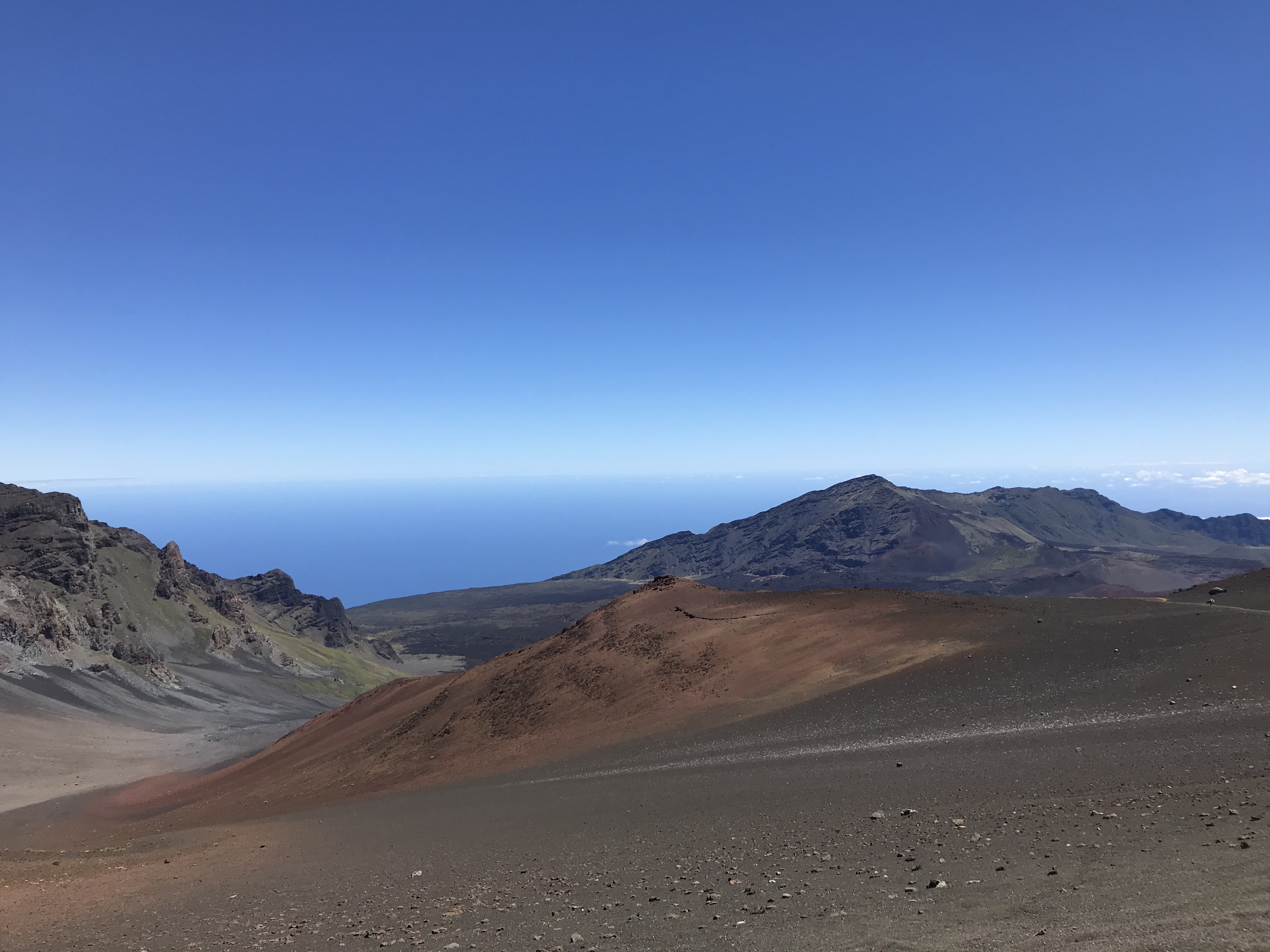
The best photo angle is from the far end of the trail looking back along the crater rim with the cinder cones in the midground — the depth and scale read much better than shooting straight down into the depression.