Moderate Hike to the Crater Edge
What to Expect
Safety Advisory
Altitude is the hidden hazard here. You're hiking above 8,000 feet after likely sleeping at sea level, which means headaches, dizziness, and shortness of breath are common. Turn back if you feel lightheaded — altitude sickness is not something to push through.
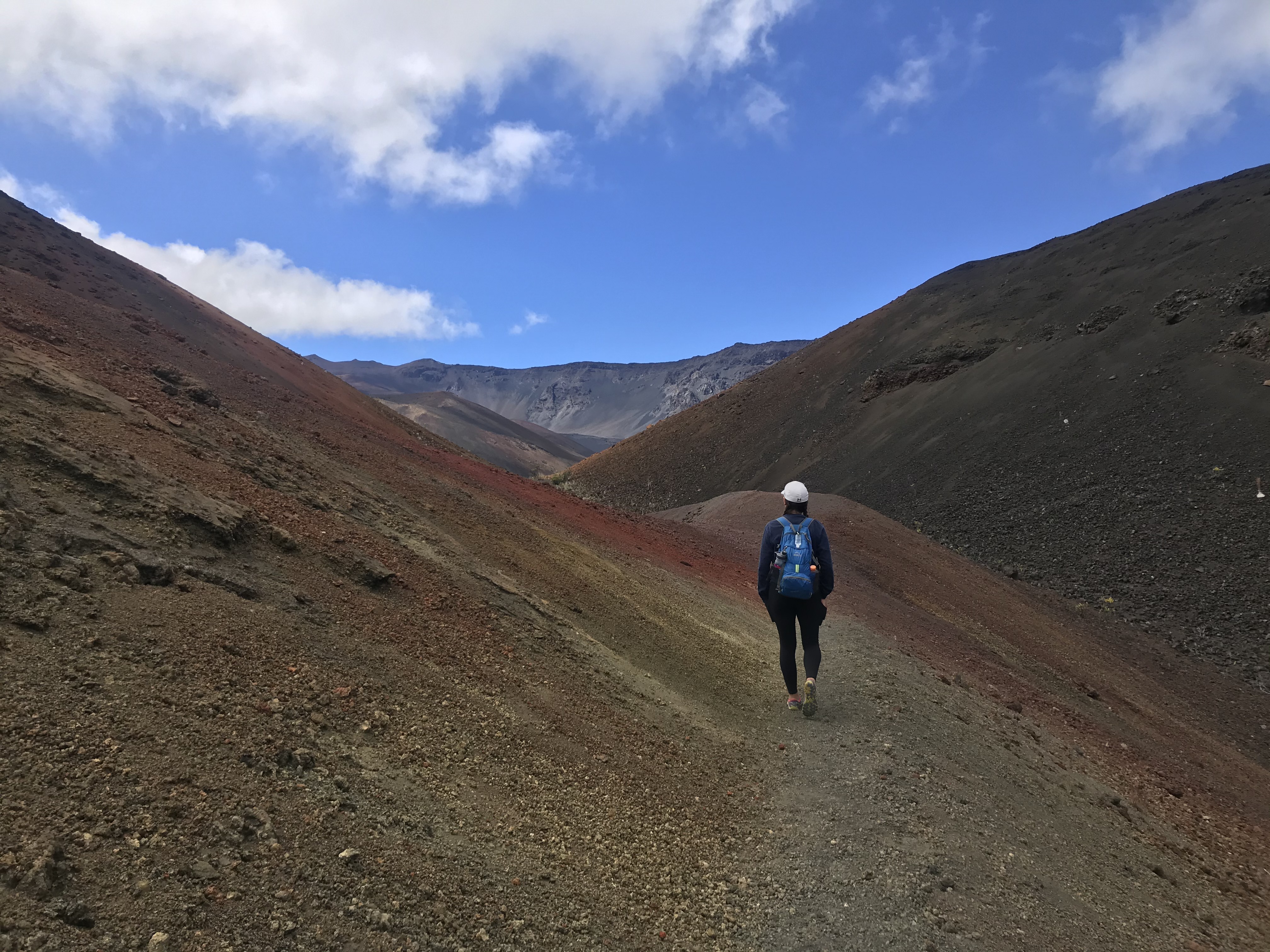
The ridge narrows significantly near the turnaround, with steep drop-offs on both sides and no guardrails. Wind gusts can be sudden and strong enough to knock you off balance, especially in winter. Stay well back from the edges and keep a low center of gravity in high winds.
Weather shifts from bluebird to zero-visibility fog in minutes at this elevation. Bring a windproof layer even on sunny days — temperatures at the crater rim can be thirty to forty degrees cooler than the beach resorts below.
Trail Details
Pro Tips
Start by mid-morning at the latest — afternoon clouds roll up through the Ko'olau Gap like clockwork and can erase the crater views entirely within minutes.
The trailhead sits above 8,000 feet, and you're climbing from there. If you drove up from sea level that morning, give yourself twenty minutes at the parking area to acclimate before heading out, or you'll be gasping by the first switchback.
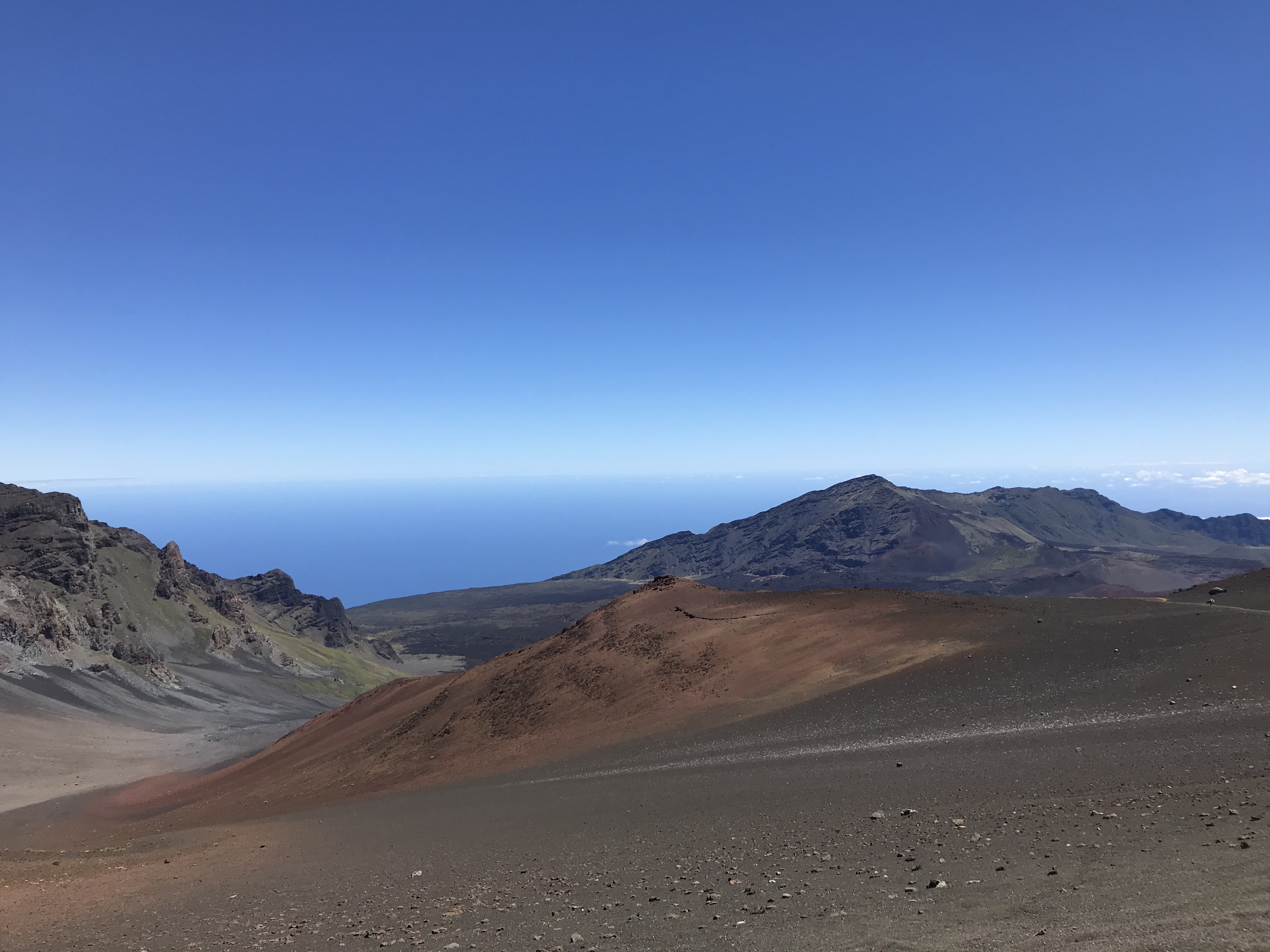
The 1.1-mile turnaround point where the ridge drops on both sides is the real show — but the viewpoint at roughly three-quarters of a mile is nearly as dramatic and far less crowded. Linger there for photos with the crater and gap in a single frame.
Photos
 NPS Photo