Sliding Sands Trail (Keoneheʻe Trail)
What to Expect
Safety Advisory
You're hiking above ten thousand feet where altitude sickness is a real concern — headaches, nausea, and fatigue hit fast if you drove straight up from sea level. Give yourself at least an hour at the summit to acclimatize before starting down.
There is zero shade and zero water on this trail. Temperatures can swing forty degrees between the exposed rim and the crater floor, and sunburn happens fast in the thin atmosphere — carry more water than you think you need and layer up.
The loose cinder makes footing treacherous on the climb out, especially when fatigued. Turning an ankle miles from the trailhead at this altitude is a serious situation — take the ascent slow and deliberate.
Trail Details
Pro Tips
Hike down in the morning when your legs are fresh and the sun is behind you — the return climb in afternoon heat at altitude will humble even strong hikers, so bank your energy early.
Trekking poles are nearly mandatory for the descent; the cinder is like walking on ball bearings, and poles save your knees from absorbing every sliding step on the way back up.
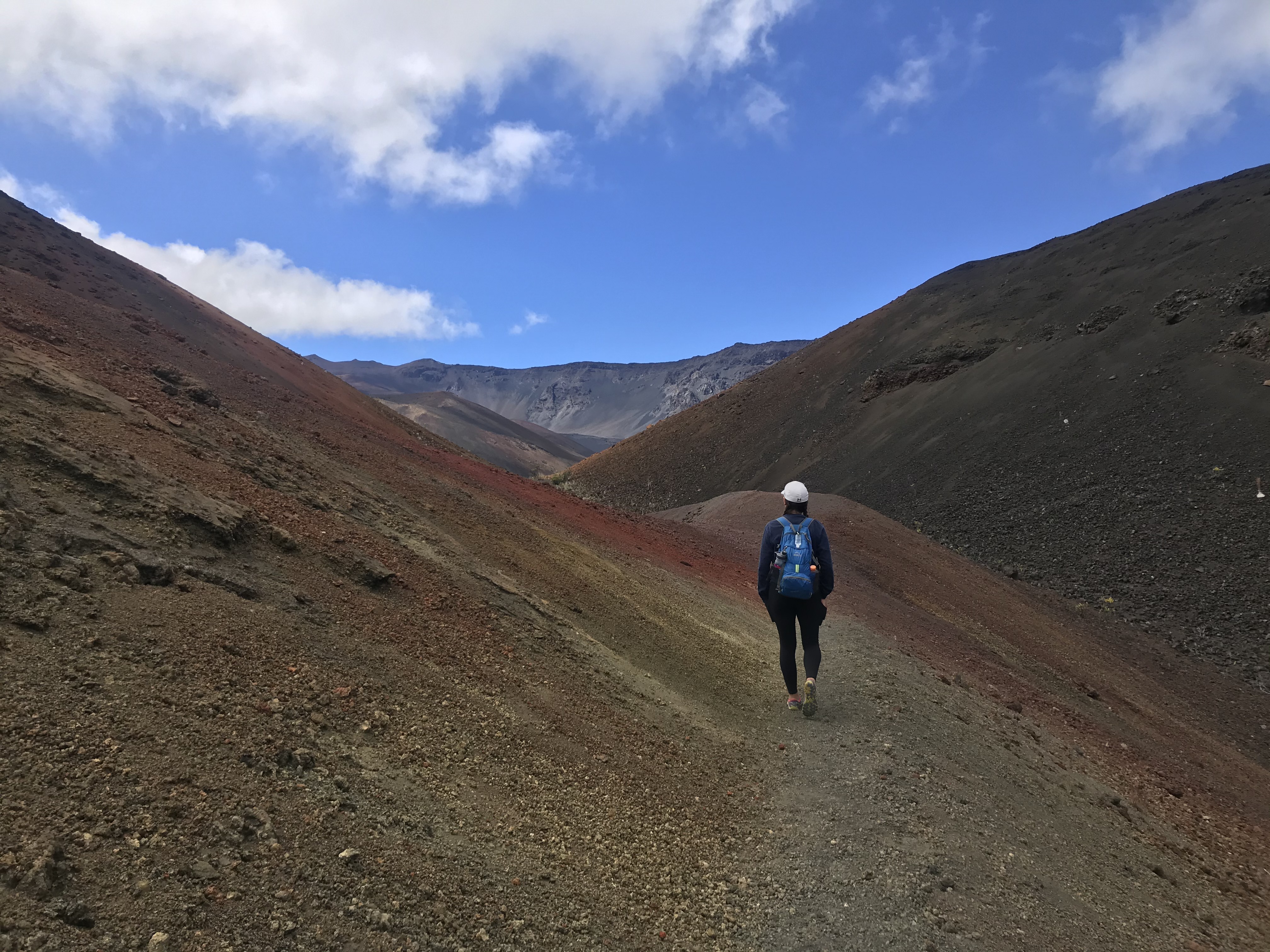
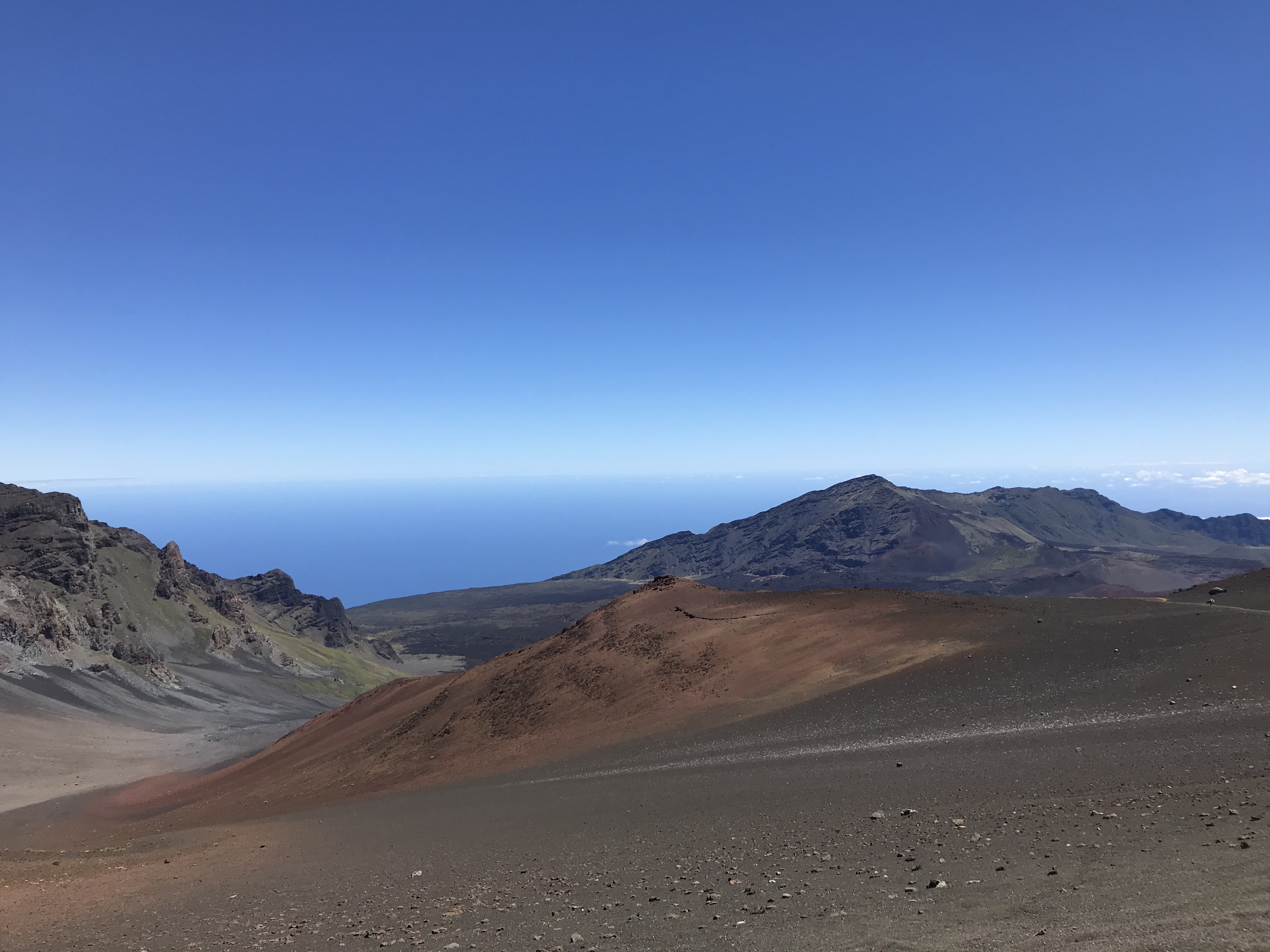
The cinder cones inside the crater — particularly Ka Lu'u o ka O'o — photograph best in early morning side-light when the shadows carve dramatic lines across the volcanic terrain.