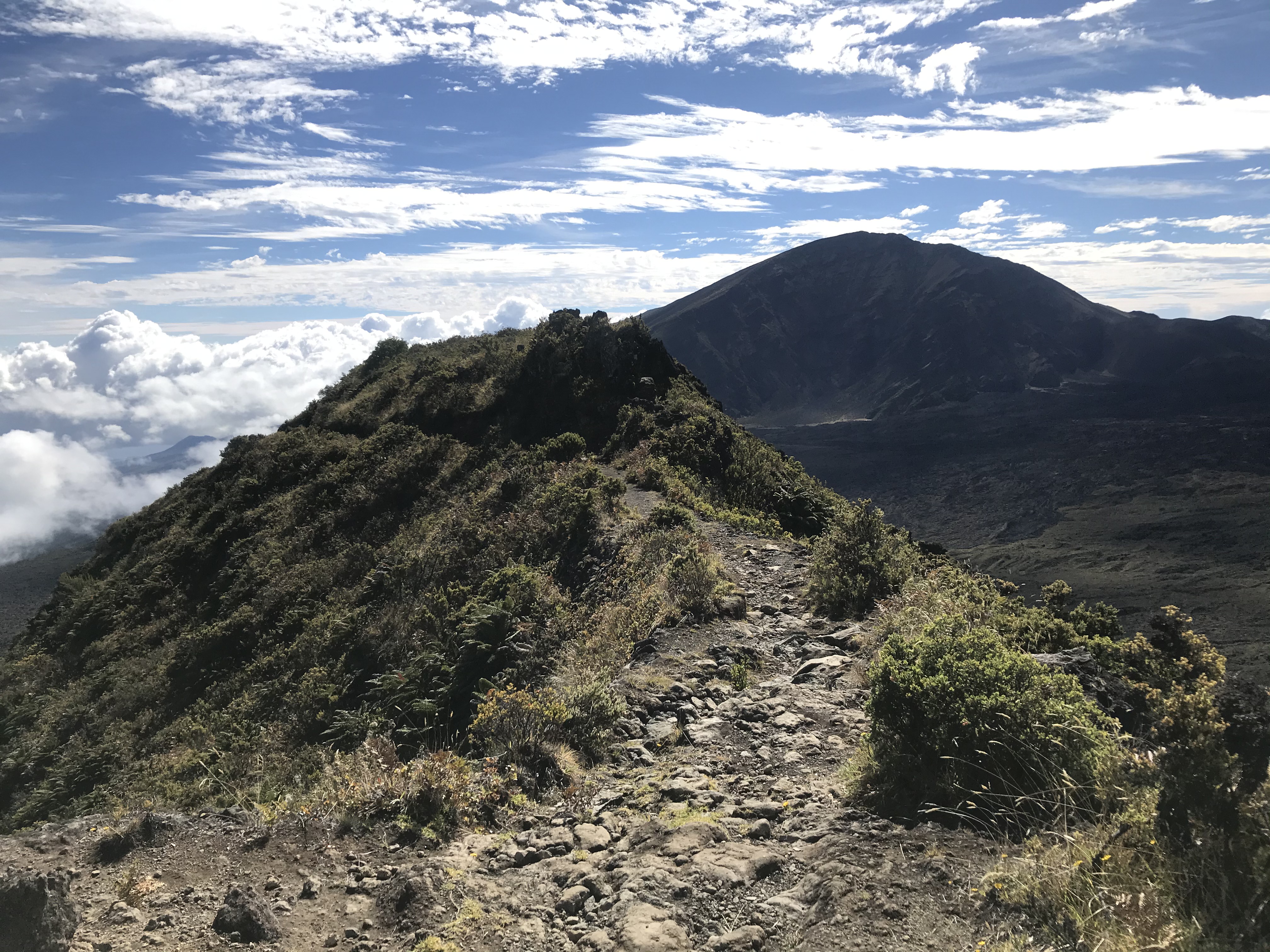
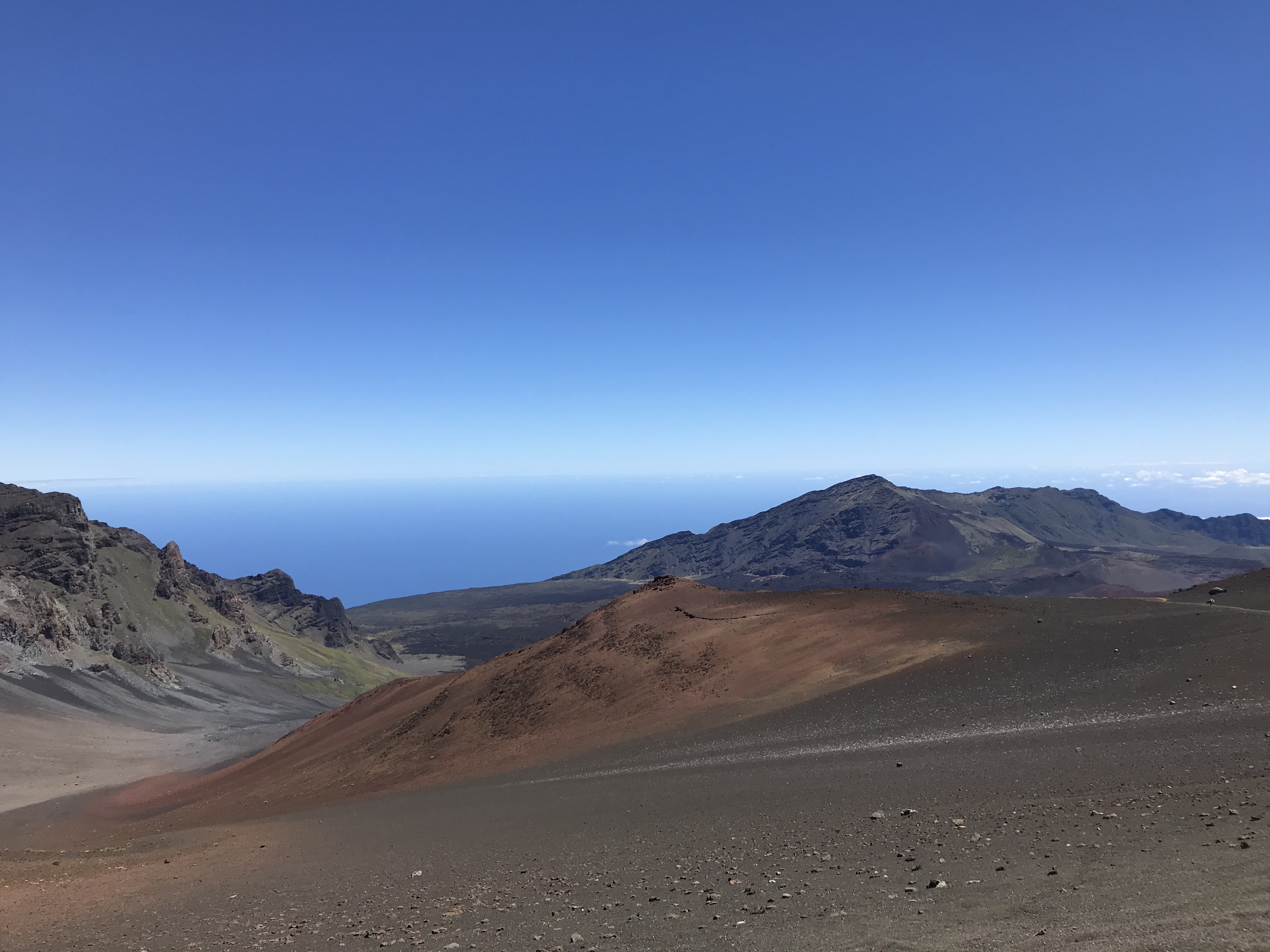
Strenuous Hike Across the Crater Floor
What to Expect
Safety Advisory
You're hiking between 7,000 and 10,000 feet elevation the entire day. Altitude sickness is a real risk, especially if you flew into Maui that morning. Headaches, nausea, and dizziness can escalate fast — if symptoms hit, descend immediately rather than pushing through.
Weather in the crater shifts without warning. Morning sun can give way to thick fog, sideways rain, and near-freezing wind chill within an hour. Hypothermia is a legitimate concern even in summer — pack rain gear, a wind layer, and an emergency bivy. There is zero shelter on the crater floor.
You are hours from rescue in the wilderness area. Cell service is nonexistent on the crater floor, and even if you reach someone, evacuation by foot or helicopter takes time. Travel with a partner and leave your itinerary with someone outside the park.
Trail Details
Pro Tips
This is a point-to-point hike, so arrange a car shuttle or have someone drop you at Sliding Sands and pick you up at Halemau'u — hitchhiking between trailheads is unreliable and adds three miles of road walking at 9,000 feet.
Start at Sliding Sands, not Halemau'u. The net elevation works in your favor: you descend roughly 2,500 feet on the Sliding Sands side and only climb about 1,400 feet out Halemau'u. Reversing the route adds a brutal uphill finish through deep cinder.
Stash an extra liter of water and a snack in your car at the Halemau'u lot — you'll be running on fumes when you pop out of the switchbacks, and the nearest services are a long drive down the mountain.
Photos
 NPS Photo