Hawaiʻi Volcanoes National Park
Updated
Overview
Hawaiʻi Volcanoes puts you face-to-face with Earth's volcanic forces — active lava flows, steaming vents, and landscapes that reshape themselves in real-time. Kīlauea, one of the world's most active volcanoes, dominates the park's 520 square miles, offering everything from the dramatic Crater Rim Trail to the otherworldly Thurston Lava Tube. The trade-off: volcanic activity is unpredictable. Eruptions can close trails and roads with little warning, and the sulfur dioxide fumes from active vents can be intense, especially for those with respiratory issues. December is peak season, but April offers better weather with half the crowds.
Hit Chain of Craters Road at golden hour, starting two hours before sunset. The 19-mile descent to the coast reveals progressively younger lava flows, and the late afternoon light transforms the black rock into bronze and amber. Park at the Hōlei Sea Arch lot and walk to where lava met ocean — you'll often have it to yourself after 5 PM.
When to Go
The sweet spot is April — good weather meets manageable crowds. Peak season hits in December.
The quietest month with mild temps and less rain. Full trail access resumes. Chain of Craters Road is uncrowded.
Monthly crowd levels — click a month for details
Seasonal Closures
Crater Rim Trail (portions): Some sections occasionally close due to volcanic vog and weather conditions
How Busy Is It?
How Hawaiʻi Volcanoes compares to all 62 national parks
Busier than 61% of national parks
Above AverageMore crowded trails than 33% of parks
ModerateHigher campsite pressure than 91% of parks
Very BusyNotable Trails
Hawaiʻi Volcanoes has more trail mileage than 81% of national parks, with 232 miles across 150 maintained trails.
The difficulty split leans moderate to strenuous — only 30% of trails are rated easy.
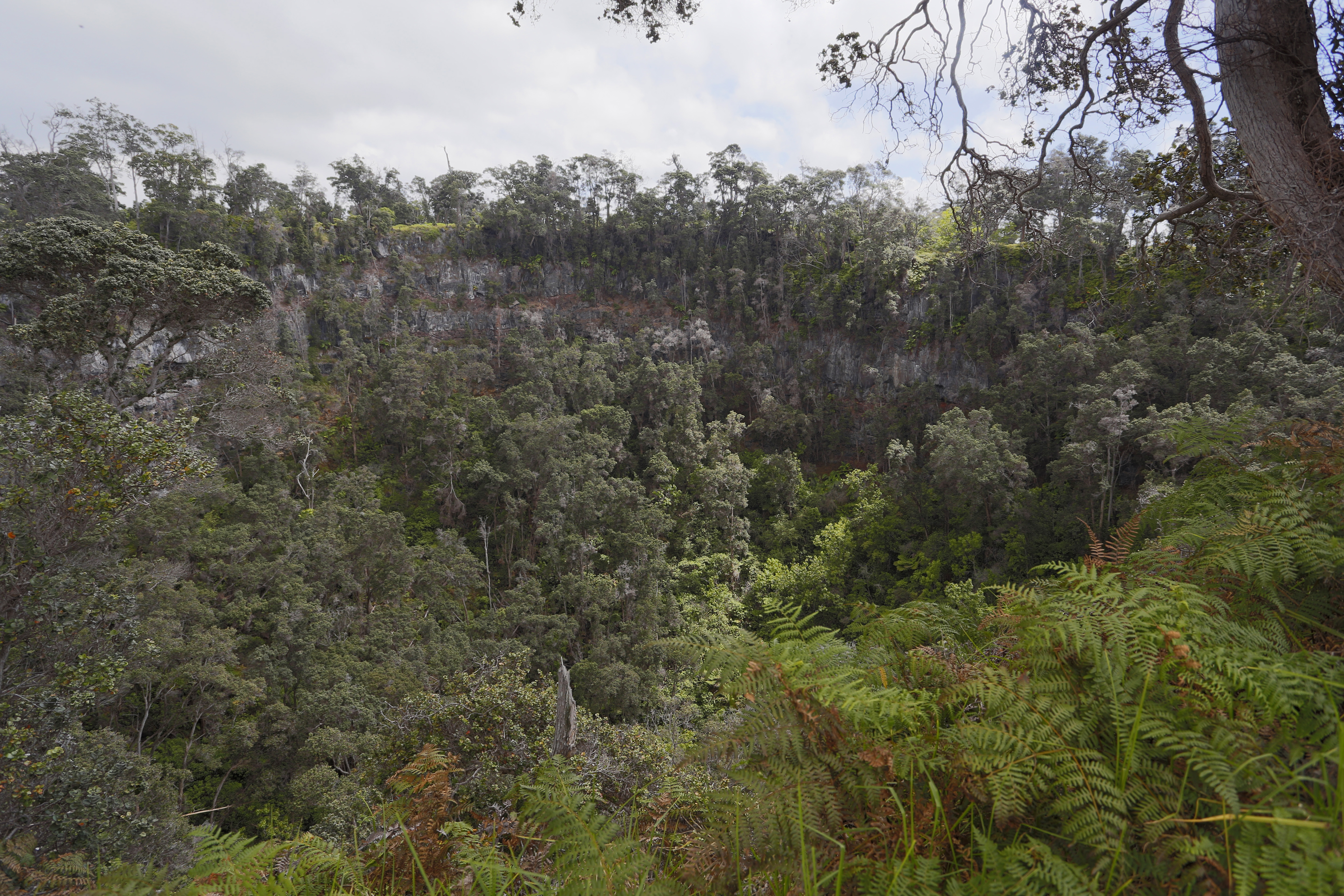
Visit Kahuku: Forested Pit Crater
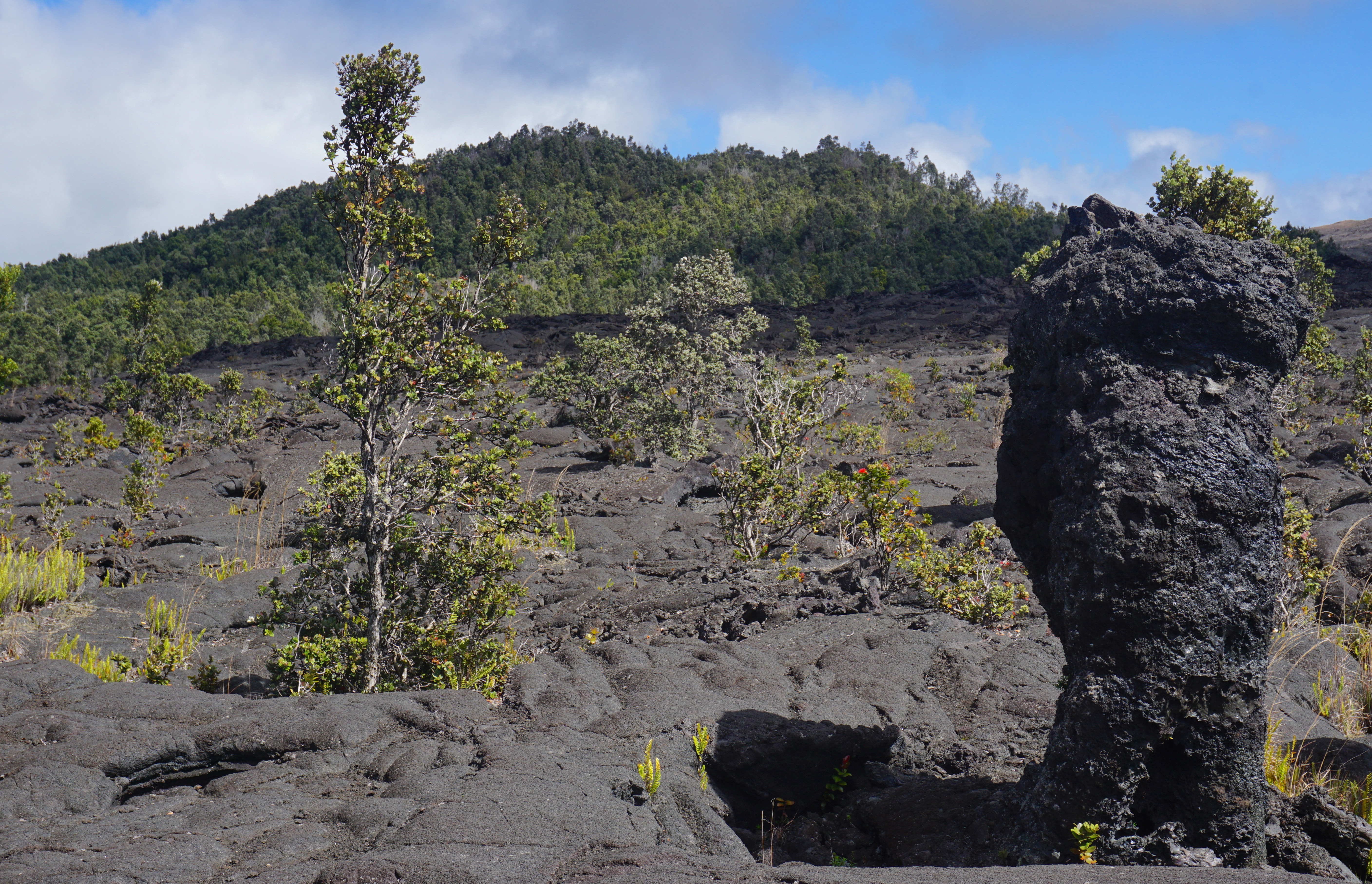
Maunaulu via Nāpau Trail
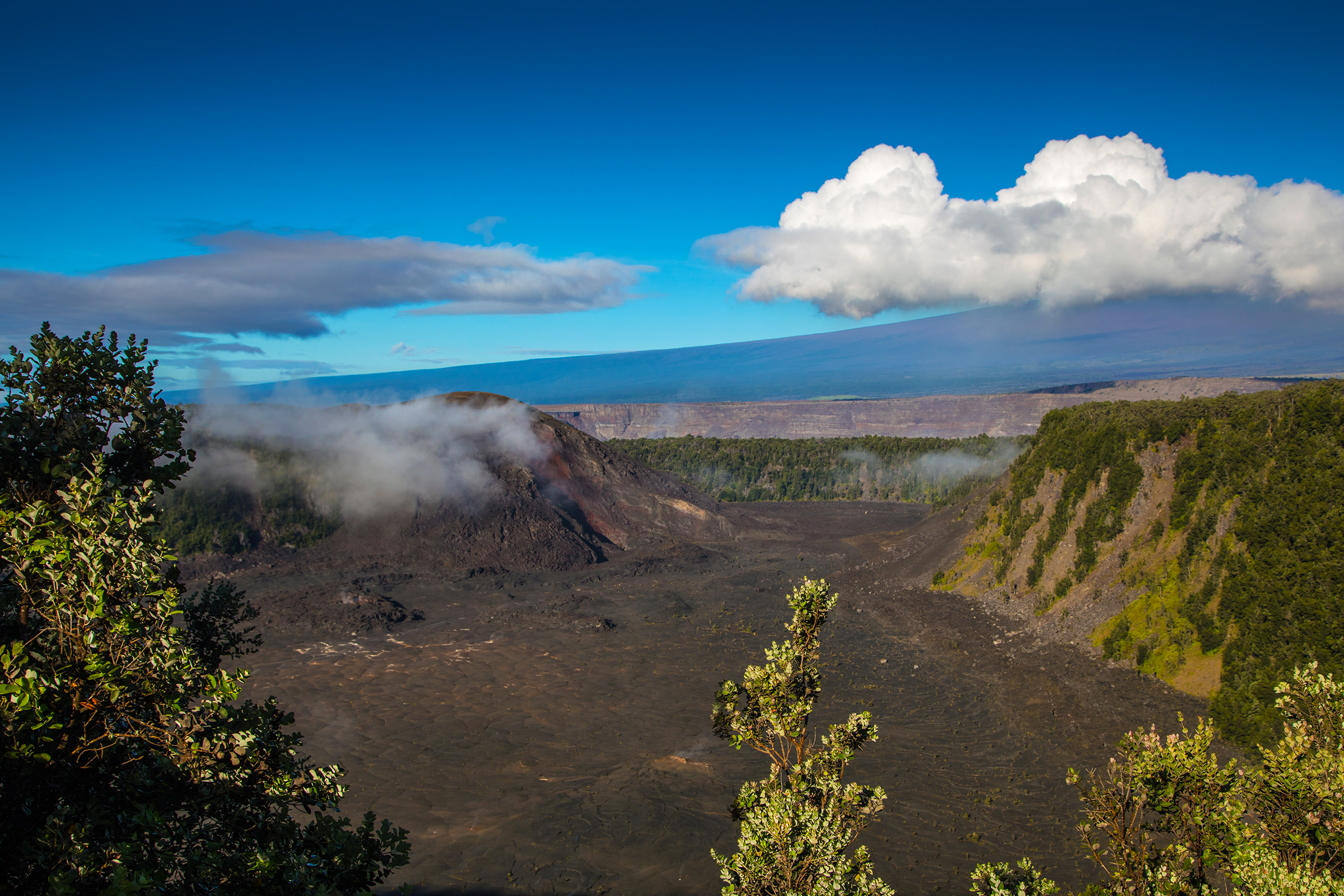
Kīlauea Iki Trail
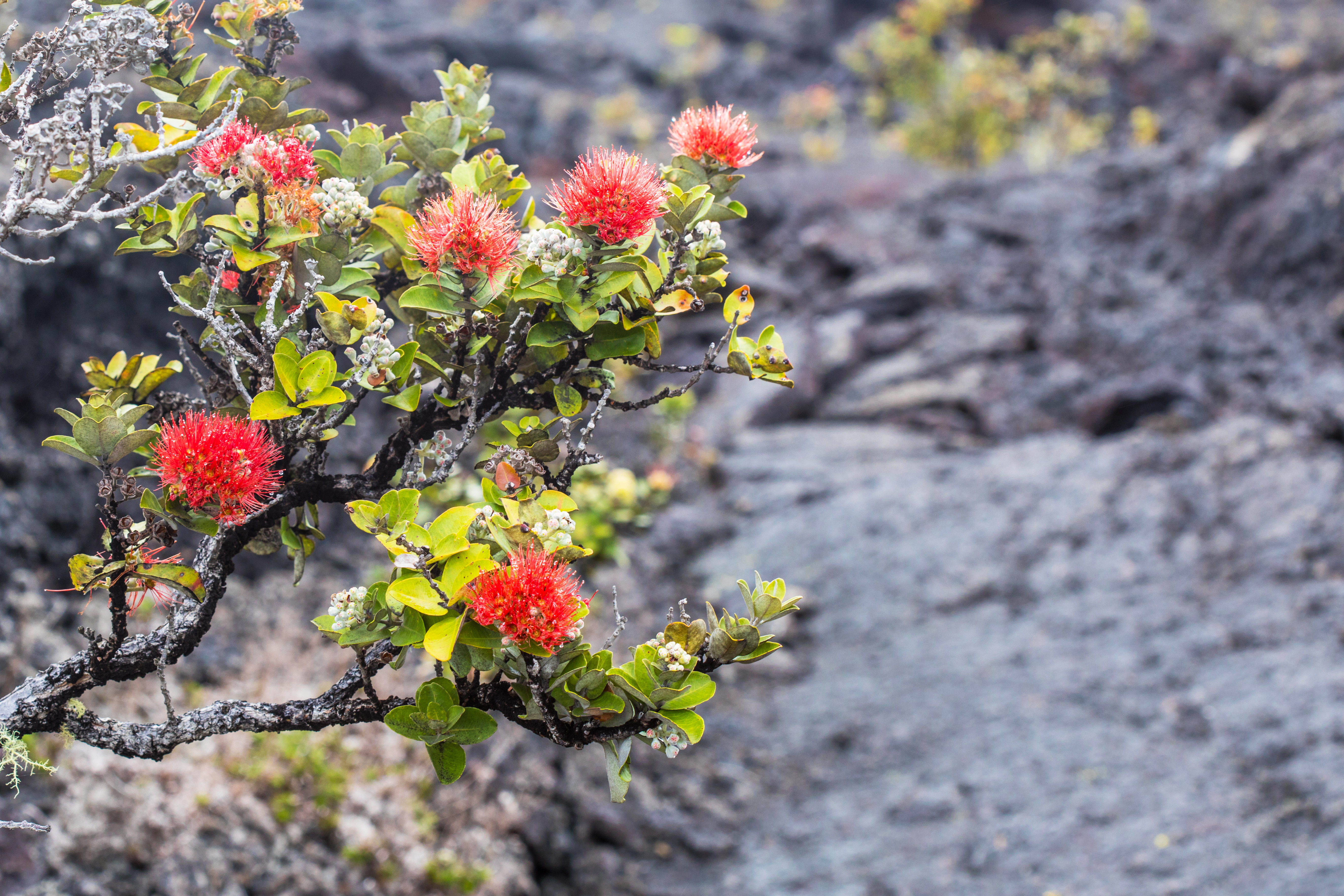
Visit Kahuku: Palm Trail
Start early — Hawaiʻi Volcanoes's most popular trailheads fill up by mid-morning in peak season.
Camping
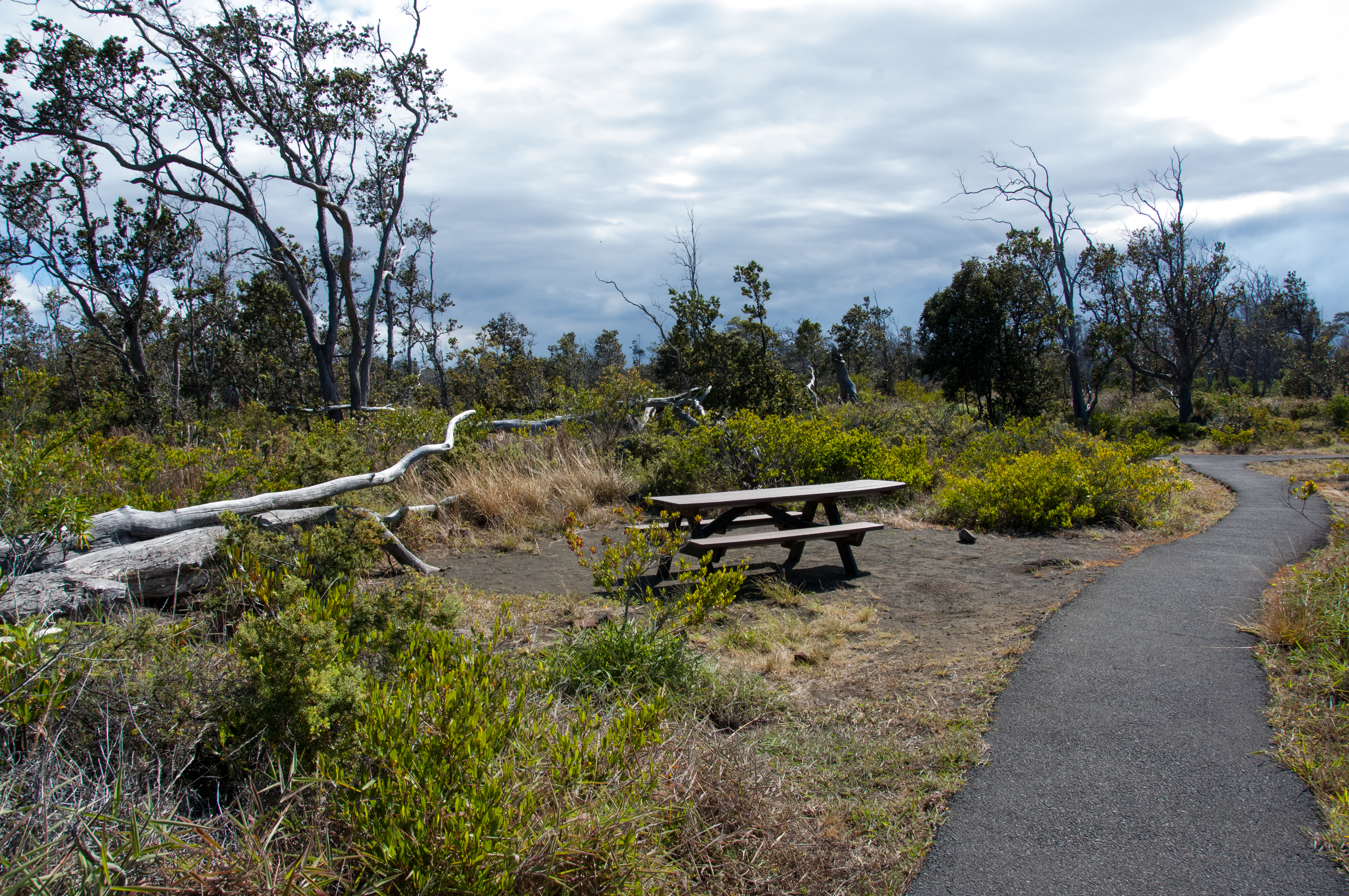
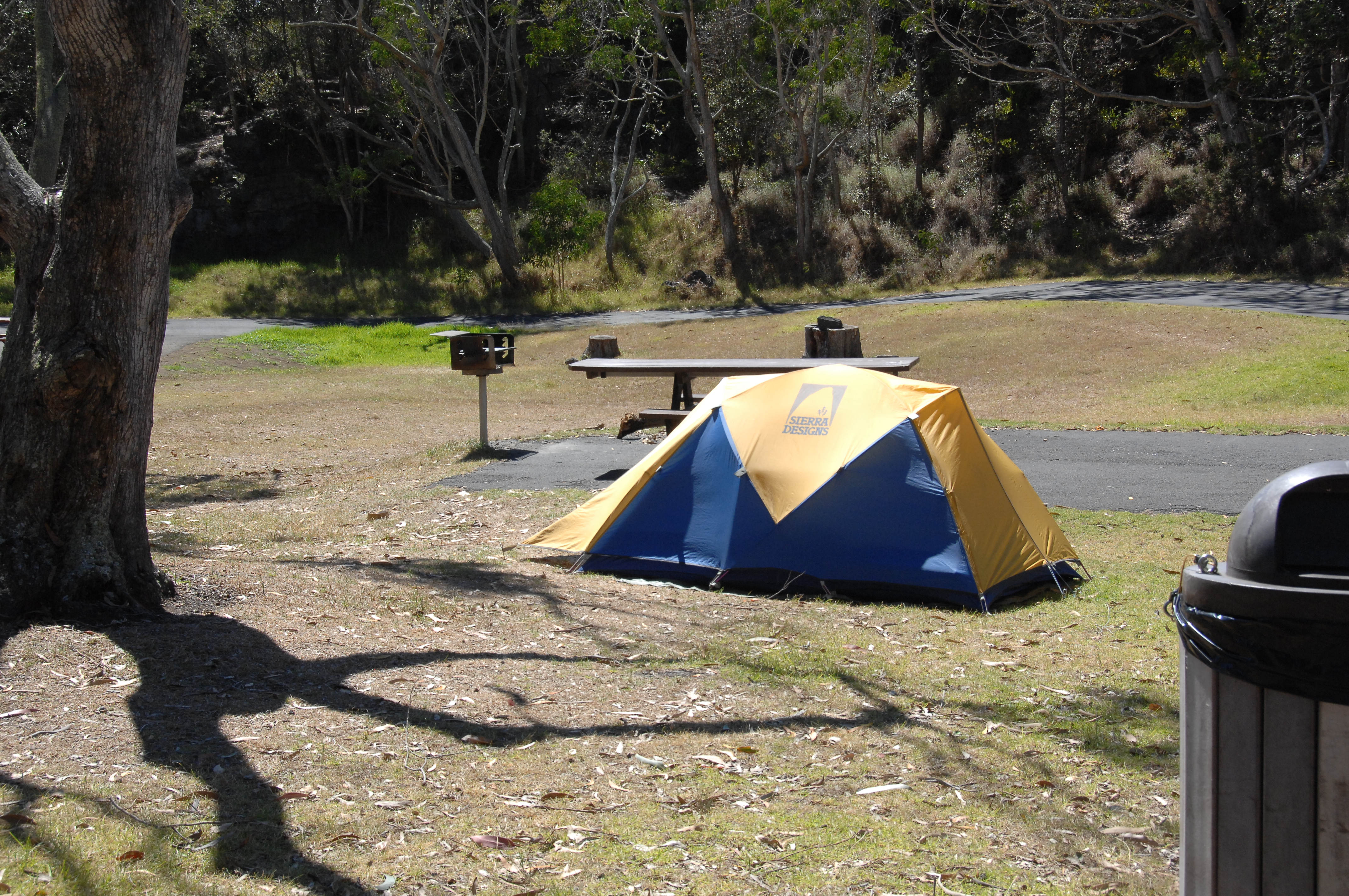
2 campgrounds with 25 total sites. About 100% are first-come, first-served.
Top Activities
Hawaiʻi Volcanoes excels at 8 of 17 activity types — here are the standouts rated 7/10 or higher.
Photography
10/10Exceptional opportunities for volcanic, geological, and ecological photography
Hiking
9/10Over 230 miles of trails ranging from easy walks through lava tubes to strenuous crater descents
Scenic Driving
9/10Chain of Craters Road and Crater Rim Drive offer exceptional volcanic vistas
Ranger Programs
8/10Excellent programs covering geology, ecology, and Hawaiian culture
Backpacking
7/10Backcountry permits required; camping available in volcanic landscape
Wildlife Viewing
7/10Endemic Hawaiian birds, nenes (Hawaiian geese), and native insects
Bird Watching
7/10Over 30 species including nene goose, Hawaiian hawk, and tropical seabirds
Stargazing
7/10Good visibility at higher elevations; volcanic plateau provides viewing opportunities
Who It's For
Planning Your Trip
Getting There
Nearest city: Hilo, HI (30 mi). Fly into KOA.
In-Park Services
No gas in park · Lodging available · Cell: limited
Gateway Town
Hilo, HI — full amenities
Featured In ?Rankings based on data-driven scoring across all 62 national parks.
Stories
Gateway Cities
Compare Hawaiʻi Volcanoes
See how Hawaiʻi Volcanoes stacks up against other national parks — crowds, trails, and more.
Compare Hawaiʻi VolcanoesFrequently Asked Questions
When is the best time to visit Hawaiʻi Volcanoes National Park?
The best month to visit Hawaiʻi Volcanoes is April, based on a balance of weather, crowds, and accessibility. Peak visitation is in December. The park has 12 comfortable months for visiting.
How crowded is Hawaiʻi Volcanoes National Park?
Hawaiʻi Volcanoes is crowded, with a congestion index of 5.7/10. The park receives 1.4M visitors annually across 520.5 square miles.
How many trails does Hawaiʻi Volcanoes National Park have?
Hawaiʻi Volcanoes has 232 miles of trails across 45 easy, 75 moderate, and 30 strenuous routes. Popular trails include Thurston Lava Tube Trail (Nāhuku), Kīlauea Iki Trail, Crater Rim Trail.
Can you camp at Hawaiʻi Volcanoes National Park?
Yes, Hawaiʻi Volcanoes has 2 campgrounds with 25 total sites. Some sites are available first-come, first-served.
Is Hawaiʻi Volcanoes National Park open year-round?
Yes, Hawaiʻi Volcanoes is open year-round, though some roads and facilities may close seasonally. The park's climate is classified as tropical_volcanic.