Kīlauea Iki Trail
What to Expect
Safety Advisory
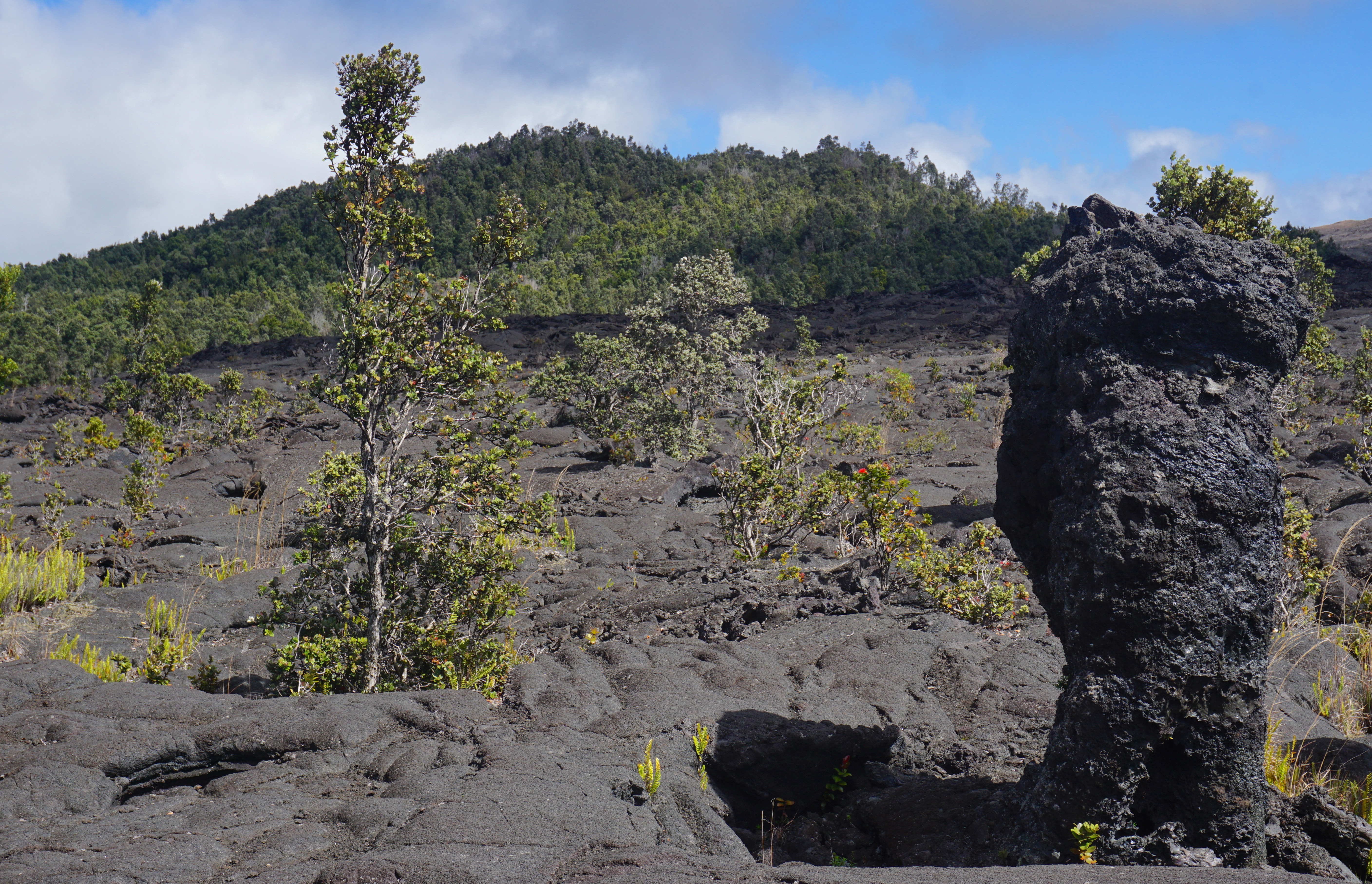
The crater floor is uneven, cracked lava with sharp edges — ankle rolls are common. Sturdy closed-toe shoes with good tread are essential, not sandals or fashion sneakers.
Volcanic fumes (sulfur dioxide) can concentrate in the crater, especially near vents. If you have respiratory conditions like asthma, check the park's current air quality advisory before heading down — conditions change daily based on volcanic activity and wind direction.
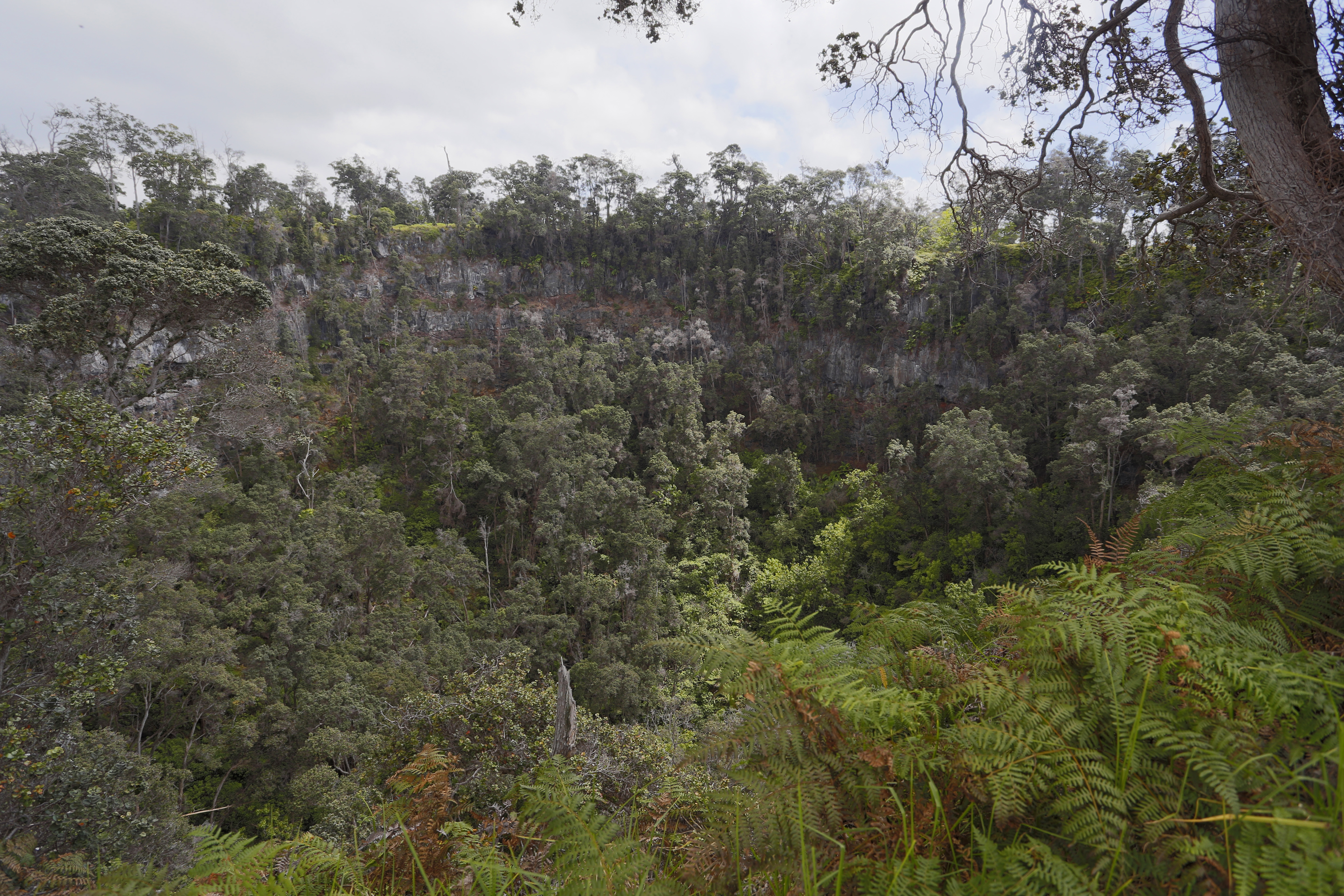
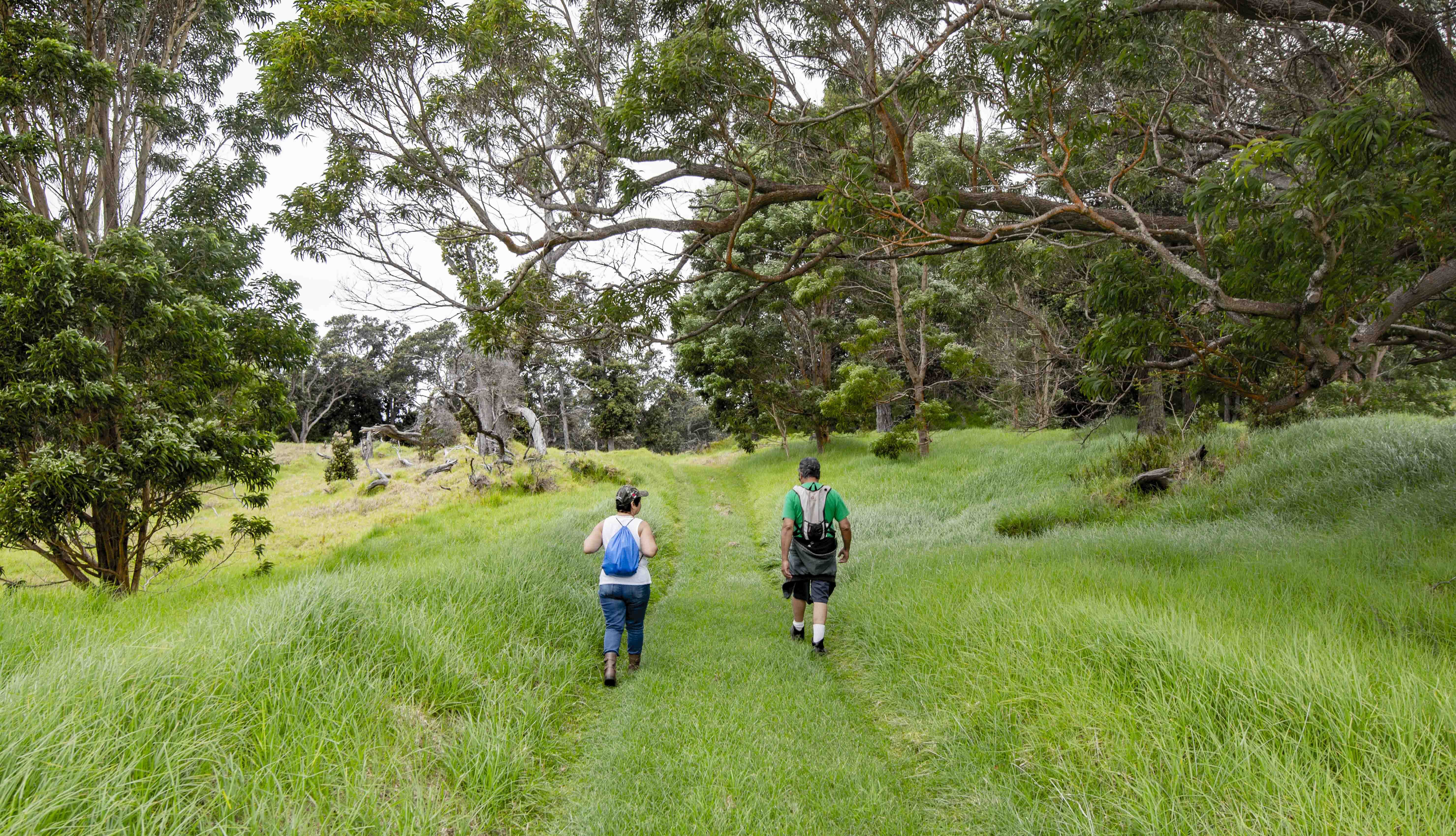
Rain turns the forested switchback sections into a slick mess of mud and exposed roots. Trekking poles make a real difference on wet days, and this part of the Big Island sees rain year-round.
Trail Details
Pro Tips
Hike counterclockwise starting from the Kilauea Iki Overlook parking lot — you descend the steeper crater wall section while your legs are fresh and climb the more gradual forested switchbacks on the way out.
The crater floor gets brutally hot and exposed midday with zero shade and dark lava absorbing heat. Start before 9 AM or after 3 PM and carry at least a liter of water per person — there is no water source on the trail.
Stop at the main steam vent on the crater floor and place your hand near the crack — you can feel the earth's heat radiating up. It's the most tangible 'this volcano is alive' moment on the entire trail and makes for a striking photo with the steam rising against the dark rock.
Photos
 NPS
NPS