Hawaiʻi Volcanoes National Park

Mauna Loa Summit Trail

strenuous Summit BaggersExperienced HikersSolitude Seekers
15.2 mi Distance
3,738 ft Elevation Gain
6-8 hours Estimated Time
roundtrip Trail Type

What to Expect

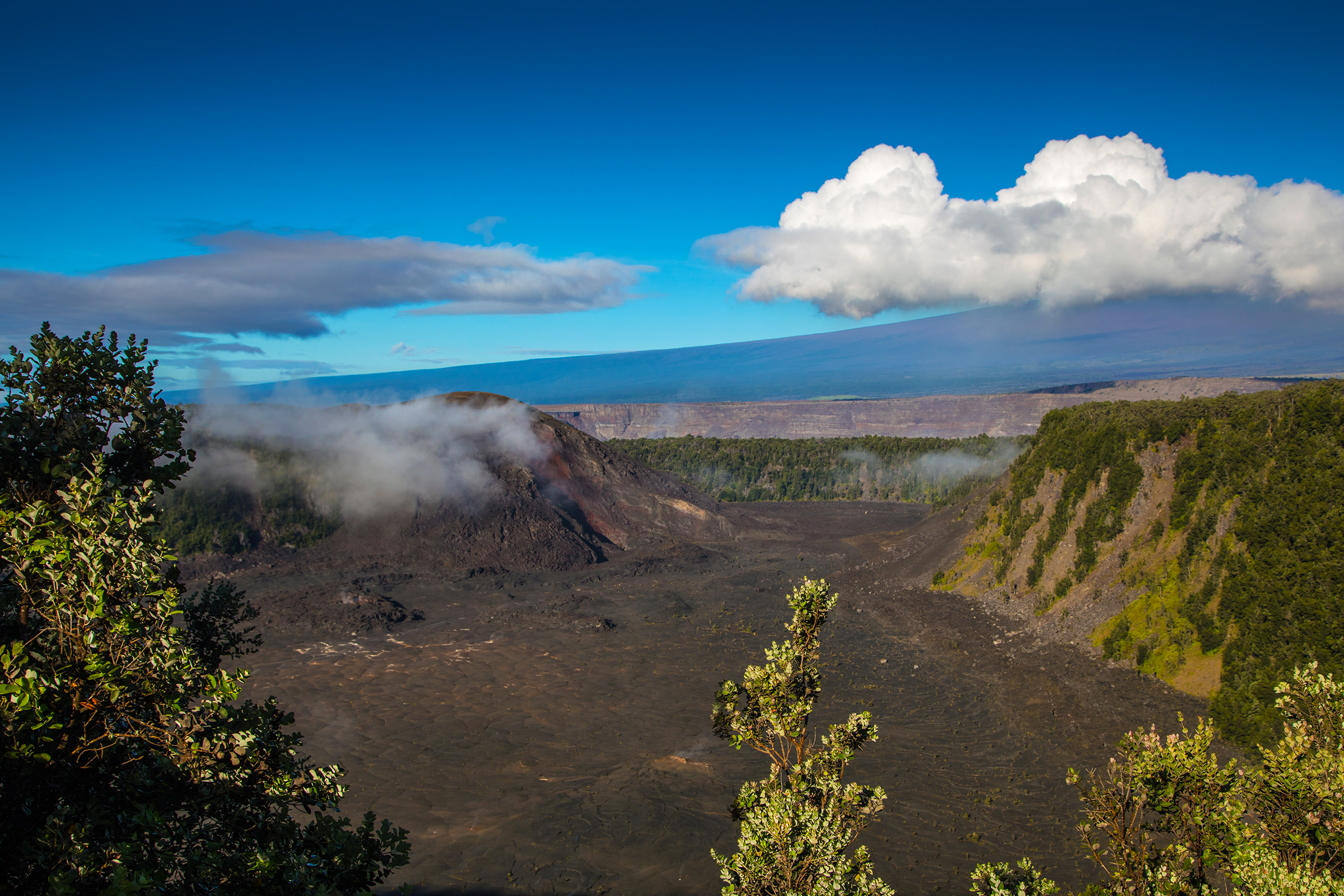
This is not a casual day hike — it's a pilgrimage across the roof of the world's largest volcano. Starting from the Mauna Loa Observatory at around 11,000 feet, you'll cross miles of barren, wind-scoured lava fields where the only company is the crunch of cinder beneath your boots. The trail is rough and unmarked in places, following ahu (stone cairns) across flows that range from smooth pahoehoe to ankle-twisting a'a. The air is thin up here, and every step above 12,000 feet reminds you of it. The payoff is Mokuaweoweo, the massive summit caldera — a moonscape so vast it swallows sound. On clear days, you can see Maui floating on the horizon. This trail belongs to summit baggers and volcano obsessives who want to earn one of the most remote high points in the Pacific.
Summit BaggersExperienced HikersSolitude SeekersVolcano EnthusiastsBackcountry Camping

Safety Advisory

Altitude sickness is a serious risk. The trailhead starts above 11,000 feet and climbs to nearly 13,700 — headaches, nausea, and disorientation are common. Descend immediately if symptoms worsen.

Hypothermia and high winds are year-round hazards at the summit. Temperatures regularly drop below freezing with wind chill, even when it's 80 degrees at sea level. Pack full cold-weather layers and a windproof shell.

Volcanic gas (SO2) can accumulate in the caldera during periods of activity. Check with the park ranger station for current volcanic conditions before departing — the trail may close without warning.

Trail Details

Distance 15.2 miles round-trip
Elevation Gain 3,738 ft
Difficulty strenuous
Estimated Time 6-8 hours
Trail Type roundtrip
Pets Not allowed
Season Year-round
Trailhead Mauna Loa Summit Trail

Pro Tips

Trail Tip

Spend at least one night at Red Hill (Pu'u 'Ula'ula) cabin at 10,035 feet to acclimatize before pushing for the summit — altitude sickness is the number one reason hikers bail on this route.

Trail Tip

Carry at least four liters of water per person per day. There is zero water on this trail — the lava absorbs everything. Pack a filter anyway in case you find ice or snow near the summit in winter.

Trail Tip

Start your summit push before dawn to maximize clear skies. Clouds typically roll in by late morning, killing visibility and making cairn navigation much harder on the featureless lava fields.
More Trails in Hawaiʻi Volcanoes

Explore Hawaiʻi Volcanoes National Park

2 campgrounds, 150 trails, 1.4M annual visitors

View Park Guide