Lake Clark National Park & Preserve
Updated
Overview
Lake Clark is Alaska's most accessible wilderness secret—a floatplane ride from Anchorage delivers you to turquoise lakes, active volcanoes, and world-class salmon fishing without the crowds (30,815 annual visitors versus Denali's 1.6 million). The park's two glaciated volcanoes, Redoubt and Iliamna, still steam over coastal lowlands where brown bears feast on sockeye runs. The trade-off? Zero road access means floatplane charters run $400-600 per person, and weather can scrub flights for days. But for anglers and photographers willing to commit, the solitude-to-scenery ratio is unmatched in the National Park system.
Book your floatplane for early morning departures (6-8 AM) in May or early June. Weather windows are most stable before noon, and you'll avoid the July tourist surge when lodge rates double. Bring waterproof bags—floatplanes load gear directly onto pontoons, and Lake Clark's afternoon winds kick up whitecaps that will drench anything exposed.
When to Go
The sweet spot is June — good weather meets manageable crowds. Peak season hits in July.
Peak season begins. Lakes thaw completely, trails dry out. Wildflowers blanket the tundra. Long daylight and mild temps near 60°F.
Monthly crowd levels — click a month for details
Seasonal Closures
Water-based access: Difficult due to ice conditions; some access by wheeled aircraft
How Busy Is It?
How Lake Clark & Preserve compares to all 62 national parks
Busier than 0% of national parks
Below AverageMore crowded trails than 7% of parks
Below AverageNotable Trails
Lake Clark & Preserve has more trail mileage than 27% of national parks, with 45 miles across 8 maintained trails.
The difficulty split leans moderate to strenuous — only 25% of trails are rated easy.
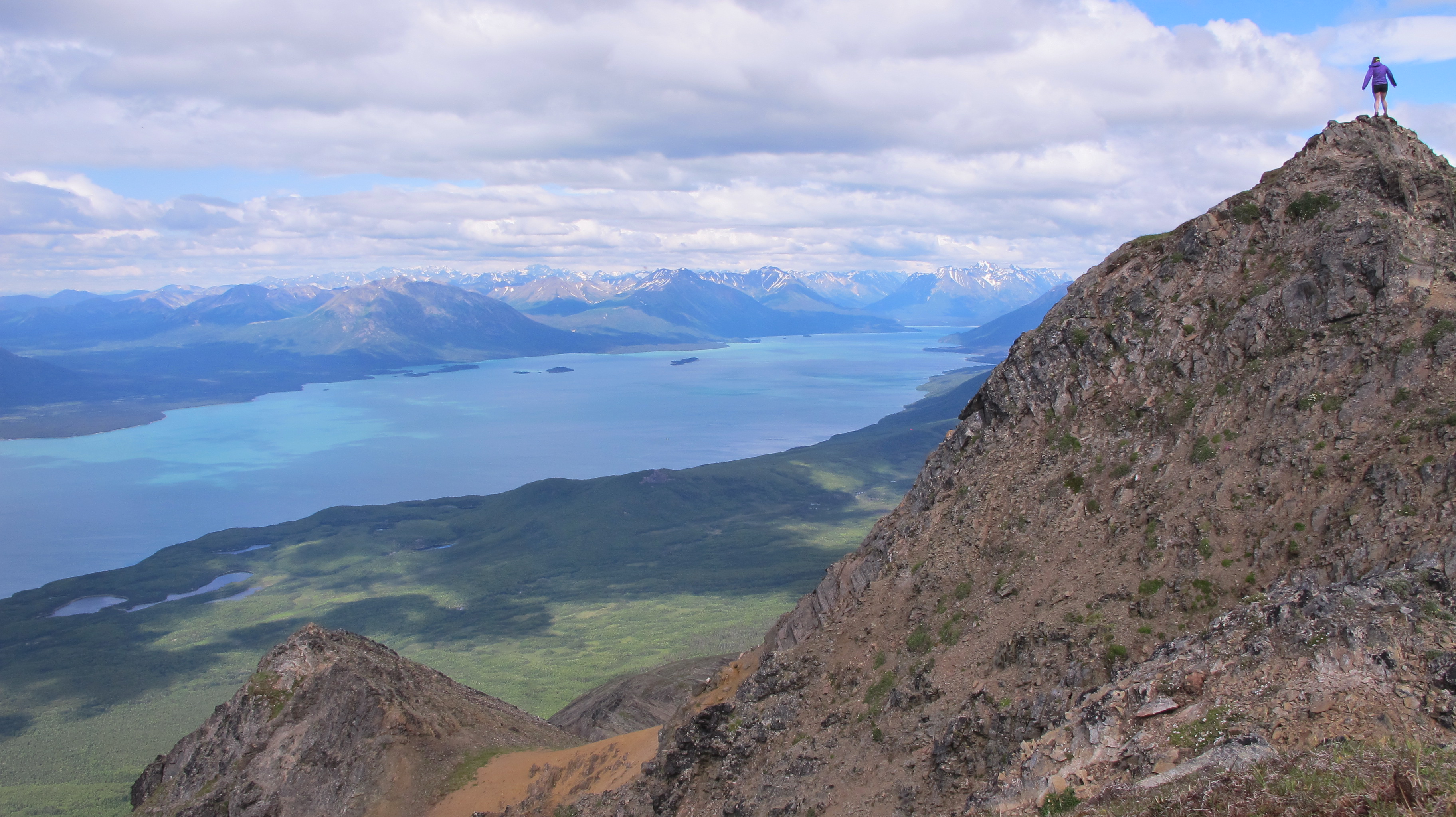
Hike up Tanalian Mountain
Twin Lakes Trail
Portage Valley Trail
Lake Shore Walk
Start early — Lake Clark & Preserve's most popular trailheads fill up by mid-morning in peak season.
Camping
1 campgrounds with 0 total sites. About 100% are first-come, first-served.
Top Activities
Lake Clark & Preserve excels at 10 of 17 activity types — here are the standouts rated 7/10 or higher.
Fishing
10/10World-class salmon, trout, and char fishing; multiple river systems
Wildlife Viewing
10/10Brown bears, moose, caribou, Dall sheep, and marine mammals; exceptional opportunities
Photography
10/10Exceptional opportunities for volcanic, wildlife, and landscape photography
Kayaking Canoeing
9/10Excellent paddling on pristine lakes and rivers; primary transportation method
Bird Watching
9/10Over 150 bird species including bald eagles, ptarmigan, and waterfowl
Hiking
8/1045 miles of trails through alpine terrain with spectacular scenery and wildlife
Backpacking
8/10Remote wilderness backpacking with no maintained campsites; requires self-sufficiency
Stargazing
8/10Good dark skies and potential for aurora viewing in winter months
Rock Climbing
7/10Alpine and technical climbing opportunities; mountaineering experience required
Cross Country Skiing
7/10Winter travel on frozen lakes and snow-covered terrain
Who It's For
Planning Your Trip
Getting There
Nearest city: Anchorage, AK (100 mi). Fly into ANC.
In-Park Services
No gas in park · Lodging available · Cell: none
Gateway Town
Anchorage, AK — full amenities
Featured In ?Rankings based on data-driven scoring across all 62 national parks.
Stories
Gateway Cities
Compare Lake Clark & Preserve
See how Lake Clark & Preserve stacks up against other national parks — crowds, trails, and more.
Compare Lake Clark & PreserveFrequently Asked Questions
When is the best time to visit Lake Clark National Park & Preserve?
The best month to visit Lake Clark & Preserve is June, based on a balance of weather, crowds, and accessibility. Peak visitation is in July. The park has 2 comfortable months for visiting.
How crowded is Lake Clark National Park & Preserve?
Lake Clark & Preserve is relatively uncrowded, with a congestion index of 1/10. The park receives 30,815 visitors annually across 5,656.8 square miles.
How many trails does Lake Clark National Park & Preserve have?
Lake Clark & Preserve has 45 miles of trails across 2 easy, 4 moderate, and 2 strenuous routes. Popular trails include Twin Lakes Trail, Portage Valley Trail, Lake Shore Walk.
Can you camp at Lake Clark National Park & Preserve?
Yes, Lake Clark & Preserve has 1 campground with 0 total sites. Some sites are available first-come, first-served.
Is Lake Clark National Park & Preserve open year-round?
Yes, Lake Clark & Preserve is open year-round, though some roads and facilities may close seasonally. The park's climate is classified as subarctic_maritime.