Cinder Cone Trail
What to Expect
Safety Advisory
The entire cone is fully exposed with no shade or wind shelter. On summer afternoons, surface temperatures on the dark cinder can exceed what the air temperature suggests — carry more water than you think you need and watch for signs of heat exhaustion.
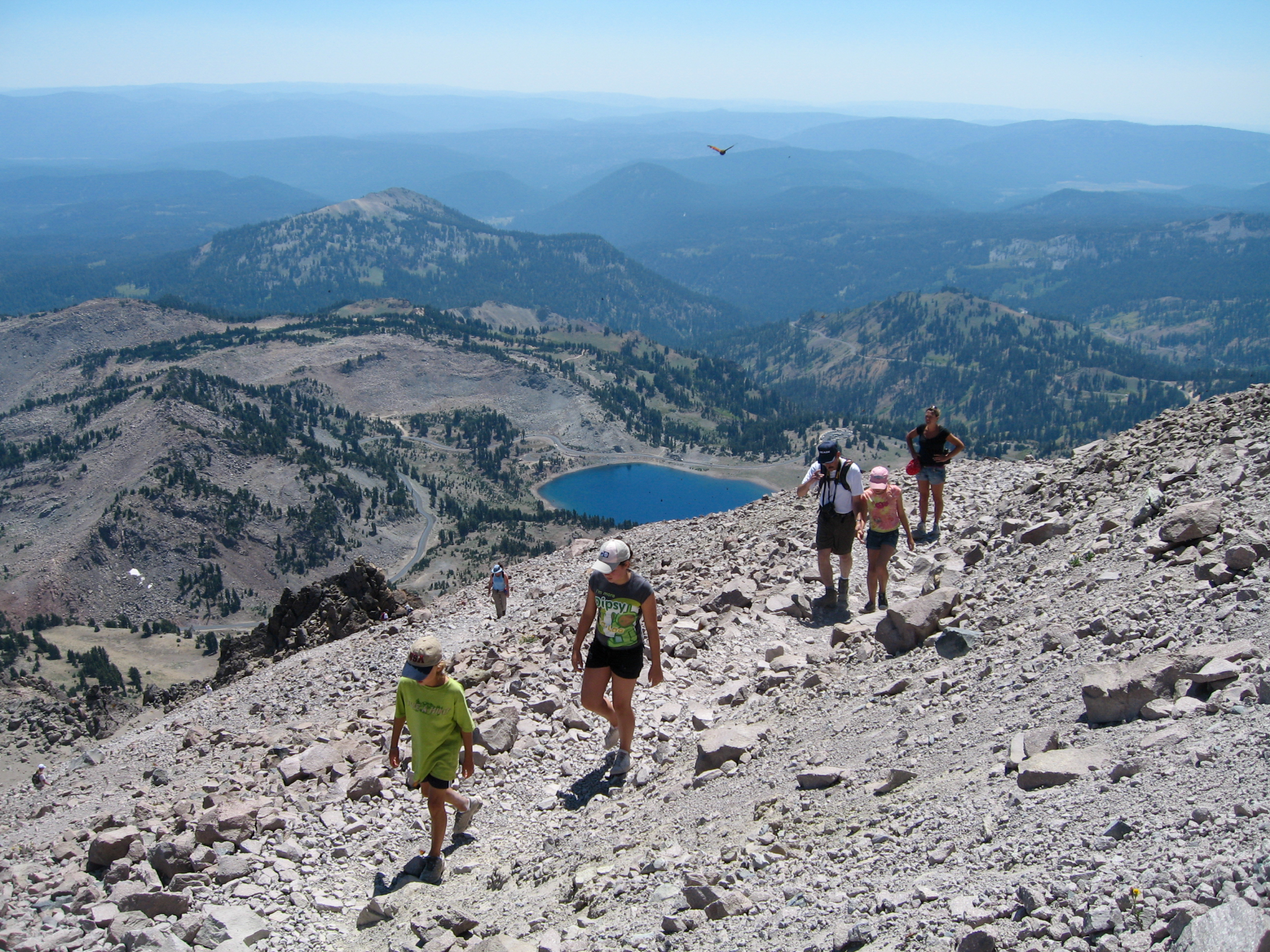
The descent is steeper than it looks, and the loose cinder makes footing unpredictable. Trekking poles help significantly, and take your time rather than trying to surf the scree.
Trail Details
Pro Tips
Start before 9 AM to beat the exposed afternoon heat — there's zero shade on the cone itself, and the dark cinder absorbs and radiates heat like a parking lot in August.
Wear boots with ankle support, not trail runners. The loose cinder is like hiking in deep gravel, and low-cut shoes will fill with sharp volcanic pebbles within minutes.
Once you reach the rim, walk the full crater loop counterclockwise — the best Painted Dunes viewpoint is on the far side, and most hikers miss it by turning back at the first overlook.