Crags Lake
What to Expect
Safety Advisory
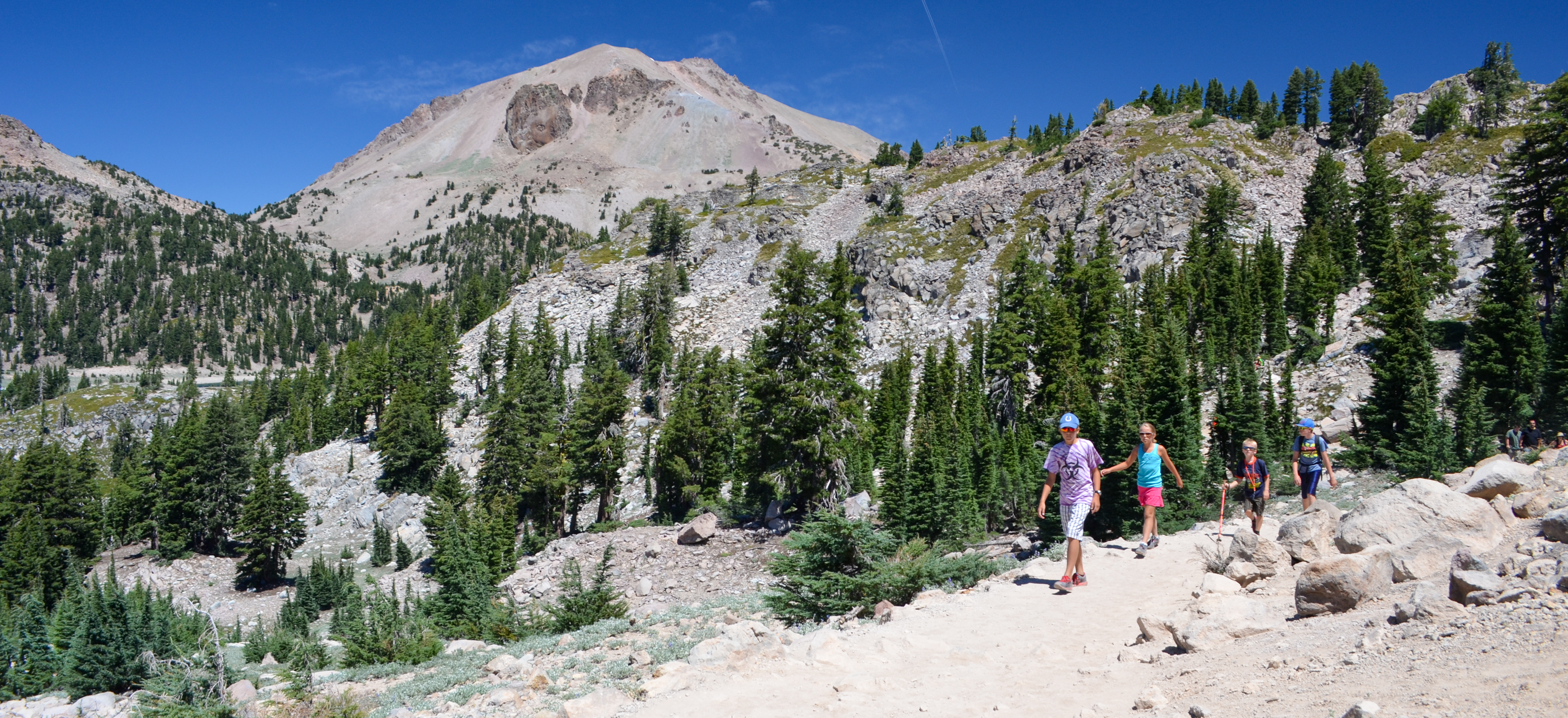
There is virtually no shade for most of the route. In midsummer, surface temperatures on the volcanic rock can exceed air temperature significantly — wear sun protection, carry more water than you think you need, and watch for early signs of heat exhaustion.
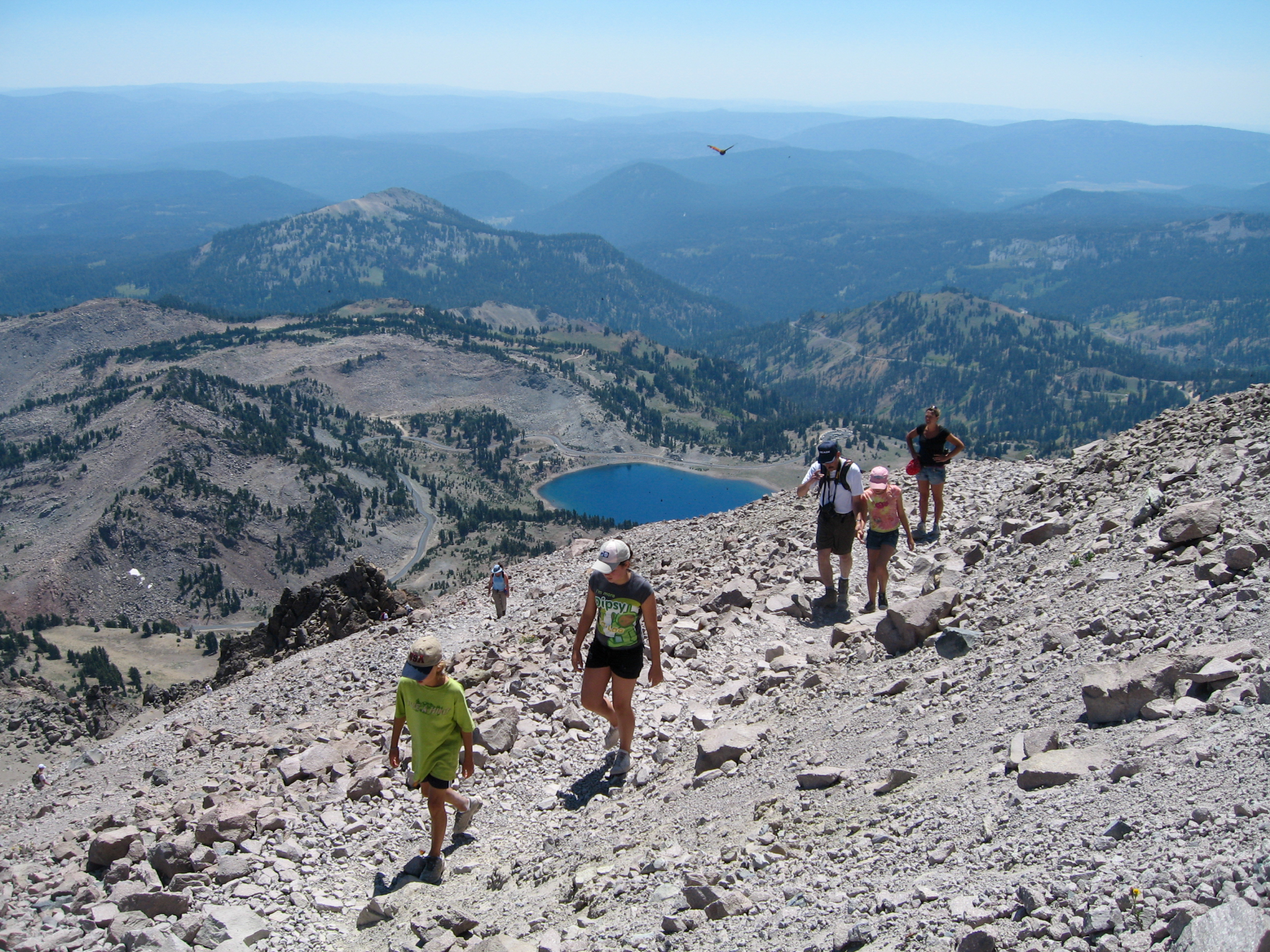
The loose pumice and volcanic scree create unstable footing, particularly on steeper sections. Rolled ankles are the most common injury here — sturdy footwear with ankle support beats trail runners on this terrain.
Trail Details
Pro Tips
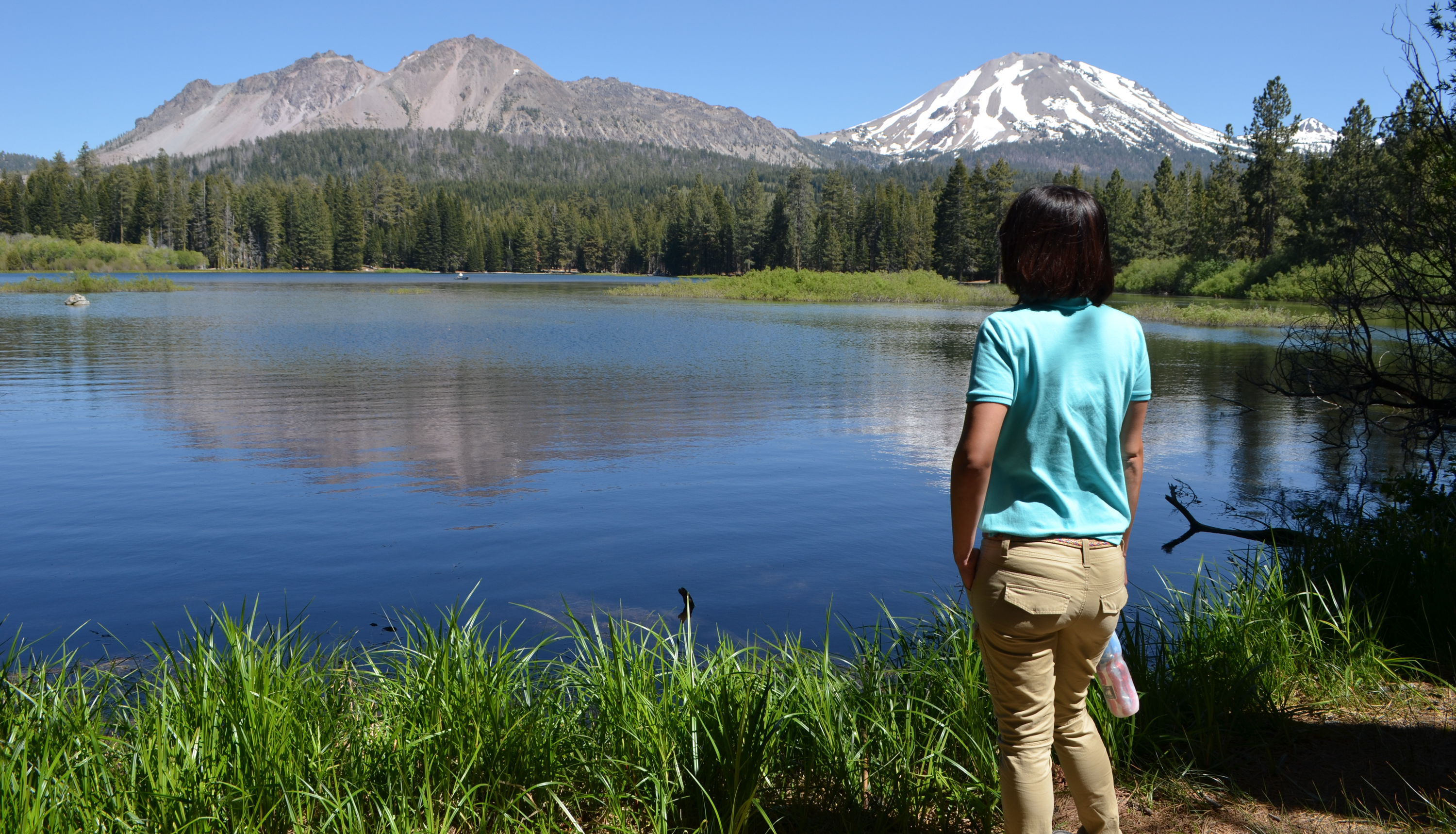
Start before 9 AM in summer — the trail's sun exposure turns it into a convection oven by midday, and the lake photographs best under soft morning light when the cliffs cast long shadows across the water.
Bring trekking poles even if you normally skip them. The volcanic rock and pumice underfoot is deceptively loose, especially on the descent when tired legs meet gravelly switchbacks.
The shoreline on the far side of Crags Lake, away from where the trail arrives, offers the best lunch spot — fewer people, better cliff reflections, and flat rocks perfect for spreading out.