Overview
The most glaciated peak in the Lower 48 delivers exactly what you'd expect: waterfalls born from 25 named glaciers, subalpine meadows that peak in late July, and a volcanic summit visible from Seattle 73 miles away. With 1.6M annual visitors and a 5.2/10 congestion index, you'll share Paradise's wildflower trails with crowds—but sunrise at 6,400-foot Sunrise Point thins the pack considerably. The mountain creates its own weather, so that 14,410-foot icon disappears behind clouds more often than it reveals itself.
Skip Paradise's 9am-4pm zoo and drive to Sunrise by 7am instead. The eastern approach gets 45% less traffic, sits 2,000 feet higher for better views, and puts you on the Burroughs Mountain Trail before the afternoon clouds roll in. Bonus: wildflowers bloom two weeks later here than Paradise, extending peak season into early August.
When to Go
The sweet spot is June — good weather meets manageable crowds. Peak season hits in July.
Peak wildflower month as snowmelt unlocks Paradise meadows. All roads open. Crowds surge but stay manageable.
Monthly crowd levels — click a month for details
Seasonal Closures
Panorama Point Road (Paradise area): Typically closed November through April due to heavy snow
Mowich Lake Road: Typically closed October through April
White River Road: Typically closed November through April
How Busy Is It?
How Mount Rainier compares to all 62 national parks
Busier than 50% of national parks
Above AverageMore crowded trails than 39% of parks
ModerateHigher campsite pressure than 53% of parks
Above AverageNotable Trails
Mount Rainier has more trail mileage than 82% of national parks, with 240 miles across 100 maintained trails.
The difficulty split leans moderate to strenuous — only 25% of trails are rated easy.
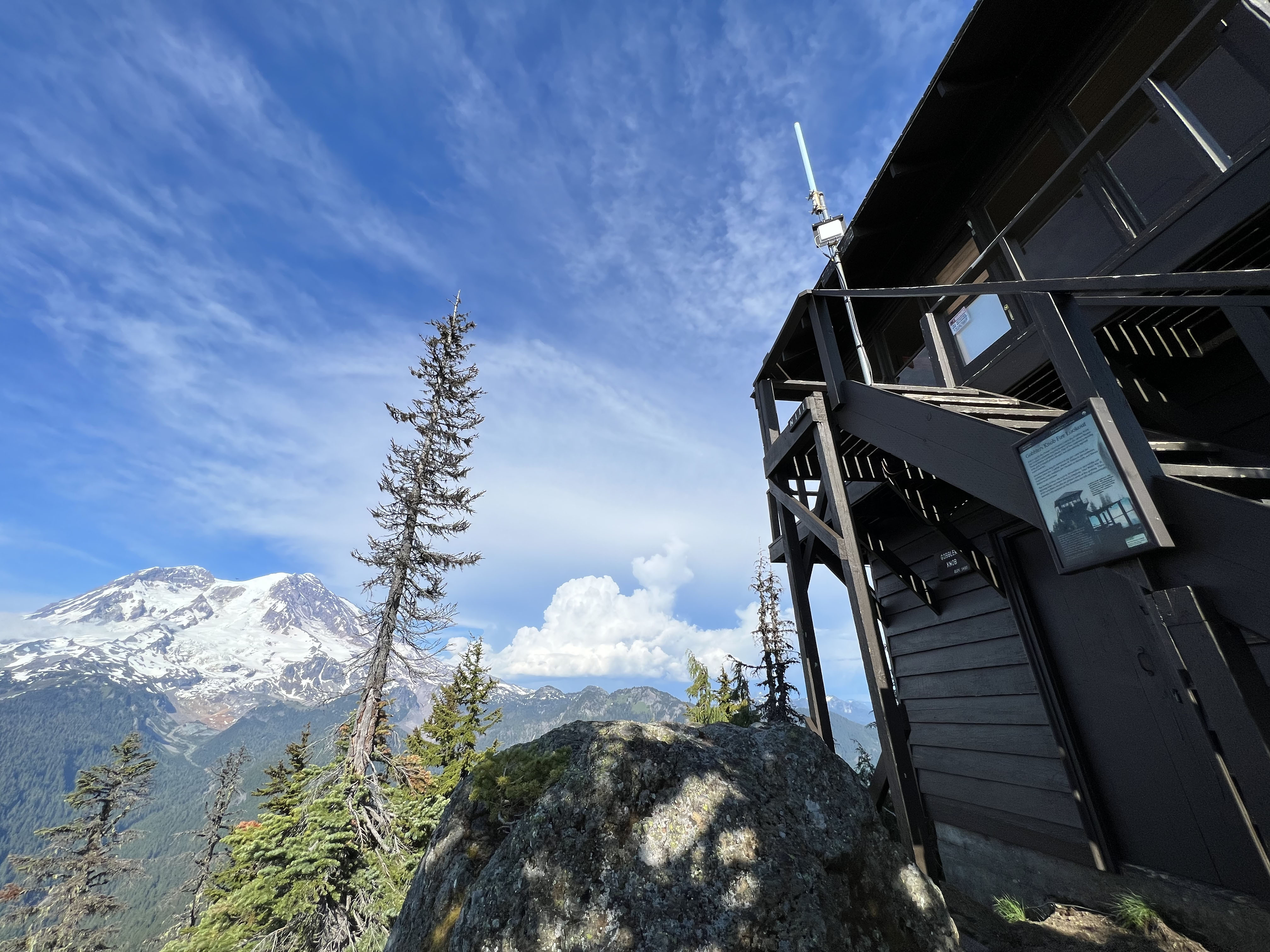
Hike to Gobblers Knob Fire Lookout
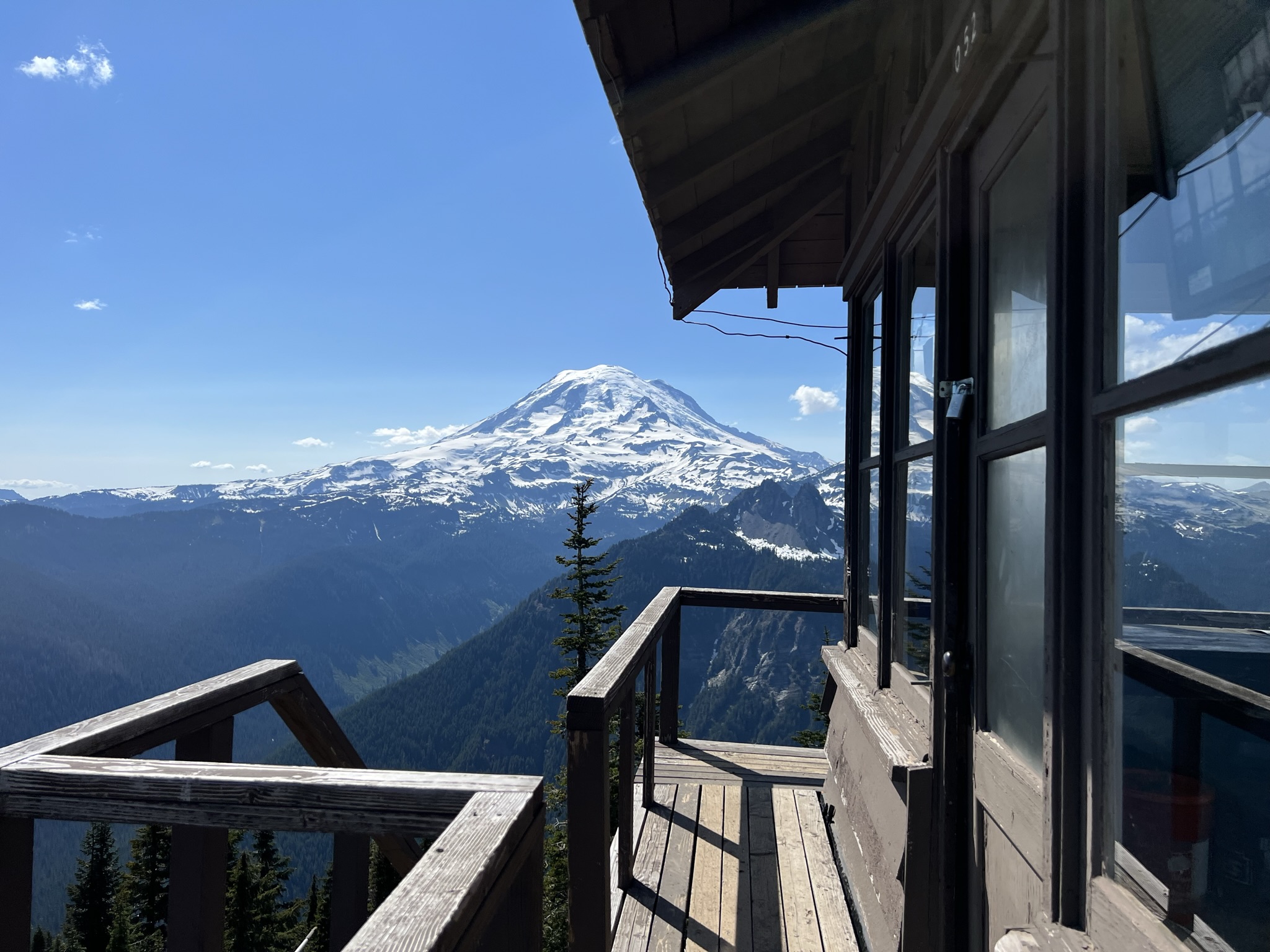
Hike to Shriner Peak Fire Lookout
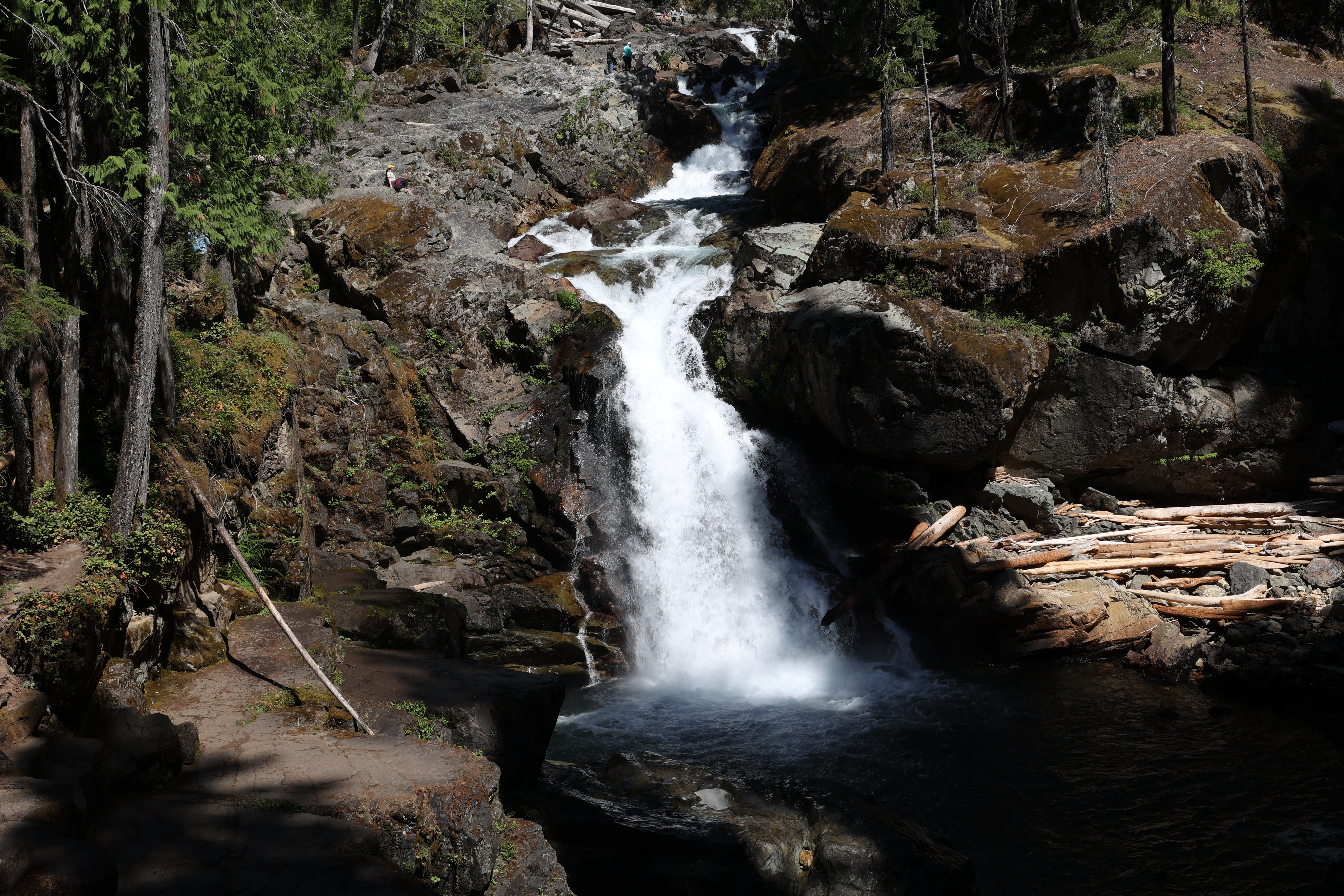
Hike to Silver Falls
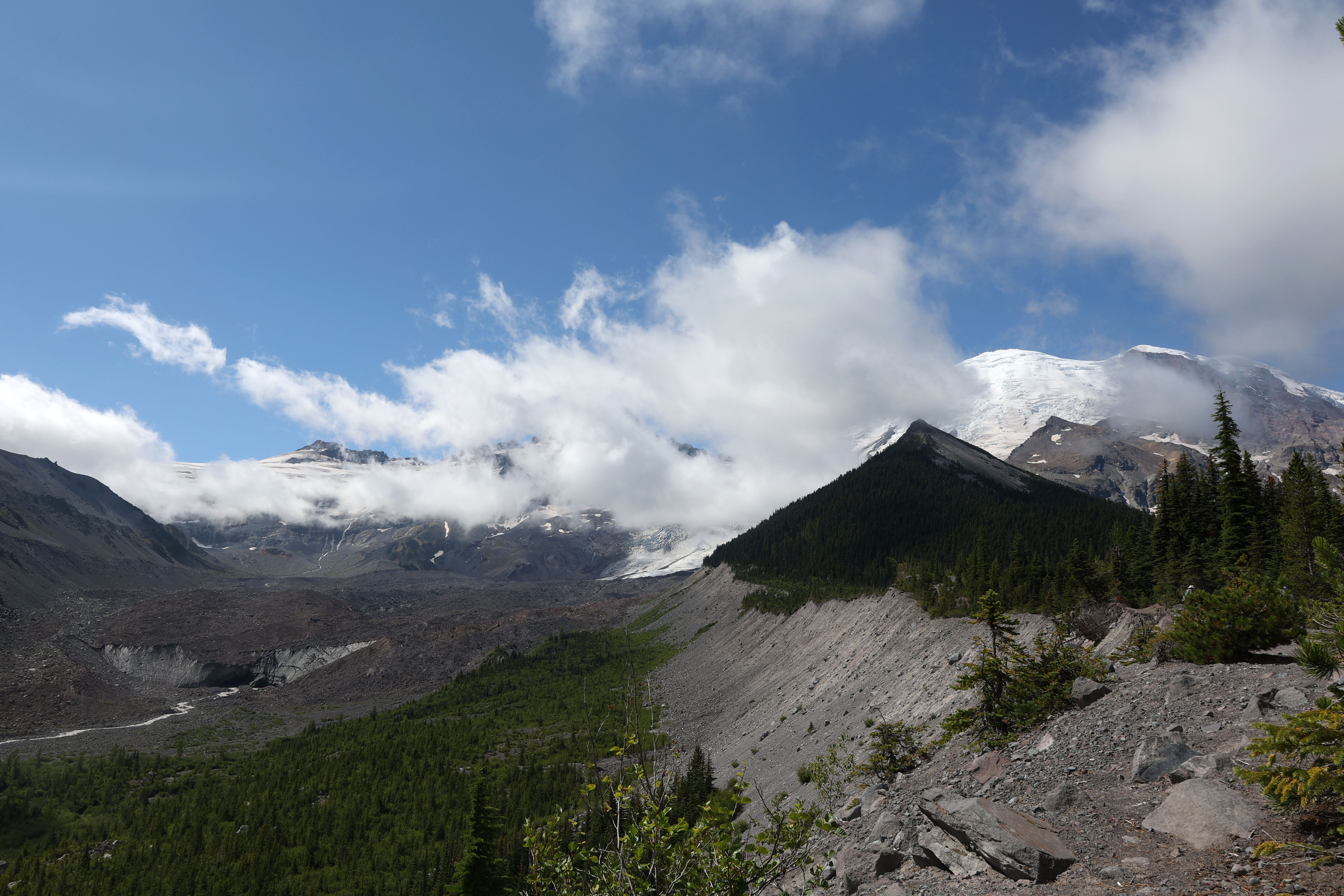
Hike Emmons Moraine Trail
Start early — Mount Rainier's most popular trailheads fill up by mid-morning in peak season.
Camping
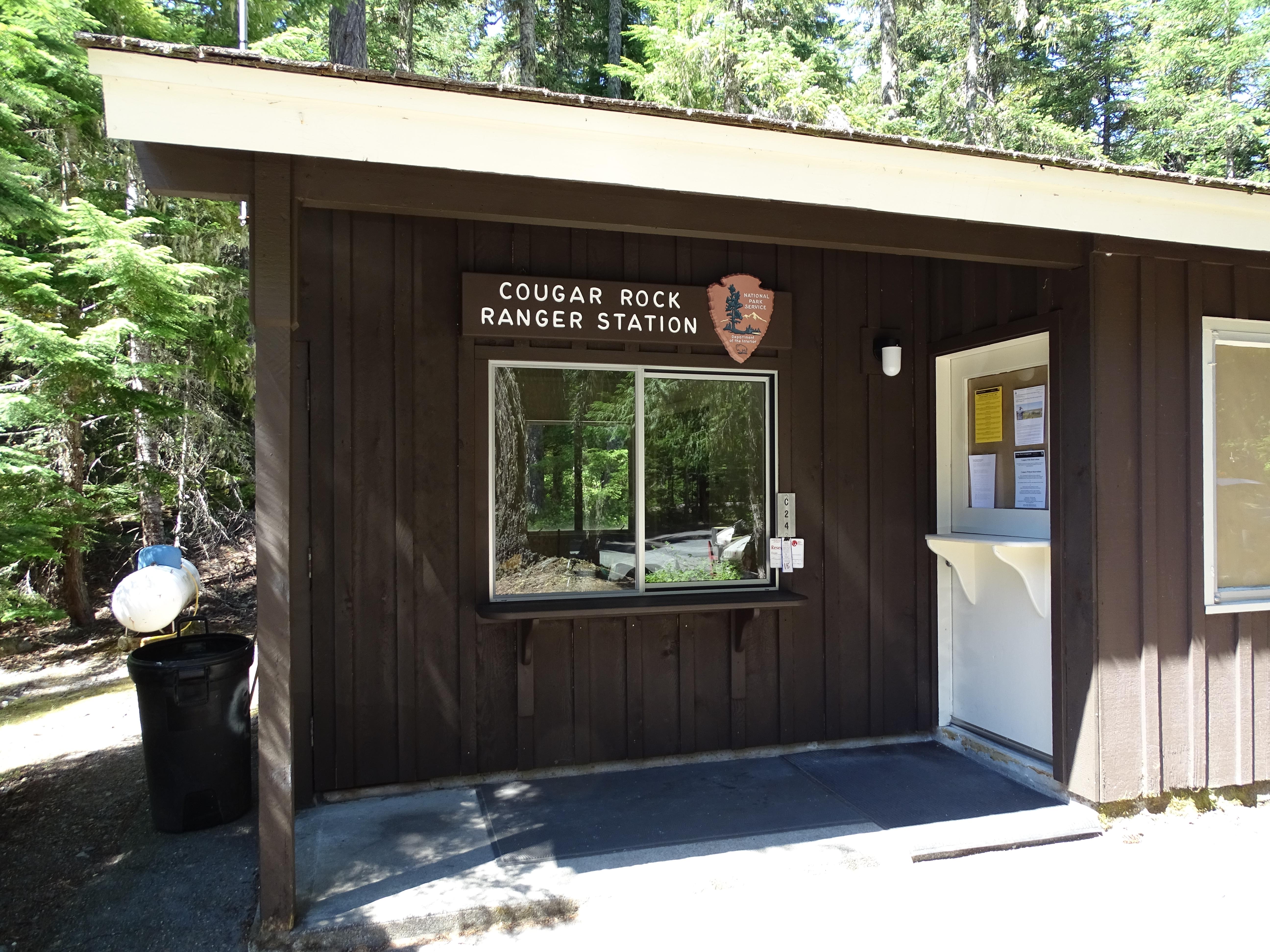
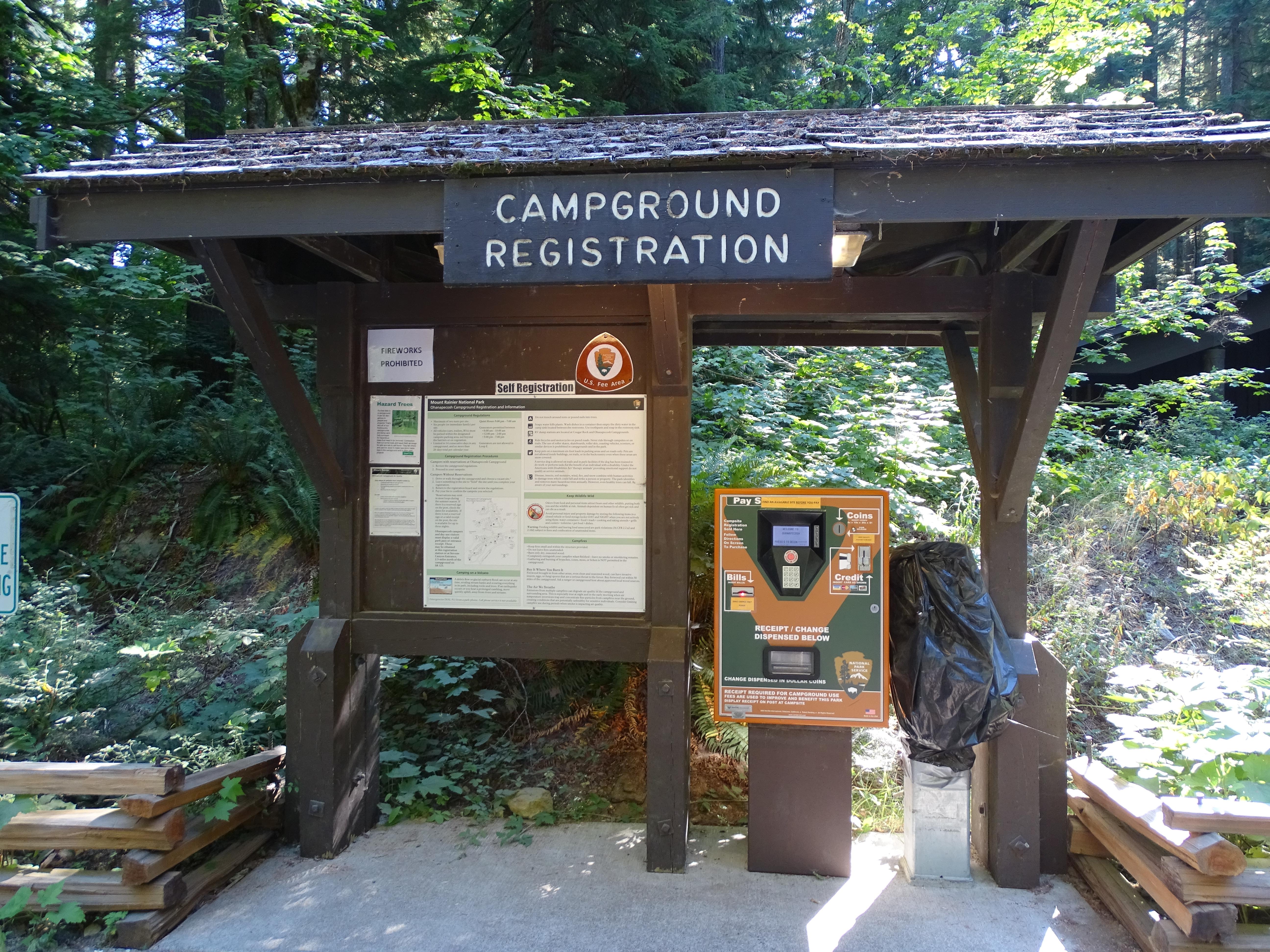
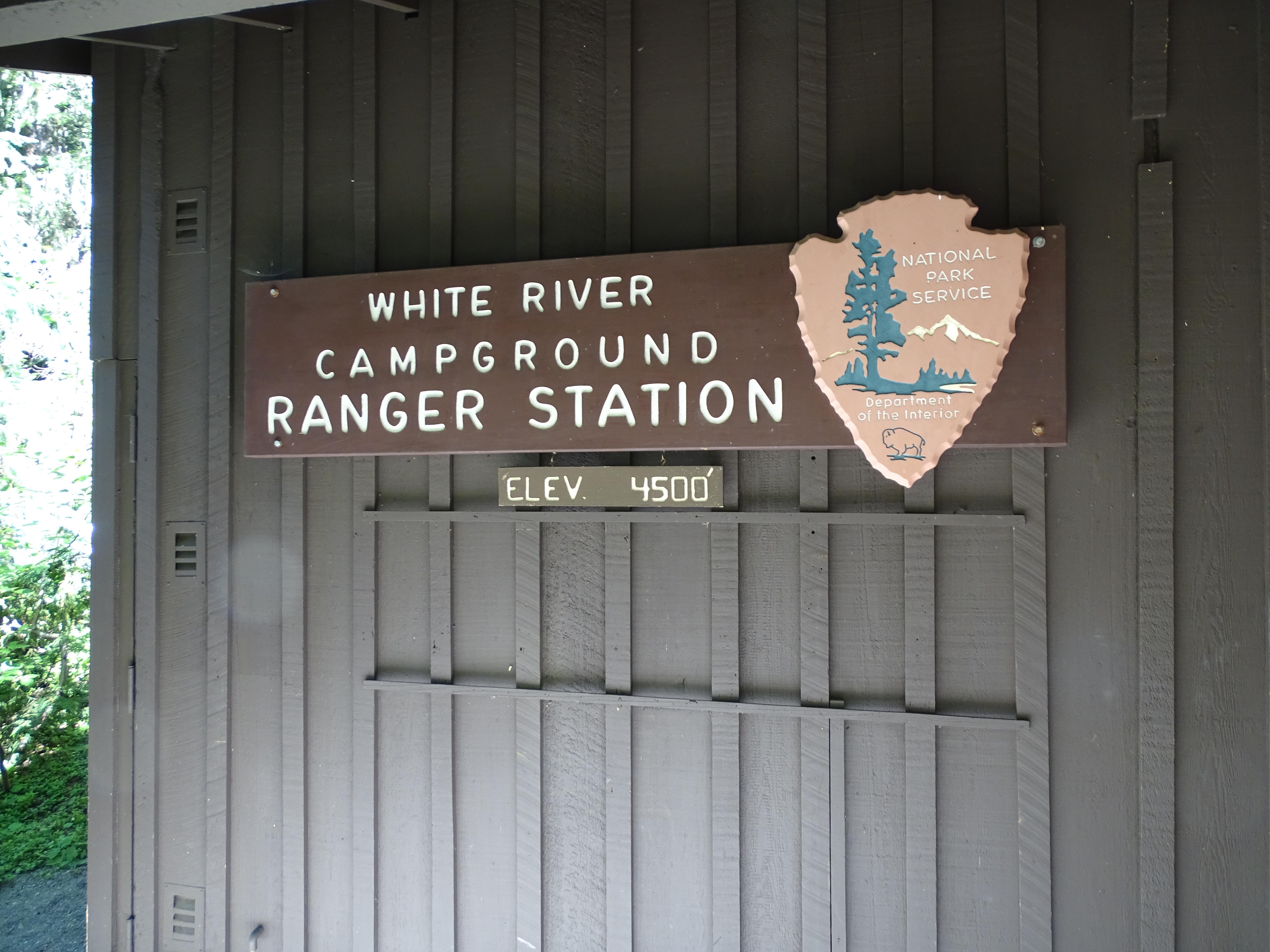
3 campgrounds with 446 total sites. About 33% are first-come, first-served.
Top Activities
Mount Rainier excels at 11 of 17 activity types — here are the standouts rated 7/10 or higher.
Photography
10/10Mount Rainier is one of the most photographed mountains in North America
Hiking
9/10240 miles of trails ranging from easy meadow walks to challenging alpine routes
Rock Climbing
9/10Mount Rainier is a premier mountaineering destination with multiple climbing routes
Scenic Driving
9/10Paradise Road, Sunrise Road, Mowich Lake Road all offer stunning views
Backpacking
8/10Backcountry permits required; numerous wilderness campsites available
Wildlife Viewing
8/10Mountain goats, marmots, pikas, deer, and occasionally black bears and cougars
Snowshoeing
8/10Paradise area is a snowshoeing paradise during winter months
Ranger Programs
8/10Ranger-led walks, evening programs, and visitor center talks
Bird Watching
7/10Alpine birds including ptarmigans, jays, and various songbirds
Stargazing
7/10Good dark skies at higher elevations; some light pollution from nearby cities
Cross Country Skiing
7/10Paradise area offers excellent winter opportunities with heavy snow
Who It's For
Planning Your Trip
Getting There
Nearest city: Seattle, WA (73 mi). Fly into SEA.
In-Park Services
No gas in park · No lodging in park · Cell: limited
Gateway Town
Ashford, WA — full amenities
Featured In ?Rankings based on data-driven scoring across all 62 national parks.
Stories
Gateway Cities
Road Trips
Mount Rainier is a stop on this road trip:
Compare Mount Rainier
See how Mount Rainier stacks up against other national parks — crowds, trails, and more.
Compare Mount RainierFrequently Asked Questions
When is the best time to visit Mount Rainier National Park?
The best month to visit Mount Rainier is June, based on a balance of weather, crowds, and accessibility. Peak visitation is in July. The park has 4 comfortable months for visiting.
How crowded is Mount Rainier National Park?
Mount Rainier is crowded, with a congestion index of 5.2/10. The park receives 1.6M visitors annually across 368.3 square miles.
How many trails does Mount Rainier National Park have?
Mount Rainier has 240 miles of trails across 25 easy, 50 moderate, and 25 strenuous routes. Popular trails include Skyline Trail Loop, Trail of the Shadows, Emmons Vista Trail.
Can you camp at Mount Rainier National Park?
Yes, Mount Rainier has 3 campgrounds with 446 total sites. Some sites are available first-come, first-served.
Is Mount Rainier National Park open year-round?
Yes, Mount Rainier is open year-round, though some roads and facilities may close seasonally. The park's climate is classified as alpine_subalpine_forest.