Mount Rainier National Park

Hike to Shriner Peak Fire Lookout

strenuous Summit BaggersExperienced HikersPhotographers
8 mi Distance
3,434 ft Elevation Gain
5-6 hours Estimated Time
roundtrip Trail Type

What to Expect

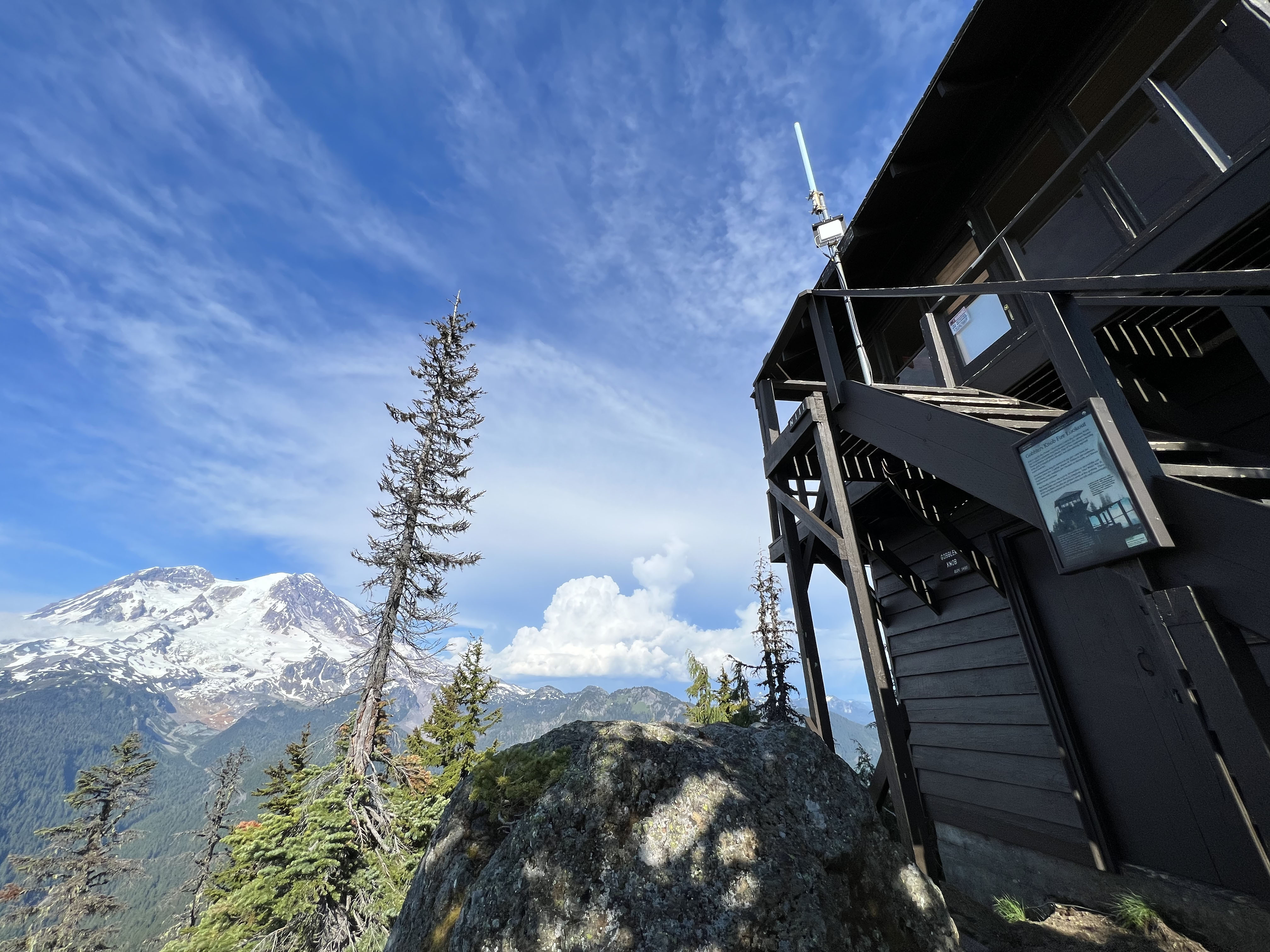
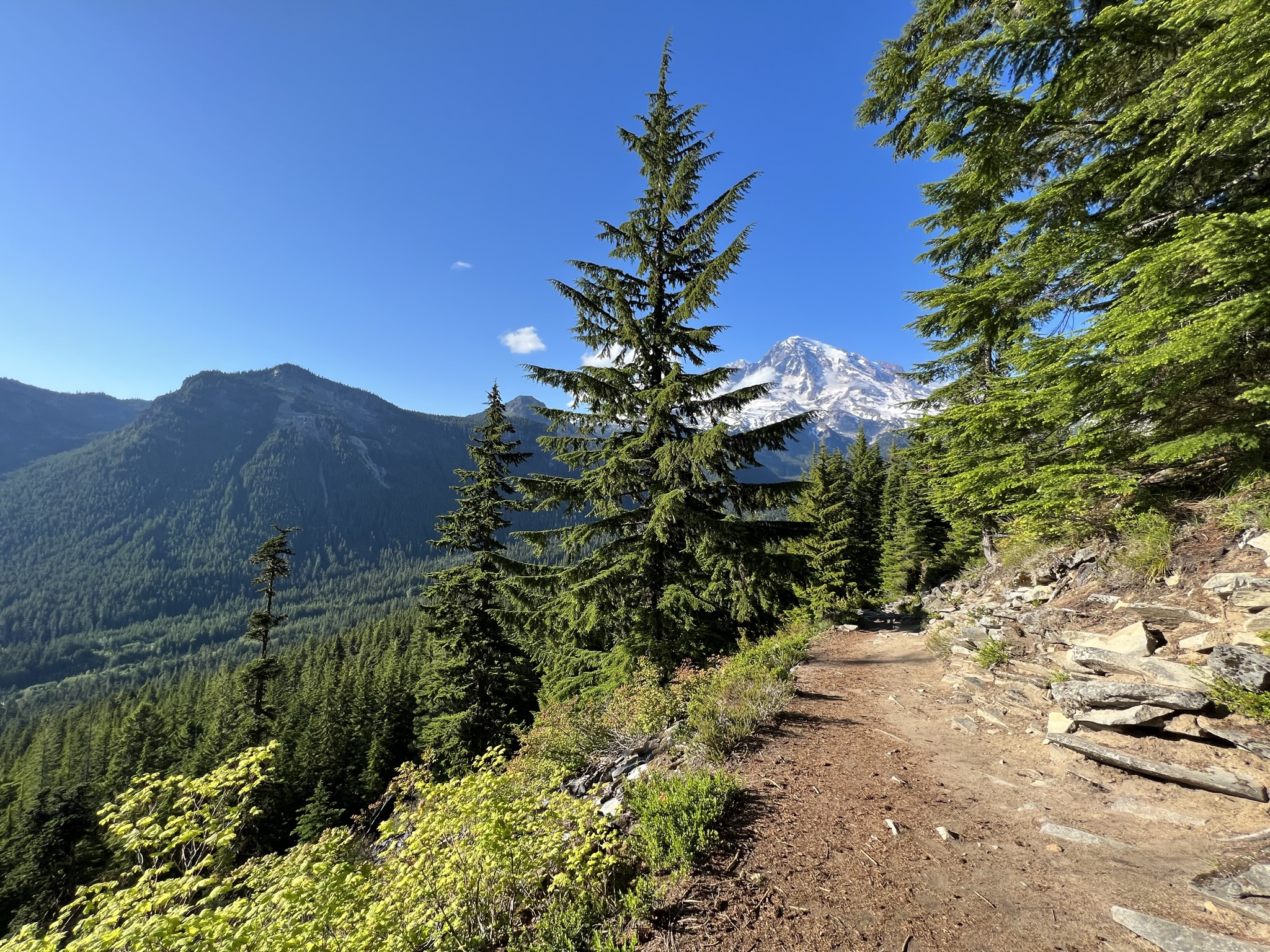
This trail doesn't believe in warm-ups. From the moment you leave the trailhead off SR 123, you're climbing through dense forest on a relentless grade that gains over 3,400 feet across four miles — the kind of sustained push that separates casual day-hikers from the committed. The first couple miles wind through old-growth timber with limited views, testing your patience. Around the halfway mark, the canopy opens and Mount Rainier's east face appears like a reward for your suffering. The final stretch crosses fire-exposed meadows splashed with wildflowers in summer and wild strawberries if you're lucky. The historic fire lookout at the summit delivers a 360-degree panorama of Rainier, the Ohanapecosh Valley, and the Cascade Range that makes every vertical foot worth it. This one's for hikers who earn their views.
Summit BaggersExperienced HikersPhotographersSolitude SeekersFire Lookout Fans

Safety Advisory

The upper trail crosses exposed ridgeline with no tree cover — turn back immediately if thunderstorms are building. Lightning on an open summit with a metal fire lookout is exactly as dangerous as it sounds.

Snow can linger on the upper switchbacks well into July. Without microspikes or an ice axe, the steep traverse becomes genuinely hazardous when snow-covered trail masks the edge of drop-offs.

Trail Details

Distance 8 miles round-trip
Elevation Gain 3,434 ft
Difficulty strenuous
Estimated Time 5-6 hours
Trail Type roundtrip
Pets Not allowed
Season <p>The road to access Shriner Peak Trailhead, SR 123, closes in the winter from the north via SR 410 at Chinook Pass to the south at the junction of SR 123 and Stevens Canyon Road.</p>
Trailhead Hike to Shriner Peak Fire Lookout

Pro Tips

Trail Tip

Start early — the trail is south-facing and fully exposed in the upper half, which means brutal afternoon sun in July and August. A 7 AM start lets you summit before the heat peaks and before afternoon clouds obscure Rainier.

Trail Tip

There's no reliable water source on the trail, so carry at least three liters per person. The climb is steep enough that you'll drain bottles faster than you expect, especially on warm days.

Trail Tip

The backcountry campsites near the summit are first-come, first-served and rarely crowded — if you carry overnight gear, a sunset-to-sunrise session at the lookout is one of Rainier's most underrated experiences. Fall foliage in late September turns the meadows gold and you'll likely have the peak to yourself.

Photos

Getting There

More Trails in Mount Rainier

Explore Mount Rainier National Park

3 campgrounds, 100 trails, 1.6M annual visitors

View Park Guide