Spray Park
What to Expect
Safety Advisory
Snow lingers on the upper meadows well into August in heavy snow years, obscuring the trail and creating slippery traverses on steep slopes. Microspikes and trekking poles are smart insurance if you're hiking before mid-August.
The trail is fully exposed above treeline with no shelter — afternoon thunderstorms roll in fast on Rainier's west side. Turn around if you see dark clouds building, and avoid the high meadows during lightning.
Trail Details
Pro Tips
The Mowich Lake Road (SR 165) is unpaved, potholed, and usually doesn't open until mid-July — check the NPS road status page before driving out, because there's no cell service to course-correct once you're committed.
Carry more water than you think you need. The meltwater streams along the route are seasonal and can dry up by late August; a filter and a backup liter will save you on warm days.
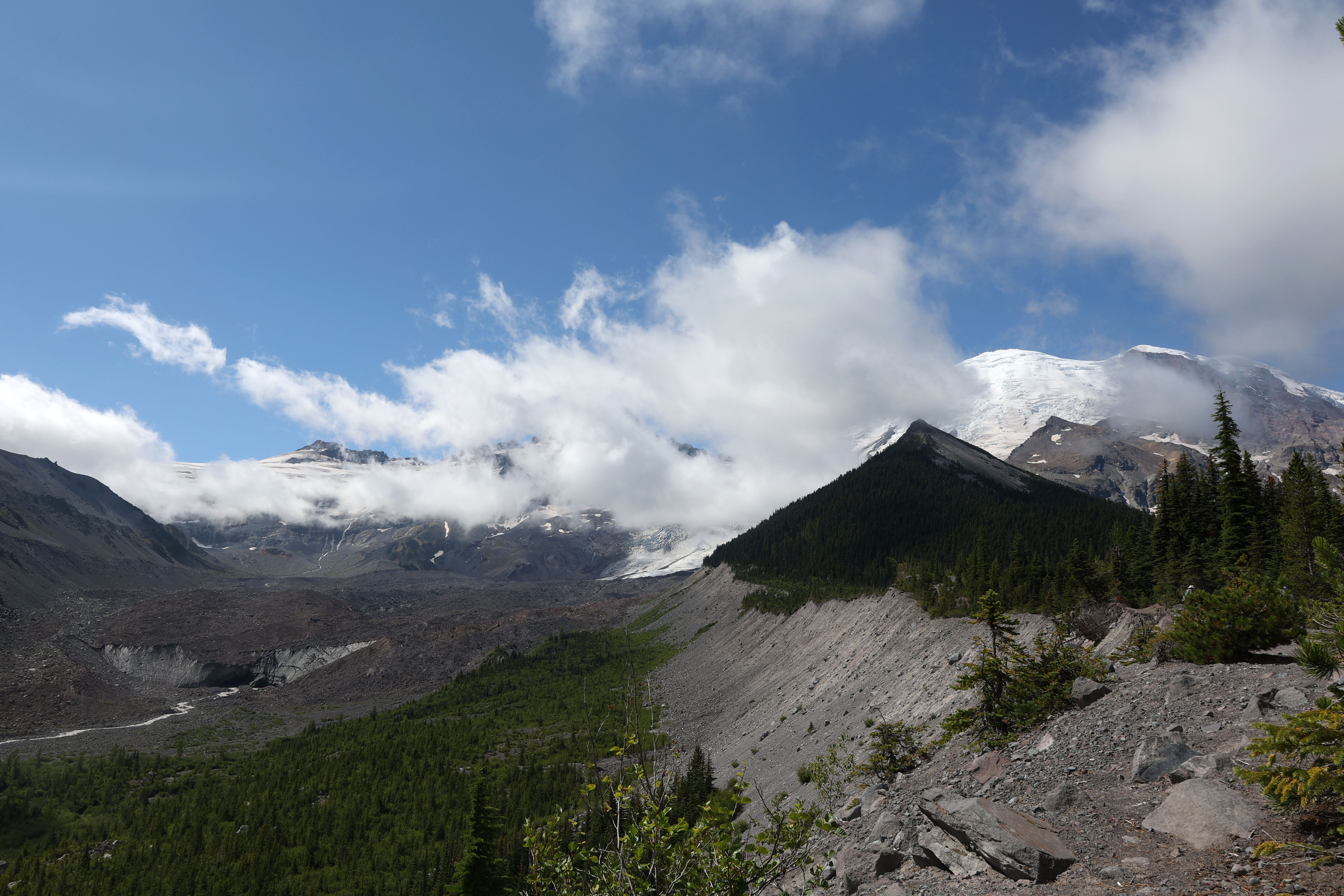
For the best wildflower display, time your visit for the last week of July through the first two weeks of August. Hit the trail by 8 AM to catch soft morning light on the meadows with Rainier as your backdrop — photographers will want to linger at the upper spray fields where the mountain fills the entire frame.
More Trails in Mount Rainier
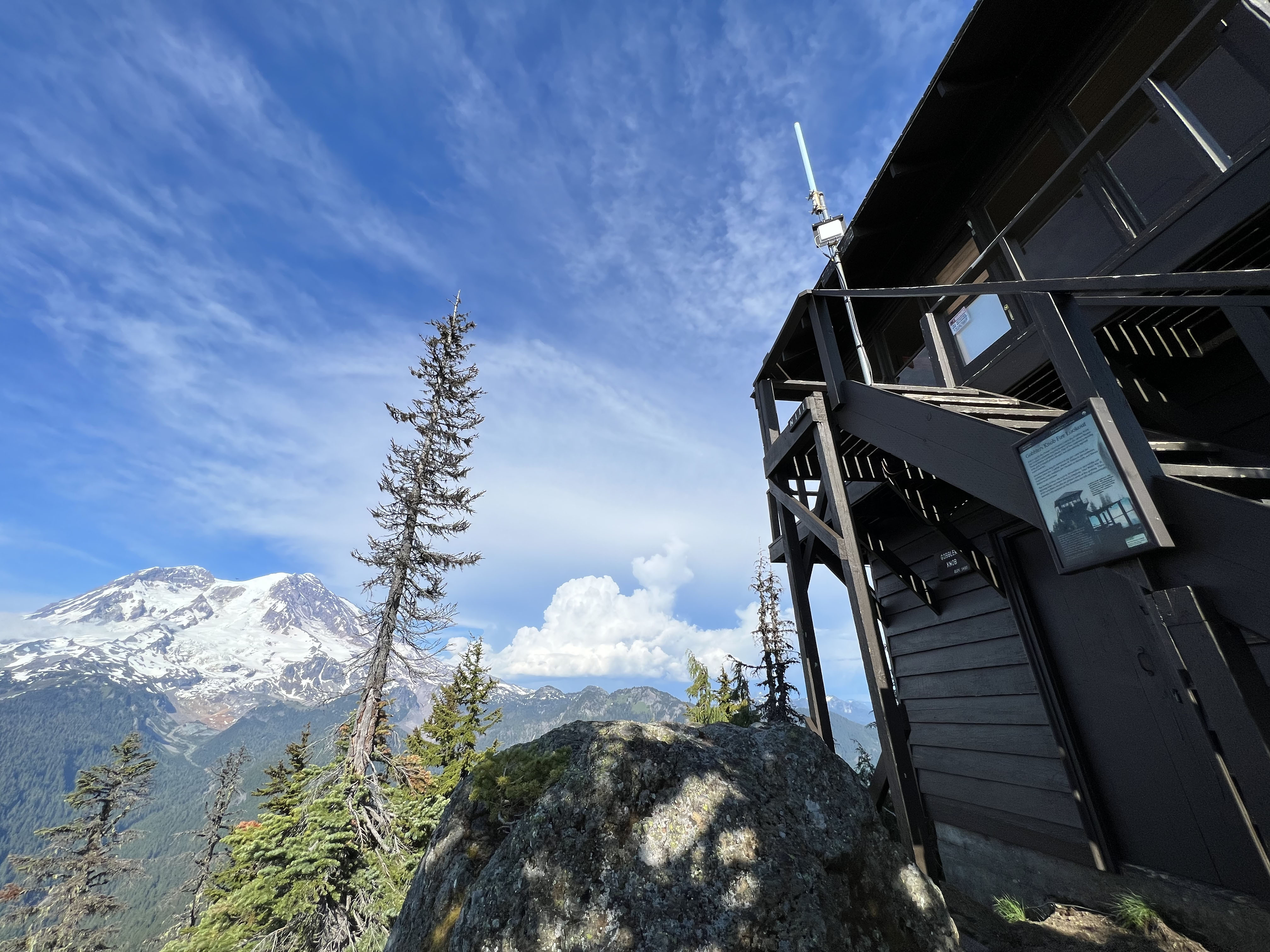
Hike to Gobblers Knob Fire Lookout
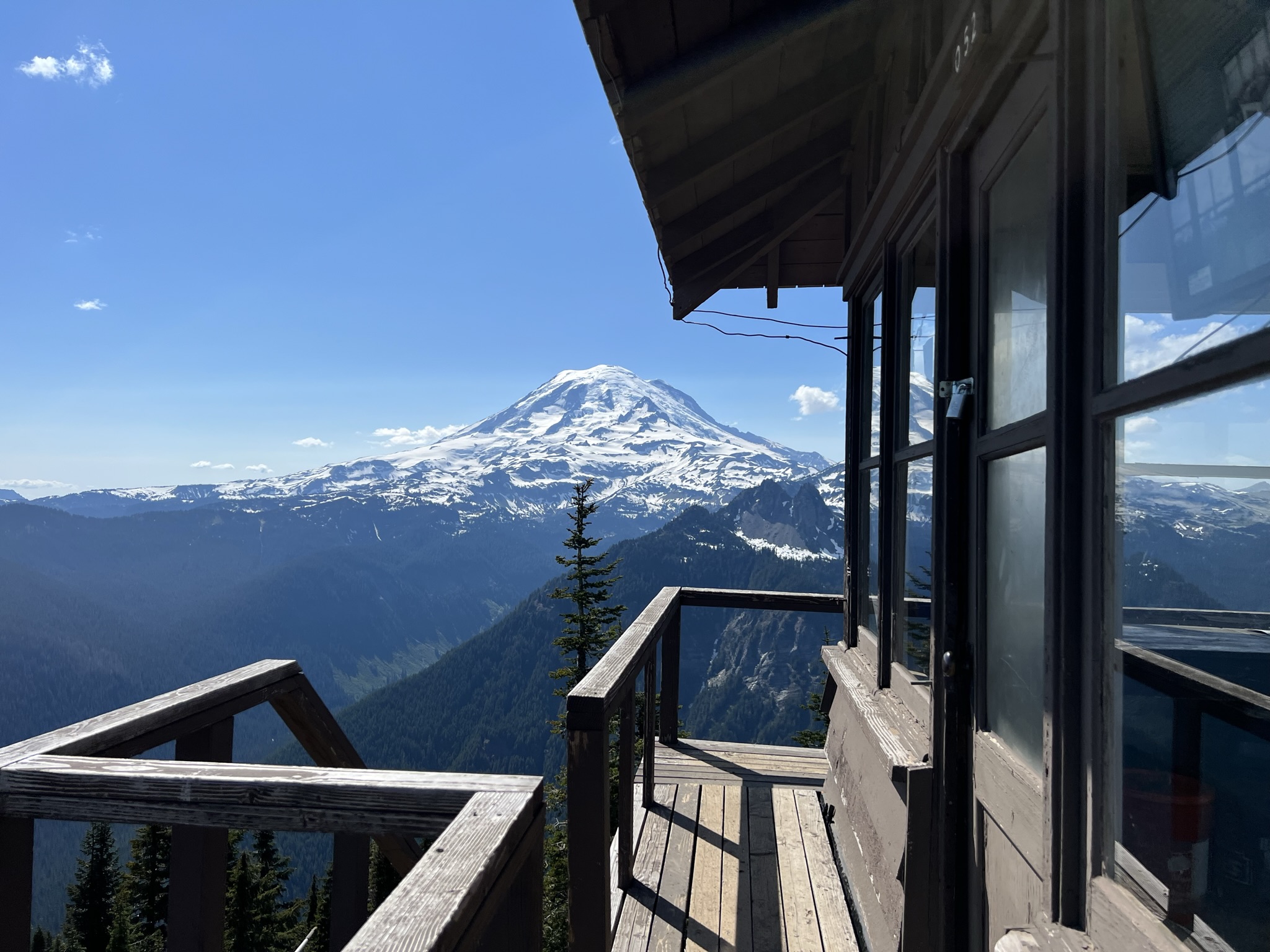
Hike to Shriner Peak Fire Lookout
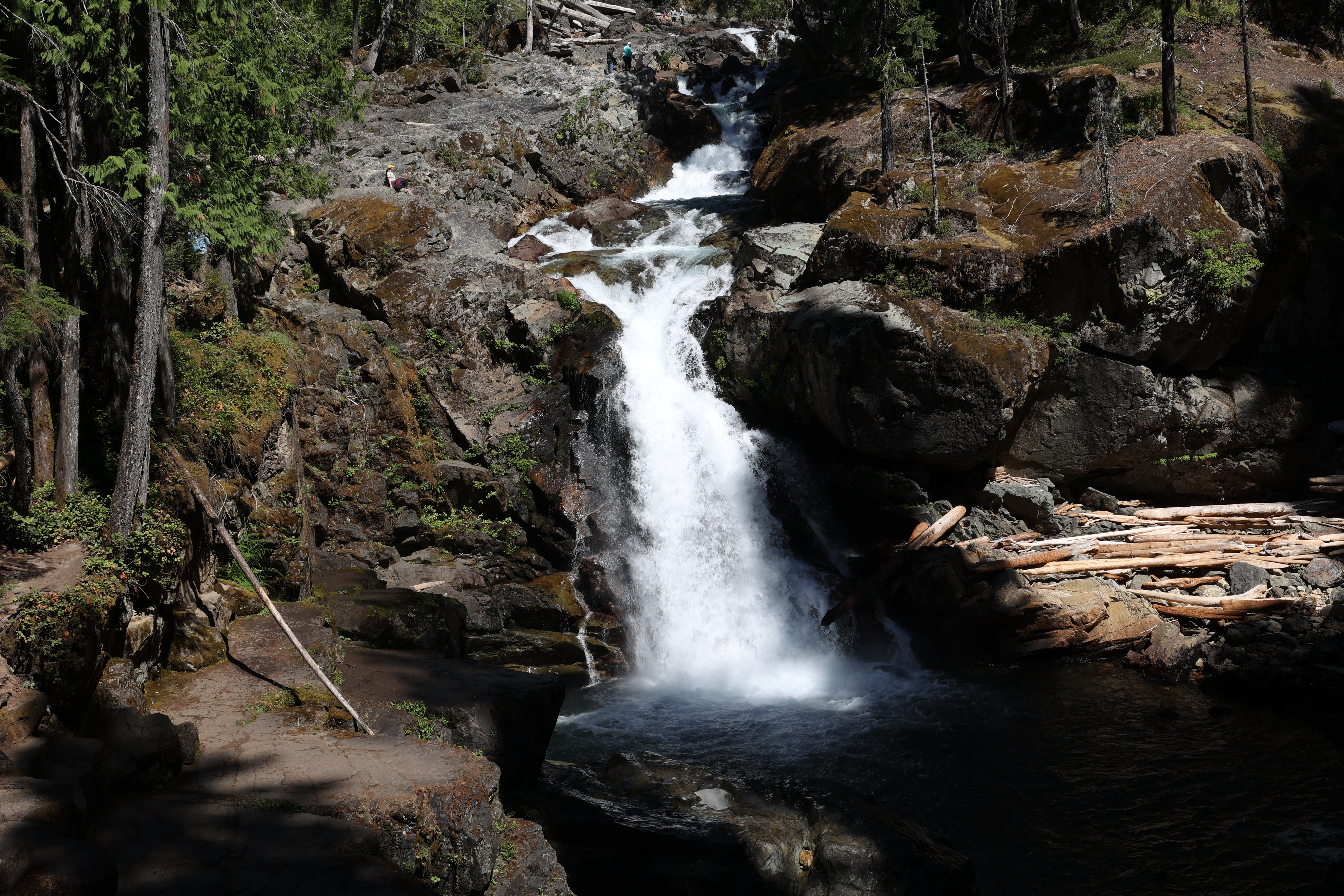
Hike to Silver Falls