National Park of American Samoa
Updated
Overview
The only national park south of the equator, American Samoa protects 21 square miles of pristine rainforest, volcanic peaks, and some of the Pacific's healthiest coral reefs. With just 22,567 annual visitors, you'll have iconic Ofu Beach—often called the most beautiful beach in America—practically to yourself. The catch: getting here requires a 10-hour flight from Hawaii to Pago Pago, plus inter-island flights or boats, and there's no park entrance (you explore through village homestays and local guides).
Book a homestay in Ofu village during the April dry season. Wake at 5:30 AM and walk Ofu Beach before the single daily inter-island flight arrives—you'll witness sunrise over the lagoon with sea turtles surfacing in glass-calm water, completely alone.
When to Go
The sweet spot is February — good weather meets manageable crowds. Peak season hits in April.
The driest stretch of the year. Ideal for snorkeling Ofu's reefs and hiking Mount Lata before humidity peaks in spring.
Monthly crowd levels — click a month for details
How Busy Is It?
How National Park of American Samoa compares to all 62 national parks
Busier than 10% of national parks
Below AverageMore crowded trails than 8% of parks
Below AverageNotable Trails
National Park of American Samoa has more trail mileage than 13% of national parks, with 28 miles across 12 maintained trails.
The difficulty split leans moderate to strenuous — only 33% of trails are rated easy.
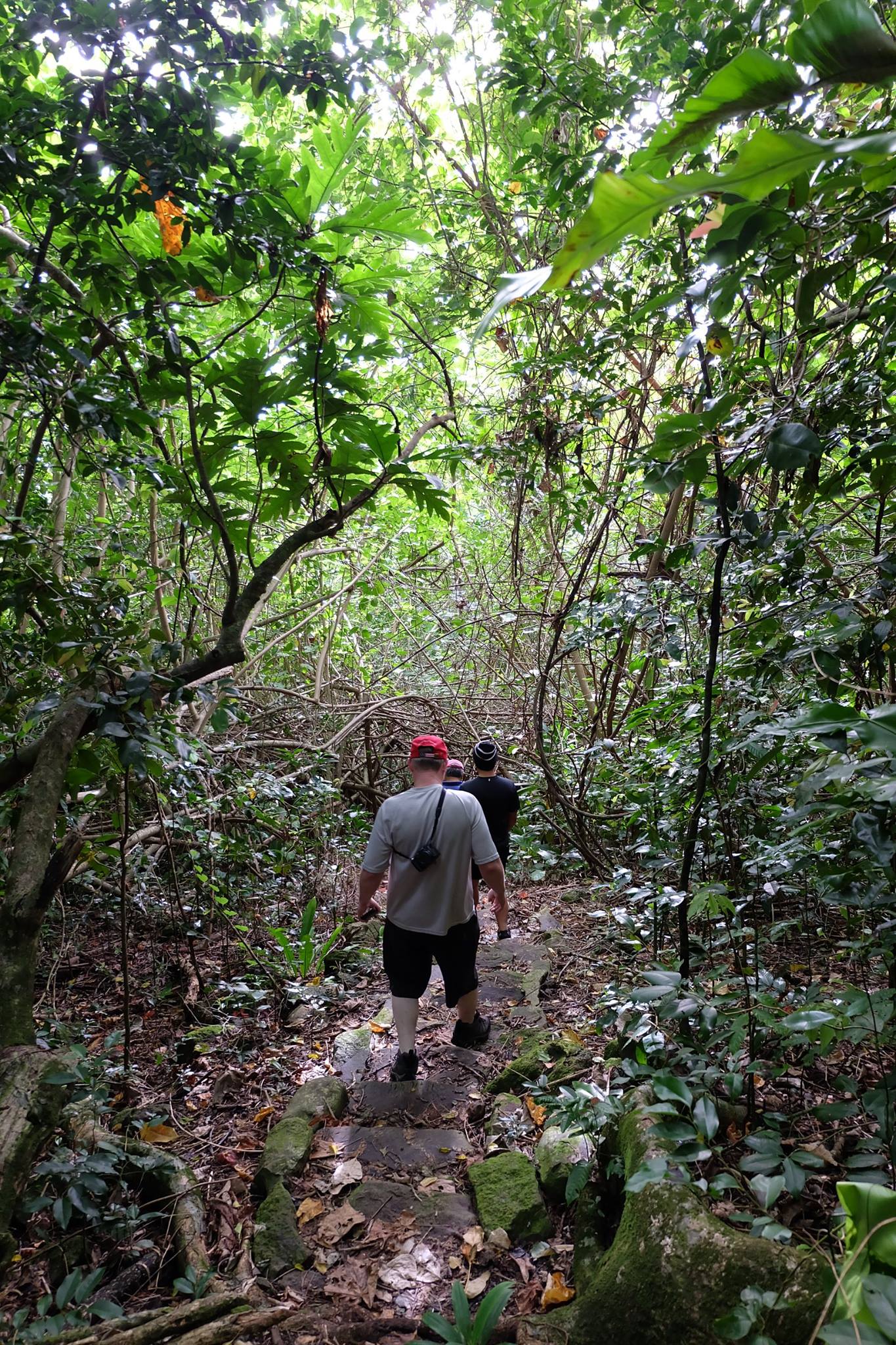
Lower Sauma Ridge Trail
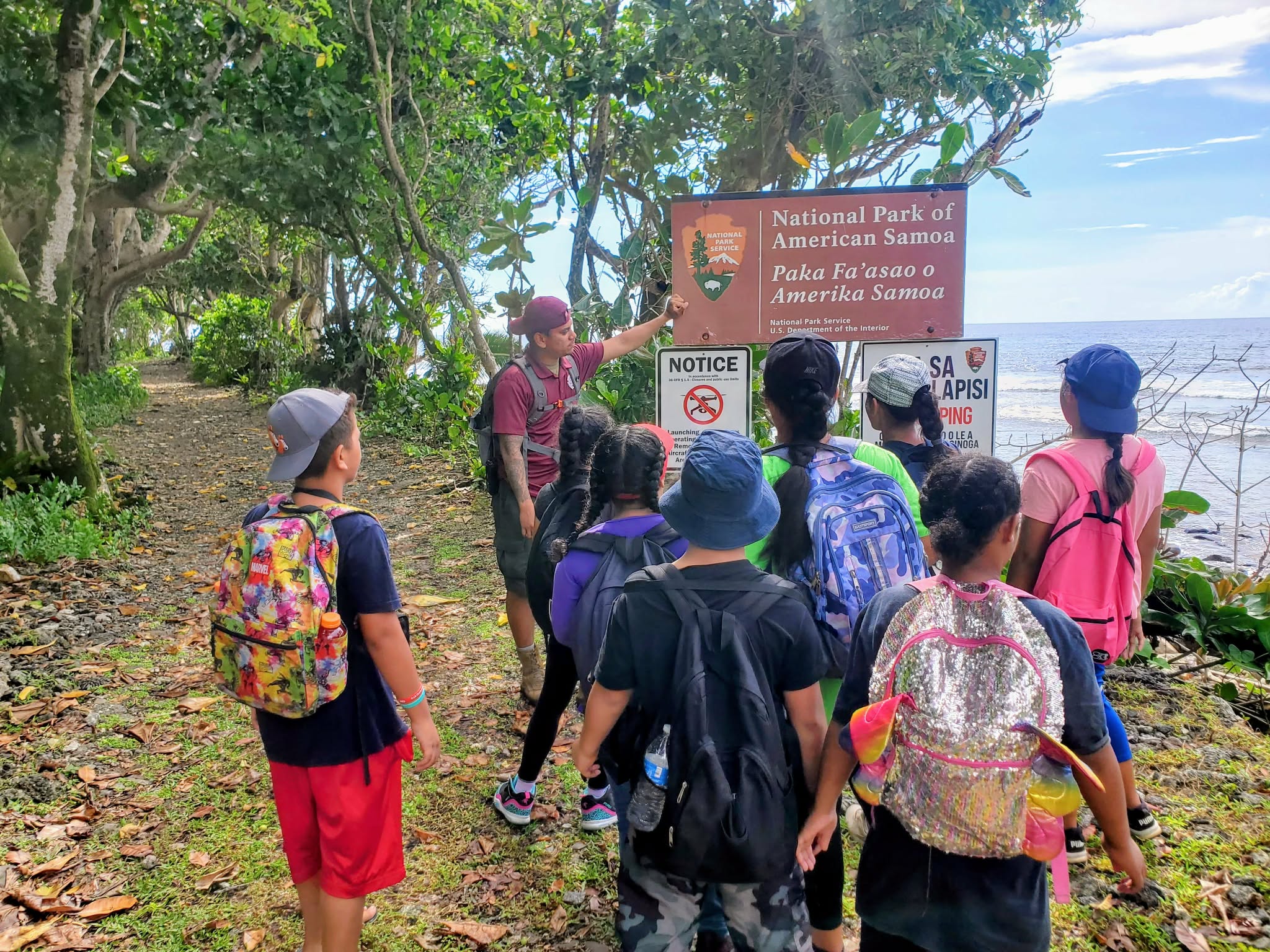
Pola Island Trail
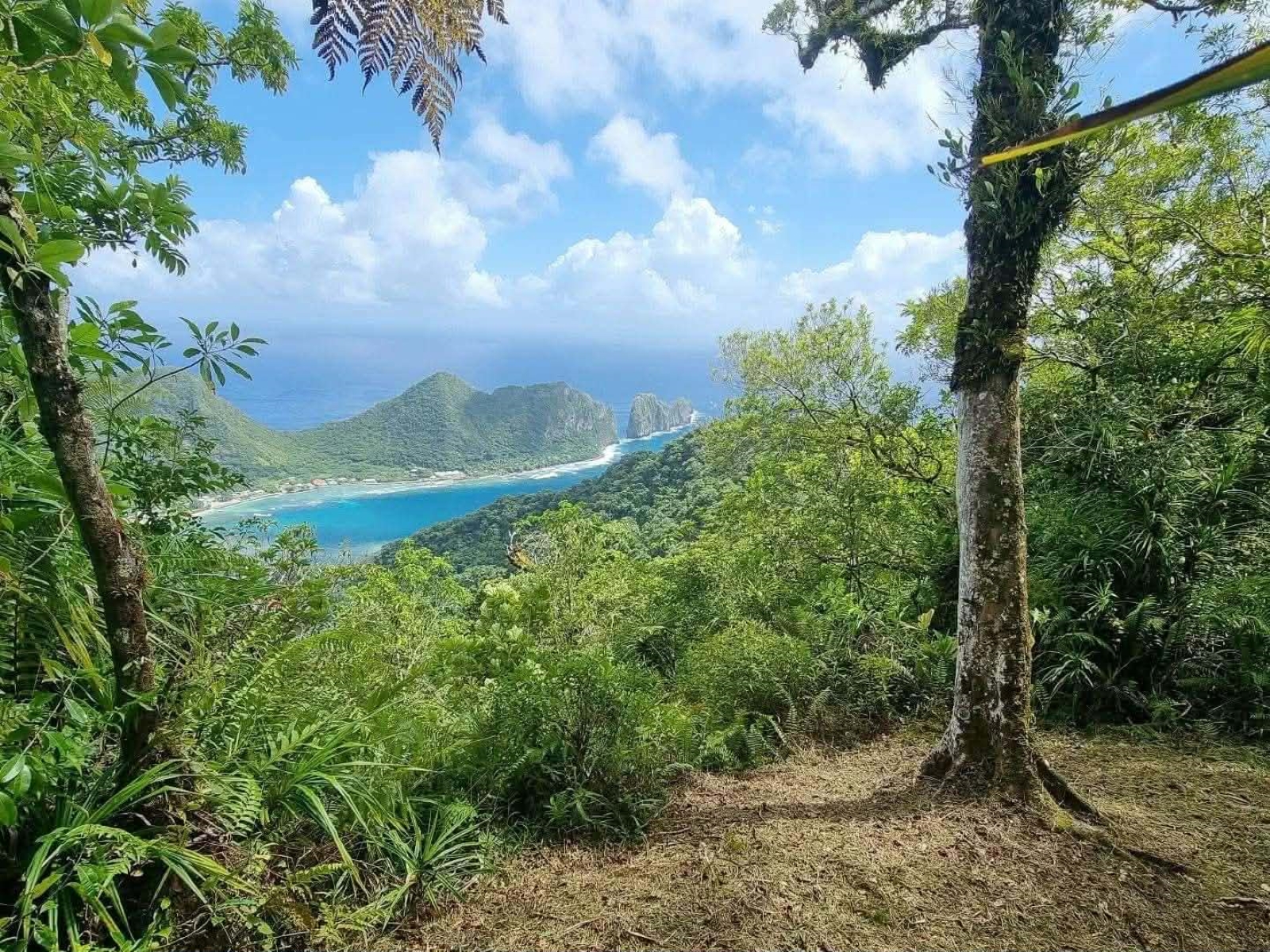
Upper Sauma Ridge Trail
Ofu Beach Walk
Start early — National Park of American Samoa's most popular trailheads fill up by mid-morning in peak season.
Camping
No campgrounds in this park. Check nearby gateway towns for lodging options.
Top Activities
National Park of American Samoa excels at 7 of 17 activity types — here are the standouts rated 7/10 or higher.
Swimming
9/10World-class swimming and beach access in tropical waters
Photography
9/10Exceptional opportunities for tropical landscape, reef, and wildlife photography
Kayaking Canoeing
8/10Water access between islands and along pristine coastlines
Wildlife Viewing
8/10Sea turtles, tropical fish, seabirds, and rare Samoan flying foxes
Bird Watching
8/10Endemic and tropical seabirds unique to South Pacific
Hiking
7/1028 miles of trails through rainforest and coastal areas on multiple islands
Stargazing
7/10Good dark skies in remote South Pacific location
Who It's For
Planning Your Trip
Getting There
Nearest city: Apia, Samoa (40 mi). Fly into PPG.
In-Park Services
No gas in park · No lodging in park · Cell: limited
Gateway Town
Pago Pago, AS — limited amenities
Featured In ?Rankings based on data-driven scoring across all 62 national parks.
Stories
Compare National Park of American Samoa
See how National Park of American Samoa stacks up against other national parks — crowds, trails, and more.
Compare National Park of American SamoaFrequently Asked Questions
When is the best time to visit National Park of American Samoa?
The best month to visit National Park of American Samoa is February, based on a balance of weather, crowds, and accessibility. Peak visitation is in April. The park has 4 comfortable months for visiting.
How crowded is National Park of American Samoa?
National Park of American Samoa is relatively uncrowded, with a congestion index of 1.2/10. The park receives 22,567 visitors annually across 21.1 square miles.
How many trails does National Park of American Samoa have?
National Park of American Samoa has 28 miles of trails across 4 easy, 6 moderate, and 2 strenuous routes. Popular trails include Ofu Beach Walk, Mount Lata Trail, Pola Island Village Trail.
Is National Park of American Samoa open year-round?
Yes, National Park of American Samoa is open year-round, though some roads and facilities may close seasonally. The park's climate is classified as tropical.