Devils Dome Loop
What to Expect
Safety Advisory
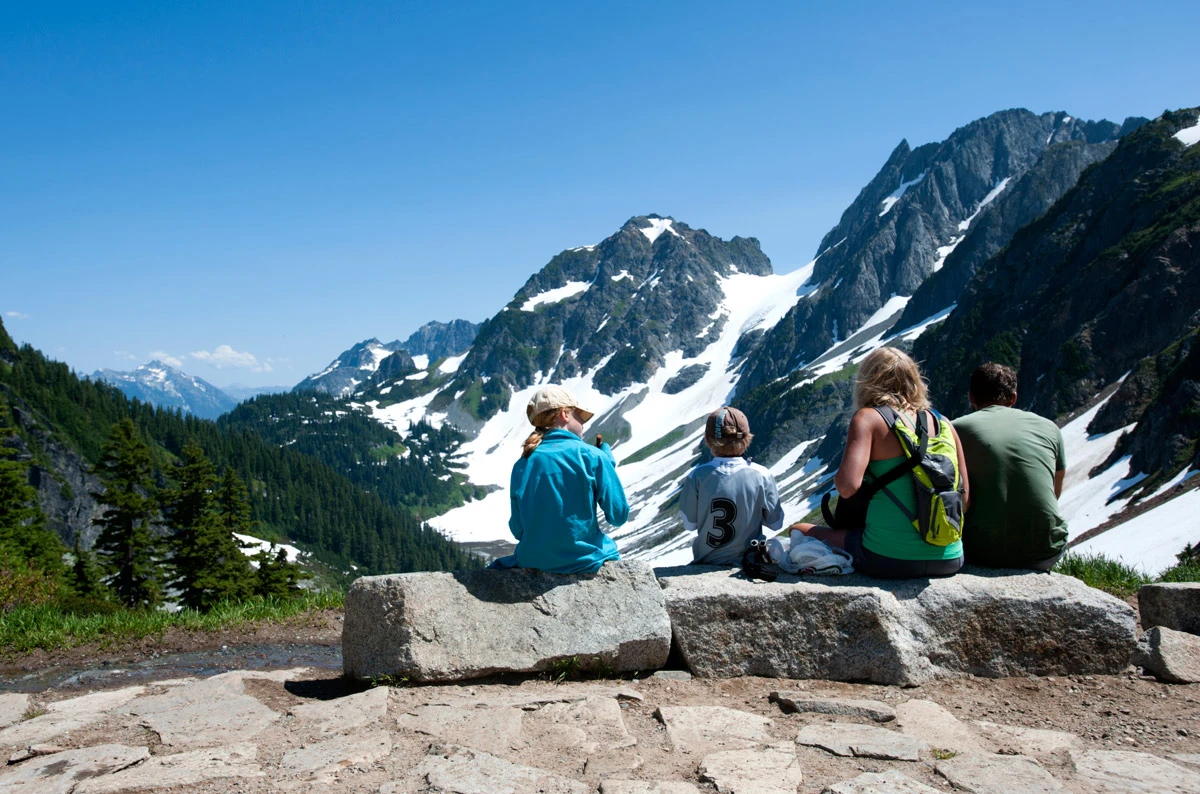
Snow lingers on the high passes and Devils Dome well into July most years. An ice axe and microspikes are essential for early-season attempts, and route-finding through lingering snowfields on Jackita Ridge can be genuinely dangerous in poor visibility.
This is grizzly bear recovery territory and black bears are common. Hang food properly or carry a bear canister — there are no established bear wires on most of the route.
Creek crossings along Devils Creek and Jackita Creek can be thigh-deep and swift during snowmelt in June and early July. Trekking poles and unbuckled hip belts are non-negotiable for fording.
Trail Details
Pro Tips
Run the loop clockwise — ascending via East Bank and Jackita Ridge puts the brutal Devils Creek descent on tired legs but keeps the best alpine scenery ahead of you rather than behind.
Cache water before the Jackita Ridge traverse. The ridge section can be bone-dry by August, and the next reliable source may be several miles away. Carry at least three liters for the high country stretch.
The summit of Devils Dome around sunset is one of the most underrated viewpoints in Washington — you can see Ross Lake shimmering far below while alpenglow lights up the Pickets. Time your second or third night's camp to catch it.