Goode Ridge Trail
What to Expect
Safety Advisory
The upper ridge is fully exposed with no shelter — afternoon thunderstorms build fast in the North Cascades, and lightning on an open ridge is no joke. Watch the sky and be ready to retreat.
The sustained vertical gain with no water access above 1.5 miles makes heat exhaustion a real risk on warm days. Carry at least three liters per person and know the signs of dehydration.
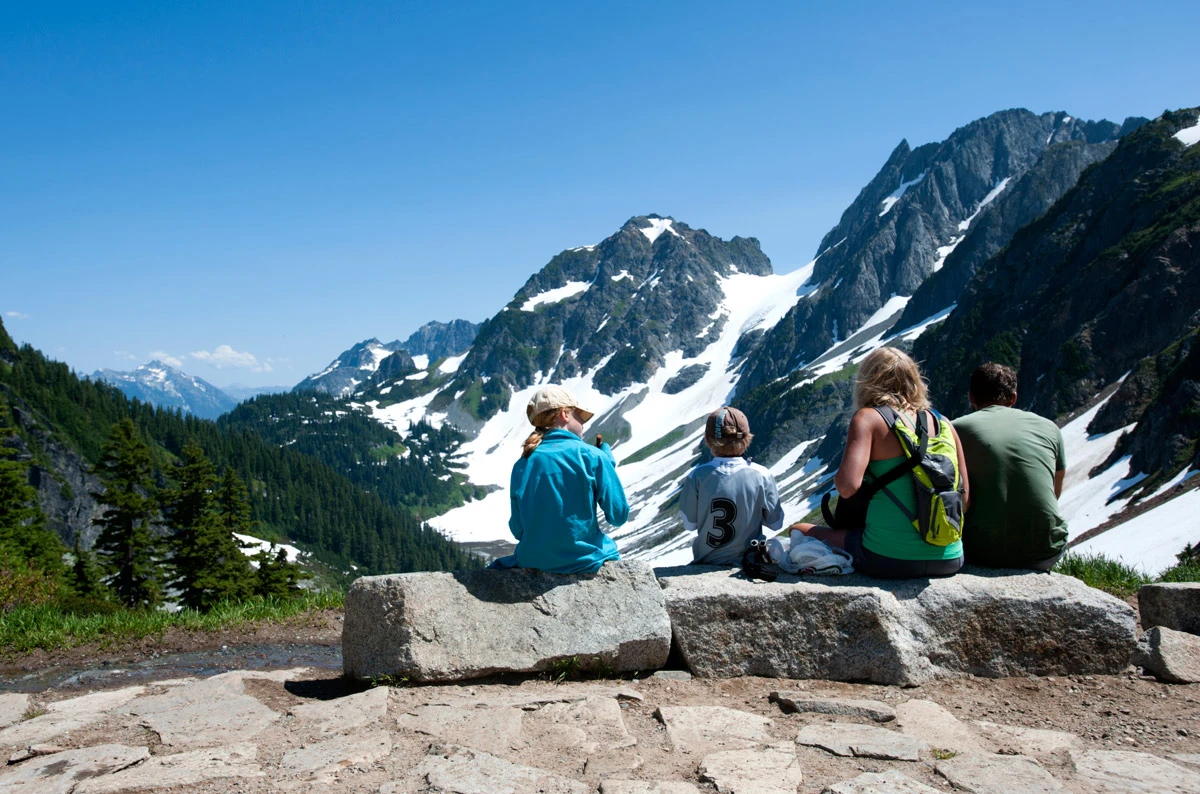
Snow can linger on the upper ridge well into July, obscuring the trail and creating slip hazards on steep traverses. Microspikes are worth their weight if you're pushing the season.
Trail Details
Pro Tips
Fill every water container at the creek crossings within the first mile and a half — once you leave the valley floor, there is zero reliable water until you descend again, and this climb will drain you dry in summer heat.
Start at first light if you're doing this as a day hike. The lower slopes bake in afternoon sun, and the ridge is fully exposed to weather that can roll in fast by midday in the Cascades.
The ridge itself extends beyond the obvious stopping point — if you have energy left, continue north along the crest for increasingly dramatic views of Goode Mountain's hanging glaciers, with far fewer boot prints.
Photos
 NPS
NPS