Heather Pass Trail
What to Expect
Safety Advisory
The upper trail is fully exposed above treeline with no shelter. Weather in the North Cascades can shift from bluebird to whiteout in under an hour — carry a rain layer and extra warmth even on clear mornings.
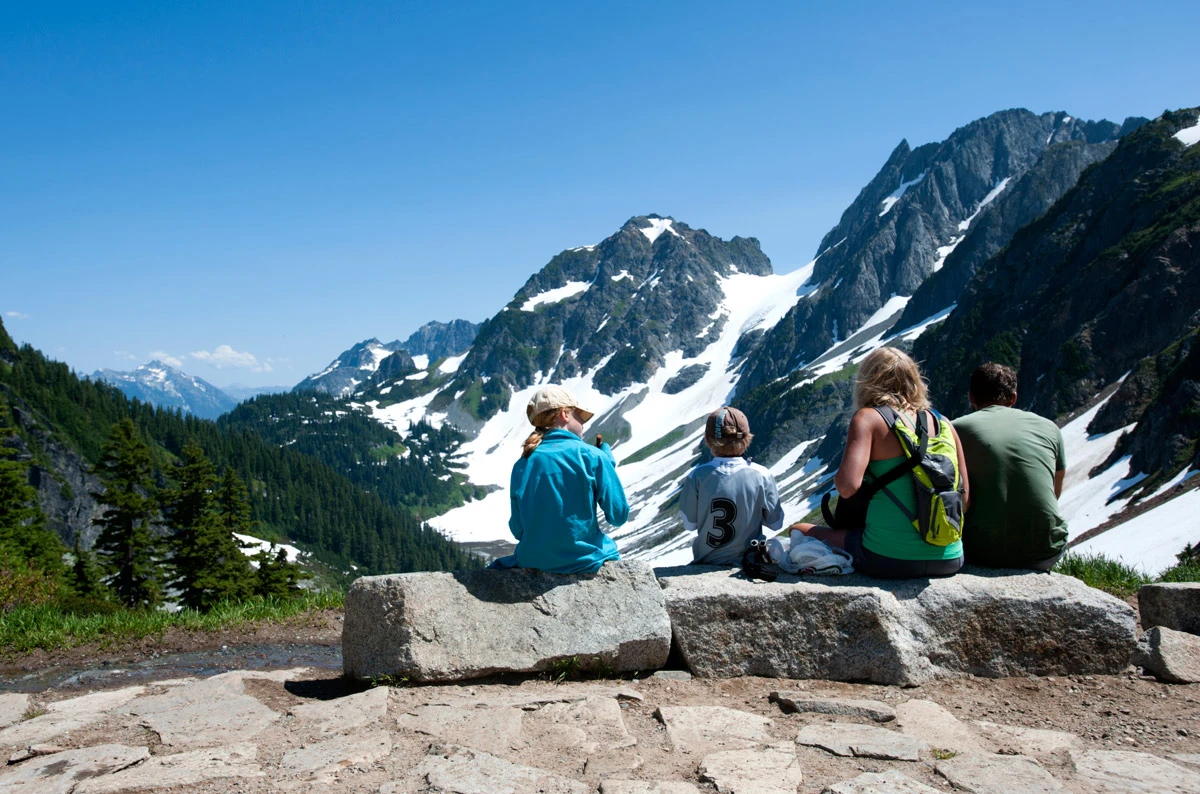
Snow lingers on the pass well into July most years, and steep snow traverses without traction devices are a serious slip-and-fall hazard. Check recent trail reports before heading up and carry microspikes if there's any question.
There is no reliable water source on the upper half of the trail. Carry at least two liters per person — more on hot days, since the exposed alpine sections offer zero shade.
Trail Details
Pro Tips
Start early — the Maple Pass trailhead lot fills by 8 AM on summer weekends, and there's no overflow parking. Weekdays are dramatically less crowded and the light is better for photos anyway.
Bring trekking poles for the descent. The upper sections get loose and gravelly, and tired legs on steep downhill terrain is where most rolled ankles happen on this route.
If you have energy to spare, extend the hike into a full Maple Pass loop (about 7.5 miles total) for a completely different perspective on the basin — the counterclockwise direction gives you the best views on the climb rather than saving them all for the end.