Jack Mountain Trail
What to Expect
Safety Advisory
This trail is not regularly maintained — expect blowdowns, lost tread, and brushy sections that can slow progress dramatically. Carry a GPS device and a topo map; don't rely on a visible path.
The upper route is fully exposed with no shelter from lightning or sudden weather changes. North Cascades storms roll in fast — if clouds start building, turn around before you're above treeline.
No water sources along the climbing route. Dehydration risk is real on this sustained, steep ascent, especially in midsummer heat.
Trail Details
Pro Tips
Start from the East Bank Trailhead off Highway 20 near Panther Creek — the junction with the Jack Mountain route is easy to miss, so load the GPS track beforehand rather than relying on signage that may or may not exist.
There is zero water along this route once you leave the East Bank Trail corridor. Carry every drop you'll need — a minimum of three liters for a full out-and-back push to the summit on a warm day.
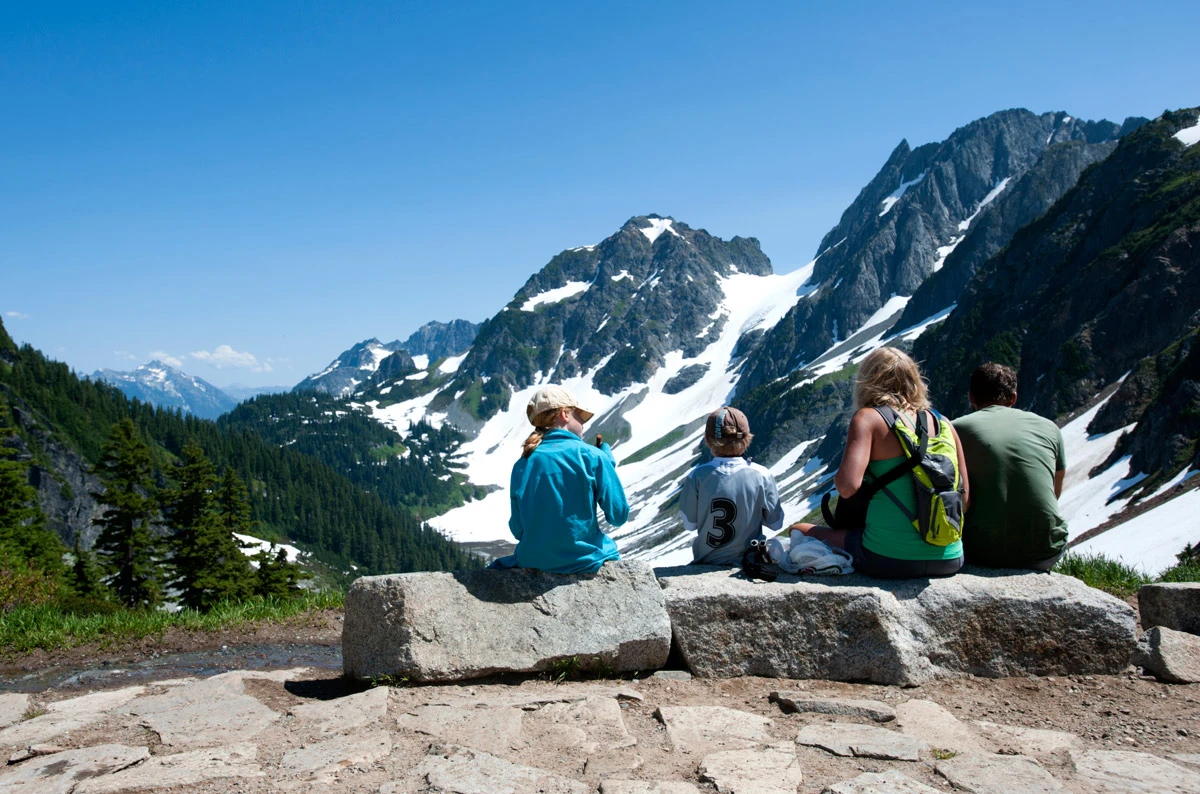
The upper slopes above treeline open up to wildflower meadows in late July and early August. If you're carrying a camera, the late afternoon light on the Pickets from Little Jack's summit is worth timing your ascent around.