Little Beaver Trail
What to Expect
Safety Advisory
Creek crossings on Little Beaver can become dangerous during snowmelt and after heavy rain. If the water is above your knees and moving fast, do not attempt to cross — wait for levels to drop or turn back.
The trail is not regularly maintained, so expect sections with no visible tread, blowdowns, and brushy overgrowth. Carry a topographic map and compass or GPS as a backup to any trail app — losing the route here means bushwhacking through dense Pacific Northwest forest.
Black bears are common in this drainage. Hang food properly at least 200 feet from camp using the counterbalance method, and make noise on the trail, especially near creek crossings where water drowns out your footsteps.
Trail Details
Pro Tips
Access from Ross Lake requires a water taxi from Ross Lake Resort or a steep hike down from Highway 20 — book the water taxi well in advance, as summer slots fill fast and paddling across adds hours.
Bring trekking poles with carbide tips for the creek crossings. Early season flows can turn a simple rock-hop into a thigh-deep wade, and the mossy rocks are slick enough to humble anyone.
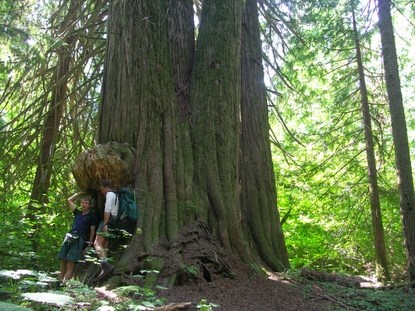
The old-growth cedar groves in the lower valley are some of the most photogenic in the North Cascades — overcast days actually produce better shots here, as dappled sun creates harsh contrast under the canopy.