Bear Gulch Caves Trail
What to Expect
Safety Advisory
Cave passages involve tight squeezes, low ceilings, and slippery rock surfaces. Anyone with claustrophobia or limited mobility should reconsider — there are sections where you're crouching through gaps barely wider than your shoulders.
Flash flooding can make cave sections dangerous after rain. If storms are forecast, skip the caves entirely — water funnels through the talus system fast and there's nowhere to go.
Trail Details
Pro Tips
Check the NPS website or call the visitor center before you go — the upper cave section closes from mid-May through mid-July for Townsend's big-eared bat maternity season, and closures can shift. The lower caves may remain open, but the full loop requires both sections.
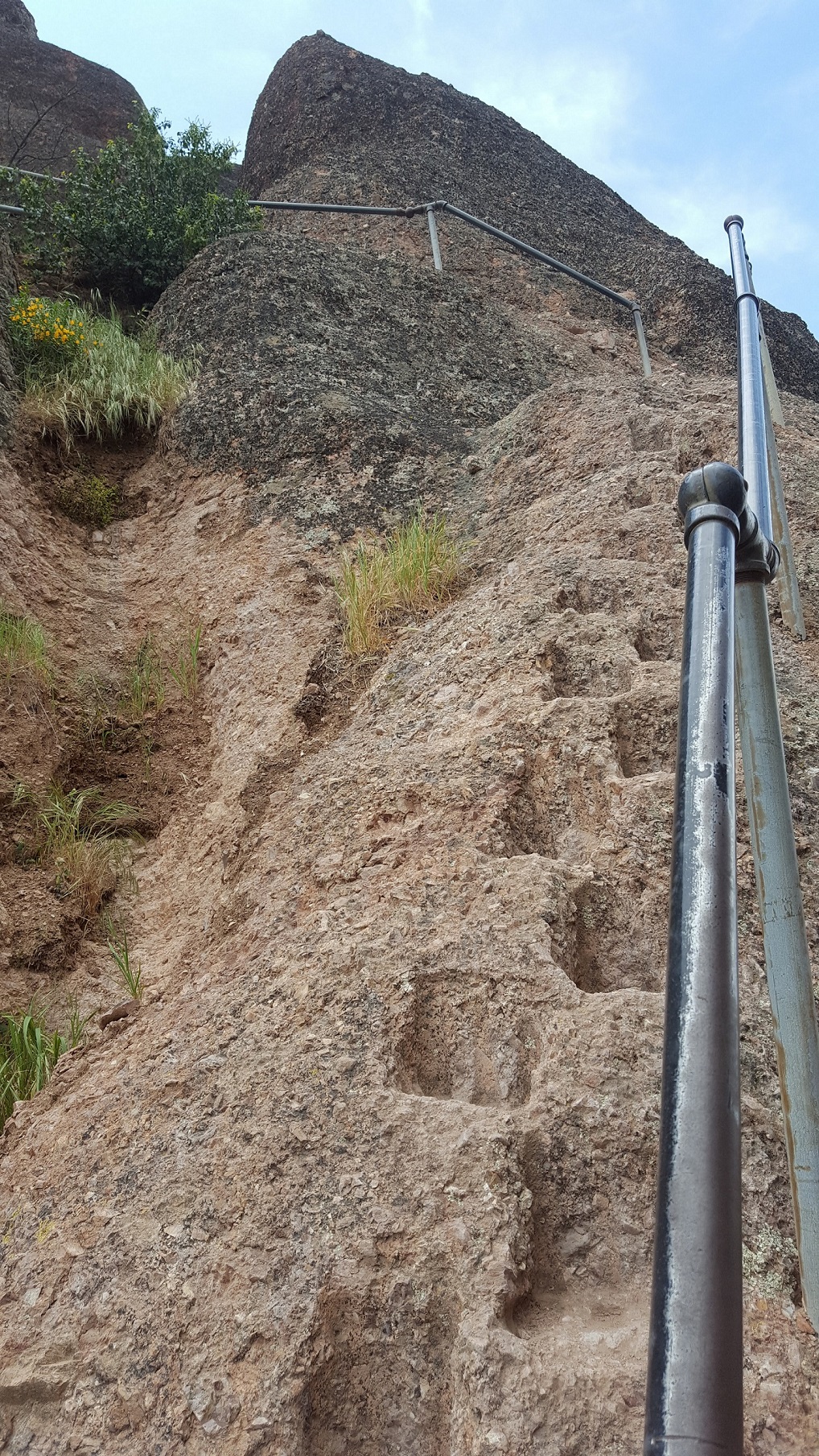
Bring a real headlamp or flashlight, not your phone. Several cave sections are pitch black for 50-100 feet, the footing is uneven, and you need both hands free to steady yourself on wet rock and metal ladders.
Start early on weekends — the parking lot at Bear Gulch fills by mid-morning, especially in spring. If it's full, you can park at the Chaparral lot and take the Moses Spring Trail connector, which adds about a mile but avoids the crowds at the trailhead.