Hike Chalone Peak Trail
What to Expect
Safety Advisory
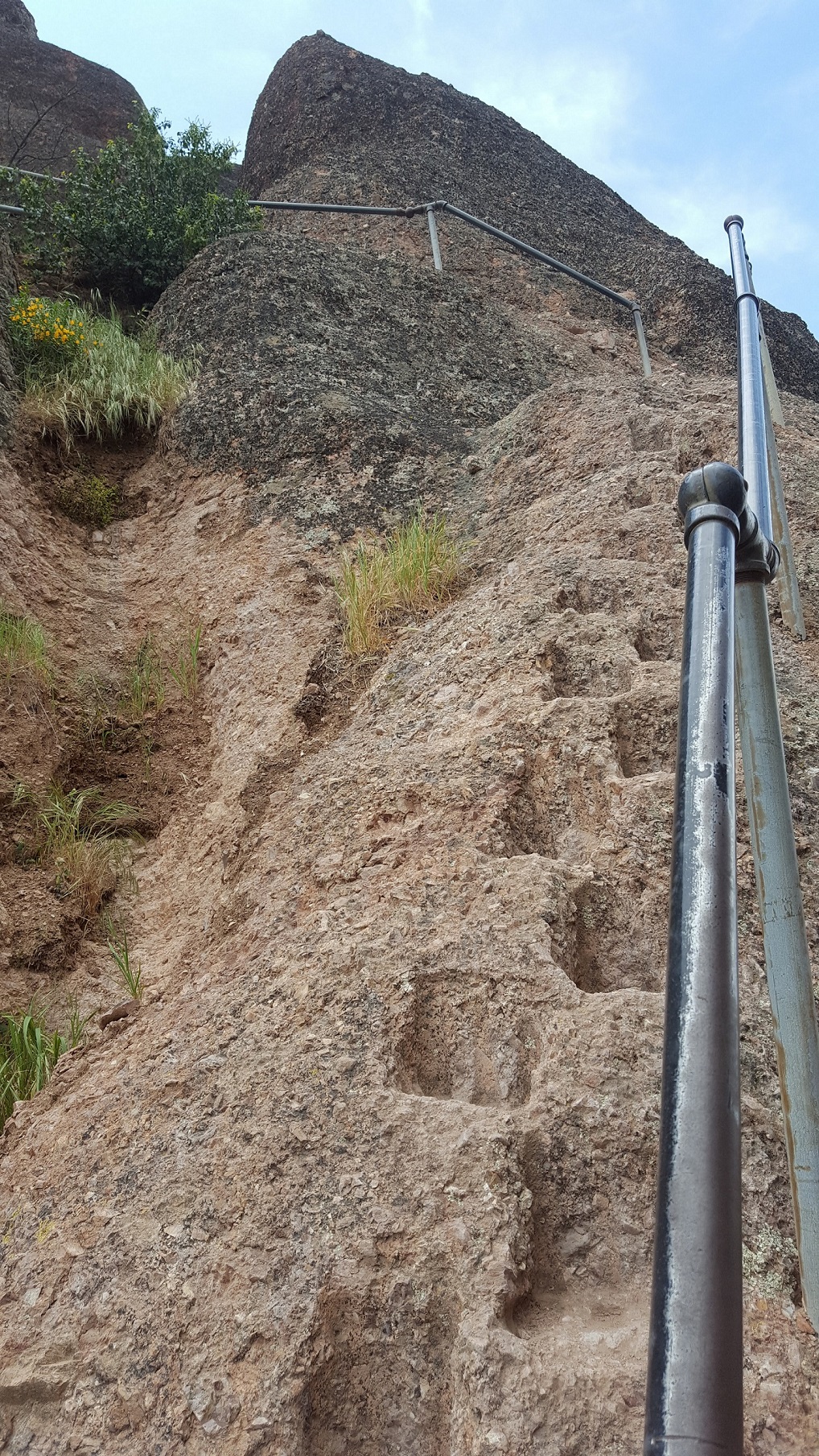
There is absolutely no shade on this trail. Temperatures on the Chalone Peaks regularly run ten degrees hotter than the parking areas, and in summer that can mean triple-digit heat on exposed rock. Heat exhaustion is a real risk — if you feel dizzy or stop sweating, turn around immediately.
The unmaintained trail to South Chalone Peak is not regularly monitored. The footing is loose in sections, and the route can be difficult to follow. Solo hikers should let someone know their plans before heading past North Chalone Peak.
Rattlesnakes are active in warmer months, particularly in the rocky terrain along the trail. Watch where you place your hands and feet, especially when stepping over rocks or logs.
Trail Details
Pro Tips
Start early — by 9 AM in any season. The east side bakes in direct morning sun, and by midday the exposed trail can feel like a convection oven. A sunrise start gets you summit views in golden light and back to the car before the heat peaks.
Carry at least two liters of water per person, even in winter. There is no water source on the trail, and the dry volcanic terrain reflects heat. Freeze one bottle overnight so it stays cold longer on the climb.
If you push on to South Chalone Peak via the unmaintained trail, download offline maps beforehand. The path is faint in places and not signed. The view from the southern summit is arguably better — fewer visitors and a unique perspective down the full spine of the Gabilan Range.
Photos
 NPS Photo/Kelsey Frusetta